The Complete Kevin Hart Burger Chain Timeline: The Rise and Sudden Exit of Hart House
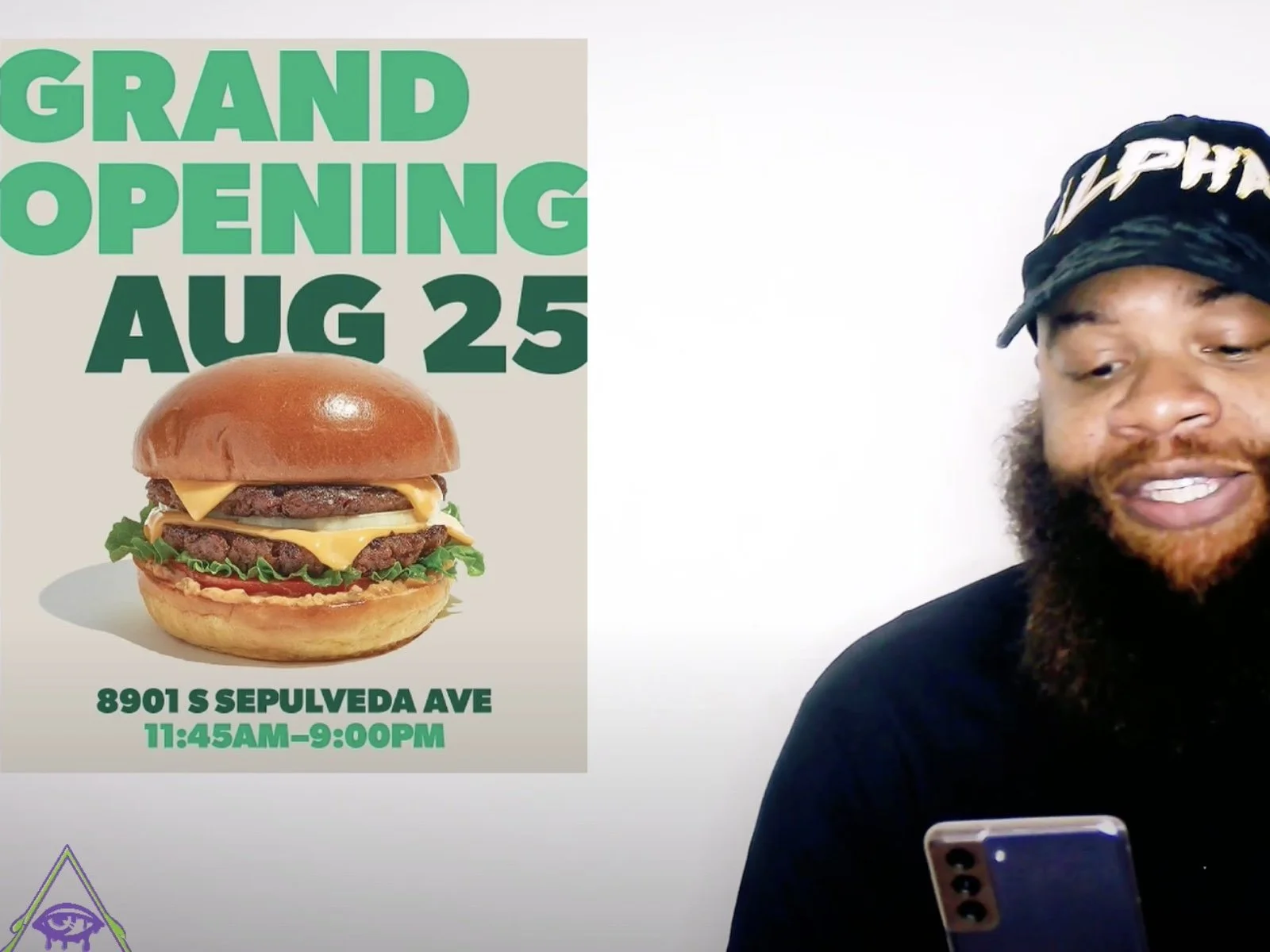
Kevin Hart’s venture into the plant-based fast-food industry began with the grand opening of Hart House in August 2022. After a period of rapid expansion across Los Angeles, the chain unexpectedly closed all four of its locations in Se...
Kevin Hart’s venture into the plant-based fast-food industry began with the grand opening of Hart House in August 2022. After a period of rapid expansion across Los Angeles, the chain unexpectedly closed all four of its locations in September 2024, marking the end of the comedian's ambitious attempt to disrupt the traditional burger market.
Contents
The Vision: A Plant-Based Option for the Masses
The story of Hart House begins not with a business plan, but with Kevin Hart’s personal health journey. Around 2020, Hart began publicly discussing his shift toward a plant-based diet, citing a desire for better performance and long-term health. However, he noticed a significant gap in the market: plant-based food was often marketed as a luxury or a niche lifestyle choice, accompanied by premium pricing that excluded many consumers.
Hart’s goal was to create a "fast-food" experience that was indistinguishable from traditional giants like McDonald’s or Wendy’s in terms of convenience and flavor, but entirely vegan. To execute this, he partnered with CEO Andy Hooper and Chef Michael Salem, the former head of culinary innovation at Burger King who was instrumental in launching the Impossible Whopper. This leadership team was designed to blend celebrity influence with deep industry expertise.
The core philosophy of Hart House was "price parity." Hart insisted that the menu remain affordable, challenging the "vegan tax" that typically makes plant-based burgers more expensive than beef counterparts. This strategy was intended to attract the "flexitarian" diner—someone who isn't necessarily vegan but is looking for a healthier or more sustainable alternative to their usual fast-food order.
The Hart House Development Timeline
The trajectory of Hart House was characterized by a high-velocity launch and a surprisingly abrupt conclusion. The following table outlines the critical milestones in the brand's history.
| Date | Milestone | Significance |
|---|---|---|
| August 2022 | First Location Opens | The Westchester, LA flagship opens near LAX, debuting the full menu. |
| November 2022 | Monrovia Expansion | The second location opens, testing the brand's viability outside the city center. |
| May 2023 | University Park Launch | Located near USC, this spot targeted the student demographic and high foot traffic. |
| June 2023 | Hollywood Flagship | A high-profile drive-thru location opens on the corner of Sunset and Highland. |
| 2023 - 2024 | Market Saturation Efforts | The brand explored various "pop-up" concepts and festival appearances. |
| September 10, 2024 | Sudden Closure | All locations permanently shuttered without a public explanation for the timing. |
2022: The Grand Entrance
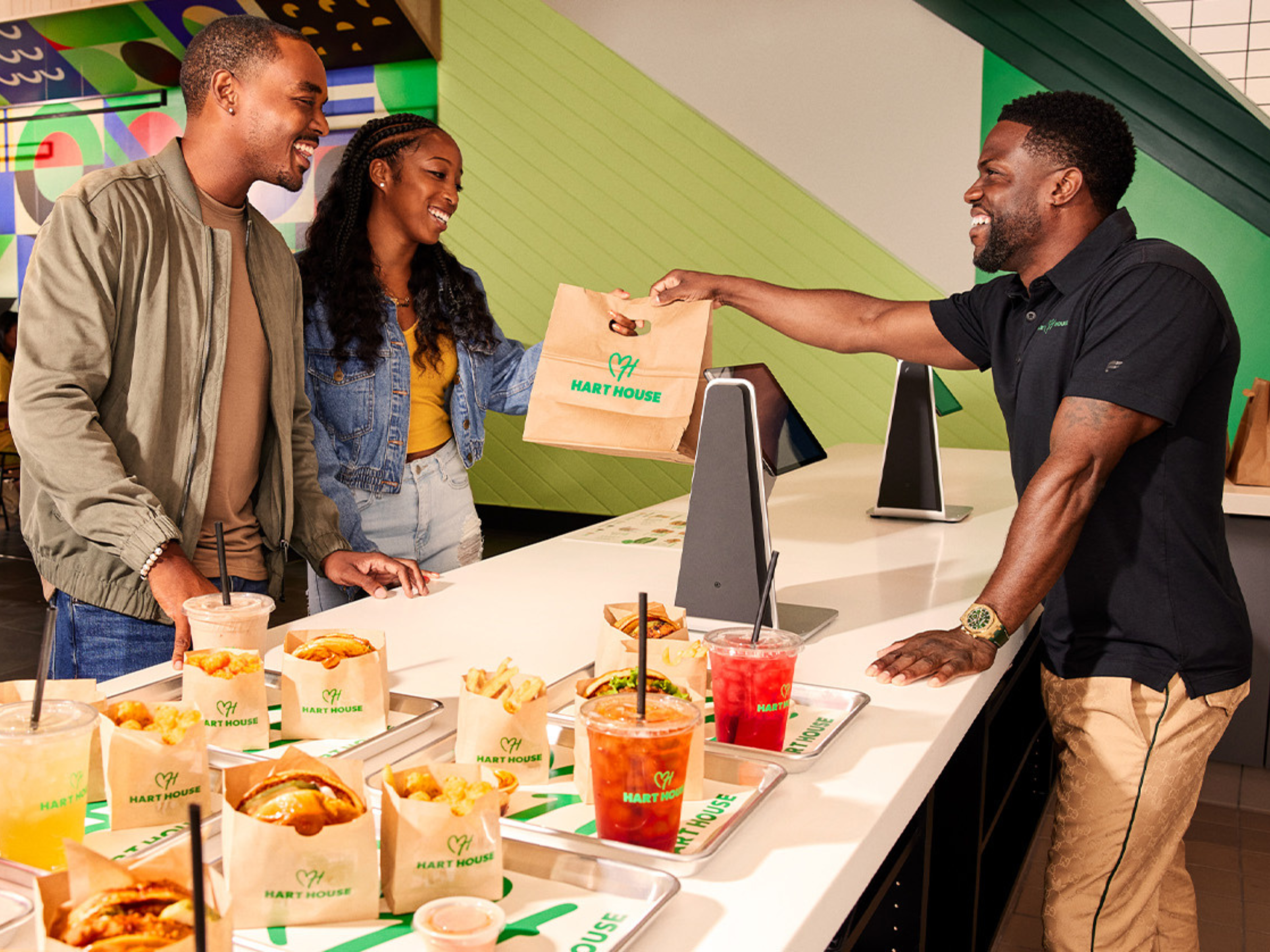
The launch of the first Hart House in Westchester (near Los Angeles International Airport) was a media spectacle. Unlike many celebrity-backed restaurants that rely solely on the name, Hart House received genuine praise for its culinary quality. Chef Michael Salem developed a proprietary blend for the "Burg'rs" and "Chick'n" sandwiches that avoided some of the common pitfalls of plant-based meats, such as an overly processed aftertaste or rubbery texture.
The Westchester location served as the blueprint. It featured a bright, modern aesthetic with sustainable materials and digital kiosks. The menu was intentionally limited to ensure quality control and speed, featuring items like the "Signature Burg'r" (topped with Hart House's "Hunny" Mustard and plant-based cheese) and dairy-free milkshakes made from a proprietary oat and cashew base.
2023: Rapid Expansion and the Hollywood Drive-Thru
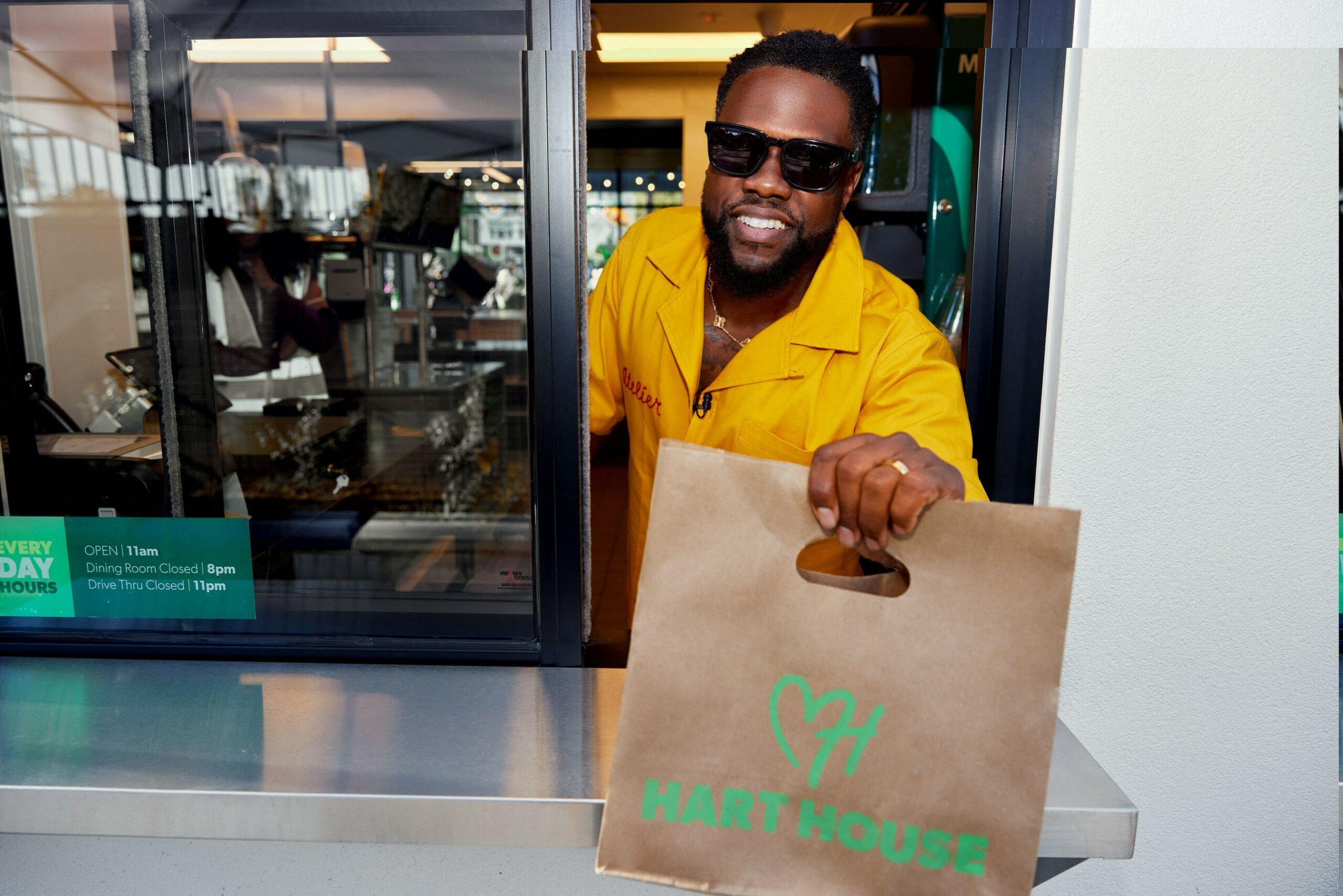
2023 was the year Hart House attempted to prove it could scale. The opening of the Hollywood location was a major strategic move. Situated at Sunset Boulevard and Highland Avenue, it occupied a space formerly held by a traditional fast-food outlet and featured a drive-thru—a rarity for specialized plant-based chains in high-density areas.
This period also saw the brand leaning heavily into social media marketing. Kevin Hart frequently visited the locations, documenting his meals for his millions of followers. The brand positioning was clear: it wasn't just "vegan food"; it was "good food that happens to be vegan." By mid-2023, Hart House was winning awards, including being named the "Best Burger in Los Angeles" by several local lifestyle publications, beating out traditional meat-based competitors.
During this expansion, the company focused on three primary pillars:
- Accessibility: Locating stores in areas with diverse demographics, not just high-income "wellness" enclaves.
- Sustainability: Using packaging that was compostable and sourcing ingredients with a lower carbon footprint.
- Employee Welfare: Hart House famously offered competitive wages and a benefits package that exceeded the fast-food industry standard, aiming to reduce turnover and improve service quality.
The Culinary Strategy: What Set the Menu Apart
To understand why Hart House gained such momentum, one must look at the technical development of the food. Many plant-based startups rely on third-party suppliers like Beyond Meat or Impossible Foods. Hart House, however, invested in proprietary recipes to create a unique flavor profile.
- The Burg’r: A custom-developed patty designed to sear like beef, providing the "Maillard reaction" (browning) that consumers associate with savory flavor.
- The Chick’n: A pea-protein-based fillet that utilized a specialized breading technique to maintain crunch even when delivered or held in a warming station.
- The Sauces: Recognizing that sauce often defines the fast-food experience, the team developed a range of vegan aiolis and "Hunny" mustards that mimicked the creaminess of egg-based dressings.
This focus on the "craveability" factor was central to their growth. By the end of 2023, the brand had successfully cultivated a loyal customer base that included both hardcore vegans and curious meat-eaters.
2024: The Sudden Exit
In a move that shocked the restaurant industry, Hart House announced the permanent closure of all its locations on September 10, 2024. The announcement was made via social media and signs posted on the doors of the restaurants. There was no prior warning to the public, and even many staff members were reportedly notified only shortly before the doors locked for the last time.
As of 2026, looking back at the closure, several factors contributed to the brand’s end despite its initial success:
- Operational Costs: Maintaining price parity while offering high-quality plant-based ingredients and above-average employee wages created thin margins.
- Real Estate Challenges: The Hollywood drive-thru location, while prestigious, came with immense overhead and rent costs that required massive volume to sustain.
- Market Saturation: By 2024, the plant-based market in Los Angeles had become incredibly crowded, with both local boutiques and national chains like Burger King and Carl's Jr. offering robust vegan options.
- Strategic Pivot: While never officially confirmed by Hart's team, industry analysts suggest that Hart's production company and other business ventures took priority, leading to a decision to exit the capital-intensive restaurant space.
CEO Andy Hooper thanked the "Hart House Team" and the "loyal customers" in a final statement, but the specific financial triggers for the immediate shutdown remain private.
The Legacy of Hart House in the Fast-Food Industry
While the physical locations are gone, the "Hart House experiment" left a mark on the industry. It proved that a celebrity-led brand could produce a high-quality, proprietary product that rivaled established competitors. It also demonstrated that there is a significant appetite for plant-based fast food when the price point is accessible.
The closure of Hart House served as a cautionary tale for the "plant-based gold rush" of the early 2020s. It highlighted that even with massive star power and excellent culinary execution, the economics of fast food—particularly in high-cost markets like California—remain incredibly difficult to navigate.
Frequently Asked Questions
Why did Kevin Hart's burger chain close?
The exact internal reasons were not publicly disclosed, but industry analysts point to a combination of high operational costs, a saturated plant-based market in Los Angeles, and the difficulty of maintaining low consumer prices while using premium vegan ingredients. The closure was sudden, occurring across all locations simultaneously in September 2024.
Are there any Hart House locations still open?
No. As of late 2024, all Hart House locations, including the flagship Hollywood drive-thru and the Westchester branch, have been permanently closed. There are currently no active physical or "ghost kitchen" operations for the brand.
Was the food at Hart House healthy?
While Hart House offered a plant-based alternative to traditional fast food, it was still categorized as fast food. The menu featured lower cholesterol and no antibiotics compared to beef chains, but items like the "Burg'rs" and "Chick'n" sandwiches were still processed and often fried, meaning they were intended as a "healthier alternative" rather than a health food.
Who was the chef behind Hart House?
The menu was developed by Chef Michael Salem. Salem was previously the head of culinary innovation at Burger King, where he was a key figure in the successful national launch of the Impossible Whopper. His expertise was instrumental in creating the proprietary plant-based proteins used at Hart House.
Will Hart House return in the future?
As of 2026, there have been no official announcements regarding a relaunch or a move into grocery retail. While many fans hope for a return via frozen products or a franchised model, the company’s infrastructure was dismantled following the 2024 closures.
Final Recommendation for Food Entrepreneurs
The timeline of Hart House offers a vital lesson in business: Product-market fit is not the same as operational sustainability. If you are looking to enter the plant-based space, focus on long-term supply chain stability and realistic margin expectations. While celebrity backing provides a massive initial boost in "top-of-funnel" awareness, the "bottom-of-funnel" economics—rent, labor, and COGS (Cost of Goods Sold)—ultimately determine the longevity of the venture. For those missing the Hart House experience, the current market in 2026 offers several alternatives, though few have matched the specific price-point-to-quality ratio that Hart originally championed.
Image Gallery