What to Do When Your Husband’s Life Insurance Claim Is Stalling
If your husband’s life insurance claim is stalling, it is usually due to the contestability period, missing documentation, or an ongoing investigation into the cause of death. To resolve this, you must identify the specific reason for...
If your husband’s life insurance claim is stalling, it is usually due to the contestability period, missing documentation, or an ongoing investigation into the cause of death. To resolve this, you must identify the specific reason for the delay, maintain a written communication log, and, if necessary, file a complaint with your State Department of Insurance.
Contents
Navigating the aftermath of a spouse's passing is an immense emotional burden, and when a financial safety net like life insurance fails to materialize promptly, it adds a layer of significant stress. While many beneficiaries expect a payout within 30 to 60 days, the reality of the insurance industry in 2026 involves rigorous verification processes that can feel like "stalling." Understanding the mechanisms behind these delays is the first step toward moving the process forward.
The Two-Year Contestability Period: The Primary Source of Delays
The most frequent reason a life insurance company stalls a payout is the contestability period. Under standard life insurance law in nearly every U.S. jurisdiction, a policy is "contestable" if the insured individual passes away within the first two years of the policy’s effective date.
During this window, the insurance company has a legal right—and often a fiduciary duty to its shareholders—to investigate the original application for "material misrepresentation." This means they are checking to see if your husband omitted or falsified information regarding his health history, tobacco use, or high-risk hobbies. If they find a significant discrepancy, they may attempt to deny the claim or adjust the payout.
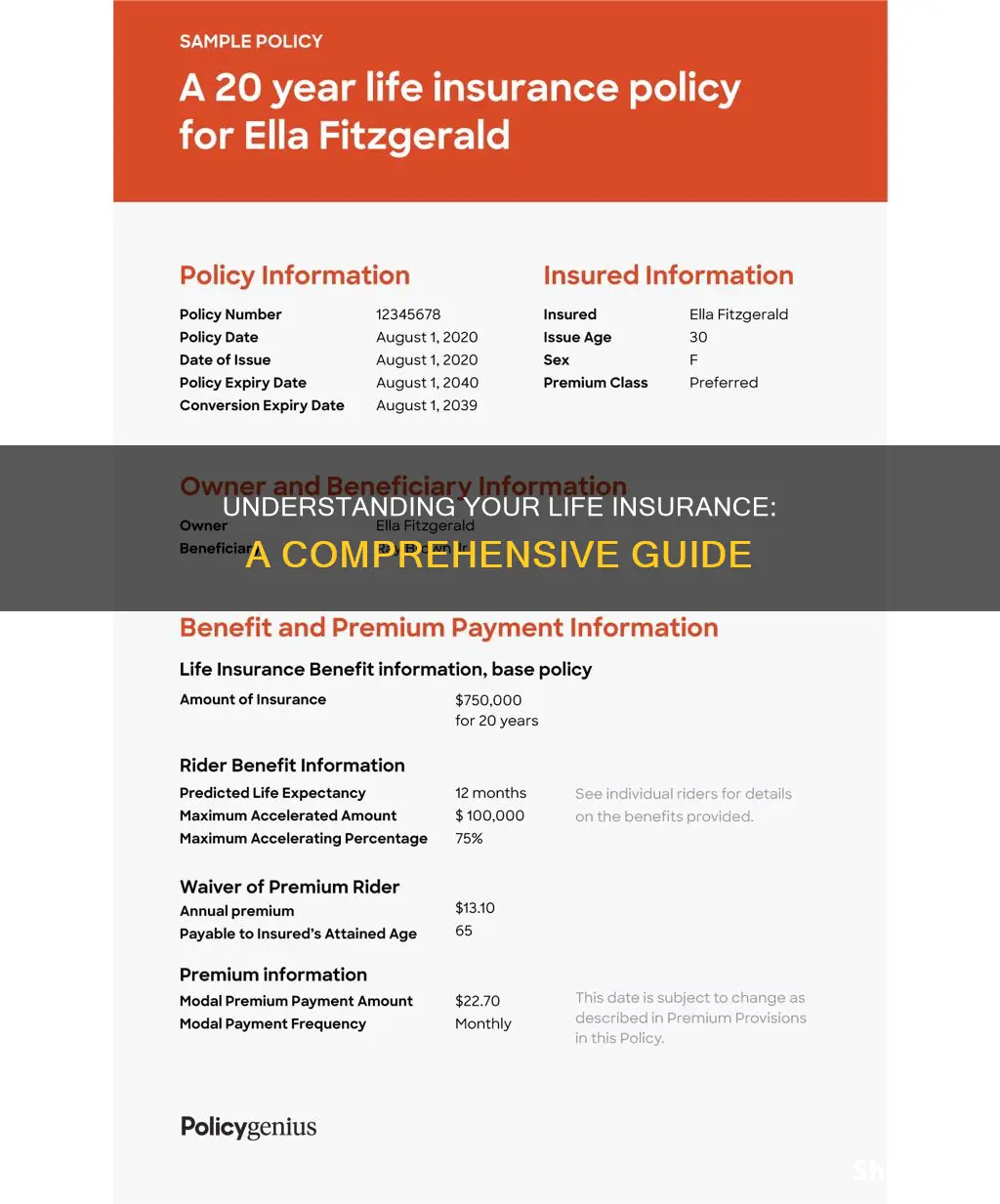
If your husband died within this two-year window, the company will likely request five to ten years of medical records from every doctor he visited. Obtaining these records from medical facilities can take months, which the beneficiary perceives as a "stall" by the insurer. However, the insurer cannot simply wait forever; most states require them to act within a "reasonable" timeframe once all documentation is received.
Administrative Hurdles and Documentation Errors
Sometimes the stall isn't due to an investigation but rather a failure in the administrative pipeline. Even in 2026, with advanced digital claims processing, the requirements for "certified" documentation remain strict.
Common administrative bottlenecks include:
- The Death Certificate: Insurers generally require a certified copy of the death certificate, not a photocopy. If the "cause of death" is listed as "pending" (common in toxicology or autopsy cases), the insurer will pause the claim until a final version is issued.
- Missing Beneficiary Information: If the policy was old, the insurer might have outdated contact information or social security numbers, leading to identity verification delays.
- Mismatched Names: If there are discrepancies between the name on the policy and the name on the death certificate or your legal identification, the legal department will flag the file for manual review.
- IRS Form W-9: Many beneficiaries forget that interest earned on a death benefit from the date of death to the date of payout is taxable. The insurer may stall the payment until they have a signed W-9 on file to report this interest to the IRS.
Investigations Into the Cause of Death
If the death was not due to natural causes, the insurance company will conduct a secondary investigation. This is particularly true for policies with an Accidental Death and Dismemberment (AD&D) rider or if the death occurred under "suspicious" circumstances.
In cases of accidents, the insurer will wait for the final police report and any toxicology results. If the police investigation remains "open," the insurance company will typically refuse to pay until it is officially closed. They are looking to exclude deaths caused by illegal acts, self-inflicted injuries (within the suicide clause period), or under the influence of non-prescribed controlled substances, depending on the policy’s specific exclusions.
In 2026, insurers are also increasingly using social media forensics and third-party data aggregators to verify the circumstances of a death. If their internal data conflicts with the claim form you submitted, they will "stall" while they resolve the ambiguity.
Identifying and Overcoming "Bad Faith" Tactics
While many delays are procedural, some may border on insurance bad faith. Bad faith occurs when an insurer intentionally delays or denies a claim without a reasonable basis. This can include:
- Failing to acknowledge a claim in a timely manner.
- Requesting the same documents multiple times (the "document loop").
- Failing to provide a specific reason for the delay.
- Offering a significantly lower settlement than the policy value without justification.
If you suspect bad faith, you must transition all communications to written formats (email or certified mail). Phone calls are difficult to track and offer no evidentiary value if the case moves to litigation or regulatory review.
Comparative Overview of Common Claim Delays
The following table outlines the typical reasons for delays and the estimated resolution times in the current 2026 insurance landscape.
| Delay Reason | Primary Cause | Typical Duration | Action Required |
|---|---|---|---|
| Contestability | Death within 2 years of policy start | 6–12 months | Provide list of all healthcare providers to speed up record collection. |
| Pending Autopsy | Toxicology or medical examiner backlog | 3–6 months | Follow up with the County Medical Examiner’s office directly. |
| Administrative Gap | Missing W-9 or certified certificate | 2–4 weeks | Re-submit documents via the insurer’s secure digital portal. |
| Interpleader | Conflicting beneficiaries (ex-spouses, etc.) | 12+ months | This often requires a court to decide; seek legal counsel. |
| Policy Search | Insurer cannot locate the original contract | 1–2 months | Provide policy numbers or contact the NAIC Life Insurance Policy Locator. |
Step-By-Step Guide to Resolving a Stalled Claim
If you feel the company is stalling, do not wait for them to contact you. Take a proactive stance using the following steps:
1. Request a Written Status Letter
Send a formal request asking for a "Statement of Outstanding Requirements." This forces the insurer to put in writing exactly what is missing or what part of the investigation is ongoing. They are legally required to respond to such inquiries within a set number of days (usually 15–30, depending on the state).
2. Contact the Source of Third-Party Delays
If the insurer says they are waiting on a doctor's office or a hospital, call that facility yourself. Medical records departments are often understaffed. You can often speed up the process by signing a specific HIPAA release for that facility and asking them to expedite the transfer to the insurance company.
3. Review the "Prompt Payment" Laws in Your State
Most states have laws that require insurance companies to pay interest on death benefits if they are not settled within a specific timeframe (often 30 days after receiving proof of death). Mentioning your knowledge of these laws to a claims adjuster can sometimes motivate them to move your file to the top of the stack.
4. Escalate to a Claims Manager
If the frontline adjuster provides vague answers, ask to speak with a supervisor or a "Claims Manager." Explain that the delay is causing financial hardship. In 2026, many companies have "hardship tracks" that can expedite the review process if the beneficiary is at risk of losing their home or cannot pay for funeral services.
5. File a Complaint with the State Department of Insurance
Every state has a regulatory body that oversees insurance companies. If the "stall" has lasted more than 90 days without a clear, written explanation, file a formal complaint. The Department of Insurance will contact the company on your behalf, and insurers generally respond much faster to government regulators than to individual policyholders.
Frequently Asked Questions
Why is the insurance company asking for my husband’s medical records if he died in a car accident?
If the death occurred within the two-year contestability period, the cause of death is irrelevant to the investigation. The insurer is checking to see if he was honest on his application. For example, if he failed to disclose a history of seizures and then died in a car crash, they might argue the policy was void from the start due to misrepresentation.
Can they deny the claim if my husband committed suicide?
Most life insurance policies have a suicide clause that lasts for the first two years of the policy. If the death occurred after the policy had been active for more than two years, suicide is generally covered. If it occurred within the first two years, the insurer will likely deny the claim but refund the premiums paid to the beneficiary.
How long does an insurance company have to investigate a claim?
While state laws vary, most insurers are expected to complete their initial investigation within 30 to 60 days. However, this clock often "restarts" every time they request a new document or if they are waiting on a third party like a coroner. If the investigation exceeds 90 days, you should demand a formal written explanation.
What is an "Interpleader" and why is it delaying my money?
An interpleader occurs when the insurance company admits they owe the money but aren't sure who to pay. This happens if there are conflicting beneficiary designations—for example, if a former spouse is still listed on the policy or if the children are contesting your right to the benefit. The insurer pays the money to the court, and a judge decides the distribution, which can take a year or longer.
Should I hire a lawyer if the claim is stalling?
If the policy is for a significant amount (e.g., over $250,000) and the delay has lasted more than six months without a clear reason, a life insurance attorney may be necessary. They can determine if the insurer is acting in bad faith and can often get a claim approved simply by sending a "letter of representation."
Recommendation for Immediate Action
To break the stall, your immediate next step should be to check the "Effective Date" of the policy. If the policy was less than two years old at the time of your husband's death, prepare for a long-form investigation and start gathering a list of every medical provider he saw in the five years prior to the policy's start. If the policy was older than two years, the insurer has much less ground to stand on for a delay; in this scenario, you should immediately file a formal complaint with your State's Insurance Commissioner to trigger a regulatory inquiry.
Image Gallery