Who Directed Elf the Movie: The Vision Behind the Holiday Classic
The 2003 holiday film Elf was directed by Jon Favreau. Starring Will Ferrell as Buddy the Elf, the production marked a significant milestone in Favreau’s career, transitioning him from an actor-writer into a prominent big-budget featur...
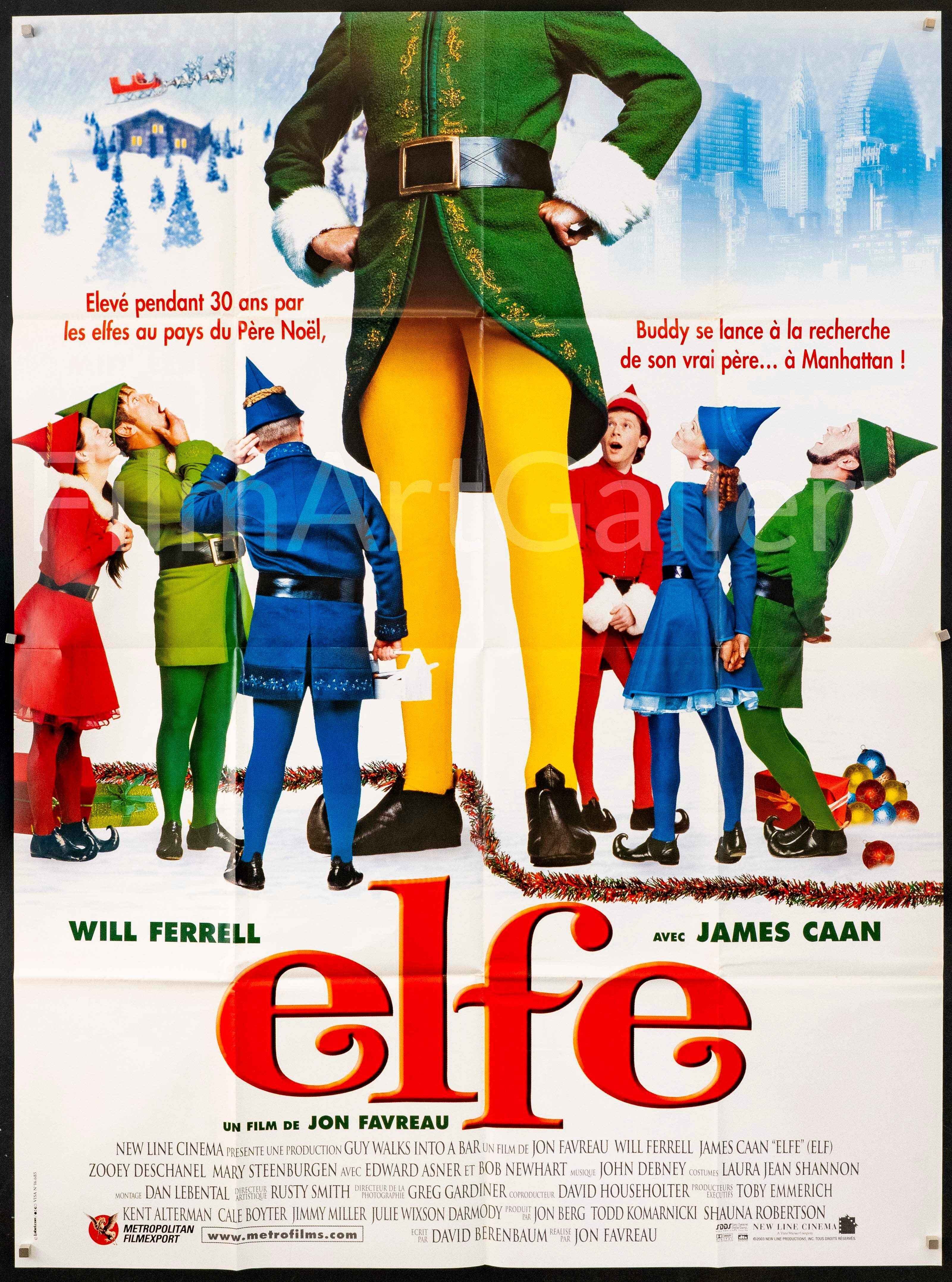
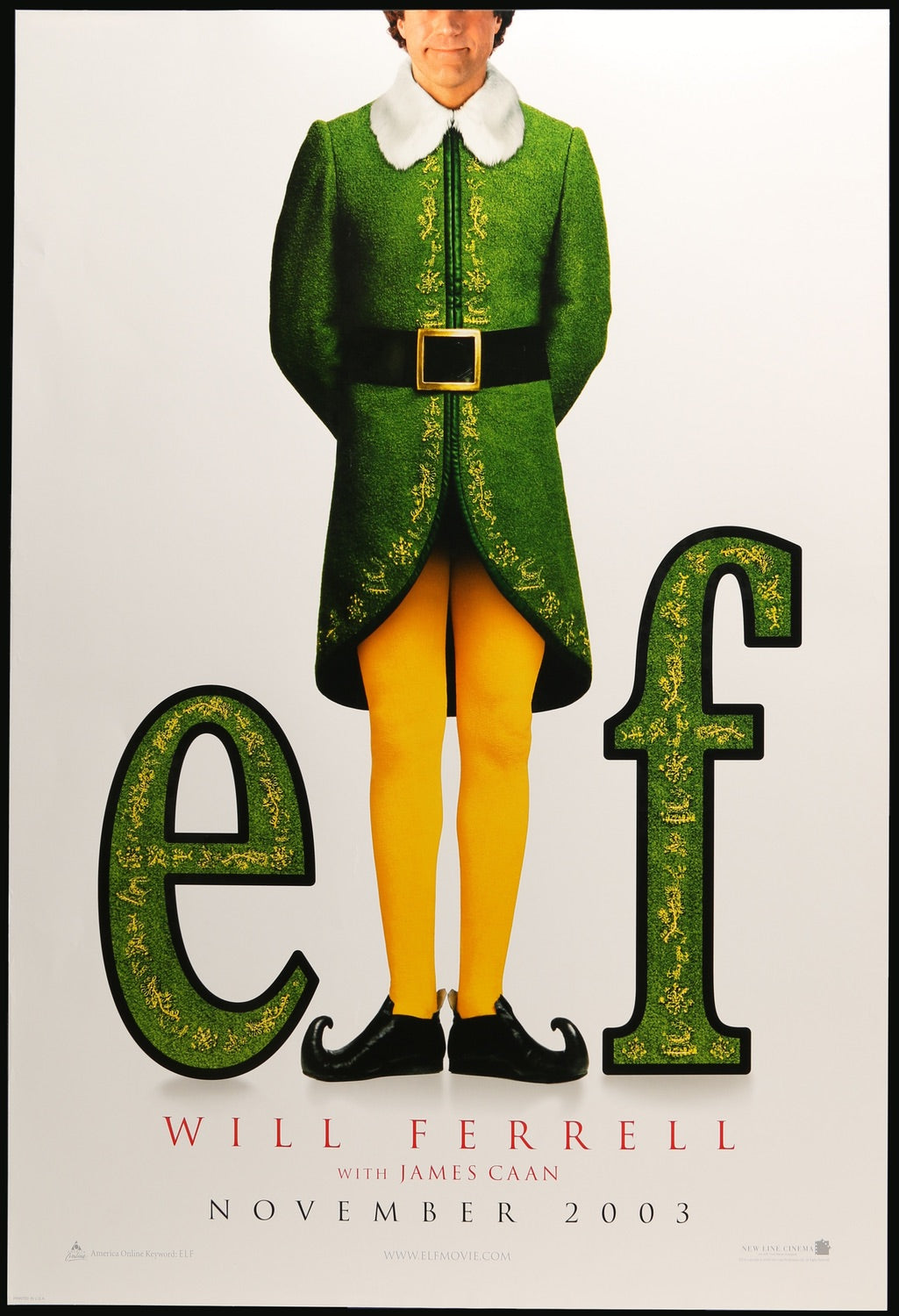
The 2003 holiday film Elf was directed by Jon Favreau. Starring Will Ferrell as Buddy the Elf, the production marked a significant milestone in Favreau’s career, transitioning him from an actor-writer into a prominent big-budget feature film director. The movie is widely recognized for its blend of practical effects and comedic heart, helping it cement its place as a staple of contemporary Christmas cinema.
Contents
Jon Favreau: The Director’s Path to Elf
Before stepping behind the camera for Elf, Jon Favreau was primarily known as an actor and screenwriter, most notably for the 1996 film Swingers. While he had directed the 2001 film Made, Elf represented a massive step forward in scale and genre. The project, written by David Berenbaum, came to Favreau at a time when he was looking to distinguish himself as a versatile filmmaker.
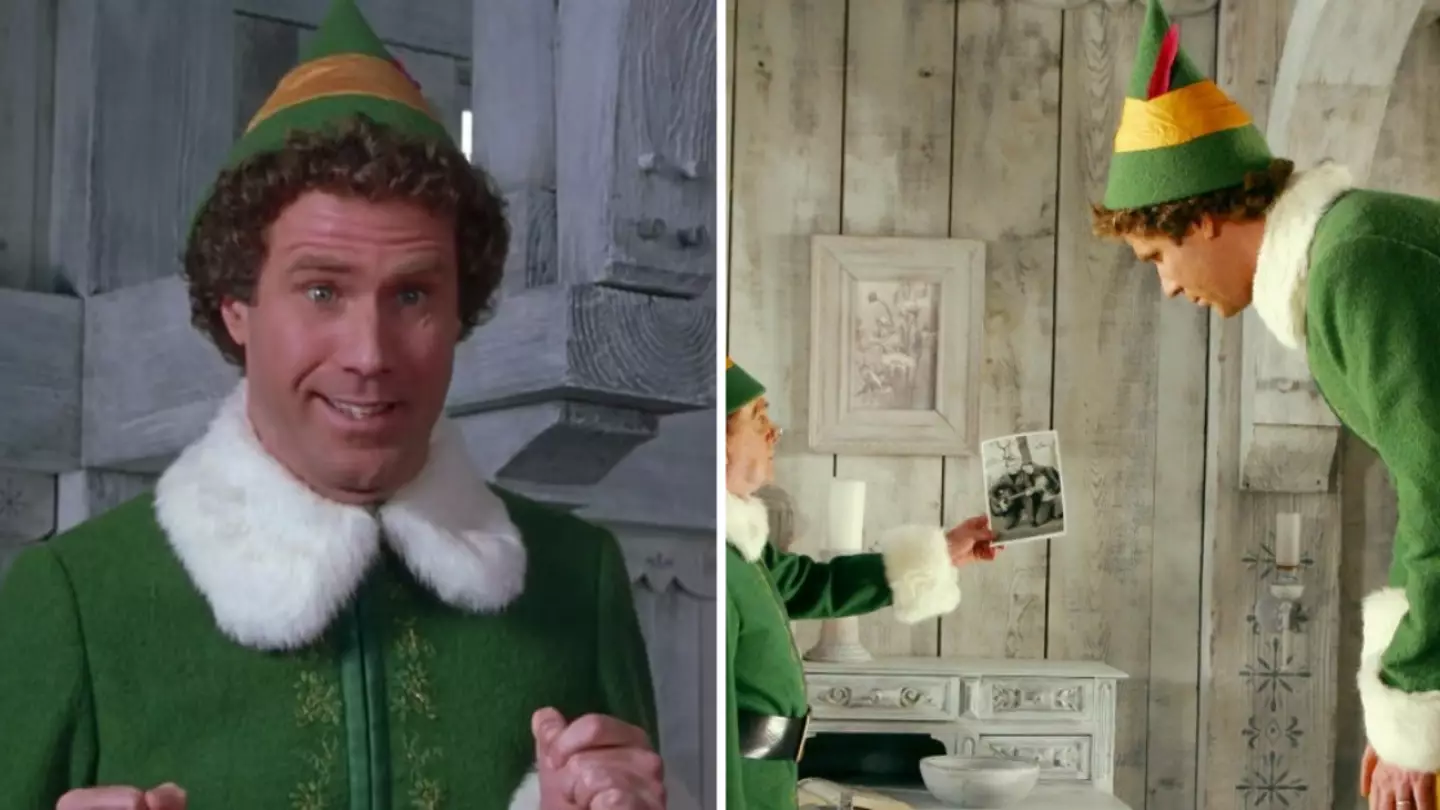
Favreau’s approach to Elf was defined by a commitment to "old-school" filmmaking. He famously insisted on using practical effects rather than digital animation to capture the whimsical aesthetic of the North Pole. This decision was deliberate, intended to evoke the stop-motion charm of the classic Rankin/Bass holiday specials, such as Rudolph the Red-Nosed Reindeer. By utilizing forced perspective—a camera technique that makes objects or people look smaller or larger than they are—Favreau and his team were able to create the illusion that Buddy was significantly smaller than the elves in the North Pole scenes without relying on modern CGI.
Creative Vision and Production Choices
The direction of Elf was influenced by a desire to balance sardonic humor with genuine, unironic holiday cheer. During the production, Favreau had to navigate the challenge of creating a film that could resonate with both children and adults. The script, which featured a human raised by elves at the North Pole who journeys to New York City to find his biological father, provided a canvas for this juxtaposition.
Favreau’s direction emphasized Will Ferrell’s physical comedy. By grounding the absurdity of the "fish out of water" narrative in authentic New York City locations—such as the Rockefeller Center and various streets in Manhattan—the film avoided feeling like a sterile studio production. This groundedness was a recurring theme in Favreau’s later work, including his direction of major blockbusters like Iron Man (2008), where he prioritized character-driven moments over purely spectacle-based storytelling.
Comparison of Key Directorial Efforts
To understand Favreau’s range, it is helpful to look at how Elf fits into his broader body of work. His ability to handle ensemble casts and integrate visual effects evolved significantly following his success with this holiday project.
| Film | Release Year | Genre | Directorial Focus |
|---|---|---|---|
| Made | 2001 | Crime/Comedy | Character chemistry and dialogue |
| Elf | 2003 | Holiday/Comedy | Practical effects and physical comedy |
| Zathura | 2005 | Sci-Fi/Adventure | Practical effects and suspense |
| Iron Man | 2008 | Superhero | Character arcs and world-building |
| The Lion King | 2019 | Animation/Musical | Cutting-edge CGI and immersion |
This table illustrates the progression from smaller, character-focused indie films to high-budget, effects-heavy studio productions. Elf served as a crucial bridge, proving that Favreau could maintain a human touch while utilizing complex production techniques.
Why the Direction Remains Significant in 2026
In 2026, Elf is frequently analyzed for how it effectively modernized the holiday movie genre. Many films in the early 2000s relied heavily on emerging digital tools, but Favreau’s insistence on a tactile, handcrafted look has arguably helped the movie age more gracefully than many of its contemporaries.
The direction also influenced how studios approached Christmas films in the following decades. The success of Elf demonstrated that a well-directed, performance-heavy comedy could be a reliable "perennial"—a film that generates revenue and viewership every single year during the holiday season. The specific directorial choices, such as the color palette (heavy on neon greens and bright reds) and the pacing of Ferrell’s performance, continue to be referenced in modern holiday cinema.
Frequently Asked Questions About the Direction of Elf
Was Jon Favreau the first choice to direct Elf?
No, the film went through a long period of development before reaching Favreau. It spent several years in "development hell," with various writers and directors attached at different stages. Favreau was brought on board when the studio sought a director who could bring a specific vision to the script, which he successfully transformed into the final version.
Did Jon Favreau appear in the movie?
Yes, Jon Favreau makes a cameo appearance in Elf. He plays the role of Dr. Leonardo, a pediatrician who examines Buddy the Elf when he comes to see his biological father, Walter Hobbs (played by James Caan). His cameo is a subtle nod to his background as a comedic actor.
What kind of camera techniques did Favreau use?
As mentioned, the most significant technique was the use of forced perspective. By placing Will Ferrell closer to the camera and the actors playing the elves further away, Favreau created the visual disparity in size. He combined this with oversized sets to make the world look authentic to Buddy’s perspective without using green screens.
Did the director contribute to the script?
While David Berenbaum is the primary screenwriter, Jon Favreau was heavily involved in shaping the narrative. He worked on refining the dialogue to better fit Will Ferrell’s improvisational style and ensured that the "New York" portion of the film felt like a true, albeit heightened, version of the city.
How did the success of Elf impact Favreau’s career?
The massive box-office and critical success of Elf established Favreau as a viable director for high-stakes projects. It provided him with the credibility to move into the superhero genre. Without the success of this film, it is unlikely that Marvel Studios would have entrusted him with the direction of Iron Man only five years later.
Next Steps for Film Enthusiasts
If you are interested in the directorial style of Jon Favreau, a great next step is to watch the film with the director’s commentary track enabled. It offers a detailed breakdown of the logistical hurdles his team faced during the 2003 shoot, particularly regarding the practical effects. Additionally, comparing the cinematography of Elf to his later works, such as The Mandalorian or The Lion King, provides a fascinating look at how a director adapts their style to evolving technology while maintaining core storytelling sensibilities.
Image Gallery