Understanding Cash Value Life Insurance: A Comprehensive Analysis
Cash value life insurance is a permanent policy—such as whole, universal, or variable life—that provides both a death benefit and an integrated savings component. Policyholders pay premiums that cover insurance costs and contribute to...
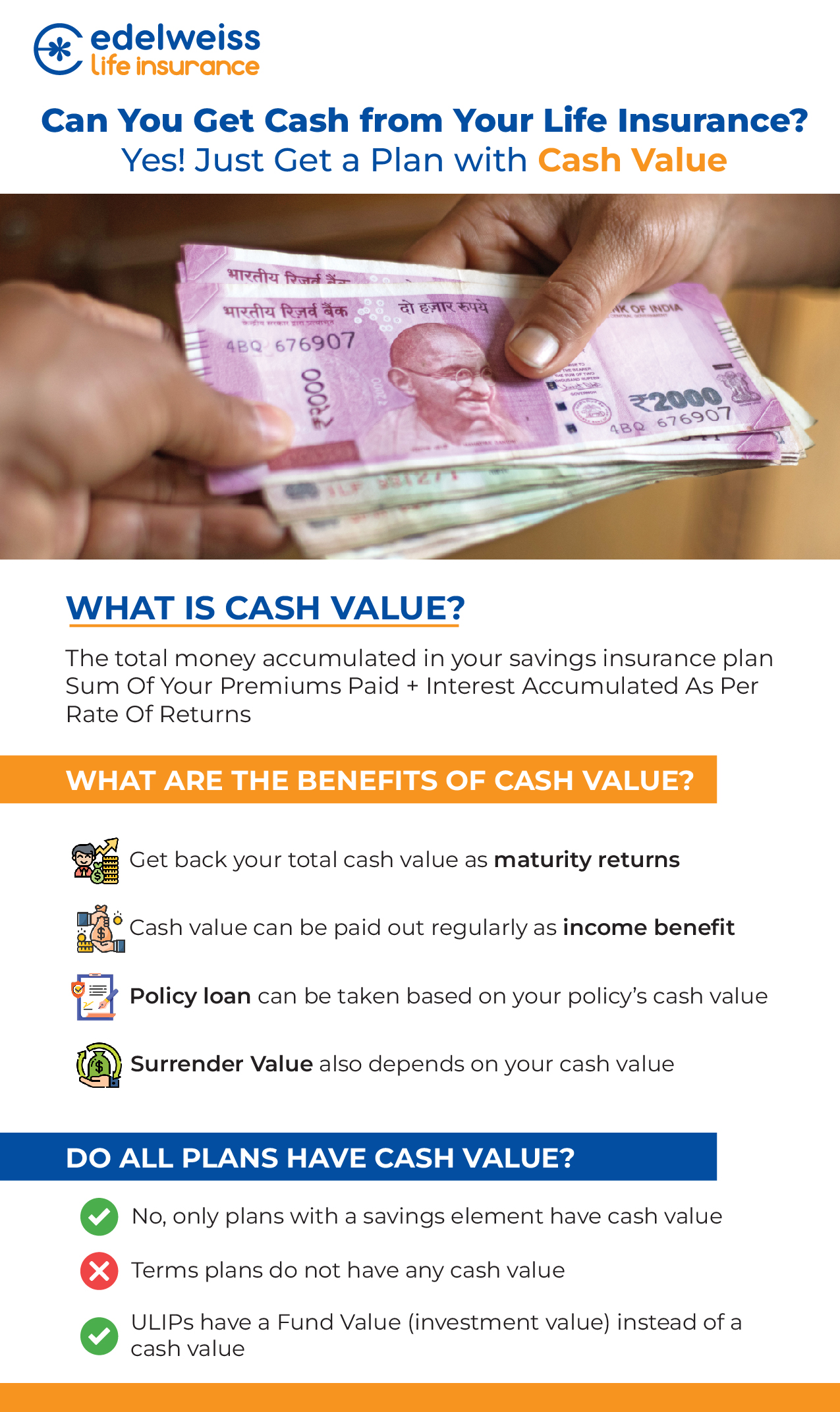
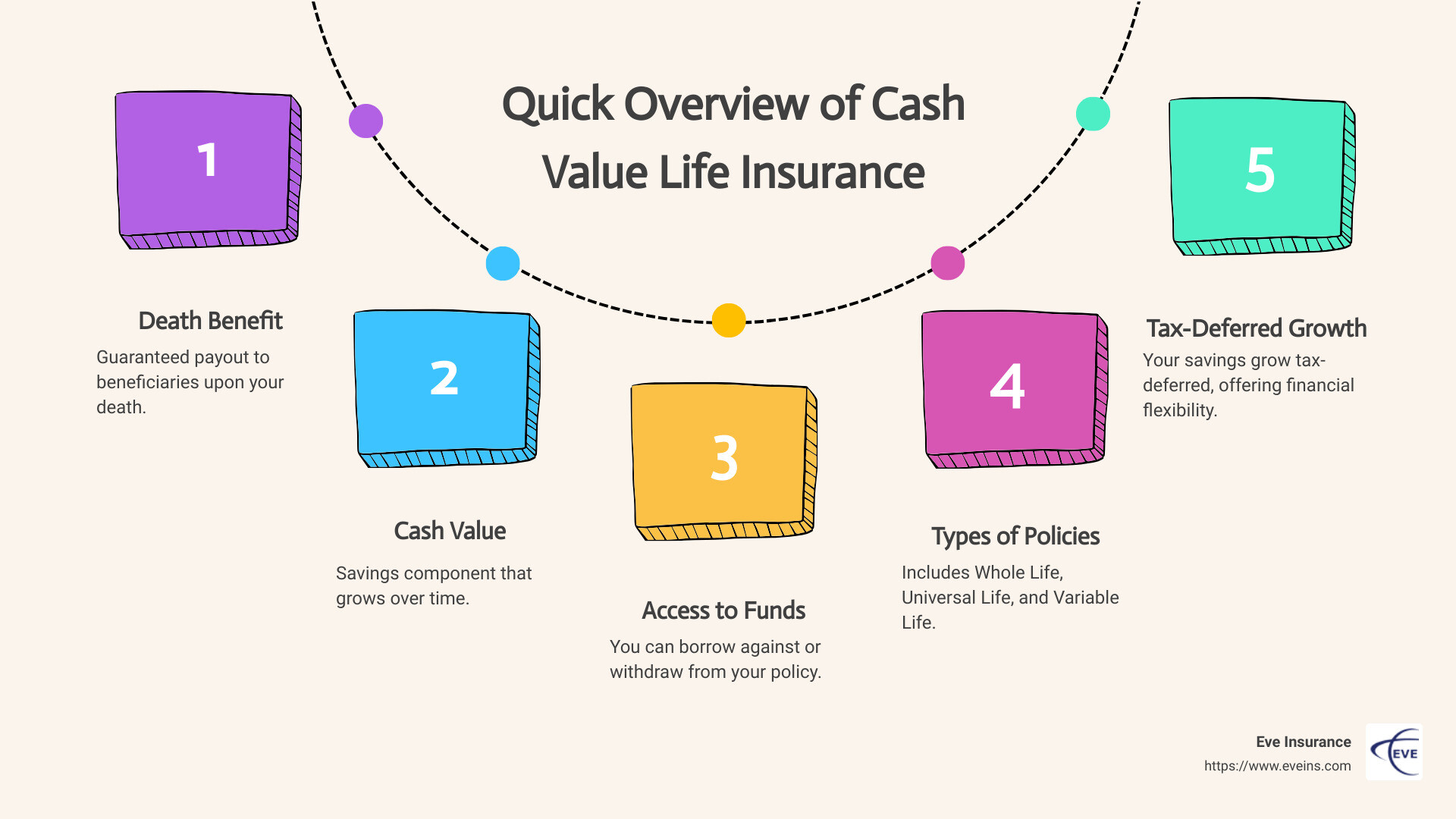
Cash value life insurance is a permanent policy—such as whole, universal, or variable life—that provides both a death benefit and an integrated savings component. Policyholders pay premiums that cover insurance costs and contribute to a tax-deferred investment account, which grows over time, allowing access to funds via loans or withdrawals during the insured’s lifetime.
Contents
The Mechanics of Cash Value Growth
To understand the utility of cash value life insurance, one must first distinguish it from term life insurance. Term insurance is purely protection-based, expiring after a set period with no residual value. In contrast, permanent insurance is designed to last the duration of the insured’s life, provided premiums are paid.
A portion of the premium in a permanent policy is directed toward the "cash value" account. The growth mechanism depends heavily on the type of policy:
- Whole Life: Features fixed premiums and a guaranteed rate of return set by the insurer. It is the most conservative and predictable form of cash value accumulation.
- Universal Life: Offers more flexibility. Premiums and death benefits can often be adjusted, and the cash value earns interest based on current market rates, usually subject to a guaranteed minimum floor.
- Variable Life: Ties the cash value to sub-accounts similar to mutual funds. This provides the highest potential for growth but also introduces market risk, as the cash value can fluctuate significantly based on investment performance.
The tax-advantaged nature of this growth is a primary driver for many policyholders. As long as the policy remains in force, the earnings within the cash value account are generally not subject to annual income taxes.
Accessing Your Cash Value
One of the most discussed features of cash value life insurance is the ability to access funds before death. This is typically achieved through two primary methods: policy loans or partial surrenders.
- Policy Loans: You borrow against the cash value of the policy. The insurance company acts as the lender, using your policy’s cash value as collateral. Because you are borrowing against your own equity, the loan does not require a credit check or approval process. Interest is charged on these loans, but often at favorable rates. If the loan is not repaid before the insured dies, the outstanding balance plus interest is deducted from the death benefit.
- Partial Surrenders: This involves permanently withdrawing a portion of the cash value. Unlike loans, surrenders do not require repayment. However, they can permanently reduce the death benefit and potentially trigger tax consequences if you withdraw more than the "basis" (the total amount of premiums you have paid into the policy).
Comparison of Permanent Insurance Structures
| Feature | Whole Life | Universal Life | Variable Life |
|---|---|---|---|
| Premium Cost | High, Fixed | Flexible | Flexible |
| Growth Potential | Low/Conservative | Moderate | High (Market Dependent) |
| Risk Level | Minimal | Low/Moderate | High |
| Flexibility | Rigid | High | High |
| Guarantees | Death Benefit & Cash Value | Death Benefit (with conditions) | None |
Evaluating the Financial Case: Pros and Cons
When forming an opinion on cash value life insurance, it is essential to weigh the trade-offs.
The Advantages:
- Lifetime Protection: Unlike term life, these policies do not expire at the end of a specific window.
- Asset Diversification: For high-net-worth individuals, the cash value represents a non-correlated asset class that can provide liquidity during market downturns.
- Estate Planning: The death benefit is often paid out income-tax-free to beneficiaries, which can be a powerful tool for transferring wealth.
- Creditor Protection: In many jurisdictions, the cash value of a life insurance policy is protected from creditors and legal judgments.
The Limitations:
- High Initial Costs: Premiums for cash value policies are significantly higher than term insurance. A substantial portion of early premiums goes toward administrative fees and agent commissions, meaning it can take years for the cash value to equal the total premiums paid.
- Complexity: Managing these policies requires diligence. If the policy is not funded correctly or if excessive loans are taken, the policy can "lapse," creating a massive tax bill because the outstanding loans may be treated as taxable income.
- Opportunity Cost: Many financial critics argue that if a consumer purchased cheaper term insurance and invested the difference in low-cost index funds, they would end up with a higher net worth over the long term.
Determining Suitability
Cash value life insurance is not a one-size-fits-all product. It is most effective for specific financial scenarios, such as:
- Business Continuity: Funding buy-sell agreements where the policy provides the necessary liquidity to purchase a deceased partner's interest.
- Tax-Efficient Wealth Transfer: Families looking to leave a legacy while minimizing the impact of estate taxes.
- High Earners: Individuals who have already maximized their contributions to 401(k)s, IRAs, and other tax-advantaged accounts and are seeking additional, stable tax-deferred vehicles.
Common Pitfalls to Avoid
A frequent mistake is viewing cash value insurance primarily as an investment vehicle. While it has an investment component, the primary purpose is the death benefit. Misalignment of these goals often leads to buyers' remorse.
Furthermore, prospective buyers should pay close attention to the "illustration" provided by agents. Illustrations are projections, not guarantees (except in the case of guaranteed whole life). Relying on an "optimistic" scenario for a variable or universal life policy can lead to a shortfall in cash value later in life, forcing the policyholder to pay higher premiums or face policy termination. Always request a "guaranteed" scenario to understand the worst-case, bare-minimum performance of the policy.
Frequently Asked Questions
Is cash value life insurance a good investment? It is generally viewed as an insurance product with an internal savings feature rather than an investment product like a stock or bond. While the cash value grows, the primary benefit is the death benefit and the tax-advantaged access to liquidity. It should be evaluated based on its utility in a holistic financial plan.
Can I lose my cash value if the market crashes? This depends on the policy type. In a whole life policy, your cash value growth is largely insulated from market volatility. In a variable life policy, your cash value is directly tied to the performance of the sub-accounts you choose, meaning it can decrease during market downturns.
What happens if I stop paying premiums? Depending on the policy's accumulated cash value, the insurer may use the cash value to pay the premiums automatically (a feature called "non-forfeiture options"). Once the cash value is exhausted, however, the policy will lapse, and the coverage will terminate.
Are life insurance loans taxable? Typically, no. Loans taken against your policy are generally not considered taxable income because they are classified as debt. However, if the policy lapses while a loan is outstanding, the IRS may treat the forgiven debt as income, potentially leading to a significant tax event.
How do I verify the financial health of an insurance company? Always check the company's financial strength ratings from independent agencies such as AM Best, Moody’s, or Standard & Poor’s. These ratings assess an insurer's ability to pay future claims and honor the long-term guarantees embedded in your policy.
Strategic Recommendation
If you are considering a cash value life insurance policy, prioritize your long-term goals over short-term returns. Begin by obtaining a "ledger" that outlines both the guaranteed and non-guaranteed projections for at least 20–30 years. Consult with a fee-only financial planner who is not incentivized by the commission of the policy sale to ensure the product aligns with your broader tax and estate strategy. If you do not have a specific need for permanent protection or the high tax-deferral capacity this product offers, you may find that simpler financial instruments provide superior results for your specific circumstances.
Image Gallery