Understanding the Average Cost of a $1 Million Life Insurance Policy
A $1 million life insurance policy typically costs between $35 and $55 per month for a healthy 30-year-old purchasing a 20-year term policy. However, actual premiums depend heavily on age, gender, tobacco use, overall health status, po...
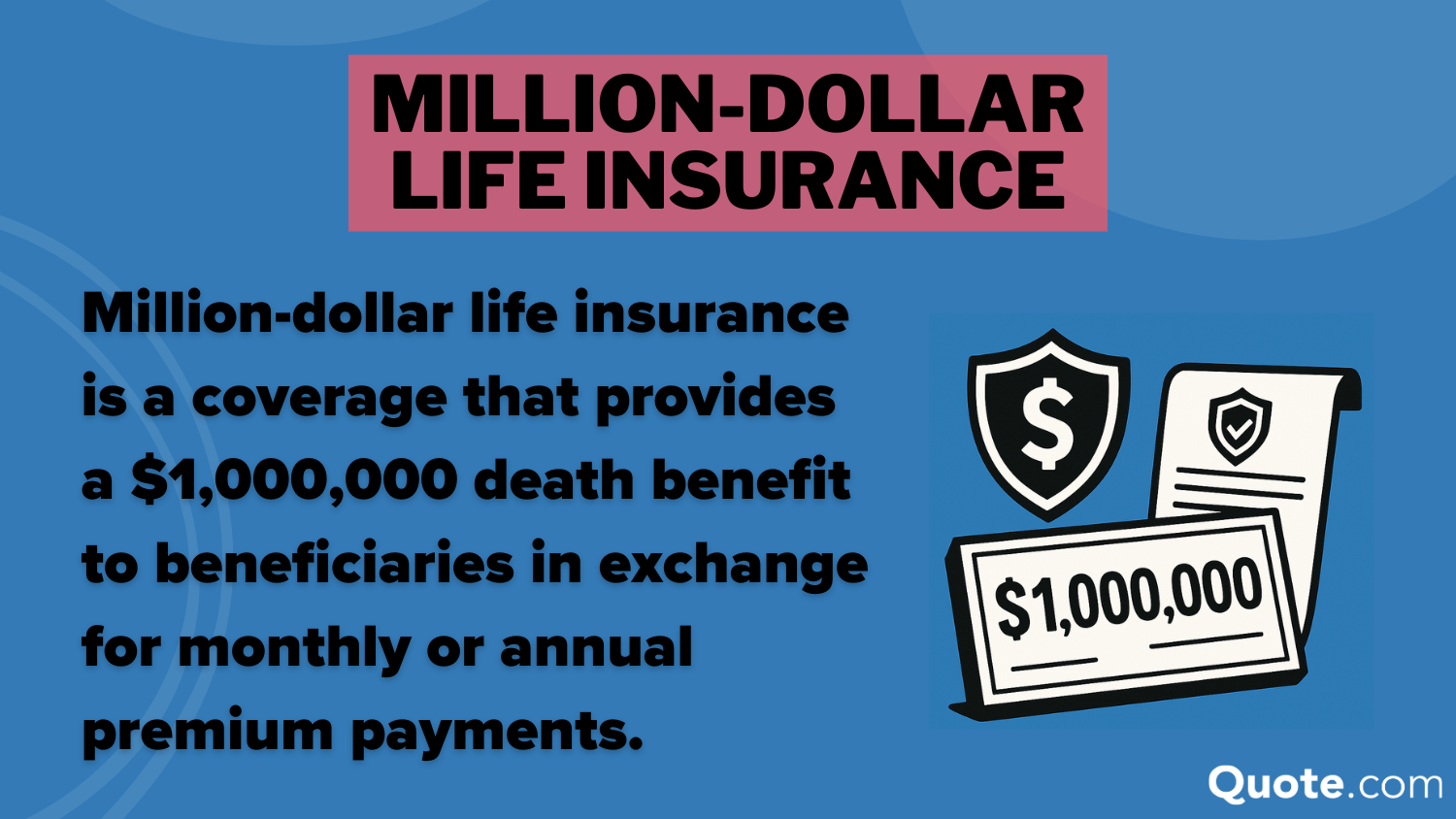
A $1 million life insurance policy typically costs between $35 and $55 per month for a healthy 30-year-old purchasing a 20-year term policy. However, actual premiums depend heavily on age, gender, tobacco use, overall health status, policy type, and term length, with costs rising significantly for older applicants or permanent coverage.
Contents
Why Choose a $1 Million Life Insurance Policy?
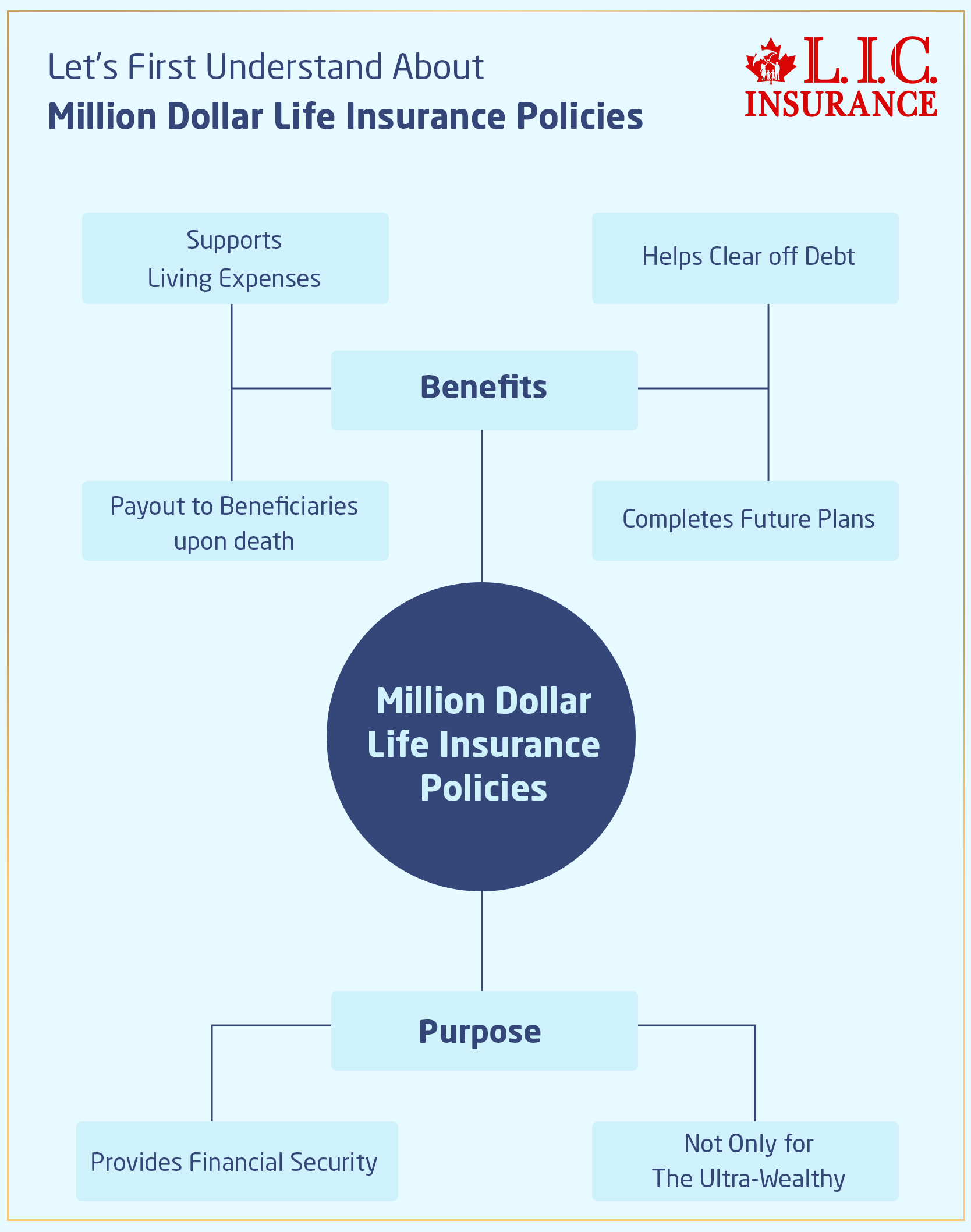
A seven-figure death benefit sounds like a substantial sum, but for many households, $1 million is a practical baseline rather than an excessive safety net. Financial planners frequently recommend maintaining coverage equal to 10 to 12 times an individual's annual gross income. For a wage earner making $80,000 to $100,000 annually, a $1 million policy aligns directly with standard financial protection strategies.
When evaluating whether $1 million in coverage is appropriate, families must consider several major financial obligations:
- Income Replacement: Replacing 10 to 20 years of lost wages to maintain the household's current standard of living, pay utilities, and cover routine living expenses.
- Mortgages and Long-Term Debt: Clearing a home mortgage, auto loans, credit cards, or personal debt, ensuring surviving dependents remain housing-secure.
- Future Education Expenses: Funding higher education costs for children, which can easily exceed six figures per child when accounting for tuition, room, and board.
- Final Expenses and Estate Settlement: Covering immediate funeral expenses, legal fees, probate costs, and potential estate taxes.
- Business Obligations: Funding buy-sell agreements, key-person transition costs, or outstanding business loans for entrepreneurs and business partners.
Note: The financial calculations and rate estimates provided in this guide are for informational purposes only. Individual quotes depend on specific insurer underwriting guidelines, location, and individual medical evaluations. Consult a licensed life insurance agent or fee-only financial planner for personalized advice.
Average Cost Benchmarks for a $1 Million Term Life Policy
Term life insurance remains the most cost-effective way to secure $1 million in coverage. Under a term policy, premiums remain level for a fixed duration—typically 10, 15, 20, or 30 years. If the insured passes away during the term, the policy pays the full $1 million death benefit to designated beneficiaries tax-free.
Age is the single primary factor in determining insurance pricing. Because mortality risk increases each year, securing coverage earlier locks in lower rates for the entirety of the selected term.
Average Monthly Premiums by Age and Gender (20-Year Term)
The following table reflects average monthly premium estimates for non-smokers in the "Preferred" health tier for a $1,000,000, 20-year term life policy.
| Age at Application | Female Monthly Premium | Male Monthly Premium |
|---|---|---|
| 20 Years Old | $24 – $30 | $28 – $36 |
| 30 Years Old | $32 – $42 | $40 – $52 |
| 40 Years Old | $55 – $72 | $70 – $92 |
| 50 Years Old | $145 – $190 | $205 – $270 |
| 60 Years Old | $460 – $610 | $640 – $850 |
Data reflects general industry averages for top-rated carriers in 2026. Rates assume standard underwriting approval without major pre-existing medical conditions.
How Term Length Influences $1M Premiums
The length of the policy term directly affects total carrier risk. A 30-year term carries higher mortality risk for the insurer than a 10-year term, resulting in higher monthly premiums. The table below illustrates how term selection impacts premiums for a healthy 35-year-old applicant seeking $1 million in coverage.
| Term Duration | Female Monthly Premium | Male Monthly Premium |
|---|---|---|
| 10-Year Term | $25 – $32 | $30 – $38 |
| 15-Year Term | $30 – $38 | $36 – $46 |
| 20-Year Term | $42 – $54 | $52 – $68 |
| 30-Year Term | $68 – $88 | $88 – $115 |
Term vs. Permanent Life Insurance for $1 Million
While term life insurance covers a specific period, permanent life insurance—such as whole life or universal life—provides lifetime coverage as long as premiums are paid, while also incorporating a tax-deferred cash value component.
Because permanent insurance guarantees a death benefit payout regardless of when the policyholder dies (provided the policy remains in force), the cost structure is vastly higher than term insurance.
| Policy Type | Monthly Premium |
|---|---|
| Term Life Policy (20-Year Term, Age 35) | $45 - $60 / month |
| Whole Life Policy (Permanent, Age 35) | $700 - $1,100 / month |
Key Differences Between Term and Whole Life for $1M
- Cost Differential: A $1 million whole life policy for a healthy 35-year-old can cost between $700 and $1,100 per month—roughly 12 to 20 times the cost of a 20-year term policy for the same individual.
- Cash Value Building: Whole life policies allocate a portion of each premium payment toward an internal cash value account, which grows at a guaranteed rate or variable dividend rate. Term policies have zero cash value; they represent pure risk protection.
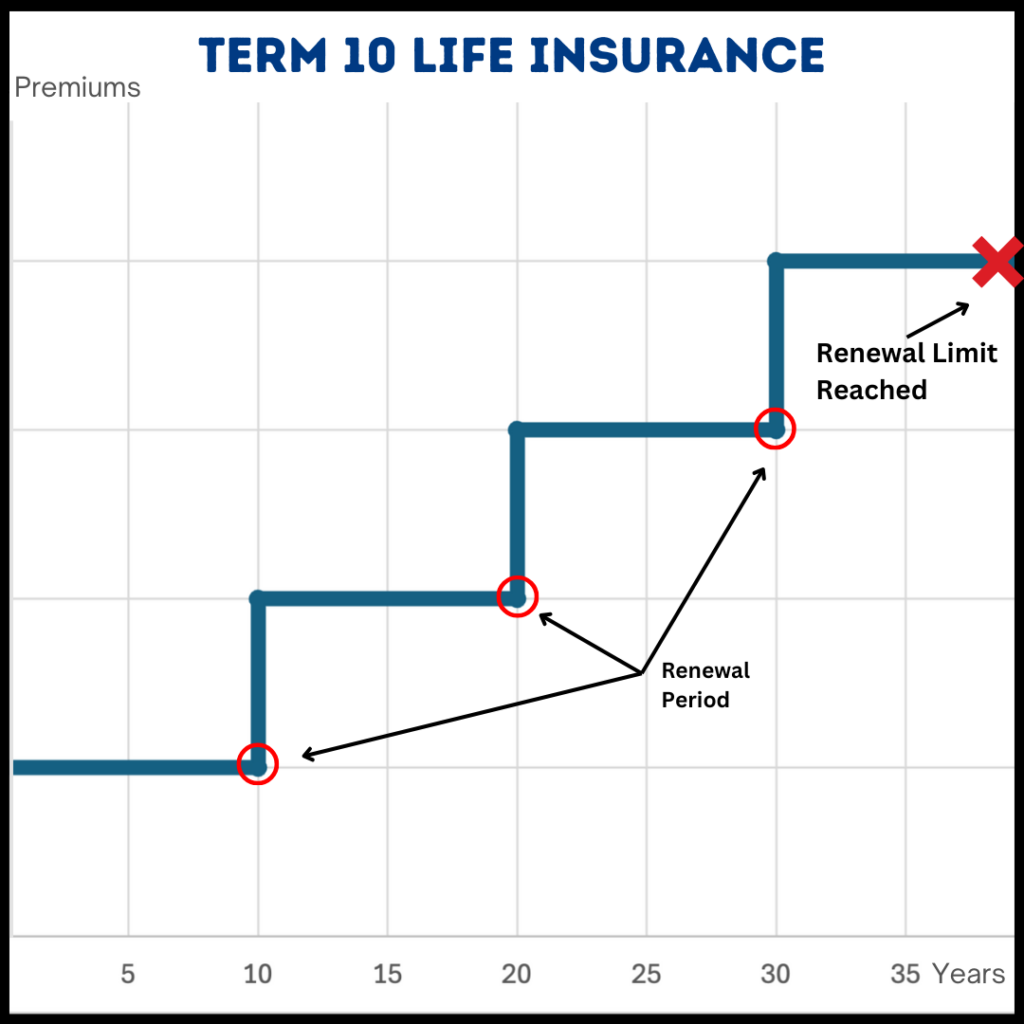
- Duration: Term policies expire at the end of the term (e.g., after 20 years). If you outlive the term, coverage terminates unless renewed at much higher annual rates. Whole life policies remain active until age 100 or 121, assuming premiums are fully maintained.
- Target Use Case: Term life is usually best suited for replacing income during working years, covering a mortgage, or supporting children until adulthood. Whole life is primarily utilized for permanent estate planning, funding special needs trusts, or managing complex business transitions.
Underwriting Risk Classes and Rate Impacts
Insurers do not charge everyone the same rate. Life insurance underwriters evaluate personal medical history, family genetics, lifestyle, and financial profile to place applicants into specific risk tiers. Understanding these classifications helps explain why two people of the same age might receive vastly different rate offers for a $1 million policy.
Common Underwriting Tiers
- Preferred Plus (Super Preferred): Applicants in exceptional health, with optimal body mass index (BMI), ideal blood pressure and cholesterol levels, no personal or family history of major disease, and no high-risk hobbies. They receive the lowest available rates.
- Preferred: Applicants in excellent health who may have minor, well-controlled health metrics (such as slightly elevated cholesterol managed by medication) or a minor family history of late-onset conditions.
- Standard Plus: Applicants in above-average health who carry minor health concerns, such as slightly elevated BMI or mild hypertension.
- Standard: Applicants of average health and average life expectancy. They may manage moderate health conditions like type 2 diabetes, elevated blood pressure, or non-cardiovascular medical conditions.
- Substandard (Table Ratings): Applicants with significant medical histories or chronic conditions. Insurers assign "Table Ratings" (e.g., Table A through Table H), adding a 25% premium surcharge per table step above Standard rates.
The Impact of Tobacco and Nicotine Use
Tobacco use is the single most expensive risk factor in life insurance underwriting. Smokers pay two to four times more for a $1 million policy than non-smokers due to documented medical risk factors.
For example, a healthy 40-year-old male non-smoker might pay $75 per month for a 20-year, $1M term policy. The same 40-year-old male who smokes cigarettes or uses nicotine products will typically pay $250 to $350 per month for identical coverage.
To qualify for non-smoker rates, most life insurance carriers require an applicant to be entirely free of cigarettes, cigars, chewing tobacco, e-cigarettes, vaping products, and nicotine replacement therapies for at least 12 consecutive months.
Primary Factors Shaping Your $1M Life Insurance Rate
When applying for $1 million in life insurance, underwriters review detailed data points to establish mortality risk.
- Key Underwriting Factors:
- Medical Profile
- BMI/Weight
- Blood Pressure
- Cholesterol
- Family History
- Lifestyle/Habits
- Tobacco Use
- Aviation
- Extreme Sports
- Foreign Travel
- Personal Factors
- Current Age
- Gender at Birth
- Driving Record
- Criminal Hist.
- Medical Profile
1. Age and Biological Sex
Age is the primary metric of mortality statistics. Rates rise by roughly 8% to 12% for each year you wait to purchase a policy. Sex assigned at birth is equally influential: women have a longer average life expectancy than men, allowing them to secure lower premiums for identical coverage face amounts.
2. Medical Metrics and Lab Results
Underwriters review vital health indicators, including blood pressure readings, lipid panels, fasting blood glucose, kidney function, and liver enzyme levels. Controlled conditions (such as managed hypothyroidism or hypertension) often permit "Preferred" or "Standard Plus" status, whereas uncontrolled metrics lead to lower risk tiers or rated policies.
3. Family Health History
Insurers look closely at cardiovascular disease, stroke, or cancer diagnosed in parents or siblings before age 60. A strong family history of early-onset disease can prevent an applicant from securing "Preferred Plus" classification, even if the applicant currently exhibits perfect personal health.
4. High-Risk Occupations and Hobbies
Certain professions and recreational pursuits carry higher risk profiles. Commercial pilots, structural steel workers, scuba divers diving below standard recreational limits, rock climbers, and private aviators may face specialized flat-extra fees (e.g., an extra $2.50 to $5.00 per $1,000 of coverage annually) or exclusion riders.
5. Motor Vehicle Record and Personal Background
Insurers review your Motor Vehicle Record (MVR) through state departments of motor vehicles. Multiple moving violations, reckless driving charges, or recent driving-under-the-influence (DUI) convictions significantly elevate rates or result in application postpone/decline decisions. Background checks also evaluate felony convictions or major financial instability, such as active bankruptcy proceedings.
Fully Underwritten vs. No-Exam $1M Policies
Historically, securing a $1 million life insurance policy required a formal paramedical exam involving a physical measurement check, blood draw, urine sample collection, and occasionally an electrocardiogram (ECG). Modern underwriting offers streamlined pathways for qualified applicants.
Accelerated Underwriting (No-Exam)
Many top-tier insurance companies offer accelerated underwriting for $1 million policies. These process algorithms leverage real-time data sources—including prescription history databases, credit-based insurance scores, public records, motor vehicle records, and Medical Information Bureau (MIB) reports—to assess risk within days without a physical medical exam.
- Pros: Fast approval (often within 24 to 72 hours), convenient, no needle sticks or blood draws.
- Cons: Limited to younger, healthier applicants (typically ages 18 to 50 or 60). If algorithmic data indicates elevated risk, the application is transferred back to traditional medical underwriting.
- Pricing: Competitive accelerated underwriting programs offer the exact same pricing tiers as traditional fully underwritten policies.
Traditional Full Underwriting
If an applicant falls outside age or health parameters for accelerated processing, traditional underwriting applies. A paramedical examiner visits the applicant's home or workplace at no charge to perform the health exam.
- Pros: Allows applicants with mild-to-moderate chronic conditions or complex medical histories to provide full diagnostic context, increasing approval odds.
- Cons: Longer processing timeframe, usually taking 3 to 6 weeks from application submission to policy delivery.
Step-by-Step Process to Secure $1 Million in Coverage
To obtain $1 million in life insurance efficiently and cost-effectively, follow this logical progression:
- Step 1: Calculate Need
- Step 2: Compare Quotes
- Step 3: Submit Application
- Step 4: Medical Review
- Step 5: Underwriting
- Step 6: Policy Issue
Step 1: Confirm Your Coverage Horizon and Policy Type
Determine how long you need the $1 million protection. If you have a 20-year mortgage and young children, a 20-year or 25-year term policy aligns with your obligations. If you have permanent business obligations or estate planning needs, explore permanent coverage options.
Step 2: Gather Medical and Personal Information
Compile your personal health details, including current prescription names and dosages, contact information for primary care physicians, and family medical background. Knowing your recent blood pressure and cholesterol numbers streamlines the initial quote phase.
Step 3: Work with an Independent Broker to Compare Quotes
Avoid applying with a single "captive" insurance company that only sells its own proprietary products. Independent insurance brokers represent dozens of carriers, allowing them to scan the broader market to find the specific insurer that views your individual health profile most favorably.
Step 4: Complete the Application and Underwriting Requirements
Submit your formal application accurately and truthfully. Misrepresenting tobacco use, medical conditions, or dangerous activities on an application constitutes insurance fraud and can empower the insurer to contest and deny a claim during the two-year contestability period.
Step 5: Review Policy Documents and Assign Beneficiaries
Once approved, review the formal policy contract. Verify the term duration, monthly premium, conversion options, and beneficiary designations (primary and contingent beneficiaries).
Step 6: Pay the First Premium to Effectuate Coverage
Coverage does not take effect until the first premium payment is processed and accepted by the insurance carrier. Once completed, store physical and digital copies of your policy contract in a secure location accessible by your designated beneficiaries or estate executor.
Common Pitfalls to Avoid When Buying $1 Million Policies
- Waiting Too Long to Apply: Every year you delay increases baseline premiums by 8% to 12%. Developing an unexpected medical condition while waiting can dramatically increase costs or render you uninsurable.
- Overlooking the Conversion Option: Ensure your term policy includes a term conversion rider. This feature permits you to convert all or part of your $1 million term coverage into a permanent whole life policy later in life without undergoing a new medical exam or proving insurability.
- Naming Minor Children Directly as Beneficiaries: Life insurance carriers cannot legally distribute cash death benefits directly to minor children. Doing so forces court intervention to appoint a legal guardian, causing delays and unnecessary legal fees. Instead, set up a trust or name an adult custodian under state Uniform Transfers to Minors Act (UTMA) guidelines.
- Assuming Work Coverage Is Sufficient: Employer-sponsored group life insurance typically offers 1x to 2x your annual salary (e.g., $100,000 to $200,000). Group policies rarely reach $1 million, and coverage usually terminates if you change employers or leave the workforce.
Frequently Asked Questions
Is $1 million in life insurance too much coverage?
For most working families and primary wage earners, $1 million is not excessive. When accounting for 10 to 15 years of lost salary, mortgage balances, consumer debt, and post-secondary education costs, a $1 million payout quickly dissolves into practical household expenses over time.
Can I get a $1 million life insurance policy without a medical exam?
Yes. Healthy applicants up to age 50 or 60 can frequently qualify for $1 million in term life coverage through accelerated underwriting without a medical exam, blood draw, or urine sample, provided their digital health and medical records show low risk.
Are life insurance death benefits taxable to beneficiaries?
Under Section 101(a) of the Internal Revenue Code, life insurance death benefit proceeds paid to beneficiaries are generally exempt from federal income taxation. However, interest earned if the beneficiary chooses to delay payout disbursements is taxable as ordinary income.
What happens when a 20-year term $1 million policy expires?
When the 20-year term ends, the level premium rate structure expires. Policyholders can typically choose to drop coverage, convert the policy to permanent whole life (if a conversion rider is active), or renew the policy annually at non-level guaranteed rates, which rise sharply each year due to advanced age.
How does smoking affect the cost of a $1 million policy?
Tobacco use increases life insurance premiums by 200% to 400%. A 35-year-old non-smoker might pay $45 monthly for a $1 million 20-year term policy, whereas a smoker of the same age will pay between $150 and $220 monthly for identical coverage.
Final Recommendation
Securing a $1 million life insurance policy is one of the most effective ways to establish financial security for your dependents. For the average healthy adult in their 20s, 30s, or 40s, high-value term coverage remains remarkably affordable, often costing less than two dollars per day.
To get the best possible value:
- Determine the necessary term length based on your youngest child's age or the remaining years on your home mortgage.
- Apply while young and healthy to lock in low baseline rates for decades.
- Compare quotes across multiple top-rated insurers through an independent broker to identify the company that offers the best underwriting tier for your health profile.
Image Gallery