Understanding the History and Status of the Jeffrey Epstein House on Little St. James Island
The Jeffrey Epstein house on Little St. James, a private island in the U.S. Virgin Islands, served as a primary residence and destination for the financier from the late 1990s until his arrest in 2019. Following his death, the property...
The Jeffrey Epstein house on Little St. James, a private island in the U.S. Virgin Islands, served as a primary residence and destination for the financier from the late 1990s until his arrest in 2019. Following his death, the property became the subject of extensive legal proceedings and subsequent divestment, resulting in its eventual sale to billionaire businessman Stephen Deckoff in 2023.
Contents
Geographical and Historical Context
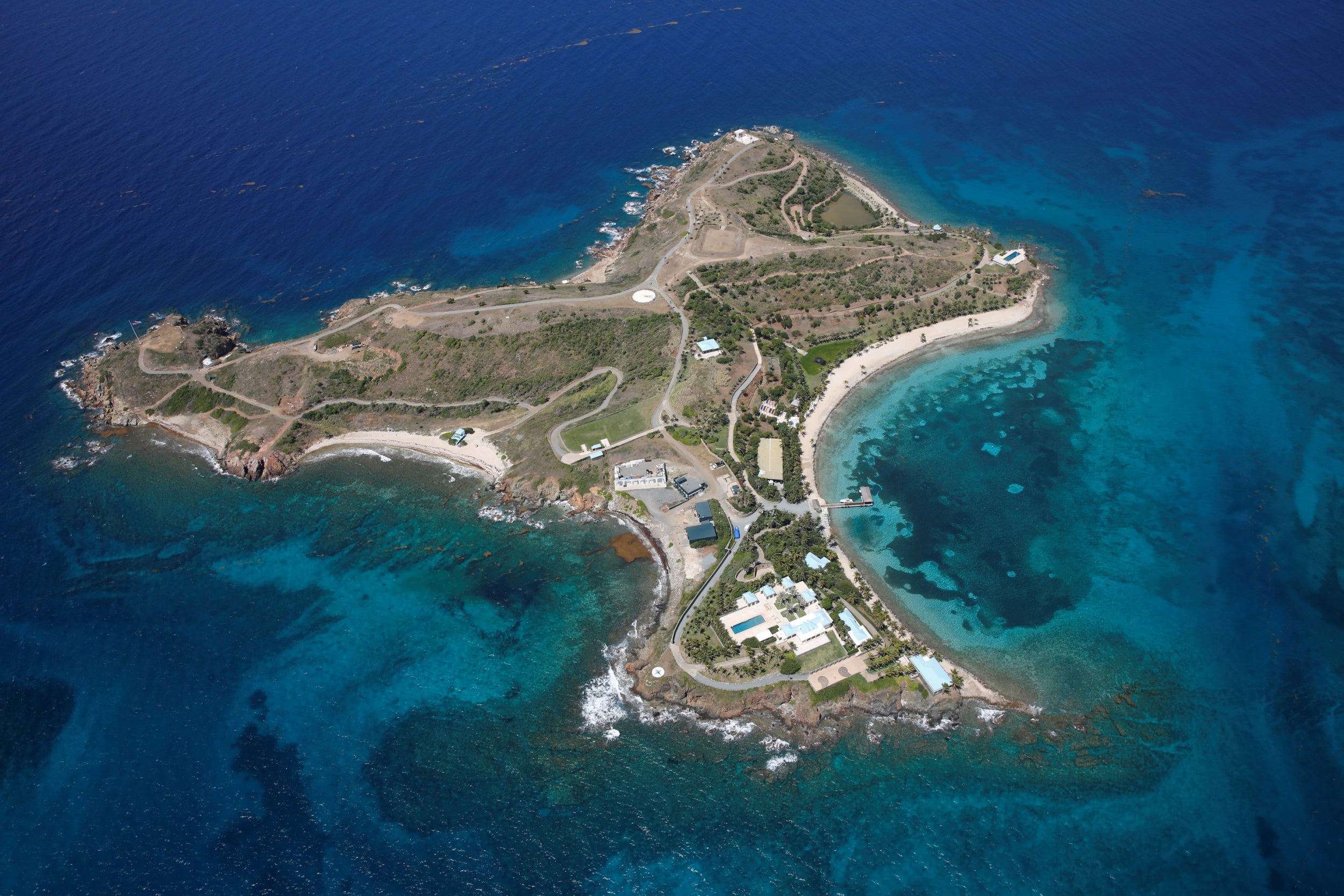
Little St. James is a 70-plus acre island located in the U.S. Virgin Islands, part of the archipelago situated east of St. Thomas. Before becoming synonymous with Jeffrey Epstein, the island was a relatively secluded piece of private real estate. Epstein acquired the island in 1998 through his company, LSJ LLC, for approximately $7.95 million.
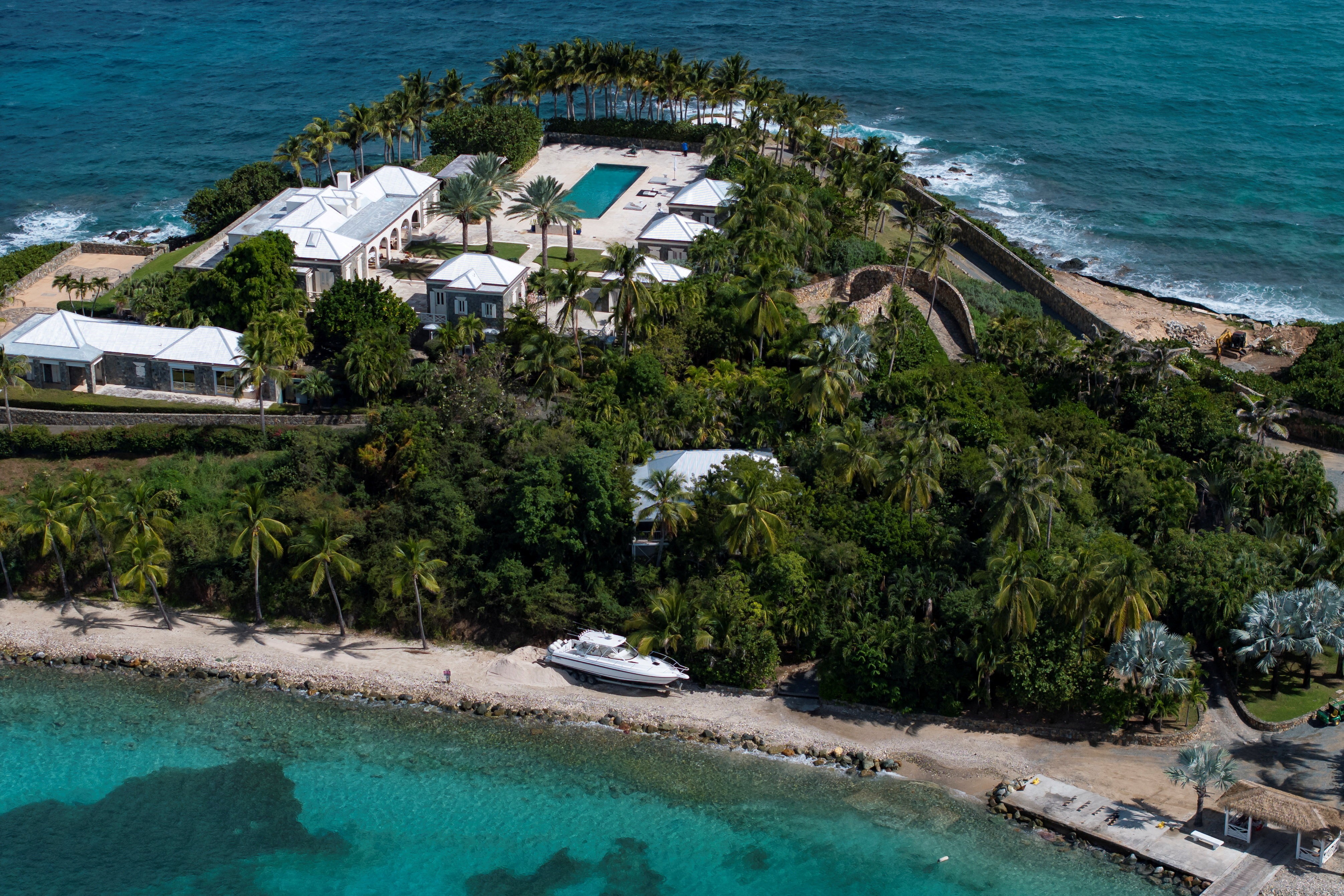
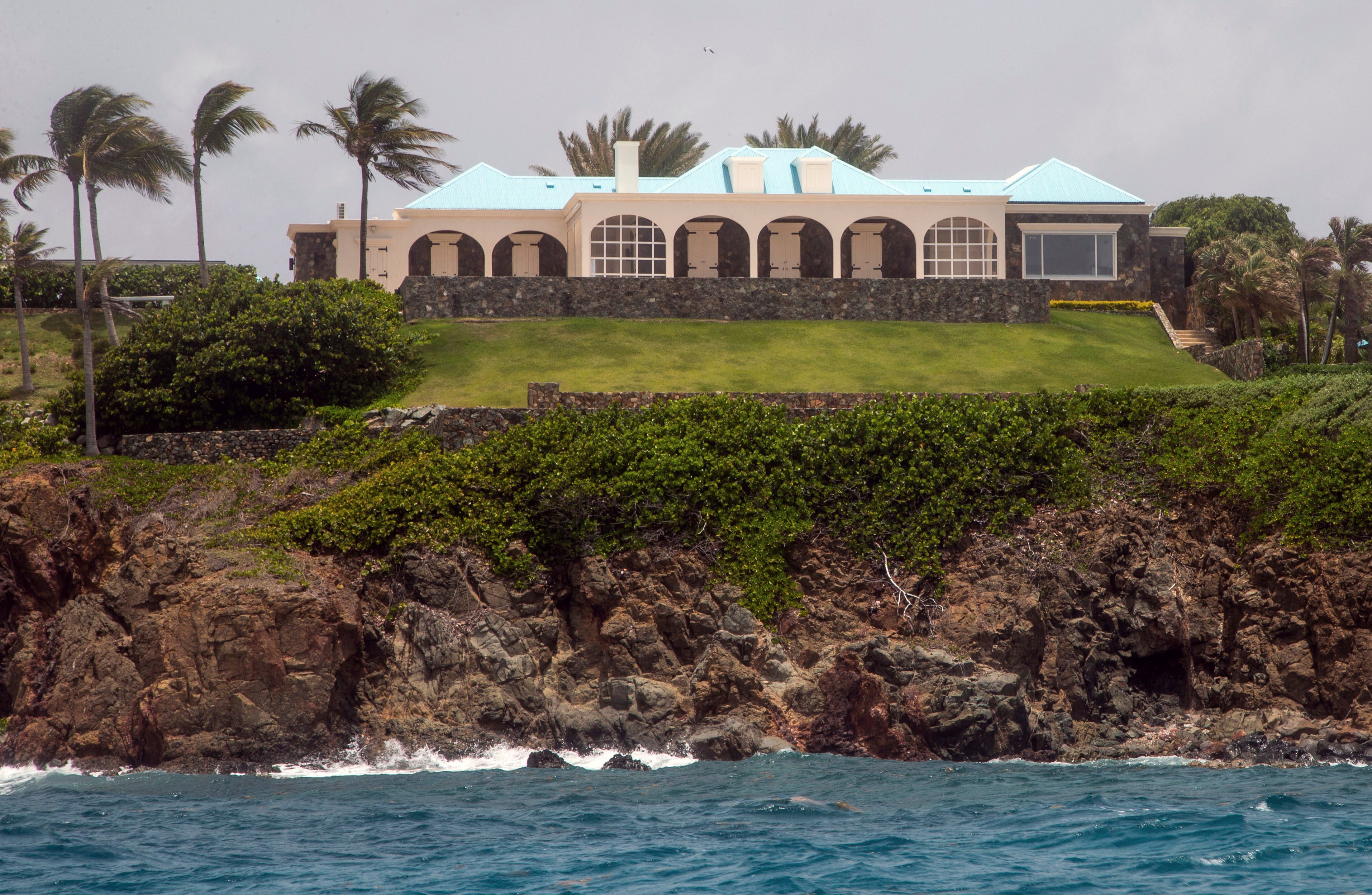
For over two decades, the island functioned as a highly restricted compound. Aerial photography and legal filings throughout the 2000s and 2010s detailed an elaborate array of infrastructure. The main residence, a sprawling complex often described by its distinctive blue-roofed architecture, featured multiple guest villas, a swimming pool, helipads, a private dock, and extensive security monitoring systems. The site also included unconventional structures, such as a prominent, temple-like building that drew significant public and media speculation regarding its intended purpose during the years of Epstein’s ownership.
Legal Seizure and Liquidation
Following Jeffrey Epstein’s death in a Manhattan jail in August 2019, his estate entered a complex phase of probate and legal oversight. The U.S. Virgin Islands government filed a lawsuit against the Epstein estate, seeking damages related to human trafficking and other illicit activities conducted on the property.
In 2020, the estate reached a settlement with the Virgin Islands government, which included the transfer of significant assets and a payment of over $100 million. This settlement provided the mechanism for the eventual liquidation of the island. The property was listed for sale in 2022 with an initial asking price of $125 million, reflecting both the prime real estate value of the USVI location and the notoriety associated with the site.
The Transition of Ownership: 2023–2026
In May 2023, the sale of Little St. James was finalized. The purchaser was Stephen Deckoff, the founder of the private equity firm Black Diamond Capital Management. The sale price, reported at approximately $60 million, was significantly lower than the original asking price.
As of 2026, the status of the island is that of a private residential project under new ownership. Deckoff has publicly expressed intentions to redevelop the island into a world-class luxury resort. This process involves the clearing of existing structures and a total reimagining of the island’s purpose. For the current owner, the goal is to shift the legacy of the location from its association with Epstein to a functional, high-end hospitality destination that contributes to the local Virgin Islands economy.
Property Specifications and Development Challenges
The redevelopment of an island of this scale presents unique logistical and environmental challenges. Unlike mainland real estate, private islands in the Caribbean require self-sustaining infrastructure.
Technical and Infrastructure Considerations
| Feature | Historical Context | Future Redevelopment Scope |
|---|---|---|
| Power Supply | Diesel generators and solar arrays | Modernized renewable microgrid |
| Desalination | Private RO (Reverse Osmosis) plant | Upgraded sustainable water systems |
| Accessibility | Private dock and helipads | Enhanced maritime and aviation support |
| Zoning | Private residential compound | Luxury resort/hospitality commercial |
The conversion of the property from a private, fortress-like residence to a public-facing resort requires extensive permitting from the U.S. Virgin Islands Department of Planning and Natural Resources. Environmental regulations are stringent, particularly concerning coastal construction, waste management, and the protection of the surrounding marine ecosystem.
Frequently Asked Questions
Is the Little St. James island currently open to the public? No. As of 2026, the island remains private property owned by Stephen Deckoff. It is not open to the public, and visitors are prohibited from docking or accessing the island without explicit authorization.
What happened to the structures that were on the island during Epstein’s ownership? The current owner, Stephen Deckoff, stated upon purchase that his plans involved the demolition of many of the existing structures to make way for new, modern facilities. The objective is to remove the remnants of the previous occupant's era to facilitate the island’s rebranding as a luxury resort.
How much did the island sell for in the final transaction? The island was sold in 2023 for approximately $60 million. This was a significant reduction from the initial listing price of $125 million, a price point that real estate experts at the time attributed to the logistical difficulties of island development and the inherent stigma attached to the property's history.
Are there other islands associated with Jeffrey Epstein? Yes. In addition to Little St. James, Epstein owned Great St. James, a neighboring island in the U.S. Virgin Islands. Great St. James was also included in the legal settlement process and was part of the broader liquidation of his estate's real estate holdings.
What is the legal status of the island regarding the victims? The sale of the island was part of a settlement agreement designed to resolve civil claims. Proceeds from the sale were directed into the estate’s funds, which are utilized to satisfy legal judgments and claims filed by survivors and the Virgin Islands government, subject to the supervision of the probate court.
Next Actions and Expert Guidance
For those interested in the real estate or economic development aspects of this site, it is important to follow the public announcements issued by the U.S. Virgin Islands government regarding zoning amendments and resort licensing. Investors or individuals observing this redevelopment should note that large-scale island projects in the Caribbean are subject to long lead times due to the necessity of importing labor, specialized construction materials, and the strict environmental oversight required for offshore construction.
If you are researching the legal aspects of the estate, primary records are maintained by the Superior Court of the U.S. Virgin Islands. Professional legal analysis of such high-profile property transitions often requires review of historical probate filings rather than speculative reporting, as the financial and structural destiny of the land is governed by strict, documented court-ordered mandates.
Image Gallery