Fashion Designing for Beginners in the Modern Era
Fashion designing for beginners in the modern era combines traditional craftsmanship with cutting-edge digital tools, sustainable practices, and global e-commerce platforms. Aspiring designers no longer need to rely solely on industria...
Fashion designing for beginners in the modern era combines traditional craftsmanship with cutting-edge digital tools, sustainable practices, and global e-commerce platforms. Aspiring designers no longer need to rely solely on industrial sketchbooks or physical runway shows to launch a career; instead, they can leverage 3D prototyping software, social media marketing, and on-demand manufacturing to bring their creative visions to life from anywhere in the world.
Contents
Understanding the Modern Fashion Design Landscape
The contemporary fashion industry has undergone a massive transformation. Historically, breaking into the sector required moving to a traditional fashion capital like Paris, Milan, or New York, securing expensive internships, and navigating rigid corporate supply chains. Today, the landscape is decentralized. Digital tools, democratization of manufacturing, and direct-to-consumer digital storefronts allow independent creators to conceptualize, produce, and sell apparel independently.
For a beginner, understanding this landscape means recognizing that technical skill must be paired with digital literacy and environmental awareness. Consumers and regulators increasingly demand transparency, eco-friendly materials, and ethical labor practices. Consequently, modern design education emphasizes not just aesthetics and construction, but also material science, lifecycle analysis of garments, and digital visualization techniques that reduce physical waste during the sampling phase.
Essential Prerequisites and Technical Foundations
Before cutting fabric or drafting patterns, a beginner must build a strong foundation in core design principles and technical terminology. Fashion design is as much an engineering discipline as it is an art form.
Core Design Principles
- Silhouette and Proportion: The outer shape of a garment and how it interacts with the human form. Understanding silhouette is critical for creating balanced, visually compelling collections.
- Color Theory: The study of how colors interact, contrast, and evoke emotional responses. Beginners must master color forecasting, seasonal palettes, and textile dye compatibility.
- Textile Science: Knowing how different fibers (natural, synthetic, and blended) behave, drape, stretch, and react to heat, moisture, and washing.
Technical Skills
- Flat Sketching and Illustration: Translating three-dimensional ideas onto a two-dimensional croquis (the model template used in fashion illustration).
- Pattern Making: The art of creating paper or digital templates from which garment pieces are cut. Methods include flat pattern drafting and draping directly on a dress form (mannequin).
- Garment Construction: Mastering sewing techniques, seam types, zipper insertions, and the proper operation of industrial and domestic sewing machines.
Essential Tools and Equipment for Beginners
Investing in the right equipment saves time and ensures professional results. While professional design houses use heavy-duty industrial machinery, beginners can start with a well-curated toolkit of domestic and digital instruments.
| Category | Essential Item | Purpose | Estimated Cost (USD) |
|---|---|---|---|
| Hardware | Heavy-Duty Sewing Machine | Stitching seams and assembling garments. | $200 – $600 |
| Hardware | Adjustable Dress Form | Draping fabrics and checking fit on a 3D form. | $150 – $400 |
| Drafting | Pattern Making Paper & Rulers | Drafting accurate sewing patterns (L-square, French curve). | $30 – $75 |
| Software | Adobe Illustrator / CLO 3D | Digital flat sketches and 3D garment simulation. | $20 – $50/month |
| Notions | Fabric Shears, Pins, Measuring Tape | Cutting, securing, and measuring textiles. | $40 – $90 |
Step-by-Step Guide to Creating Your First Garment
Transitioning from a concept to a finished physical product requires a structured workflow. Following a disciplined sequence prevents costly mistakes with expensive textiles.
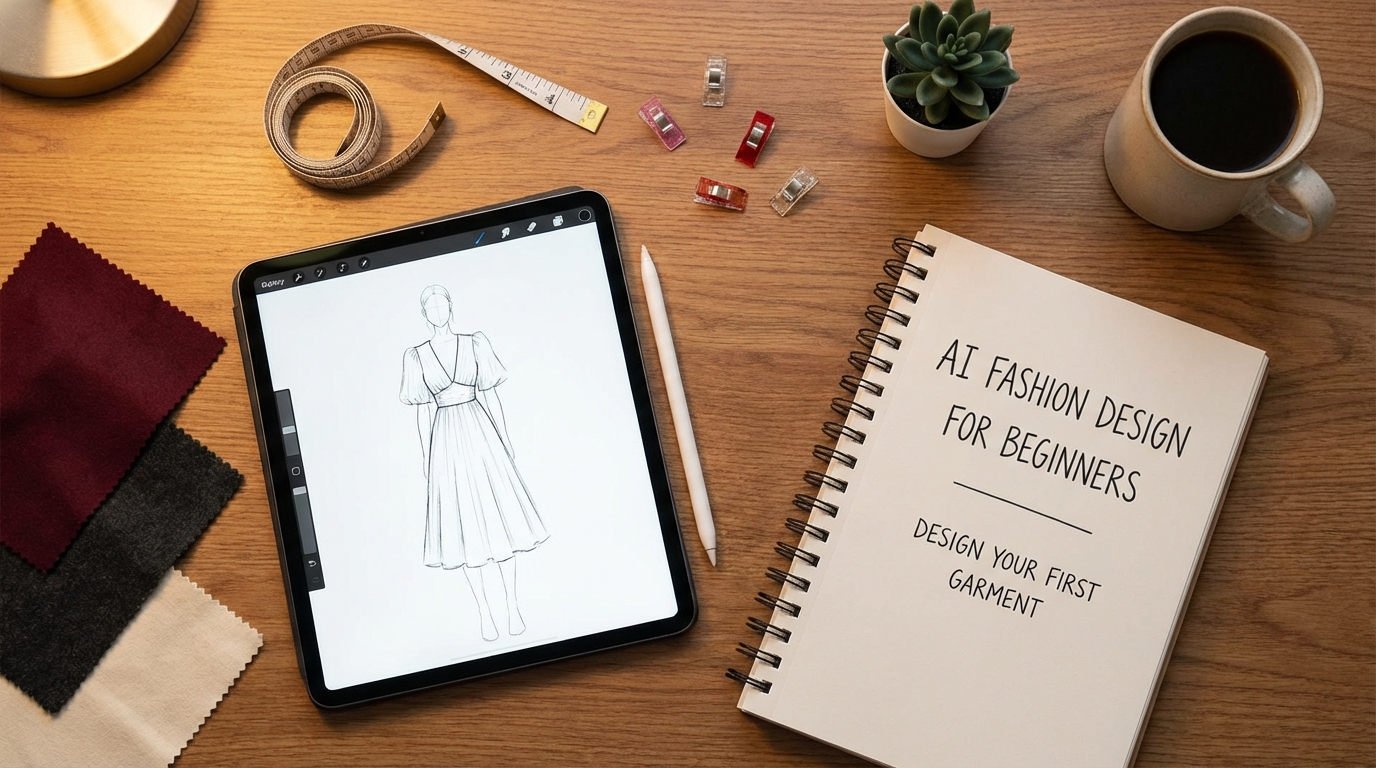
- Mood Board and Concept Development: Gather inspiration from art, nature, architecture, or historical garments. Compile color swatches, textures, and silhouette sketches into a digital or physical mood board to establish a cohesive collection theme.
- Design Sketching: Draw your ideas from multiple angles (front, back, and detail views). Annotate the sketches with specific construction notes, hardware requirements, and fabric choices.
- Pattern Drafting or Sourcing: Create a basic sloper (a custom-fitted foundational pattern) or adapt a commercial sewing pattern to match your design sketches.
- Creating a Muslin (Toile): Construct a test garment using inexpensive unbleached cotton muslin. This crucial step allows you to evaluate fit, drape, and proportion before cutting into your final, premium fabric.
- Fabric Cutting and Assembly: Lay your validated patterns onto your fashion fabric, ensuring the grainline is correct. Cut the pieces carefully, transfer any darts or markings, and assemble the garment using your sewing machine and iron (pressing at every stage is essential for a professional finish).
Digital Integration: 3D Prototyping and Modern Software
The modern era of fashion design is heavily influenced by digital transformation. Software like CLO 3D and Browzwear allows designers to drape virtual fabrics over digital avatars, simulating gravity, stretch, and wind resistance in real time.
This digital-first approach offers several advantages:
- Waste Reduction: Physical samples consume vast amounts of water, energy, and raw materials. 3D prototyping eliminates the need for multiple physical sample rounds.
- Speed-to-Market: Altering a digital pattern takes seconds compared to hours of re-cutting and re-sewing physical muslin.
- E-Commerce Integration: Digital assets can be rendered into photorealistic product images for marketing before a single physical garment is manufactured.
Sustainable Practices and Conscious Design
Environmental consciousness is no longer optional in fashion design; it is a core operational requirement. The industry is one of the largest global contributors to carbon emissions and textile waste. Beginners should integrate sustainability into their workflow from day one by exploring zero-waste pattern cutting techniques, sourcing certified organic or recycled textiles, and designing garments built for durability and eventual recycling or biodegradation.
Frequently Asked Questions
Do I need to know how to draw to become a fashion designer?
While traditional illustration skills help communicate ideas quickly, they are not strictly mandatory. Many modern designers rely on digital templates, collage techniques, 3D software, or strong technical specification sheets to convey their designs to pattern makers and manufacturers.
What is the difference between fashion design and fashion merchandising?
Fashion design focuses on the creative and technical creation of apparel, including sketching, textile selection, and garment construction. Fashion merchandising focuses on the business, marketing, retail buying, visual presentation, and consumer trend analysis aspects of the industry.
How much does it cost to start designing clothes at home?
A beginner can set up a basic home studio—including a reliable sewing machine, dress form, drafting tools, and basic fabrics—for approximately $500 to $1,000. Software subscriptions and premium textiles will add to ongoing operational costs.
How can I build a fashion portfolio as a beginner?
A strong portfolio should showcase your creative process, not just final results. Include mood boards, initial idea sketches, technical flats, pattern drafts, photographs of muslin fittings, and high-resolution images of your finished garments styled on models or dress forms.
Is a formal degree required to succeed in modern fashion design?
A formal degree from an accredited institution provides valuable networking opportunities, structured critiques, and access to industrial machinery. However, the modern industry values a strong portfolio, demonstrable technical competence, and practical market execution far more than academic credentials.
Practical Next Action
Begin your fashion design journey today by creating a digital or physical mood board for a five-piece capsule collection. Once your theme and color palette are established, select a single foundational garment—such as a simple A-line skirt or a structured linen top—and draft your first paper pattern using basic measurements.
Image Gallery