Shark Attack in the Everglades Explained: Ecology, Risks, and Safety
Shark attacks in Everglades National Park are rare but documented events driven primarily by the presence of bull sharks (Carcharhinus leucas). These predators thrive in the region's murky, brackish estuaries due to specialized physiol...
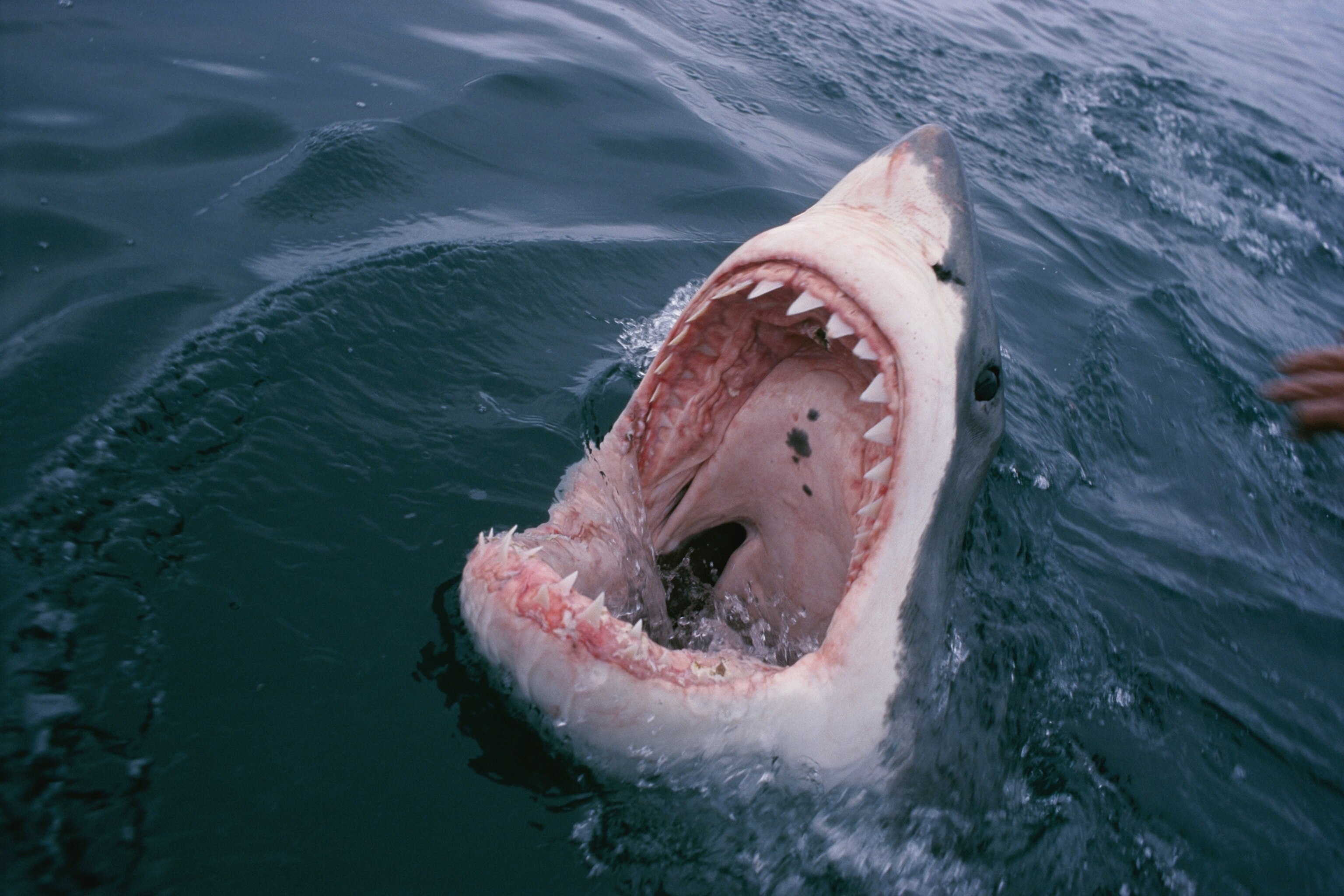
Shark attacks in Everglades National Park are rare but documented events driven primarily by the presence of bull sharks (Carcharhinus leucas). These predators thrive in the region's murky, brackish estuaries due to specialized physiological adaptations. Most bites occur when human behaviors—such as washing hands from small craft, trailing caught fish, or splashing in murky water—accidentally trigger a shark's predatory reflex.
Contents
The Everglades Aquatic Ecosystem: Where Freshwater Meets the Sea
Everglades National Park spans over 1.5 million acres of wetlands, coastal mangroves, and marine bays across South Florida. Contrary to the popular image of the Everglades as exclusively a freshwater swamp filled with American alligators, large portions of the park consist of estuarine and marine environments.
Areas such as Whitewater Bay, Florida Bay, Nine Mile Pond, and the Ten Thousand Islands feature complex networks of mangrove creeks and tidal rivers. In these zone, freshwater flowing south from Lake Okeechobee mixes with saltwater from the Gulf of Mexico and Biscayne Bay.
- Mangrove Estuaries / Brackish Zone
- Freshwater Flow
- Tidal Saltwater
- Bull Shark Habitat
This hydrological mixing creates brackish water—a salinity gradient ranging from nearly fresh to fully marine. This unique interface supports a diverse aquatic food web. Microscopic plankton feed vast schools of baitfish, which in turn attract large apex predators. While alligators dominate the interior freshwater marshes, sharks occupy the brackish rivers, bays, and mangrove passages that cover the park's southern and western margins.
Bull Shark Osmoregulation: Why Sharks Inhabit Inland Waterways
To understand why shark encounters occur deep within Everglades waterways, one must examine the physiological biology of the bull shark. Most marine elasmobranchs (sharks, skates, and rays) are stenohaline, meaning they can survive only within narrow salinity ranges. If a typical oceanic shark enters freshwater, its cells absorb excess water through osmosis, leading to swelling, electrolyte imbalance, and death.
Bull sharks are euryhaline, possessing an extraordinary ability to regulate their internal osmotic pressure—a process known as osmoregulation.
Osmoregulation Mechanism in Bull Sharks:
- Kidneys: Retain or excrete sodium and chloride based on salinity.
- Rectal Gland: Downregulates salt excretion in low-salinity water.
- Liver: Adjusts urea and trimethylamine oxide (TMAO) synthesis.
When a bull shark swims from the salty Gulf of Mexico into the brackish rivers of the Everglades, several physiological changes occur:
- Urea Reduction: The liver decreases the production of urea and trimethylamine oxide (TMAO) in the blood, lowering the internal solute concentration so the shark absorbs less freshwater through its gills.
- Renal Adaptation: The kidneys increase urine production significantly to flush excess water while conserving essential sodium and chloride ions.
- Rectal Gland Modification: The rectal gland, which normally excretes excess salt in marine environments, reduces its activity to prevent vital electrolyte loss.
Because of osmoregulation, bull sharks travel dozens of miles up rivers, creeks, and shallow canals. Juvenile bull sharks use the murky, mangrove-lined estuarine creeks of the Everglades as nursery grounds. The roots of red mangroves (Rhizophora mangle) provide refuge from larger oceanic predators, while an abundance of juvenile mullet, snook, and tarpon offers a consistent food supply.
Dissecting Everglades Shark Attacks: Triggers and Feeding Reflexes
While millions of visitors explore the Everglades each year via kayaks, canoes, and motorboats, unprovoked shark attacks remain extremely uncommon. However, high-profile incidents highlight how specific environmental conditions and human actions combine to create hazardous situations.
The Mechanism of an Incident
In recorded Everglades incidents—such as the widely reported bite at the Flamingo marina area in May 2023—the common denominator is rarely deliberate predatory stalking of humans. Instead, bites typically stem from opportunistic striking or mistaken identity.
Disturbance / Scent / Motion
Low-Visibility Water (Canal / Mangrove)
Exploratory / Opportunistic Strike
Immediate Release Once Unsuitable Prey Identified
Low Visibility: The waters of the Everglades are naturally dark, stained by tannic acid from decaying mangrove leaves, or clouded by suspended mud and sediment stirred up by tides. In water with visibility often limited to less than two feet, sharks rely primarily on their lateral line system (which detects pressure waves and vibrations) and their ampullae of Lorenzini (electroreceptive organs that sense minute electrical fields generated by muscle contractions).
Surface Disturbances: When a person splashes their hands or feet in the water—such as leaning over the side of a kayak or skiff to rinse off fish slime or mud—they generate high-frequency surface vibrations. To a bull shark, these vibrations mimic the pressure waves created by a struggling, injured fish.
Food Conditioning and Olfactory Cues: In areas where recreational angling is popular, such as boat ramps and marina basins, fish cleaning and active catch-and-release fishing release blood and fluids into the water column. Sharks quickly associate boat hulls, idling engines, and human activity with an easy meal.
When a shark senses a sudden surface disturbance in turbid water, it may execute a rapid exploratory strike before visually identifying the target. Because bull sharks possess broad, serrated teeth designed to tear prey, even an exploratory bite can cause severe lacerations and tissue damage. In most documented cases, the shark releases the human immediately upon realizing the target is not its natural prey.
Shark Species Comparison in Everglades Waters
While the bull shark poses the highest risk of bite incidents due to its size, aggression, and affinity for shallow, low-salinity water, it is not the only shark species inhabiting the Everglades estuarine system.
| Species | Primary Habitat within Everglades | Salinity Tolerance | Average Adult Length | Relative Human Bite Risk |
|---|---|---|---|---|
| Bull Shark (Carcharhinus leucas) | Shallow bays, muddy canals, river mouths, freshwater creeks | Euryhaline (Freshwater to Marine) | 7 to 10 feet | High (Aggressive, opportunistic feeder) |
| Blacktip Shark (Carcharhinus limbatus) | Open coastal bays, outer reef edges, clear inlets | Marine to High-Brackish | 5 to 6 feet | Moderate (Fast-moving; bites occur in clear surf/bays) |
| Lemon Shark (Negaprion brevirostris) | Shallow sandy flats, mangrove bays, sound channels | Marine to Moderate-Brackish | 8 to 10 feet | Low (Generally docile toward humans unless provoked) |
| Nurse Shark (Ginglymostoma cirratum) | Sea grass beds, shallow flats, around dock pilings | Marine to High-Brackish | 7 to 9 feet | Very Low (Bottom-dweller; bites usually follow direct handling) |
| Great Hammerhead (Sphyrna mokarran) | Deep channels, Florida Bay open waters, coastal passes | Fully Marine | 10 to 14 feet | Very Low (Target prey is stingrays; rare human interaction) |
Understanding these distinctions helps visitors gauge risk accurately. A shark observed swimming across a shallow seagrass flat in Florida Bay is often a harmless nurse shark or a cautious lemon shark, whereas a large dorsal fin moving through a muddy, narrow mangrove channel is frequently a hunting bull shark.
Regulatory and Environmental Safety Measures for Visitors
The National Park Service (NPS) and the Florida Fish and Wildlife Conservation Commission (FWC) maintain strict guidelines designed to prevent negative interactions between humans and marine predators in Everglades National Park.
| EVERGLADES WATER SAFETY |
|---|
| [DO NOT] Rinse hands/gear in open water. |
| [DO NOT] Filet fish at the water's edge or dump offal near docks. |
| [DO] Use net/pliers for fish release; keep limbs in boat. |
| [DO] Maintain distance from active feeding schools. |
Essential Safety Practices for Anglers and Paddlers
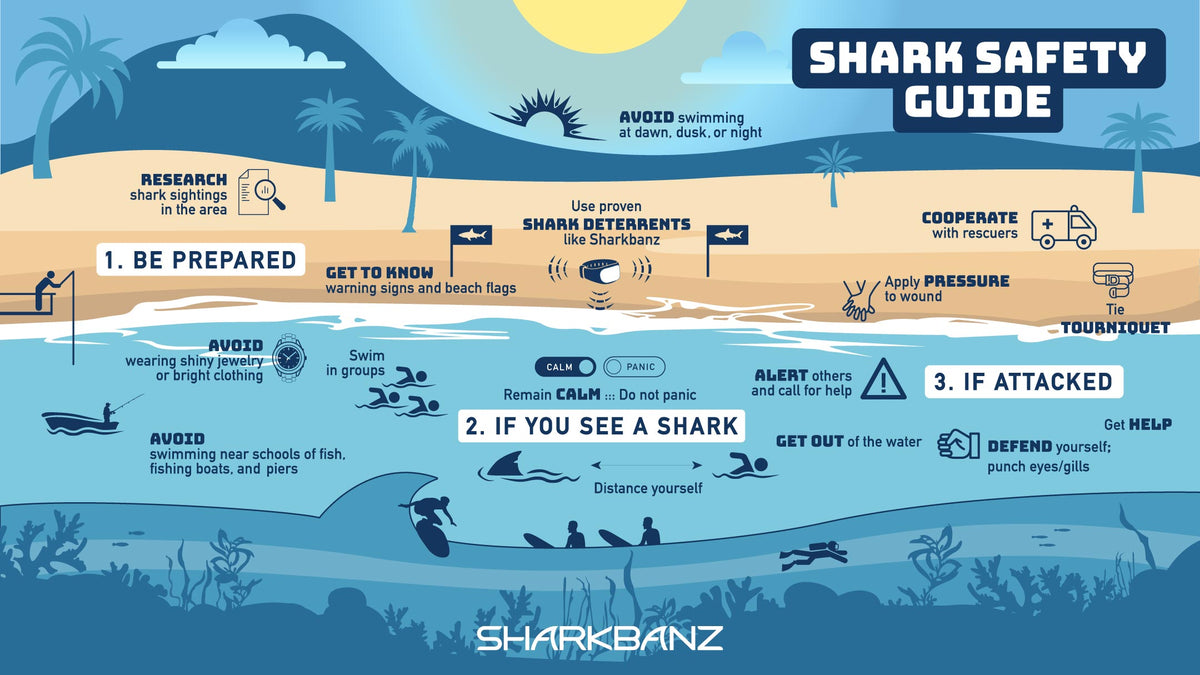
- Hand and Body Discipline: Never place hands, feet, or arms into the water to rinse off dirt, fish blood, or bait while sitting in a kayak, canoe, or small vessel. Use a bucket or onboard washdown system instead.
- Fish Release Procedures: When unhooking landed fish, use long-handled dehooking pliers or a landing net. Avoid dragging landed fish alongside a kayak or wading into the water to release a fish. Release catches quickly to prevent extended splashing that attracts predators.
- Fish Disposal Rules: Discarding fish carcasses, entrails, or unused bait at marina docks, boat ramps, or kayak launch sites is illegal under state and federal regulations. Feeding wildlife creates conditioned behaviors that increase aggression near human access points.
- Low-Light Operational Awareness: Avoid paddling or wading in estuaries during dawn, dusk, or nighttime hours. Bull sharks undergo heightened feeding cycles during low-light periods, taking advantage of reduced visibility to stalk prey.
- Avoid Jewelry and Flashy Gear: In turbid water, high-contrast clothing or reflective metallic objects (such as watches, shiny pliers, or chrome tackle) can reflect light like fish scales, triggering an accidental strike.
Emergency Protocol: What to Do During an Encounter
If you encounter an aggressive shark while boating, kayaking, or wading in the Everglades, taking immediate, deliberate action reduces the risk of escalation.
1. If inside a Kayak or Small Craft
- Pull in All Gear: Immediately pull in any trailing fishing lines, fish stringers, or measuring tapes hanging in the water.
- Maintain Position and Balance: Keep your hands, feet, and paddle blades inside the gunwales. Do not panic or rock the vessel.
- Back Away Steadily: If a shark approaches or nudges the vessel, use smooth, controlled paddle strokes to maneuver away toward shore or deeper, clear water. Avoid aggressive, rapid splashing.
2. If Wading or In the Water
- Minimize Movement: Stop splashing immediately. Face the animal while keeping it in your direct line of sight.
- Back Out Slowly: Retract slowly toward your vessel or shallow land without turning your back or making sudden movements.
- Defend Yourself Definitively: If a shark strikes or latches on, defend yourself by targeting sensitive areas—specifically the eyes, gills, and the tip of the snout. Use paddles, sticks, or your fists to strike these soft regions.
Frequently Asked Questions
Can bull sharks live entirely in freshwater inside the Everglades?
Yes. Bull sharks possess osmoregulatory capabilities that allow them to live in pure freshwater for extended periods. They have been documented deep inside interior canals, freshwater rivers, and inland lakes throughout Florida. However, adult bull sharks typically return to marine environments for breeding.
Are shark attacks common in Everglades National Park?
No. Shark attacks within Everglades National Park are exceptionally rare. Hundreds of thousands of anglers, kayakers, and boaters navigate the park's marine and estuarine waters annually without incident. The vast majority of shark sightings involve non-aggressive behavior.
Why do sharks bite kayaks or small boats?
Sharks occasionally bite kayaks or small boats due to low-frequency vibrations, electroreceptive sensations, or scent trails. A paddle splashing in the water generates pressure waves similar to a struggling fish. Additionally, plastic kayak hulls can build up minor static charges or reflect electrical fields that curious sharks investigate with exploratory bites.
What should I do if a shark grabs my fishing catch near the boat?
If a shark targets a fish on your line near the boat, immediately release the tension or cut the line. Do not attempt to fight the shark for the fish or reach into the water to grab the catch, as this puts your hands in close proximity to a feeding predator.
How does water clarity affect shark behavior in the Everglades?
Water clarity plays a critical role in misidentification bites. In crystal-clear oceanic waters, sharks rely heavily on visual cues to identify prey. In the tannic, muddy waters of Everglades estuaries, sharks rely on vibration and scent, making them far more likely to strike impulsively at unidentified surface disturbances.
Practical Recommendation
When visiting or navigating the coastal estuaries of Everglades National Park, assume that any body of brackish or salt water deeper than two feet contains bull sharks. Enjoy recreational activities by adhering to strict water safety discipline: keep limbs inside your vessel at all times, use appropriate tools to unhook fish, dispose of bait away from human access zones, and stay informed via official park updates from the International Shark Attack File (ISAF) maintained by the Florida Museum of Natural History.
Image Gallery