What a Cooking Class in Mexico City Offers: A Complete Guide to Experiences, Techniques, and Costs
A cooking class in Mexico City offers an immersive culinary experience combining guided market tours, hands-on instruction in ancestral Mexican techniques, and a multi-course communal meal. Participants learn to make fresh corn masa to...
A cooking class in Mexico City offers an immersive culinary experience combining guided market tours, hands-on instruction in ancestral Mexican techniques, and a multi-course communal meal. Participants learn to make fresh corn masa tortillas, dry-roast ingredients on a hot comal, blend complex salsas using a molcajete, and prepare classic regional dishes alongside professional chefs or traditional cooks.
Contents
Foundational Elements of a Mexico City Cooking Class
Taking a culinary class in Mexico City goes beyond following a basic recipe card. Traditional Mexican gastronomy is recognized on the UNESCO Intangible Cultural Heritage list, reflecting a complex system of agriculture, ancient preparation methods, and community ritual. Cooking schools across the Mexican capital design their programs around these cultural fundamentals.
Guided Neighborhood Market Tours
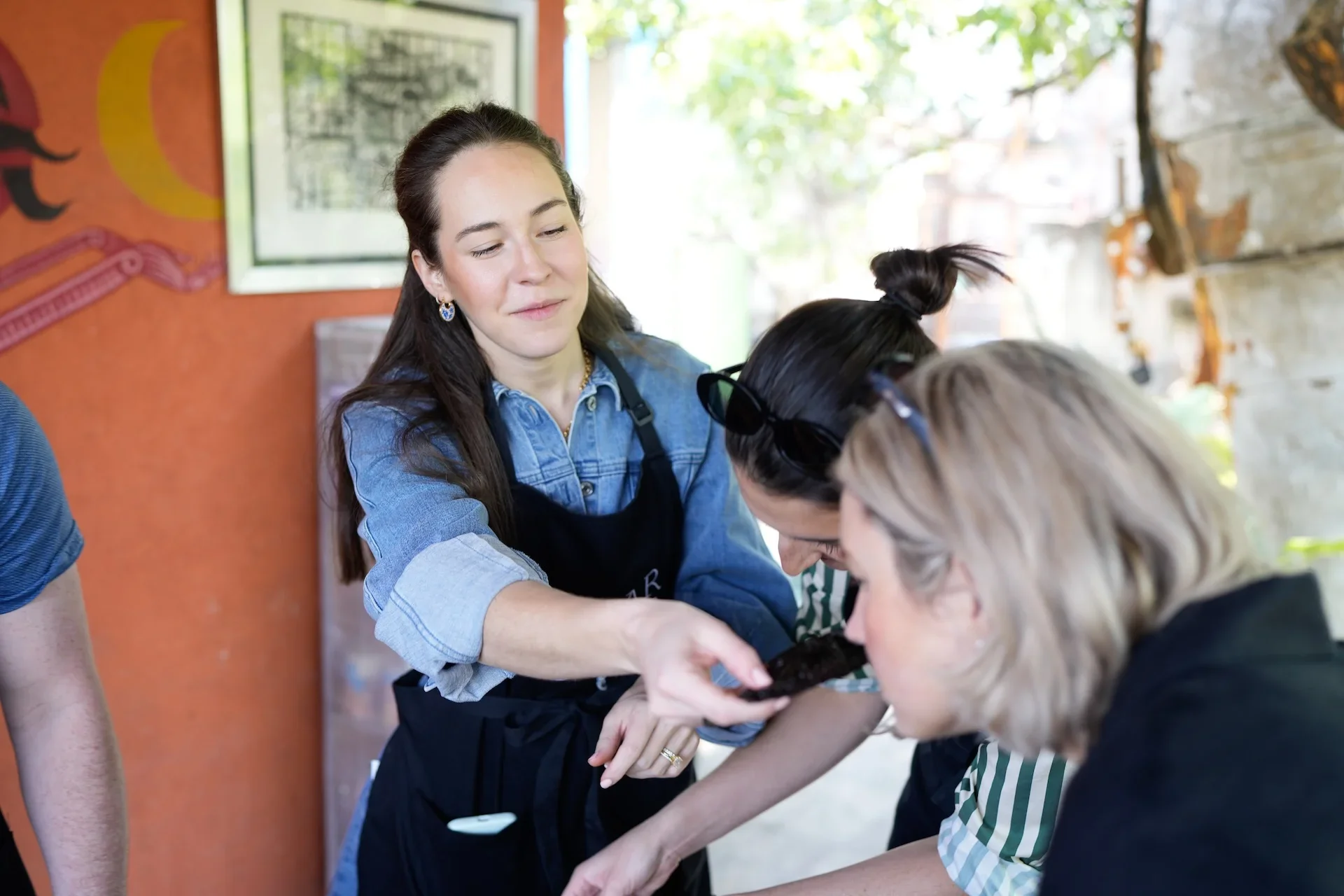
Most half-day and full-day workshops begin outside the kitchen at a neighborhood mercado. Accompanied by the chef or culinary host, participants walk through bustling market aisles to source fresh ingredients for the day's menu.
During these tours, instructors teach students how to identify authentic ingredients:
- Fresh and Dried Chilies: Distinguishing between fresh varieties (poblano, serrano, jalapeño, habanero) and their dried counterparts (ancho, pasilla, guajillo, chipotle). Instructors explain how smoke, drying time, and heat levels affect the final dish.
- Aromatic Herbs: Selecting unique Mexican herbs such as epazote (vital for bean dishes), hoja santa (an anise-flavored leaf used for wrapping meats or flavoring moles), and fresh cilantro.
- Produce and Staples: Choosing ripe tomatillos, nopal cactus pads, wild mushrooms, heirloom tomatoes, and fresh queso Oaxaca or cotija.
Depending on the school's location, classes frequent iconic markets such as Mercado de Medellín in Roma Sur (famous for Latin American produce), Mercado de San Juan in the historic center (known for gourmet produce and exotic ingredients), or Mercado de Coyoacán in the south.
Essential Techniques Taught in CDMX Workshops
While menus vary depending on the focus of the class, core traditional culinary techniques remain central to the curriculum. Instructors emphasize manual skills that define authentic Mexican home and street cooking.
- Heirloom Corn
- Nixtamalization (Lime & Heat)
- Milling into Fresh Masa
- Pressing & Comal Griddle Cook
- Warm, Fresh Tortilla
Nixtamalization and Tortilla Making
Understanding Mexican food begins with corn. Cooking classes routinely teach the process of nixtamalization—an ancient Mesoamerican technique where dried corn kernels are cooked and soaked in an alkaline solution, usually water mixed with food-grade calcium hydroxide (slaked lime).
This process softens the pericarp of the corn kernel, unlocks vitamin B3 (niacin), improves protein availability, and gives corn masa its distinctive aroma and elasticity. Students learn to:
- Mill nixtamalized corn into smooth masa using a manual crank mill or stone tabletop mill.
- Form masa balls (testales) and adjust moisture levels by hand.
- Use a heavy cast-iron or wooden tortilla press lined with plastic film to flatten the dough evenly.
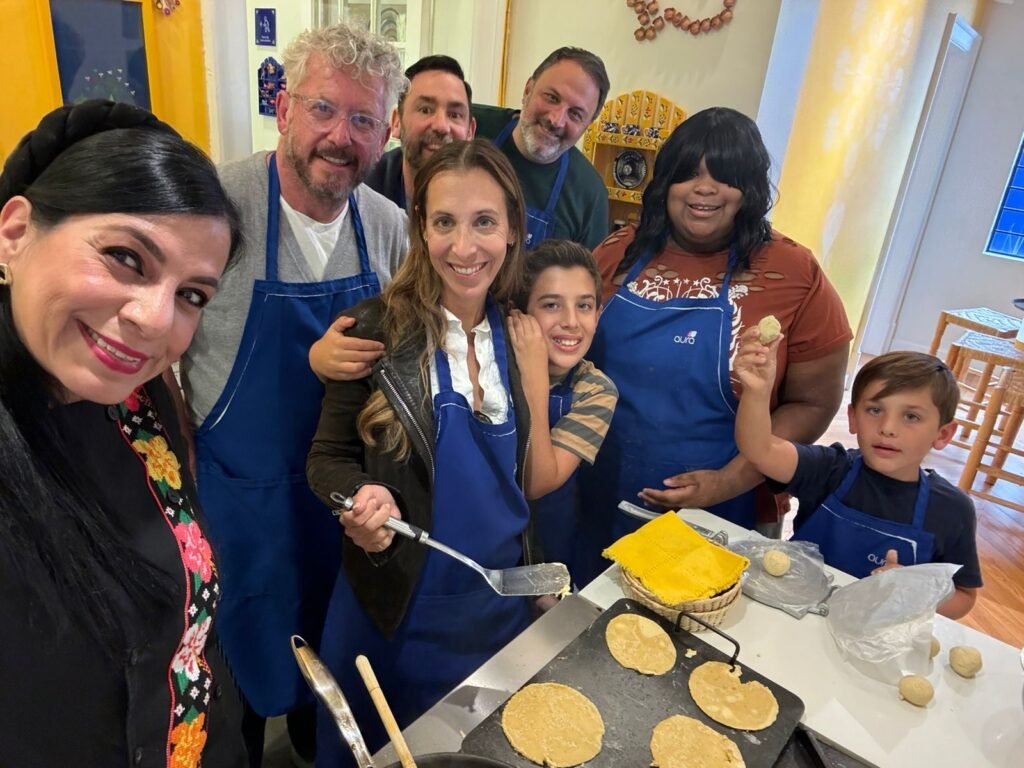
- Cook tortillas on an ungreased comal (flat griddle), watching for the tortilla to inflate—a sign that steam has trapped between the cooked layers.
Tatemado (Dry-Roasting)
Tatemado is the technique of charring vegetables dry on a hot comal without adding cooking oil. Classes teach students to blister tomatoes, tomatillos, garlic cloves, onions, and fresh chilies until the skins turn black in spots. This deliberate charring caramelizes natural sugars, softens harsh acids, and introduces a smoky layer essential to authentic Mexican salsas and stew bases.
Molcajete and Metate Grinding
Instead of relying strictly on electric food processors, culinary experiences in Mexico City encourage using volcanic stone tools:
- Molcajete: A three-legged mortar cut from basalt stone, paired with a stone pestle (tejolote). Students learn the sequence of grinding—first mashing salt, garlic, and chilies into a paste before incorporating roasted tomatoes or avocado for coarse guacamole.
- Metate: A flat, sloped basalt grinding stone used with a rolling pin-like stone (metlapil). Advanced or ancestral classes demonstrate using the metate to grind toasted seeds, spices, and nixtamalized corn.
Standard Types of Culinary Classes Available
Mexico City offers diverse culinary classes tailored to different interest levels, time constraints, and skill sets.
- Mexico City Cooking Classes
- Street Food & Taco Masterclass
- Traditional Home-Style (Guisados)
- Specialized Mole & Ancestral
- Modern Gastronomy & Fine Dining
1. Market Tour & Traditional Home-Style Cooking
These are the most popular multi-hour options. They focus on comforting household meals (comida corrida or cocina de hogar). Menus often feature dishes like sopa azteca (tortilla soup), chiles rellenos (stuffed poblano peppers), pork or chicken in salsa verde, red rice (arroz rojo), and fresh corn tortillas.
2. Street Food and Taco Workshops
Geared toward travelers who love Mexico's vibrant sidewalk food scene, these sessions cover iconic street items. Students learn the marinades for tacos al pastor or suadero, how to shape dough for sopes, tlacoyos, and gorditas, and how to cook savory corn-husk tamales. Mastering four to five distinct table salsas—ranging from mild avocado-tomatillo to fiery habanero-pickled red onion—is a core focal point.
3. Specialized Mole and Ancestral Cooking Workshops
Mole is one of Mexico's most complex culinary creations, often featuring 20 to 30 individual ingredients including dried chilies, nuts, seeds, spices, fruit, and chocolate. Specialized workshops walk students through frying, roasting, grinding, and simmering every component to create deep, multi-layered sauces like Mole Poblano or Oaxacan Mole Negro.
4. Modern Mexican Gastronomy and Fine Dining
Led by contemporary restaurant chefs, these boutique classes bridge ancient ingredients with modern techniques. Menus might feature elevated plating, seafood ceviches using local chilies, fusion flavors, and wine or mezcal pairing principles.
Comparing Cooking Class Formats in Mexico City
The table below highlights typical attributes, timing, and price expectations across class formats in Mexico City:
| Class Format | Average Duration | Key Focus & Dishes | Included Amenities | Typical Cost Range (USD) |
|---|---|---|---|---|
| Market Tour & Home Cooking | 4.5 – 5.5 Hours | Salsas, heirloom corn tortillas, home guisados, soup, dessert | Guided market walk, market tastings, 4-course meal, drinks | $90 – $140 per person |
| Street Food & Taco Masterclass | 3.5 – 4.5 Hours | Taco marinades, masa shaping (sopes/tlacoyos), 4+ street salsas | Beverage pairings (mezcal/beer), recipe digital booklet | $80 – $130 per person |
| Specialized Mole Intensive | 5.0 – 6.0 Hours | Toasting seeds/chilies, molcajete work, long-simmer mole sauces | Extended market tour, spirit tasting, branded apron | $120 – $180 per person |
| Private Modern Gastronomy | 4.0 – 5.0 Hours | Fine-dining plating, elevated seafood, refined salsa reduction | Sommelier wine pairing, private kitchen space | $170 – $300+ per person |
What Credentials and Logistics to Look For
Choosing the right class requires evaluating the setting, host credentials, and logistical details to match your travel expectations.
Instructor Backgrounds
- Cocineras Tradicionales (Traditional Cooks): Many home-style and ancestral classes are taught by cocineras tradicionales who have inherited generational recipes. These classes focus heavily on heritage techniques, oral histories, and family secrets.
- Professional Chefs: Classes taught by culinary institute graduates or working restaurant chefs emphasize culinary science, sanitation standards, advanced knife skills, and high-end presentation.
Neighborhood Locations
Cooking studios are situated across several accessible neighborhoods in Mexico City:
- Roma Norte & Condesa: Centrally located, highly walkable, and friendly for international travelers. Studios here frequently conduct market tours at Mercado de Medellín.
- Coyoacán: Located in the historic south, offering a bohemian atmosphere and easy access to the famous Mercado de Coyoacán.
- Juárez & Centro Histórico: Ideal for visiting large central markets like San Juan and exploring traditional architecture.
Dietary Accommodations
Mexican cuisine naturally relies on naturally gluten-free corn rather than wheat. However, traditional recipes frequently utilize lard (manteca) in bean dishes, tamales, and mole bases. Most professional cooking classes in Mexico City readily accommodate vegetarian, vegan, and gluten-free diets if notified in advance, substituting plant-based oils and mushroom broth without compromising authentic flavors.
Step-by-Step Experience: What Happens During a Session
While each kitchen structures its day uniquely, a standard 5-hour market-to-table culinary workshop follows a consistent sequence.
- Step 1: Morning Welcome & Coffee
- Step 2: Guided Market Tour
- Step 3: Kitchen Prep & Cooking
- Step 4: Communal Feast & Pairings
Step 1: Morning Gathering & Coffee
Guests arrive at the studio kitchen, meet their instructor and fellow participants, and enjoy a morning beverage. Traditional offerings include café de olla (dark roast coffee brewed in a clay pot with cinnamon and unrefined cane sugar called piloncillo) alongside fresh fruit or sweet bread (pan dulce).
Step 2: Guided Market Excursion
The group walks to a nearby market. The instructor introduces vendors, points out seasonal produce, explains pepper variations, and purchases fresh herbs, produce, and meats needed for the day. Participants often sample local market bites like fresh fruit with chili powder, artisanal cheeses, or warm chicharrón.
Step 3: Kitchen Briefing and Prep (Mise en Place)
Upon returning to the kitchen, participants wash up, put on aprons, and receive a safety briefing. Tasks are distributed across the cooking stations:
- Chopping onions, tomatoes, and garlic for base sauces.
- Toasting dried chilies and pumpkin seeds on the comal.
- Kneading wet masa and pressing individual tortillas.
- Simmering proteins in seasoned broths.
Step 4: Cooking and Assembly
Under the chef's guidance, participants cook each element. You will roast ingredients to perfection, grind salsas in a molcajete, cook tortillas over open flames, and assemble main courses. The instructor explains heat control, timing, and traditional seasoning adjustments using coarse sea salt.
Step 5: Communal Feast & Beverage Pairing
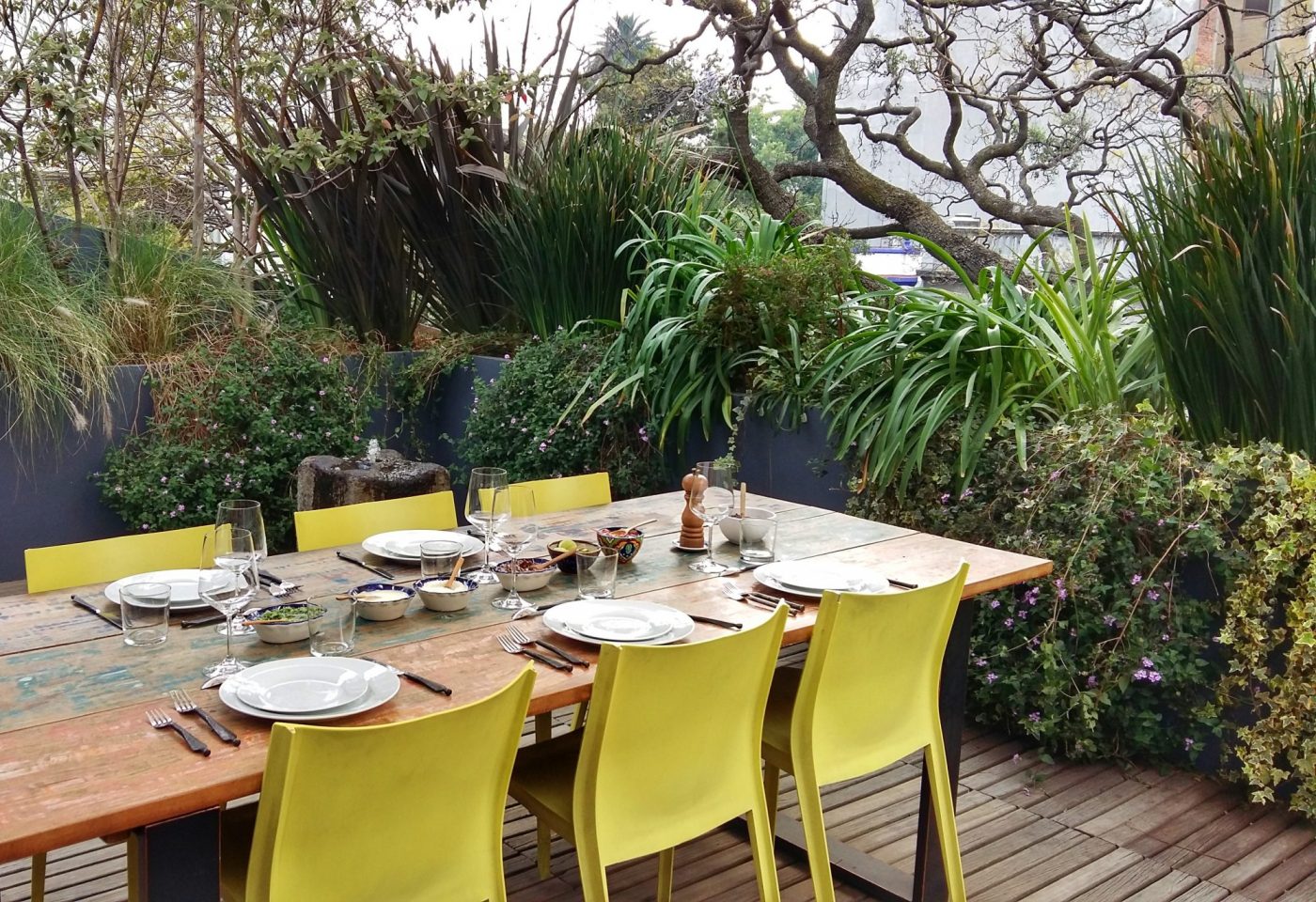
The experience culminates in a sit-down multi-course lunch where participants eat the dishes they prepared. The meal is paired with traditional drinks:
- Agua Fresca: Fresh fruit waters flavored with hibiscus (agua de Jamaica), tamarind, or horchata (rice-milk drink spiced with cinnamon).
- Craft Mexican Spirits: Guided tastings of mezcal or tequila, explaining agave varieties, distillation methods, and proper sipping techniques.
- Local Craft Beer or Wine: Pairings featuring Mexican craft breweries or wines from Baja California's Valle de Guadalupe.
Frequently Asked Questions
Are Mexico City cooking classes suitable for absolute beginners?
Yes. Most cooking classes are designed for all skill levels. Instructors provide step-by-step guidance on basic tasks like chopping, grinding, and using a tortilla press, making the environment welcoming for novices and experienced cooks alike.
Can dietary restrictions like vegan or gluten-free be accommodated?
Mexican cooking relies heavily on corn, beans, squash, chilies, and fresh produce, making it highly adaptable. Most schools offer vegetarian, vegan, and gluten-free menus upon request. Be sure to notify your host of any severe allergies or dietary restrictions when booking.
How far in advance should I book a culinary class in Mexico City?
Popular cooking studios in tourist-heavy neighborhoods like Roma Norte and Coyoacán often sell out 3 to 6 weeks in advance, especially during peak travel months (October through April). Booking early ensures you secure your preferred date and market tour slot.
Is a market tour included in every cooking class?
Not all classes include market visits. Shorter 2- to 3-hour evening workshops or specialized dessert classes often skip the market walk to focus purely on kitchen time. Check the detailed itinerary before booking if a market tour is a priority for you.
What language are the classes conducted in?
The majority of top-rated cooking experiences aimed at travelers in Mexico City are conducted fluently in English or offered as bilingual (English/Spanish) sessions. Private classes can usually be requested entirely in Spanish upon preference.
Practical Advice for Culinary Travelers
To maximize your cooking class experience in Mexico City, keep these practical recommendations in mind:
- Wear Comfortable Clothing and Closed-Toe Shoes: Market walking tours involve navigating uneven sidewalks and busy market floors. Kitchen environments get warm around hot comals and gas burners.
- Bring Small Cash Bills (Mexican Pesos): While your class fee covers the ingredient purchases, having cash (50 and 100 peso notes) is helpful if you want to buy extra spices, vanilla beans, or souvenirs during the market tour.
- Pace Your Market Snacking: Market guides frequently offer food samples during the morning walk. Enjoy the tastes, but leave plenty of room for the multi-course meal you will prepare in the studio.
- Request Digital Recipes: Most culinary schools provide printed or PDF copies of all recipes taught during class. Confirm that your instructor has your correct email address so you can recreate the dishes at home.
Image Gallery