Robert Reich: The Legacy and Economic Philosophy of the Former Labor Secretary
Robert Reich is a distinguished American economist, professor, and author who served as the 22nd U.S. Secretary of Labor. Known for his advocacy against income inequality, he has spent decades analyzing the structural shifts in the glo...
Robert Reich is a distinguished American economist, professor, and author who served as the 22nd U.S. Secretary of Labor. Known for his advocacy against income inequality, he has spent decades analyzing the structural shifts in the global economy, influencing both public policy and contemporary progressive thought through his teaching, prolific writing, and digital media outreach.
Contents
The Formative Years and Academic Foundation
Robert Bernard Reich’s trajectory into the heart of American economic policy began with a rigorous academic background. Born in 1946, his perspective was shaped by the post-war economic boom and the subsequent social upheavals of the 1960s. He attended Dartmouth College before winning a Rhodes Scholarship to study at Oxford University, where he first crossed paths with Bill Clinton. He later earned his J.D. from Yale Law School, where he was a classmate of both Bill and Hillary Clinton.
This Ivy League foundation provided more than just credentials; it established the intellectual network that would define his career. Early in his professional life, Reich served in the Solicitor General’s office under the Ford administration and later directed the Policy Planning Staff at the Federal Trade Commission (FTC) during the Carter administration. These roles allowed him to observe firsthand the intersection of law, market regulation, and corporate behavior—themes that would become the cornerstone of his life’s work.
Tenure as the 22nd U.S. Secretary of Labor (1993–1997)
When Bill Clinton was elected President in 1992, he tapped Reich to lead the Department of Labor. Reich’s tenure was marked by a shift in how the department viewed its mission. Rather than merely acting as a regulatory watchdog, Reich envisioned the Department of Labor as a catalyst for "human capital" development.
Key Policy Achievements
During his four years in the Cabinet, Reich was instrumental in several landmark legislative and administrative efforts:
- The Family and Medical Leave Act (FMLA) of 1993: Reich was a primary advocate for this legislation, which guaranteed eligible employees unpaid, job-protected leave for specified family and medical reasons. This was a significant step in recognizing the changing dynamics of the American workforce.
- The School-to-Work Opportunities Act: He championed the idea that the U.S. needed better vocational pathways for those not pursuing traditional four-year degrees, emphasizing apprenticeship programs and technical training.
- Minimum Wage Increase: Reich fought vigorously for the 1996 increase in the federal minimum wage, arguing that the "working poor" were being left behind by the productivity gains of the era.
- Cracking Down on Sweatshops: Under his leadership, the Department of Labor increased enforcement of the Fair Labor Standards Act, specifically targeting the garment industry to eliminate exploitative labor practices.
Despite these successes, Reich often found himself at odds with the more centrist "New Democrat" wing of the administration. He was a vocal critic of the North American Free Trade Agreement (NAFTA) in its original form, fearing it lacked sufficient protections for American workers and environmental standards. His eventual departure from the Cabinet in 1997 was officially for family reasons, but it also marked his transition from an internal policymaker to an external public intellectual.
The Evolution of an Economic Philosophy
Reich’s economic worldview has evolved from focusing on global competitiveness to a deep critique of structural inequality. His 1991 book, The Work of Nations, argued that as national borders became less relevant to capital, the only thing that would distinguish a nation’s economy was the skills and insights of its workforce. He categorized workers into "symbolic analysts" (those who solve, identify, and broker problems) and routine service workers, predicting a widening gap between the two.
By the early 21st century, Reich’s focus shifted toward the "rigged" nature of the market. In works like Saving Capitalism (2015) and The System: Who Rigged It, How We Fix It (2020), he moved away from the idea that inequality was merely a byproduct of technological change or globalization. Instead, he argued that it was the result of deliberate policy choices—specifically, the erosion of "countervailing power."
The Concept of Countervailing Power
Reich, drawing on the theories of John Kenneth Galbraith, argues that for a market economy to function fairly, there must be a balance of power between large corporations and other institutions, such as:
- Labor Unions: Providing a check on corporate management and ensuring wage growth.
- Small Businesses: Competing against monopolies to ensure innovation.
- The Public Interest: Represented by government regulations that prevent market failures and environmental degradation.
As of 2026, Reich continues to argue that the concentration of wealth has led to a concentration of political power, allowing the "super-elite" to rewrite the rules of the market—tax codes, bankruptcy laws, and intellectual property rights—to their own advantage, often at the expense of the middle and working classes.
Academic Contributions and Public Advocacy
After leaving government service, Reich returned to academia. He held a professorship at Brandeis University’s Heller School for Social Policy and Management before joining the University of California, Berkeley, as the Chancellor’s Professor of Public Policy at the Goldman School of Public Policy.
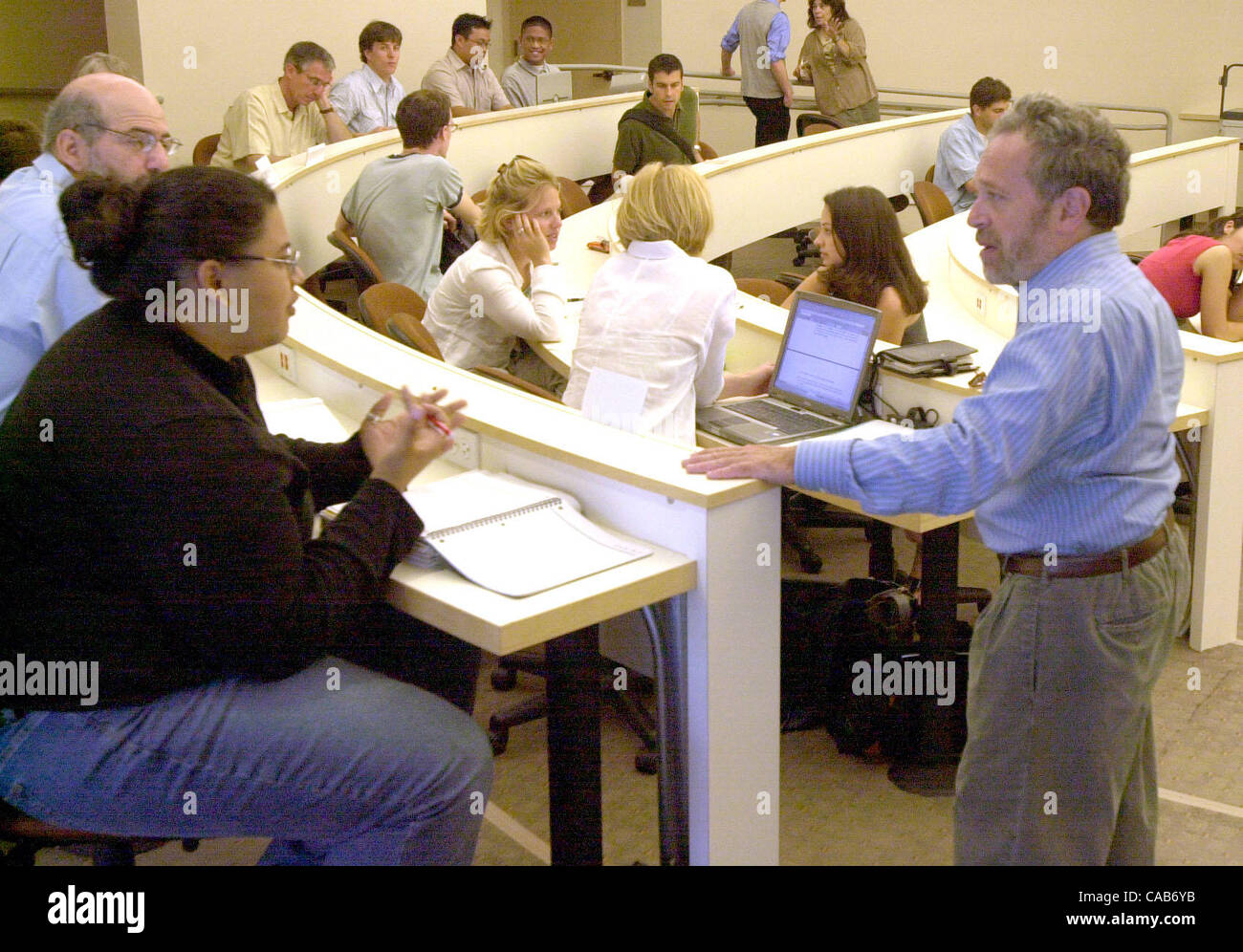
At Berkeley, Reich became a beloved figure, known for his ability to distill complex economic theories into engaging lectures. His course on "Wealth and Poverty" became one of the most popular on campus, attracting thousands of students over the years. His role as a teacher extended beyond the classroom through his co-founding of Inequality Media, a non-profit digital media organization.
Digital Influence and Documentary Work
Reich has successfully adapted to the digital age, using short-form videos and social media to explain concepts like "monopsony power," "inflation-profit spirals," and "corporate welfare." He has also been the subject of several influential documentaries:
- Inequality for All (2013): This film examines the widening income gap in the U.S. and its impact on the democratic process.
- Saving Capitalism (2017): Based on his book, this Netflix documentary explores the fragile state of the American middle class and potential paths toward reform.
Comparison of Economic Frameworks
To understand Reich’s position in the broader economic landscape, it is helpful to compare his views with traditional Neoliberal/Neoclassical economic thought.
| Feature | Neoliberal / Neoclassical View | Robert Reich’s View (2026 Perspective) |
|---|---|---|
| Market Role | Markets are self-correcting and efficient. | Markets are sets of rules created by political power. |
| Labor | Wages are determined solely by productivity. | Wages are determined by the bargaining power of labor. |
| Regulation | Regulations are often "market distortions." | Regulations are necessary to maintain competition. |
| Taxation | Lower taxes on capital encourage investment. | Progressive taxation is vital for social stability. |
| Corporate Goal | Maximizing shareholder value is the priority. | Corporations must serve all stakeholders (employees, community). |
| Monopolies | Efficiency of scale often justifies concentration. | Monopolies stifle innovation and corrupt the political process. |
Current Relevance in 2026: The "Middle-Out" Economy
In 2026, Reich’s influence remains palpable in the shift toward "middle-out" and "bottom-up" economic policies. The transition away from supply-side economics (often called "trickle-down") in mainstream policy circles mirrors many of the arguments Reich has made for decades. His focus on the "precariat"—workers with no job security or benefits in the gig economy—has become a central theme in discussions regarding the future of work and the integration of Artificial Intelligence in the labor market.
Reich’s advocacy for a "Green New Deal" framework also aligns with his belief that public investment in infrastructure and education is the only way to ensure long-term prosperity. He posits that the climate crisis presents an opportunity to restructure the economy in a way that creates high-paying, unionized jobs while addressing environmental degradation.
Frequently Asked Questions
What was Robert Reich’s most significant contribution as Labor Secretary?
His most significant legislative contribution was the implementation of the Family and Medical Leave Act (FMLA). He also significantly elevated the public discourse around the "skills gap," emphasizing that a nation's wealth is tied directly to the education and health of its workers.
Is Robert Reich a socialist?
No. Reich consistently describes himself as a pro-market capitalist. However, he argues that for capitalism to be sustainable, the market must be "saved" from its own excesses. He advocates for "inclusive capitalism" where the rules are designed to benefit the majority rather than a small segment of owners.
Where does Robert Reich currently teach?
He is a Professor Emeritus at the University of California, Berkeley, specifically within the Goldman School of Public Policy. While he has stepped back from full-time teaching duties by 2026, he continues to lecture and engage with the academic community.
What is "Inequality Media"?
Inequality Media is a non-partisan, non-profit organization co-founded by Reich and filmmaker Jacob Kornbluth. Its mission is to use high-quality storytelling and digital media to inform the public about the causes and consequences of economic inequality.
How does Robert Reich view the role of unions?
Reich views labor unions as an essential "countervailing power" in a capitalist system. He argues that the decline of union density over the last 40 years is a primary driver of wage stagnation and the widening gap between productivity and pay.
Practical Next Steps for Engagement
For those looking to deepen their understanding of modern economic policy through the lens of Robert Reich's work, the following actions are recommended:
- Read The System: This provides his most contemporary and comprehensive look at how political power dictates economic outcomes.
- Audit the "Wealth and Poverty" Lectures: Many of his Berkeley lectures are available through university archives or Inequality Media, providing a structured education in political economy.
- Track Department of Labor Data: To see the ongoing impact of the policies Reich championed, visit the official U.S. Department of Labor website to monitor current minimum wage, FMLA, and labor force participation statistics.
- Review Economic Indicators: Compare current corporate profit margins against wage growth to evaluate Reich's claims regarding "market concentration" and "profit-led inflation."
Robert Reich’s career serves as a bridge between the traditional economic theories of the mid-20th century and the complex, globalized challenges of 2026. Whether through government policy or public education, his focus remains the same: ensuring that the economy serves the people, rather than the people serving the economy.
Image Gallery