Understanding Larry Hankin: Career, Stature, and Cultural Impact
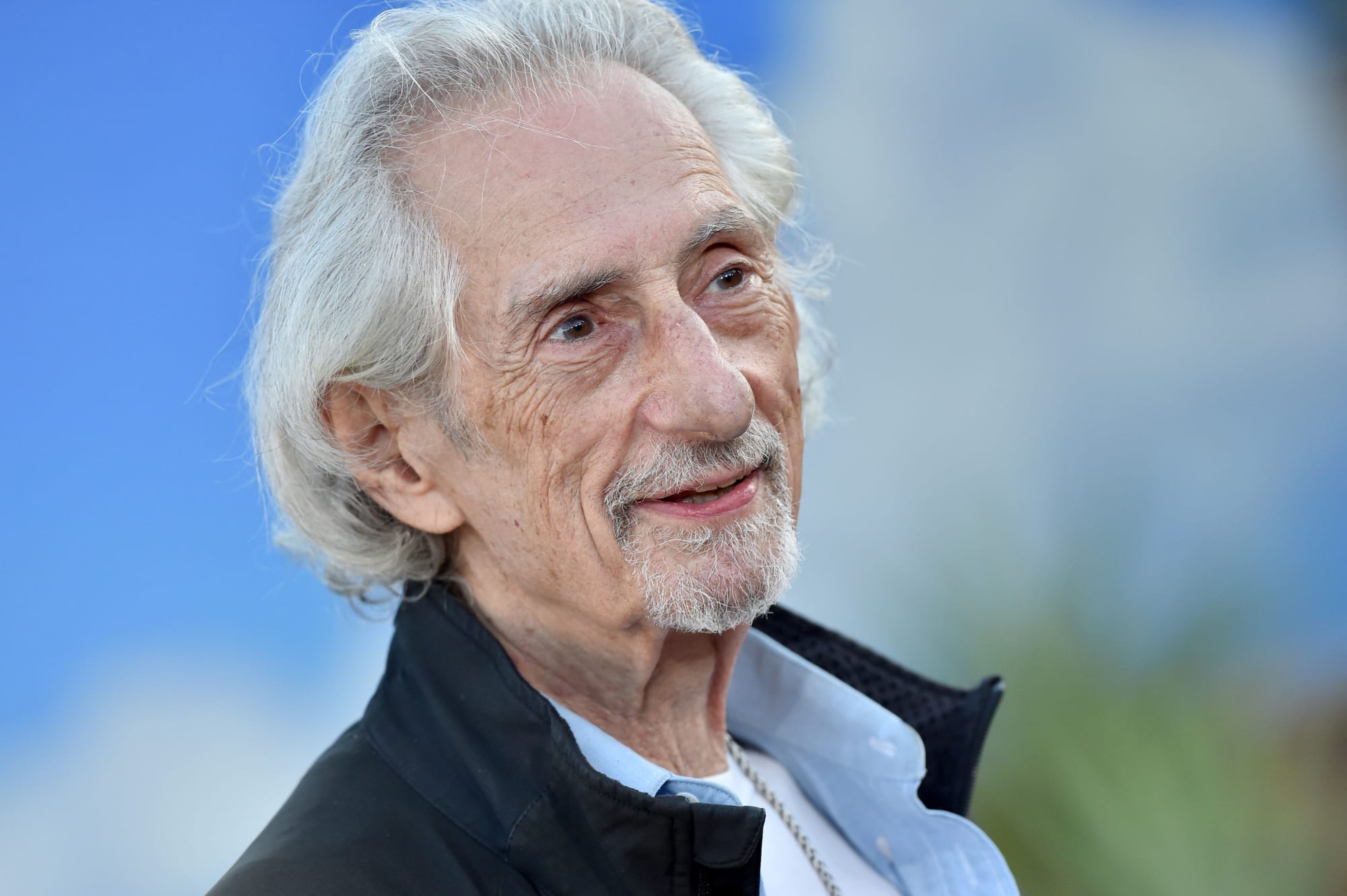
Larry Hankin is a distinguished American character actor, director, and producer who stands approximately 6 feet 2 inches (188 cm) tall. His recognizable physical presence has been a staple in Hollywood for decades, contributing to his...
Larry Hankin is a distinguished American character actor, director, and producer who stands approximately 6 feet 2 inches (188 cm) tall. His recognizable physical presence has been a staple in Hollywood for decades, contributing to his ability to portray distinct, memorable roles in iconic television series and critically acclaimed feature films.
Contents
The Significance of Physical Stature in Character Acting
In the realm of professional acting, physical stature often dictates the types of roles for which an artist is considered. For a character actor like Larry Hankin, his height of 6 feet 2 inches has functioned as a visual anchor, allowing him to dominate scenes or provide a striking contrast against lead actors. In cinematography and casting, physical dimensions are rarely incidental; they are calculated tools used by directors to establish power dynamics, comedic timing, or a sense of unease.
Hankin’s height is often paired with his specific, angular facial features and a penchant for playing roles that range from quirky neighbors to weary authority figures. This physical baseline—his frame—complements his range, allowing him to inhabit characters that require a certain level of physical presence. Whether he is cast as an imposing figure or a disheveled outcast, his height provides a consistent silhouette that audiences have come to recognize across various projects.
Examining the Career Trajectory of Larry Hankin
Larry Hankin’s career spans over six decades, beginning in the 1960s and flourishing through the mid-2020s. His longevity is a testament to his adaptability. While casual viewers may be drawn to specific roles, such as his appearance in Breaking Bad or Friends, his body of work is far more extensive.
Key Historical Contributions
Hankin was a member of the improvisational comedy troupe "The Committee" in San Francisco during the 1960s, a training ground that influenced his approach to performance. This background in improvisation allowed him to develop a comedic intuition that translated well into film and television. His transition from the stage to the screen in the 1970s and 1980s solidified his reputation as a "go-to" character actor for directors seeking authenticity and grit.
Impact of Physicality on Iconic Roles
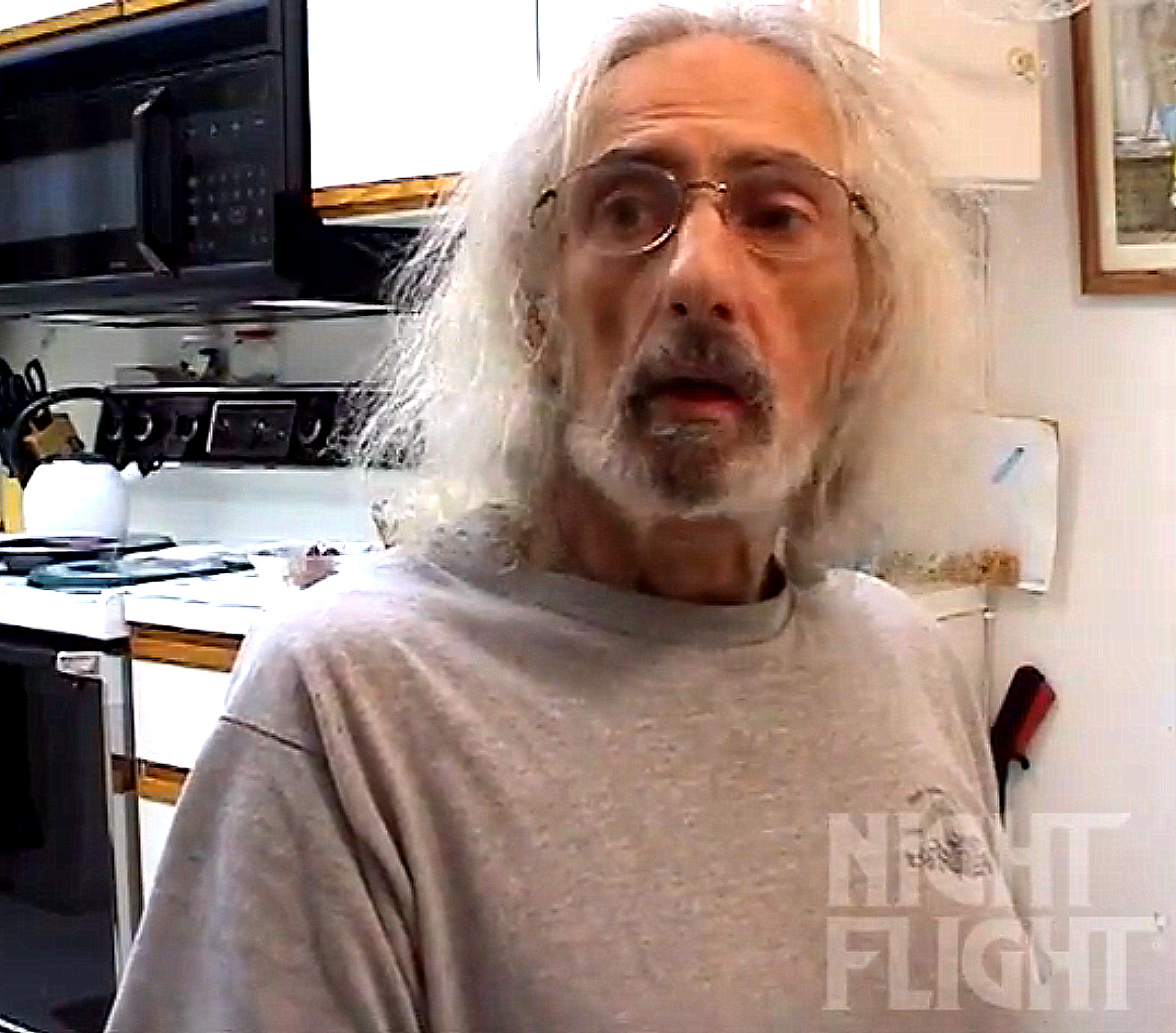
In Breaking Bad and El Camino: A Breaking Bad Movie, Hankin portrayed Old Joe, the owner of a local junkyard. The character of Old Joe was essential for his knowledge of electromagnetics and his pragmatic, often weary approach to the business of disposing of illicit materials. His tall, slightly stooped posture in these scenes contributed to the character's lived-in feel—a man who has spent too much time dealing with scrap metal and dangerous individuals. Similarly, in his guest appearances on Friends as Mr. Heckles, his height helped emphasize the looming, somewhat annoying presence of the character, making him a foil for the lead protagonists.
Comparative Analysis: Character Actors and Physical Casting
Casting directors often categorize actors by their "type," which involves a synthesis of age, weight, height, and general temperament. In the competitive landscape of Hollywood, an actor’s physical specifications are standard data points used during pre-production to ensure visual harmony on screen.
| Actor Name | Approximate Height | Notable Character Archetype |
|---|---|---|
| Larry Hankin | 6'2" | The Eccentric / The Gritty Observer |
| Character Actor A | 5'9" | The Relatable Everyman |
| Character Actor B | 6'5" | The Intimidating Presence |
| Character Actor C | 5'5" | The High-Energy Foil |
Note: Heights are based on standard industry reporting and historical biographical data.
This comparison highlights why Larry Hankin occupies a unique niche. At 6 feet 2 inches, he is tall enough to be imposing, yet his acting style leans toward the understated and the neurotic rather than the traditionally heroic. This juxtaposition is exactly what makes him a sought-after talent for roles that require a character to be physically present but psychologically complex.
The Evolution of Character Acting Standards (1960–2026)
From the early days of his career in the 1960s to the current production environment of 2026, the industry's approach to casting has undergone significant shifts. In the mid-20th century, casting was often driven by rigid physical archetypes. Leading men were expected to be of a certain height, and character actors were often defined by their physical idiosyncrasies.
Today, the focus has shifted slightly toward versatility and digital integration. However, the requirement for actors to possess a distinct physical presence remains unchanged. Whether filming in 4K resolution or participating in motion-capture performances, an actor’s physicality—their height, their gait, and their mannerisms—remains the primary interface between the performer and the camera. Larry Hankin’s career provides a bridge between these two eras. He successfully navigated the transition from the practical, stage-heavy production methods of the 1970s to the high-definition, digitally-enhanced landscape of modern streaming television.
Practical Considerations for Fans and Researchers
For those researching the biographies of classic Hollywood figures, understanding the role of physical stats is part of building a complete profile of an artist's career. When looking for information on an actor's height, it is helpful to cross-reference multiple sources. While agencies and studios track these metrics for production logistics, public information is often sourced from:
- Biographical film registries: Databases that track performer profiles.
- Production notes and call sheets: Historical documents often reveal technical specifications for costume and lighting adjustments.
- Attributed interviews: Personal accounts where actors discuss their physicality and how it impacts their professional opportunities.
If you are an aspiring actor or a student of film, observing how Larry Hankin uses his 6'2" frame—whether it is hunching to appear smaller, standing tall to convey authority, or using his reach to emphasize a gesture—provides a masterclass in physical acting.
Frequently Asked Questions
Is Larry Hankin's height a hindrance to his casting options? No, in the world of character acting, height is considered a feature, not a hindrance. It allows directors to visualize the "geometry" of a scene. Being 6'2" has enabled Hankin to play a variety of roles that require a noticeable physical presence, ensuring he remains a memorable part of the productions he joins.
Did his height affect his role as Mr. Heckles on Friends? While not explicitly written into the script, his stature allowed him to physically occupy space in a way that made him appear as a persistent neighbor. The character's "looming" quality was likely enhanced by his tall frame, which added to the comedic dynamic between Mr. Heckles and the main cast.
Has he changed his approach to acting in recent years? By 2026, Hankin has continued to leverage his decades of experience. His approach remains grounded in the improvisational techniques he learned early in his career, combined with the professional discipline required for long-form television production. He remains a prominent figure for directors looking for reliability and a specific, recognizable "look."
Where can one find reliable physical data for veteran actors? Reliable data is best found in professional industry databases, established acting archives, and vetted biographies. Avoid gossip-driven outlets, as they often inflate or misreport physical measurements for the sake of sensationalism.
What is the most iconic role for Larry Hankin? "Iconic" is subjective, but he is widely celebrated for his role as Old Joe in the Breaking Bad universe and his recurring appearances as Mr. Heckles in Friends. These roles demonstrate his ability to make a lasting impression in a limited amount of screen time.
Final Recommendation for Further Research
If you are interested in the technical aspects of acting or the history of Hollywood character actors, exploring the archives of the Screen Actors Guild or reading contemporary retrospectives on the 1960s improvisational scene will provide deeper insights into how performers like Larry Hankin shaped their careers. To understand his work from a modern perspective, re-watching El Camino with a focus on his physical blocking—how he moves within the space of the junkyard—offers a practical example of how height and movement define a character.
Image Gallery