Comprehensive Guide to Redmond Hazardous Waste Disposal in 2026
For residents and business owners in Redmond, Washington, disposing of hazardous waste requires adherence to specific King County protocols to protect the local Puget Sound ecosystem and public health. As of 2026, the primary method fo...
For residents and business owners in Redmond, Washington, disposing of hazardous waste requires adherence to specific King County protocols to protect the local Puget Sound ecosystem and public health. As of 2026, the primary method for disposing of residential hazardous materials—such as oil-based paints, pesticides, and automotive fluids—is through the Factoria Recycling and Transfer Station in neighboring Bellevue or via the King County Wastemobile roving collection service.
Contents
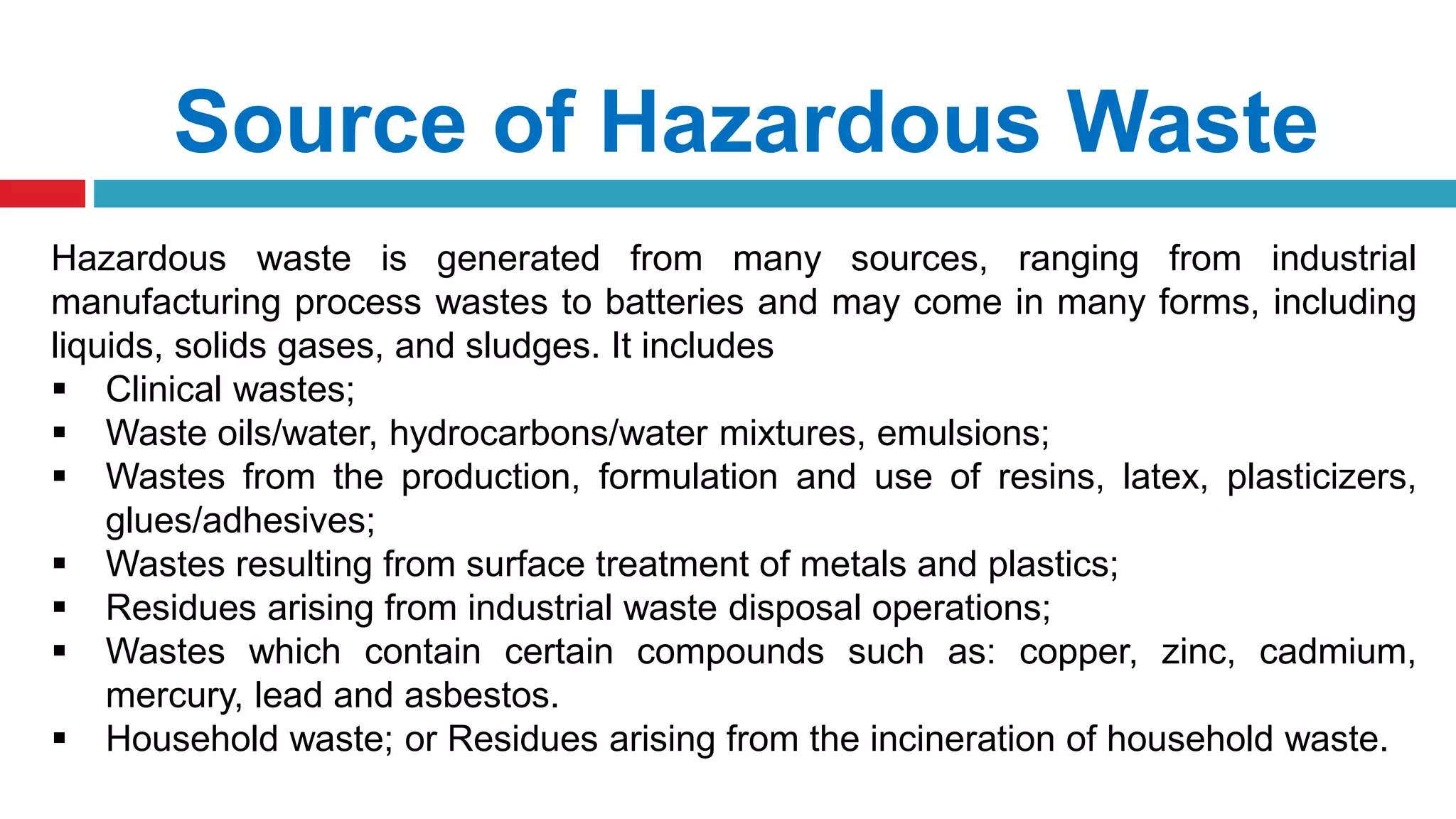
Hazardous waste is defined by its toxicity, flammability, corrosivity, or reactivity. Because these materials can contaminate groundwater, damage sewage systems, and pose fire risks to waste management workers, they are strictly prohibited from standard curbside trash or recycling bins. In Redmond, the management of these materials is a collaborative effort between the City of Redmond, King County Solid Waste Division, and the Local Hazardous Waste Management Program.
Understanding What Qualifies as Hazardous Waste
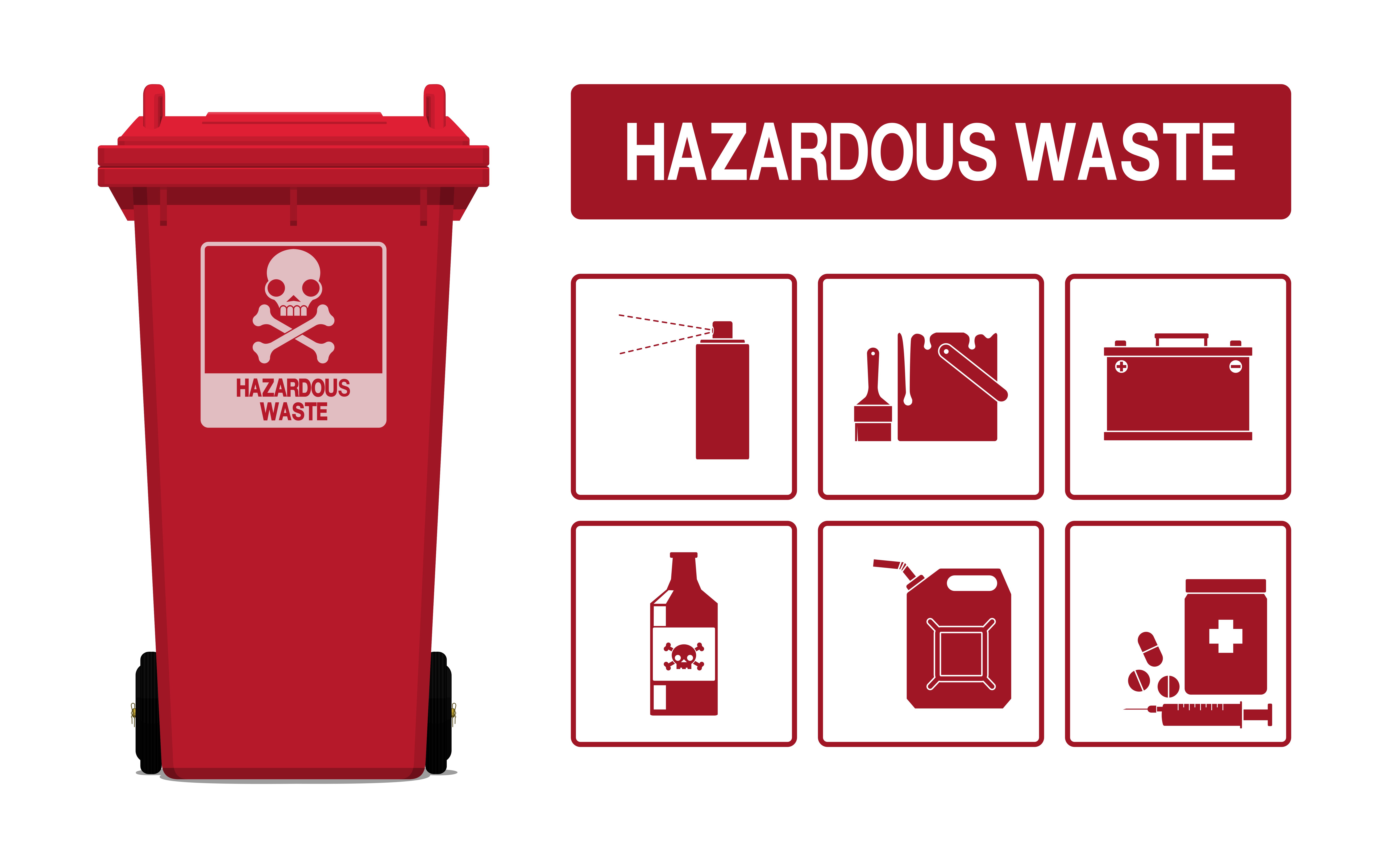
Before heading to a disposal site, it is essential to categorize the materials you have. In 2026, waste management authorities divide household hazardous waste (HHW) into several key categories. Identifying these correctly ensures you follow the right transportation and drop-off protocols.
Automotive Products
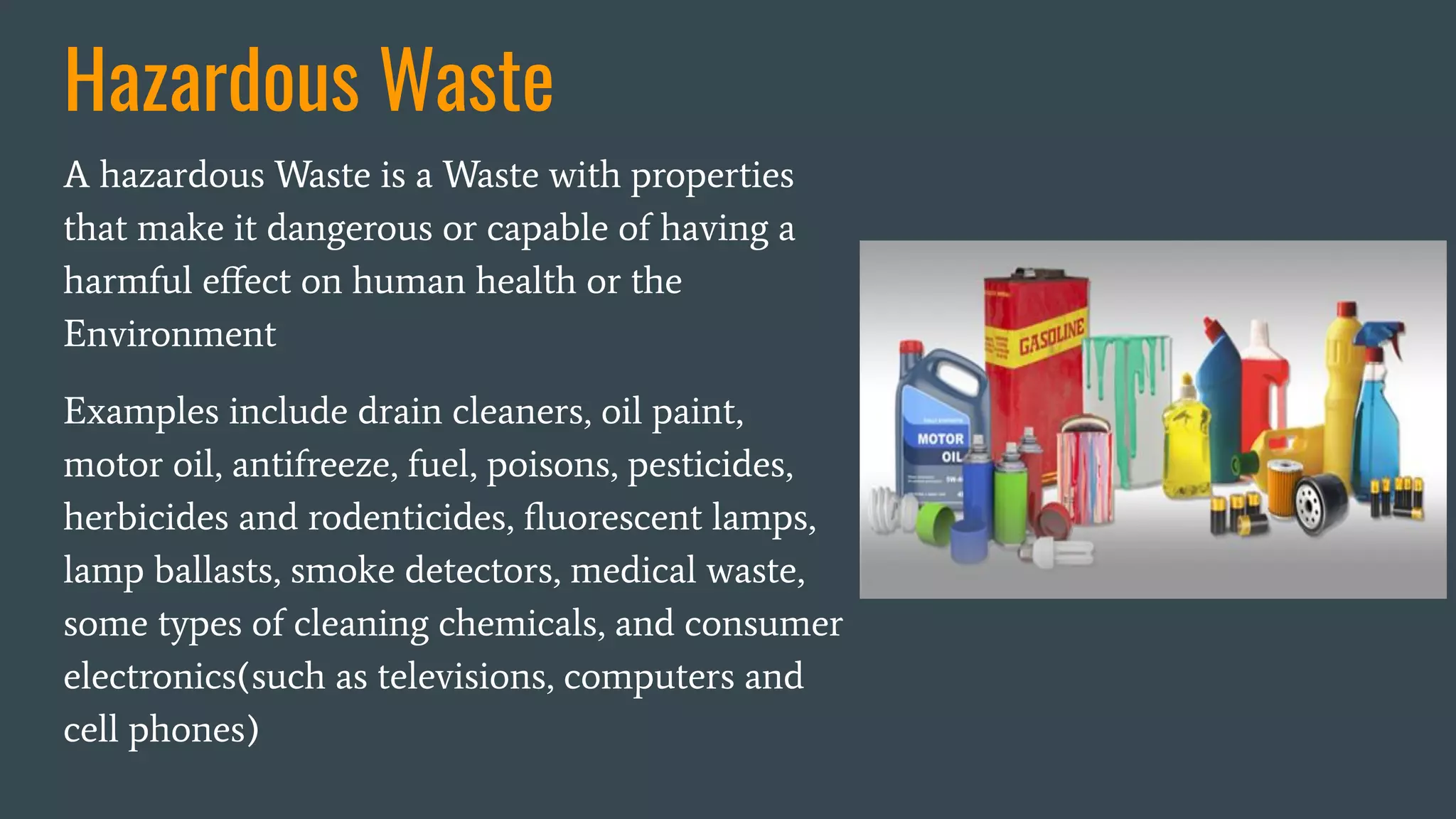
This category includes used motor oil, oil filters, antifreeze, brake fluid, gasoline, and lead-acid batteries. While some of these can be recycled at local Redmond auto parts stores, large quantities or contaminated fluids must go to a dedicated hazardous waste facility.
Gardening and Pest Control
Pesticides, herbicides, fungicides, and fertilizers containing weed killers are high-priority items. These chemicals are particularly dangerous to Redmond’s local watersheds, including the Bear Creek and Sammamish River areas, if not handled correctly.
Home Improvement Supplies
Oil-based paints, stains, varnishes, paint thinners, and solvent-based adhesives are considered hazardous. It is important to note that as of 2026, latex (water-based) paint is no longer classified as hazardous waste in King County if it is solidified; however, many residents prefer to use the Washington PaintCare program for easier recycling of all paint types.
Cleaning and Mercury-Containing Items
Strong acids, caustic cleaners (like oven or drain cleaners), pool chemicals, and anything containing elemental mercury—such as older thermometers and thermostats—require specialized handling. Fluorescent tubes and Compact Fluorescent Lamps (CFLs) also fall into this category due to their mercury vapor content.
The Primary Disposal Hub: Factoria Recycling and Transfer Station
Since Redmond does not host a permanent, year-round hazardous waste facility within city limits, the Factoria Recycling and Transfer Station serves as the regional hub for Redmond residents.
Location and Access
Located at 13800 SE 32nd St, Bellevue, WA 98005, the Factoria station is roughly a 15-to-20-minute drive from downtown Redmond. In 2026, the facility continues to offer hazardous waste drop-off services for households at no additional cost, as these services are funded through a portion of your standard utility bills.
Operating Hours and Capacity
The hazardous waste drop-off area typically operates from 8:00 AM to 4:00 PM, Tuesday through Sunday. It is closed on Mondays and major holidays. Because this is a high-volume facility serving much of East King County, it is recommended to visit on weekday mornings to avoid the significant wait times often seen on Saturday afternoons.
Residential Quantity Limits
To ensure the facility can serve as many residents as possible, King County enforces strict volume limits for household drop-offs:
- Liquids: No more than 30 gallons total per visit.
- Container Size: No single container may exceed 5 gallons.
- Frequency: Residents are generally limited to one drop-off per day.
Redmond-Specific Mobile Collection: The Wastemobile
To improve accessibility for Redmond residents, King County operates the Wastemobile, a roving collection service that visits the Redmond area multiple times per year.
The Wastemobile typically sets up in large parking lots, such as the Redmond Home Depot or near Redmond Town Center. These events allow residents to drop off the same types of hazardous waste accepted at the Factoria station without leaving the city. In 2026, these events usually run from Friday through Sunday, 10:00 AM to 5:00 PM.
Residents should check the King County Hazardous Waste website for the specific 2026 schedule, as dates are subject to change based on seasonal demand and local logistics.
Business Hazardous Waste (SQG) Requirements
If you are a business owner in Redmond, the rules for hazardous waste disposal differ significantly from residential guidelines. Businesses that generate small amounts of hazardous waste are classified as Small Quantity Generators (SQGs).
Eligibility and Fees
Businesses must meet specific volume thresholds to use the King County hazardous waste facilities. Generally, an SQG produces less than 220 pounds of hazardous waste per month. Unlike residential service, businesses may be required to pay a fee based on the volume and type of waste.
The Voucher Program
In 2026, King County continues to offer a "Business Waste Disposal Voucher" for eligible small businesses. This program can significantly reduce the cost of disposal for first-time users or those implementing new waste reduction strategies. Businesses must apply for these vouchers in advance and receive an authorization number before arriving at the Factoria station.
Professional Disposal Services
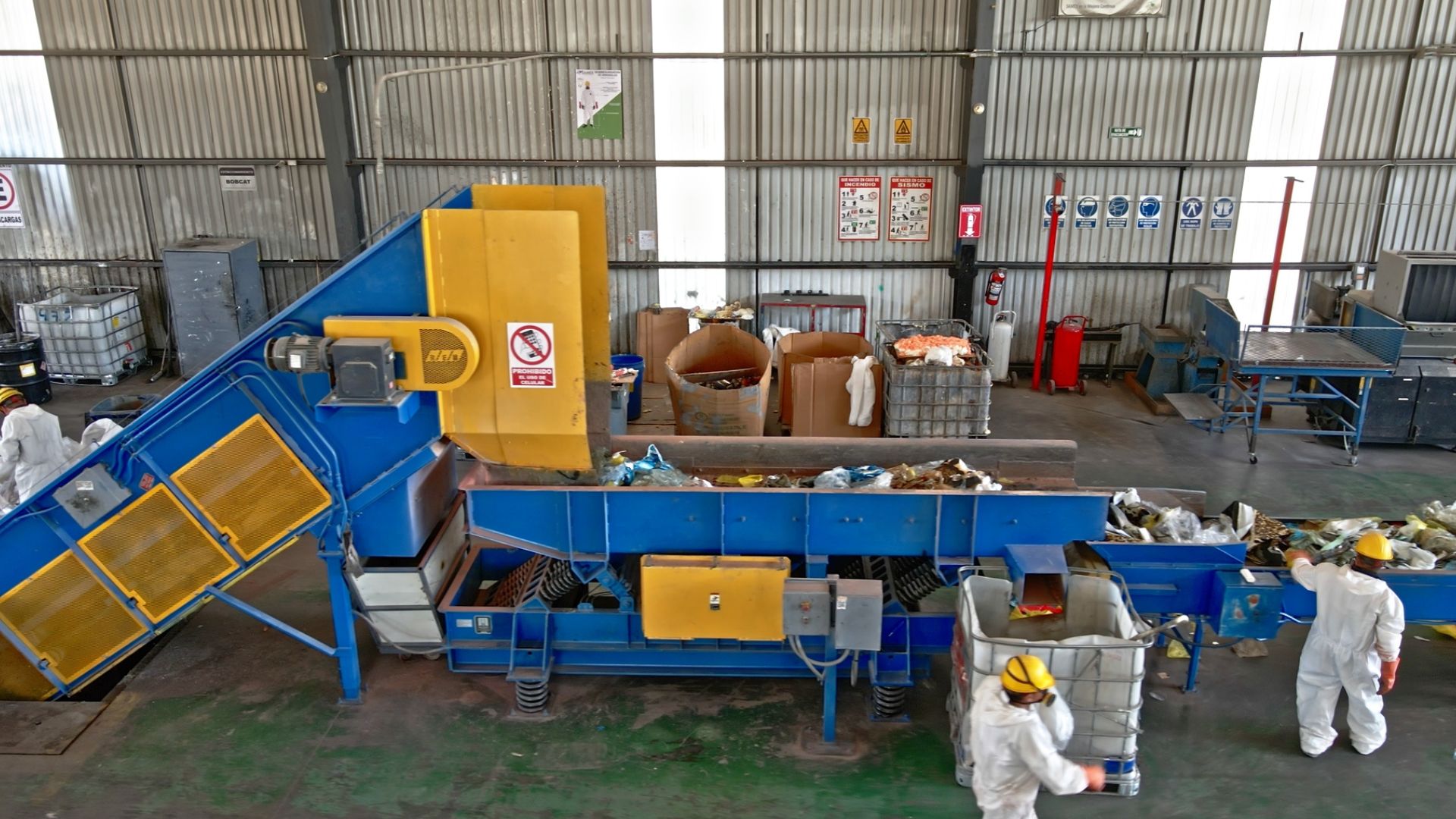
For Redmond’s larger tech and manufacturing firms that exceed SQG limits, private environmental services companies must be contracted. These firms provide on-site pickup, manifesting, and legal documentation required for state and federal compliance under the Resource Conservation and Recovery Act (RCRA).
Specialized Disposal: E-Waste and Pharmaceuticals
Not all "dangerous" items are accepted at standard hazardous waste stations. Some require specialized recycling streams due to their composition or legal restrictions.
Electronics (E-Waste)
Redmond is a tech hub, and E-waste is a common concern. Items like computers, monitors, laptops, and televisions contain heavy metals like lead and cadmium. Under the E-Cycle Washington program, these items can be dropped off for free at authorized sites such as Goodwill or Best Buy in Redmond, rather than taking them to the hazardous waste line at Factoria.
Pharmaceutical Waste
Old medications should never be flushed down the toilet or tossed in the trash, as they contaminate water systems and can be diverted for illicit use. Redmond residents should use the "Med-Project" drop boxes located at pharmacies like Walgreens or CVS, or at the Redmond Public Safety Building. These kiosks accept prescription drugs, over-the-counter medications, and even pet medicines safely and anonymously.
Proper Transportation and Safety Protocols
Transporting hazardous materials requires care to prevent spills or chemical reactions in your vehicle. Follow these 2026 safety guidelines provided by the Local Hazardous Waste Management Program:
- Keep in Original Containers: If the label is missing, clearly mark the container with the known contents. Do not mix different products together.
- Secure the Load: Place containers in a sturdy plastic bin or a cardboard box lined with plastic. Use newspaper or rags to prevent containers from tipping over.
- Ventilation: If you are transporting volatile chemicals like gasoline or paint thinner, keep your car windows cracked to ensure fresh air circulation.
- The Trunk is Best: Always store the waste in the trunk or the bed of a truck, away from the passenger cabin.
- No Smoking: Never smoke near hazardous waste, especially when transporting flammable liquids.
Comparison of Disposal Channels in Redmond
| Waste Type | Primary Disposal Site | Cost (Residential) | Key Requirement |
|---|---|---|---|
| Pesticides/Cleaners | Factoria Transfer Station | Free | Max 30 gallons per visit |
| Motor Oil/Antifreeze | Local Auto Parts Stores | Free | Must be in clean, sealed containers |
| Latex Paint | PaintCare Retailers | Free/Included in Purchase | Can must be original and labeled |
| Laptops/Monitors | E-Cycle WA (Goodwill/Best Buy) | Free | No broken screens (usually) |
| Prescription Drugs | Pharmacy Drop-Off Kiosks | Free | No sharps/needles in these bins |
| Alkaline Batteries | Regular Trash (King County 2026) | N/A | Secure terminals with tape |
| Rechargeable Batteries | Call2Recycle Drop-offs | Free | Avoid "pouch" swelling or damage |
Frequently Asked Questions
Can I put old batteries in my Redmond curbside recycling bin?
No. Batteries, particularly lithium-ion batteries, are a leading cause of fires in garbage trucks and sorting facilities. While standard alkaline batteries (AA, AAA) are permitted in the trash in some jurisdictions, all rechargeable batteries must be taken to a drop-off location like Home Depot, Lowes, or the Factoria station. Always tape the terminals of lithium batteries before disposal.
Is there a fee for Redmond residents to use the Factoria hazardous waste site?
For households, there is no direct fee at the point of drop-off for hazardous waste. The cost is subsidized by the "Hazardous Waste Fee" included in your monthly solid waste and wastewater utility bills. However, businesses (SQGs) may be charged based on the type and quantity of material they bring.
How do I dispose of needles and sharps in Redmond?
Sharps cannot go in the regular trash or hazardous waste bins. They must be placed in a puncture-proof, leak-proof container (like a red biohazard container or a heavy plastic laundry detergent bottle) and sealed with duct tape. These can be taken to the Factoria Transfer Station’s designated medical waste area or certain participating pharmacies.
What should I do with a leaking container of chemicals?
If a container is leaking, place it inside a larger, leak-proof plastic container with an absorbent material like kitty litter or sawdust. Do not attempt to pour the contents into a new container if you are unsure of the material’s reactivity. Contact the King County Hazards Line if you have a spill larger than one gallon.
Does the City of Redmond offer curbside pickup for hazardous waste?
Currently, standard curbside collectors like Waste Management do not pick up hazardous chemicals as part of their routine service. Some specialized "At Your Door" services may be available for a fee through private contracts, but the vast majority of residents use the Factoria station or the Wastemobile for cost-effective disposal.
Final Recommendations for Redmond Residents
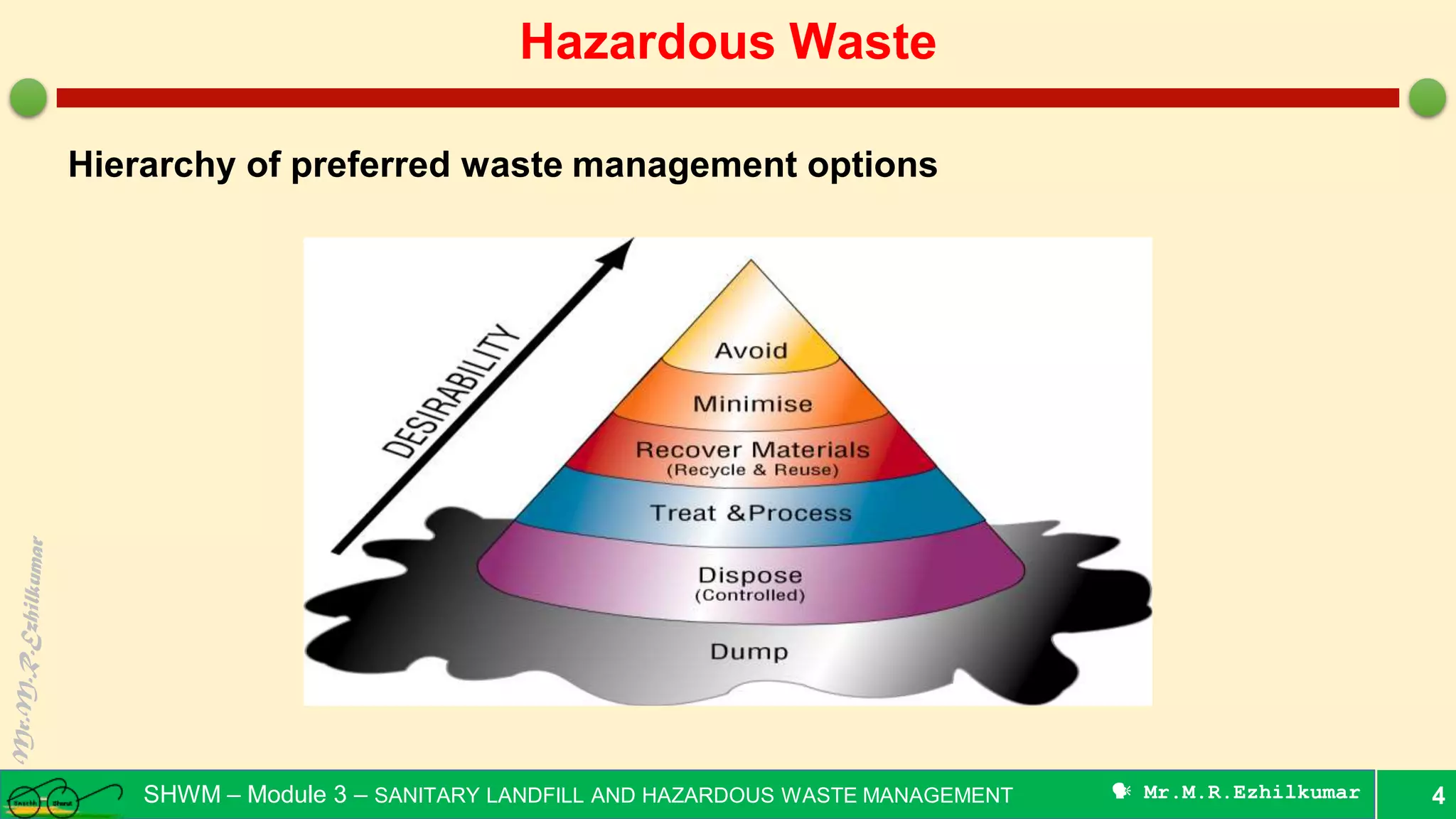
To manage hazardous waste efficiently in 2026, the best course of action is reduction at the source. Before buying large quantities of pesticides or specialty cleaners, consider if a non-toxic alternative exists. If you must dispose of materials, consolidate your trips to the Factoria Recycling and Transfer Station to save time and fuel.
Always check the current status of the Wastemobile schedule if you prefer a local Redmond drop-off. By following these regulations, you contribute to the protection of the Redmond environment and ensure that the city remains a safe place for both its residents and its diverse wildlife.
Image Gallery