Scarlett Johansson’s Bathroom Tile Trick Explained: Transforming Small Spaces with Verticality
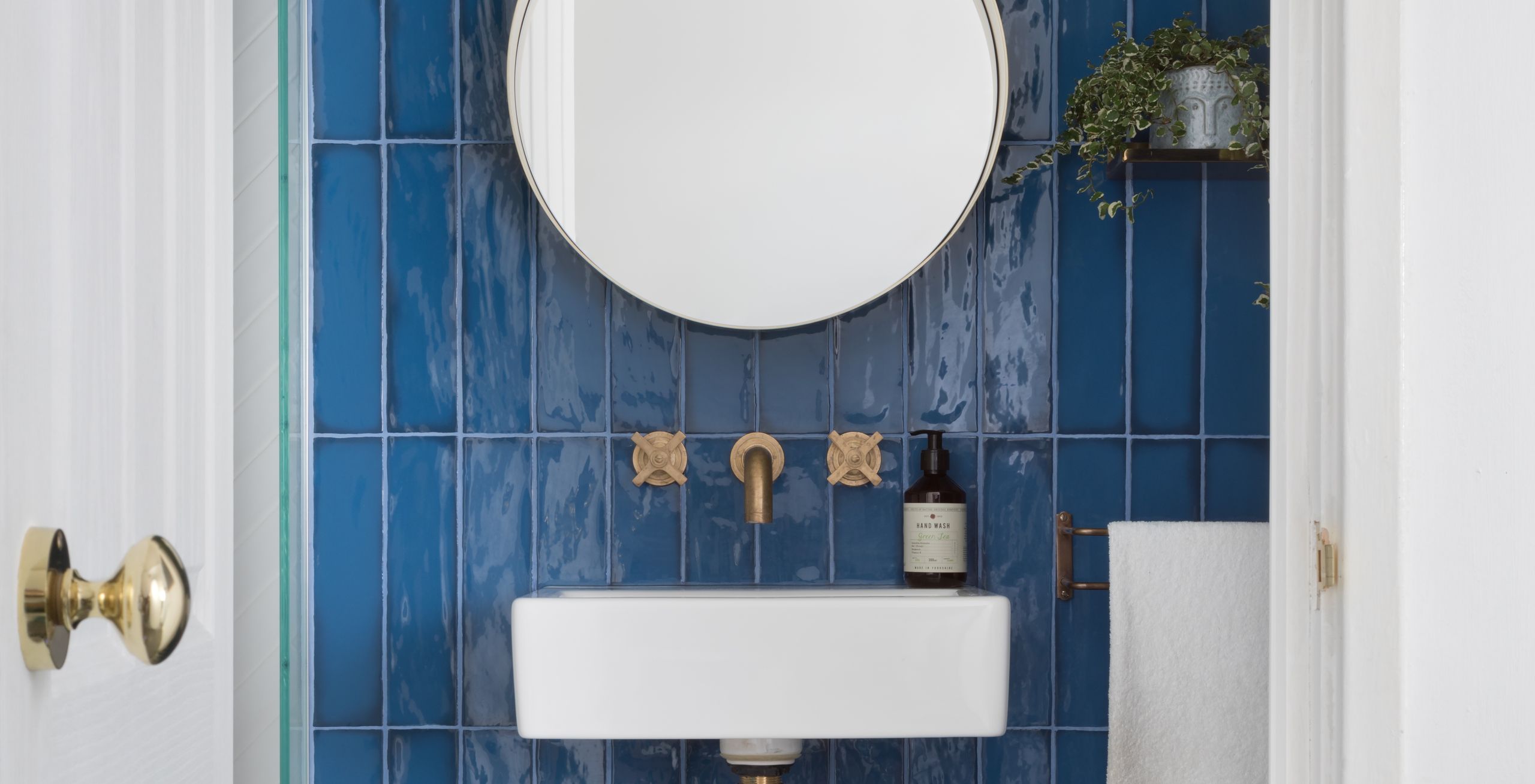
The Scarlett Johansson bathroom tile trick involves a specific design technique where slim, rectangular tiles are laid in a vertical straight stack (soldier stack) rather than a traditional horizontal offset. By pairing this vertical a...
The Scarlett Johansson bathroom tile trick involves a specific design technique where slim, rectangular tiles are laid in a vertical straight stack (soldier stack) rather than a traditional horizontal offset. By pairing this vertical alignment with tonal grout that matches the tile color, the space achieves an illusion of increased ceiling height and a seamless, architectural finish that mimics expensive stone slabs.
Contents
The Concept: What is the Scarlett Johansson Tile Trick?
In the world of high-end interior design, celebrity homes often serve as the testing ground for trends that eventually dominate the mainstream market. The "Scarlett Johansson bathroom tile trick" gained traction following glimpses into the actress’s private residences and her focus on "sensory minimalism" through her skincare brand, The Outset. The trick is less about a secret product and more about a sophisticated application of geometry and color theory.
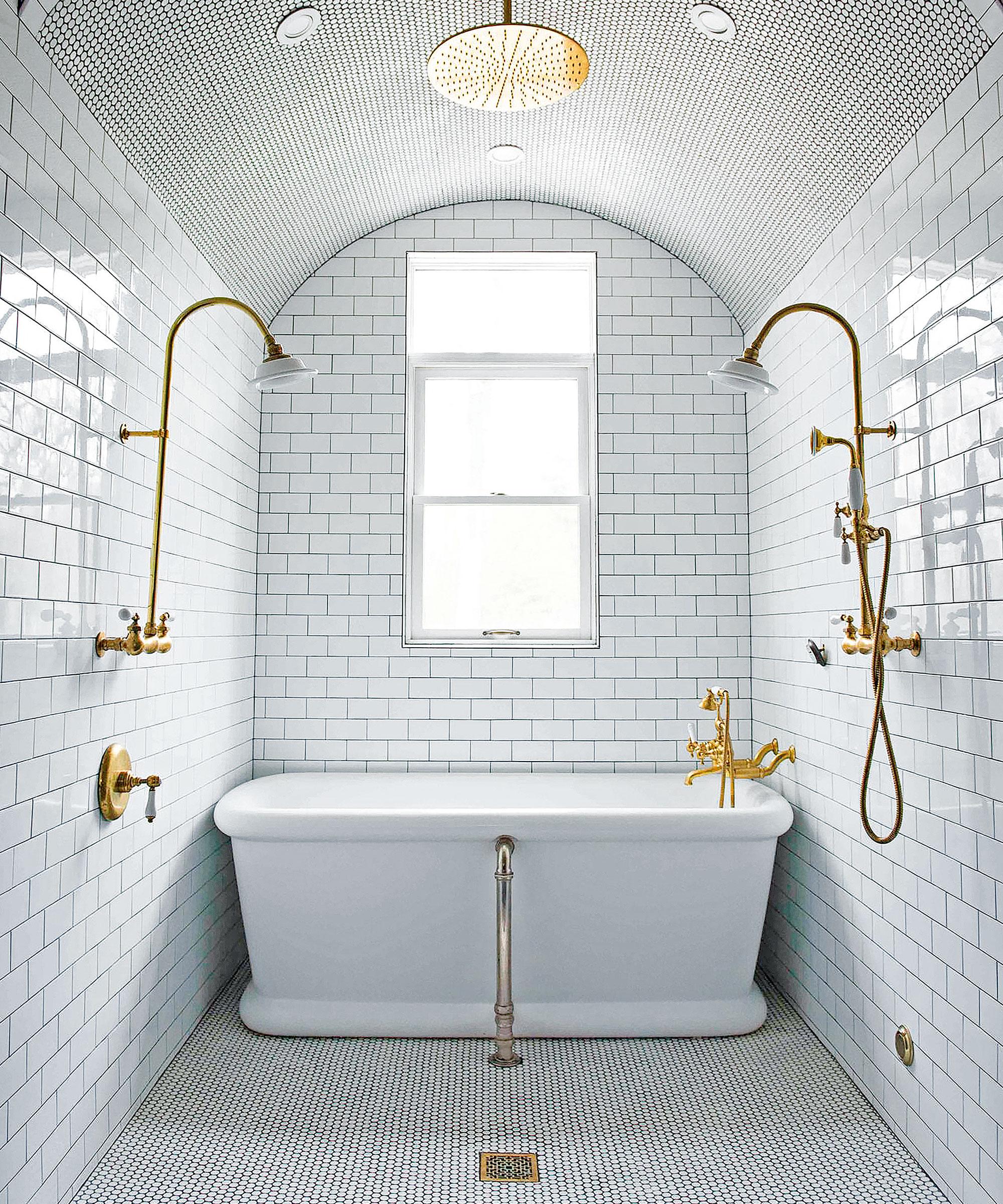
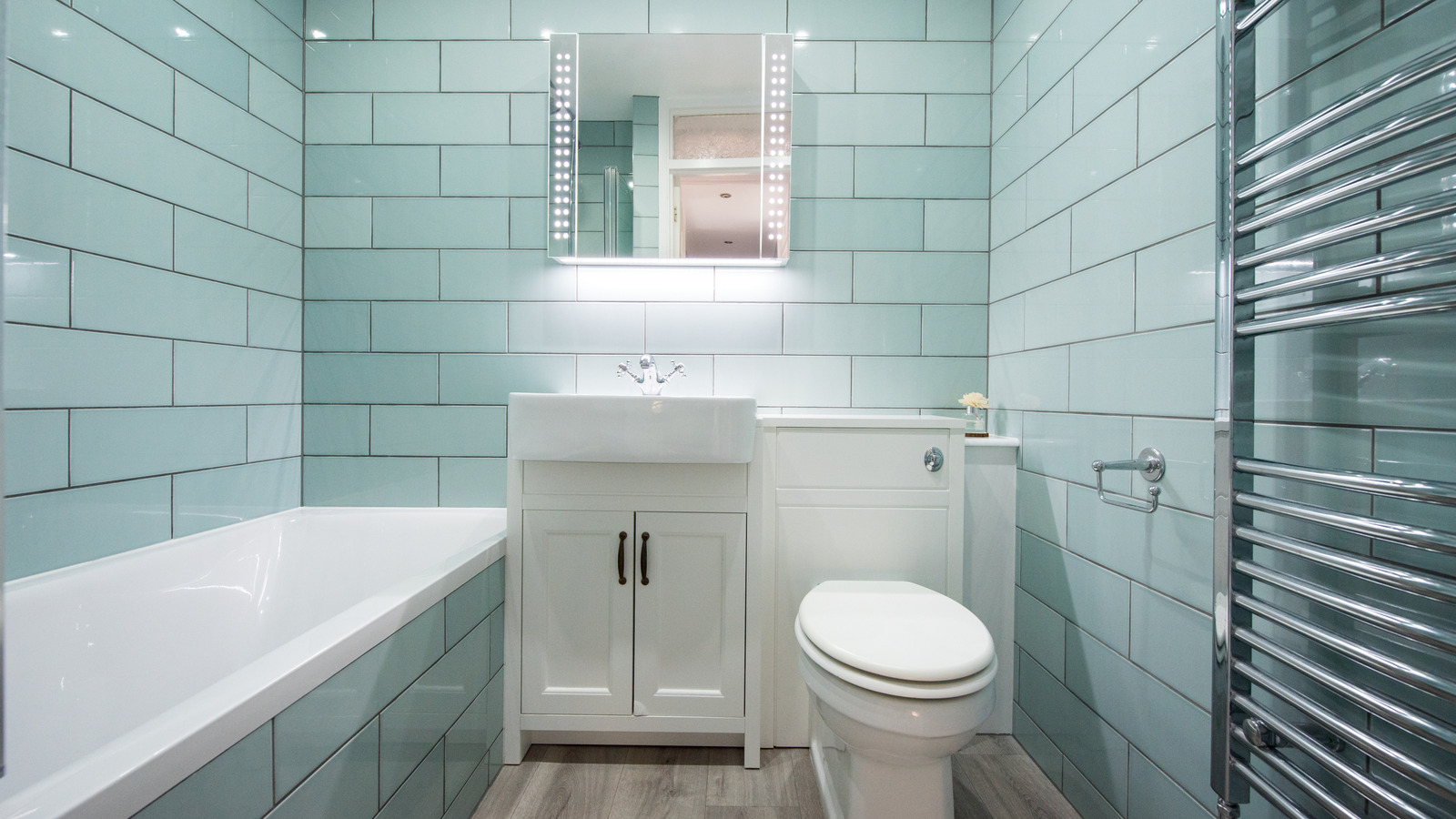
Traditionally, subway tiles are installed in a "running bond" or "brick" pattern. While classic, this horizontal orientation emphasizes the width of a room. Johansson’s preferred "trick" flips this convention on its head—literally. By rotating the tiles 90 degrees and aligning them in perfect vertical columns, the design creates a series of uninterrupted vertical lines. In the context of 2026 design standards, where urban living spaces are increasingly compact, this technique has become a go-to solution for making standard five-by-eight-foot bathrooms feel like expansive, spa-like retreats.
The second half of the trick involves the grout. Rather than using a high-contrast grout (like black grout with white tiles), the "Johansson method" utilizes tonal or "monolithic" grouting. This means the grout color is mathematically matched to the tile’s glaze. This minimizes the visual "grid" effect, allowing the texture and height of the tiles to take center stage without the cluttered appearance of traditional tiling.
The Architectural Science of Vertical Stacking
To understand why this trick is so effective, one must look at the principles of visual perception and the "vertical-horizontal illusion." Our brains perceive vertical lines as being longer than horizontal lines of the same actual length. When a bathroom is tiled from floor to ceiling in a vertical stack, the eye is forced to travel upward without interruption.
Enhancing Ceiling Height
In most residential constructions, bathroom ceilings sit at approximately eight feet. Horizontal lines, such as those found in standard tile layouts or wainscoting, act as visual "stops" that emphasize the proximity of the floor to the ceiling. The vertical stack removes these stops. By creating long, continuous paths for the eye to follow, the trick effectively "pushes" the ceiling away from the floor, making a cramped shower stall feel significantly more airy.
Minimizing Visual Noise
A major problem in small bathroom design is "visual noise"—too many competing patterns, lines, and textures. The traditional running bond pattern creates a jagged, stepped line at every corner and edge. The vertical straight stack, especially when executed with rectified tiles (tiles with perfectly straight, machine-cut edges), creates a clean, grid-like precision. This architectural orderliness provides a sense of calm and luxury, which is a hallmark of the "quiet luxury" aesthetic that has remained dominant through 2026.
Material Selection: The Role of Zellige and Handmade Aesthetics
While the trick can be performed with standard ceramic tiles, its most premium iteration—and the one most associated with the celebrity aesthetic—uses Zellige tiles. Zellige is a handcrafted Moroccan clay tile known for its irregular surfaces, tonal variations, and "imperfect" edges.
Why Zellige Changes the Game
When Zellige tiles are used in a vertical stack, the "trick" evolves from a simple geometry hack into a play on light and shadow. Because each tile is slightly different in thickness and glaze saturation, the vertical columns catch light at different angles. This creates a "shimmer" effect that adds depth to the walls. In 2026, many homeowners are opting for "Zellige-style" porcelain, which offers the same aesthetic with lower maintenance requirements and a more accessible price point.
Texture vs. Pattern
The Johansson trick prioritizes texture over pattern. By avoiding busy motifs or colorful mosaics and instead focusing on the rhythmic texture of vertically aligned rectangles, the bathroom remains timeless. This approach is particularly effective in master suites where the goal is to create a transitional space between the bedroom and the functional wet areas.
Technical Implementation: A Step-by-Step Guide
Executing this trick requires a higher level of precision than traditional tiling. Because the tiles are stacked directly on top of one another, any deviation in level or plumb will be magnified as the columns grow toward the ceiling.
1. Substrate Preparation
The walls must be perfectly flat. In 2026, professional installers typically use a "cleat" system or large-format backer boards to ensure there are no bows in the wall. If the wall is even slightly curved, the vertical lines will appear to "wave," ruining the architectural effect.
2. Laser Leveling
A multi-plane laser level is non-negotiable for the Scarlett Johansson trick. The installer must establish a perfectly vertical "control line" in the center of the main focal wall. Tiles are then laid outward from this center line to ensure symmetry at the corners.
3. Grout Joint Sizing
To achieve the "seamless" look, grout joints should be kept extremely thin—typically 1/16th of an inch. For handmade tiles like Zellige, "butt-jointing" (placing tiles touching each other) is sometimes attempted, but most 2026 building codes and manufacturer warranties recommend a minimal joint to allow for thermal expansion.
4. Tonal Grout Selection
Selecting the grout color is the most critical step for the final aesthetic. Designers recommend choosing a grout that is one shade lighter than the tile itself. Once the grout dries, it often appears darker than the wet sample, and a slightly lighter shade ensures the lines disappear into the tile field rather than creating a dark "cage" around each tile.
Cost and Value Analysis
Implementing this design involves different financial considerations than a standard renovation. While the tiles themselves may cost the same, the labor and specialized materials often command a premium.
| Feature | Standard Horizontal Bond | Vertical "Johansson" Stack |
|---|---|---|
| Labor Difficulty | Moderate | High (requires precision alignment) |
| Material Waste | 10% (standard cuts) | 15% (due to symmetry requirements) |
| Visual Impact | Traditional/Expected | Architectural/Modern |
| Ceiling Perception | Height remains stagnant | Illusion of 10-20% more height |
| Recommended Tile | 3x6 Subway | 2x8 or 2x10 Slim Rectangle |
| Grout Style | Contrasting (often) | Tonal/Matching (always) |
In 2026, the average cost for a professional installation of a vertical stack in a standard bathroom ranges from $2,500 to $4,500 for labor alone, depending on the complexity of the tile material. While more expensive, the ROI (Return on Investment) is often higher because the design is perceived as a "custom architectural feature" rather than a basic renovation.
Common Mistakes to Avoid
Even with the right materials, the "trick" can fail if certain technical details are overlooked.
- Using Large Tiles: The trick works best with slim, elongated tiles (such as 2"x8" or 2"x10"). Using large 12"x24" tiles in a vertical stack can often make a room feel smaller and more "institutional" rather than luxurious.
- Neglecting the Layout at Corners: If the layout isn't planned correctly, you may end up with a tiny sliver of tile in the corners. This shatters the illusion of a seamless stone-like surface. Always "dry lay" or digitally map the wall before the first tile is set.
- Inconsistent Grout Lines: Because the vertical lines are so long, a 1mm difference in grout thickness at the bottom of the wall can result in a significant lean by the time you reach the top. Plastic spacers or "T-lock" leveling systems are essential.
- Ignoring the "Fifth Wall": For the full celebrity effect, the vertical tile should ideally stop just before the ceiling or continue onto the ceiling. Leaving a large gap of painted drywall above the tile can "shorten" the wall, counteracting the purpose of the vertical stack.
Maintenance and Longevity in 2026
From a maintenance perspective, the vertical stack is surprisingly practical. Horizontal surfaces (like the top edges of offset tiles) tend to collect more soap scum and mineral deposits. Vertical grout lines allow water to shed more efficiently toward the drain.
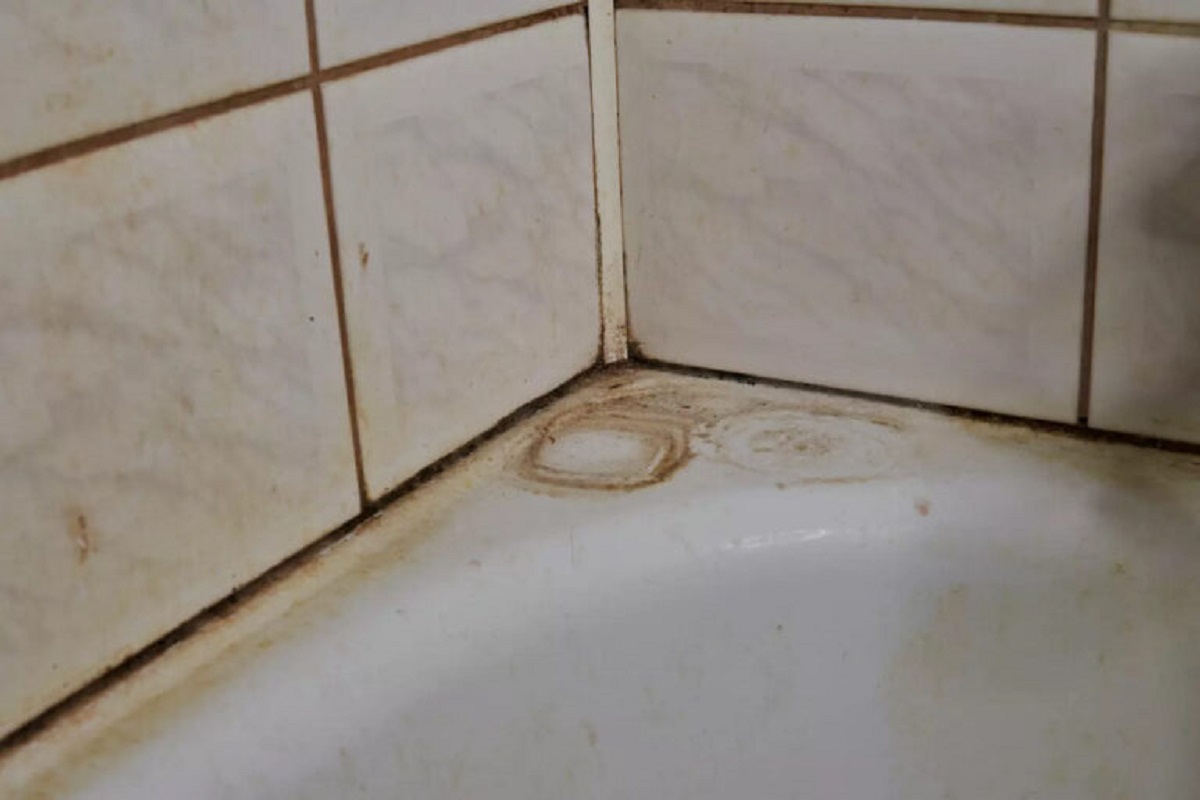
However, because the grout joints are so thin in this style, using a high-performance, epoxy-based or pre-mixed grout is recommended in 2026. These materials are non-porous and resistant to the mold and mildew that often plague small, poorly ventilated bathrooms. This ensures that the "pristine" celebrity look remains intact for years without the need for aggressive scrubbing.
FAQ
Does the vertical tile trick work in large bathrooms? Yes, but the impact is different. In a large bathroom, the vertical stack creates a sense of "grandeur" and "rhythm." In small bathrooms, it is used primarily for "expansion." For larger spaces, designers often use slightly wider tiles to maintain the proper scale of the room.
Can I use this trick with dark colors? Absolutely. In fact, a vertical stack in a dark, matte tile (like charcoal or forest green) with matching grout creates a "moody" and "cocoon-like" atmosphere that is very popular in 2026 "wellness" bathroom designs. The verticality prevents the dark color from feeling "heavy" or "closing in" on the user.
Is it harder to clean vertical tiles? No, it is actually slightly easier. Water flows downward along the vertical grout lines more naturally than it does across the staggered horizontal lines of a brick pattern. This reduces the pooling of water on grout "shelves," leading to fewer stains over time.
What is the best tile size for this trick? The most effective size for the "Johansson" look is a 2"x10" or 2.5"x8" rectangle. These proportions provide enough verticality to draw the eye upward without the tile looking like a "picket" or a "needle."
Does this trick require a specific type of shower head? While not strictly required, a ceiling-mounted "rain" shower head complements the vertical lines of the tile. It reinforces the "vertical axis" of the room and keeps the focus on the height of the space.
Practical Recommendation
If you are planning a bathroom renovation in 2026 and want to utilize the Scarlett Johansson bathroom tile trick, start by selecting a rectified porcelain tile in a slim 2x10 format. Ensure your contractor uses a laser level for the initial layout and request a 1/16-inch grout joint with a color-matched high-performance grout. To maximize the effect, run the tile from the floor all the way to the ceiling, avoiding any horizontal trim or transition strips that might break the vertical flow.
Image Gallery