Joker Movie Budget: Financial Breakdown, Production Costs, and Box Office Economics
The original 2019 Joker movie was produced on a modest net budget of approximately $55 million to $70 million, an unusually low figure for a comic book adaptation. Directed by Todd Phillips and starring Joaquin Phoenix, this grounded c...
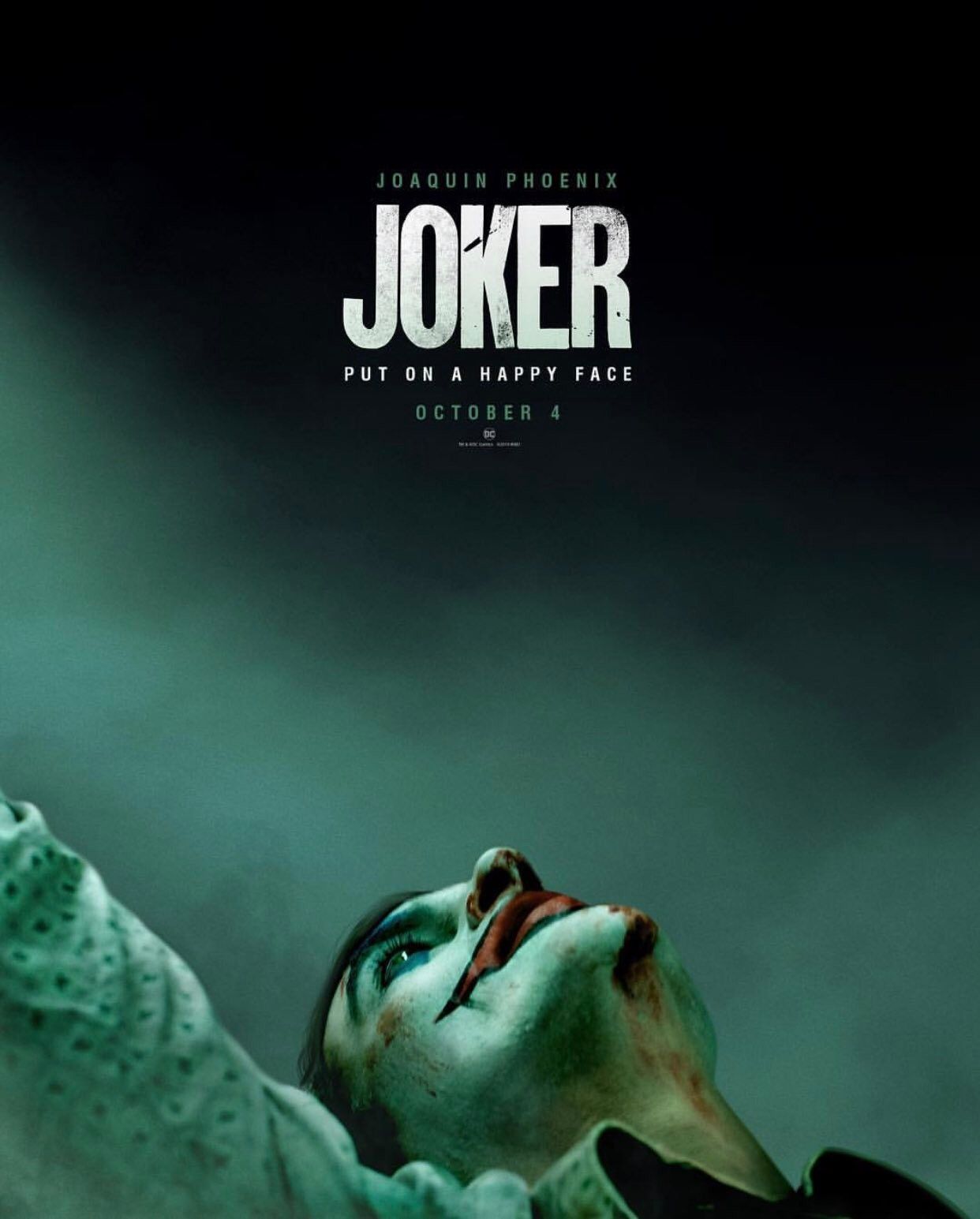
The original 2019 Joker movie was produced on a modest net budget of approximately $55 million to $70 million, an unusually low figure for a comic book adaptation. Directed by Todd Phillips and starring Joaquin Phoenix, this grounded character study bypassed standard blockbuster expenditures to achieve massive profitability, eventually crossing the $1 billion threshold worldwide and establishing a unique financial model for R-rated psychological dramas within the superhero genre.
Contents
Dissecting the Production Costs of the 2019 Masterpiece
Understanding the financial architecture of the 2019 Joker requires looking past traditional studio spending patterns. Warner Bros., DC Films, and Village Roadshow Pictures structured the film as a gritty, independent-style psychological thriller rather than a sprawling CGI-heavy tentpole.
Financing Partners and Risk Mitigation
To manage financial exposure, Warner Bros. distributed the financial risk among multiple production entities. Bron Creative and Joint Effort joined as co-financiers alongside Village Roadshow. This partnership reduced Warner Bros.' direct capital outlay, meaning the studio did not shoulder the entire $55 million to $70 million price tag alone.
Where the Money Went
Because the film focused heavily on practical locations, period-accurate 1981 New York City set designs, and character-driven performances, the capital allocation differed significantly from standard action-heavy releases:
- Below-the-Line Crew Expenses: Substantial investments were made in authentic Gotham-era street designs, gritty practical set dressings, and period-specific wardrobe.
- Cinematography and Lighting: Lawrence Sher's distinct visual style utilized naturalistic lighting and vintage lenses, keeping elaborate digital rendering expenses to a minimum.
- Talent Compensation: Joaquin Phoenix took a lower upfront salary in exchange for backend points, a high-risk, high-reward structure that paid off immensely when the film became a global phenomenon.
Comparing Budgets: The First Film Versus Folie à Deux
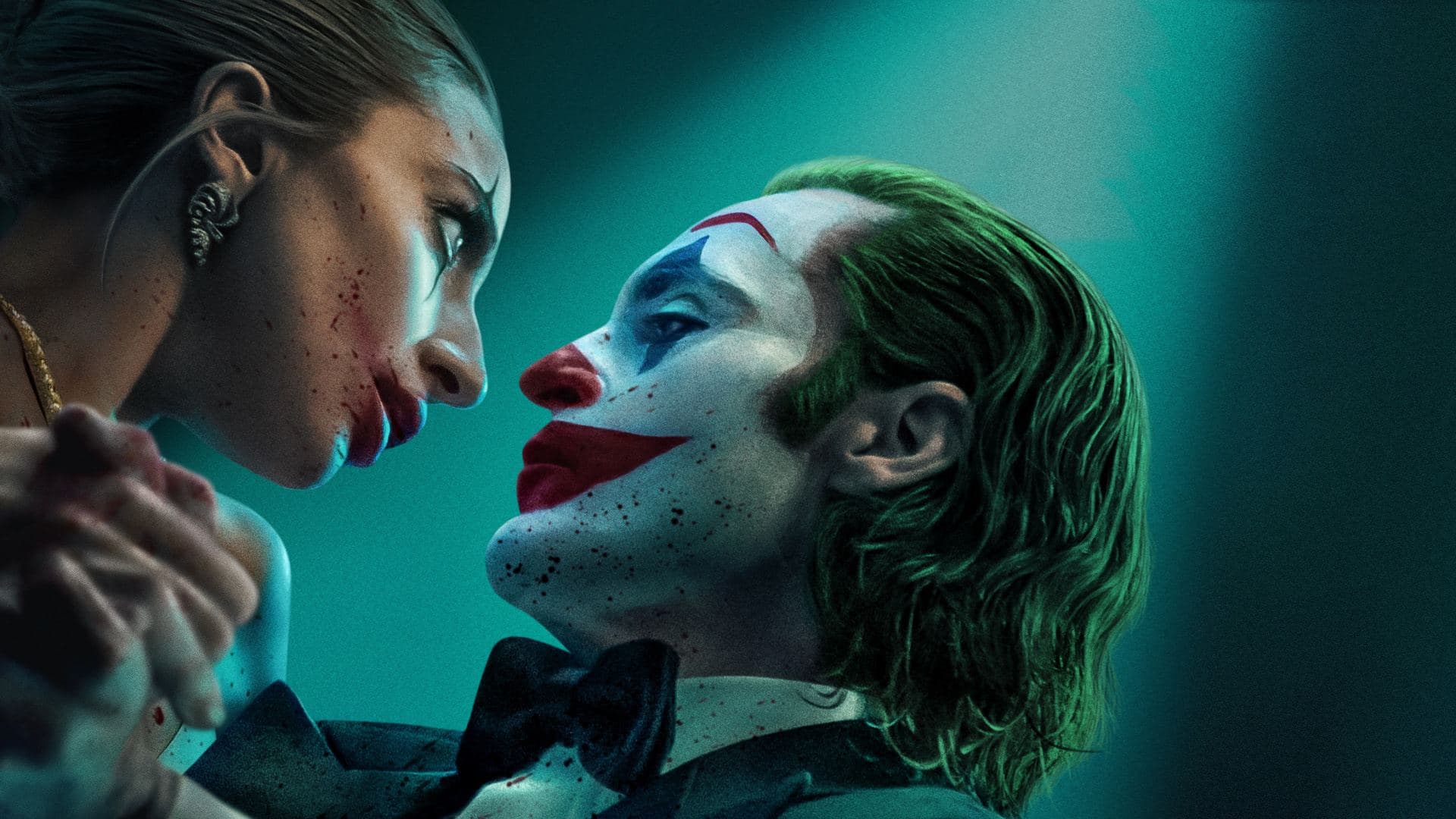
The financial strategy shifted drastically for the 2024 sequel, Joker: Folie à Deux. While the original film proved that low-budget risks could yield massive historical rewards, the follow-up escalated production expenditures significantly to accommodate its musical sequences, expanded scale, and major cast additions.
| Production Metric | Joker (2019) | Joker: Folie à Deux (2024) |
|---|---|---|
| Estimated Net Budget | $55M - $70M | $190M - $200M |
| Primary Genre Focus | Psychological Thriller / Drama | Psychological Musical / Courtroom Drama |
| Lead Talent Salaries | Moderate upfront + backend | $20M (Joaquin Phoenix), $20M (Lady Gaga) |
| Visual / Musical Scope | Grounded street-level realism | Elaborate dream sequences and musical staging |
| Box Office Threshold for Profit | ~$450M worldwide | ~$450M worldwide |
The Financial Mechanics of R-Rated Comic Book Adaptations
Producing a comic book adaptation with a modest budget fundamentally changes the financial breakeven analysis. Major studio tentpoles often require $400 million in global ticket sales just to cover production and marketing expenses. For the 2019 film, the financial reality was far more favorable.
Marketing and Distribution Expenditure
Industry standards dictate that marketing a global release typically matches or exceeds the production budget. For the 2019 film, global marketing campaigns, festival runs (such as its premiere at the Venice International Film Festival), and digital ad buys added roughly $120 million to $350 million in total costs. Even with these secondary expenses factored in, the film reached profitability during its opening weekend run.
The Impact of the R-Rating
While an R-rating traditionally limits the total addressable audience by barring underage viewers, Joker defied expectations. By keeping the production cost low, the studio mitigated the risk of alienating younger demographics. The lower entry barrier meant that even if the film performed moderately, it would secure a healthy return on investment.
Profitability, Ancillary Streams, and ROI
The ultimate success of the 2019 production is measured by its return on investment (ROI). Grossing over $1.074 billion globally against its initial production budget made it one of the most profitable comic book films in cinematic history.
Revenue Breakdown Beyond the Box Office
Box office ticket sales represent only the first phase of a film's financial lifecycle. Additional revenue streams contributed heavily to the overall profitability:
- Home Entertainment: Physical media sales (4K Ultra HD, Blu-ray, and DVD) capitalized on collector demand for prestige cinema.
- Streaming Rights: Licensing agreements with major subscription video-on-demand platforms secured steady recurring revenues.
- Television and Broadcast Syndication: Global network licensing agreements ensured long-term monetization.
Common Misconceptions About Studio Budgets
Publicly reported figures for film budgets often lead to confusion among moviegoers and media analysts. Distinguishing between net production budgets, gross expenditures, and marketing outlays clarifies how Hollywood accounting operates.
Gross Versus Net Figures
When trade publications cite a $55 million budget for the original film, they are typically referring to the net production cost after tax incentives and rebates. Productions filmed in specific regions often utilize local tax credits, which lower the net out-of-pocket expenses for the financiers.
Backend Deals and Profit Participation
Star power often dictates budget flexibility. High-profile actors and directors frequently accept reduced upfront compensation in exchange for a percentage of the film's gross or net profits. This structure protects the studio if a film underperforms while heavily rewarding creators when the project outperforms expectations.
Frequently Asked Questions
What was the exact budget of the 2019 Joker movie?
The net production budget for the 2019 film is widely reported to be between $55 million and $70 million. This low figure allowed the film to achieve profitability much faster than standard $200 million superhero blockbusters.
Why was the budget for Joker so low compared to other superhero films?
The film functioned as an independent-style psychological drama rather than an action-heavy CGI spectacle. It relied on practical sets, location filming in New York, and a concentrated character study rather than massive visual effects sequences.
Did the low budget hurt the film's visual quality?
No, the restrained budget forced the filmmakers to prioritize strong cinematography, authentic set design, and grounded storytelling. This aesthetic choice contributed significantly to the film's gritty, realistic tone.
How much did Joker: Folie à Deux cost to make?
The sequel carried a significantly higher net production budget, estimated between $190 million and $200 million. This increase was driven by larger scale musical sequences, elaborate set pieces, and substantial upfront talent compensation for lead actors Joaquin Phoenix and Lady Gaga.
What is the financial threshold for a film like Joker to turn a profit?
A film typically needs to earn roughly double or triple its production and marketing costs worldwide to account for theater revenue splits, distribution fees, and promotional campaigns. For the original film, this breakeven point was reached almost immediately during its theatrical run.
Strategic Financial Takeaways for Modern Filmmaking
The production history of the Joker franchise demonstrates that high financial returns do not strictly require massive budgets. By balancing creative risk, controlled production spending, and strategic risk-sharing among co-financiers, studios can produce prestige character studies that rival traditional blockbusters in profitability. Whether analyzing the lean execution of the 2019 original or the escalated ambitions of the sequel, financial structure remains the defining element of modern cinematic success.
Image Gallery