Understanding the Labbaik Islam Debate
The "Labbaik Islam" debate centers on the rise of the Tehreek-e-Labbaik Pakistan (TLP) and its militant advocacy for the finality of Prophethood and stringent blasphemy laws. It explores the tension between extreme religious devotion,...
The "Labbaik Islam" debate centers on the rise of the Tehreek-e-Labbaik Pakistan (TLP) and its militant advocacy for the finality of Prophethood and stringent blasphemy laws. It explores the tension between extreme religious devotion, known as "Ishq-e-Rasool," and the sovereign authority of the state, civil liberties, and international diplomatic stability.
Contents
Origins of the Movement: The Barelvi Paradigm Shift
To understand the current debate in 2026, one must look back at the radical transformation within the Barelvi school of thought that began over a decade ago. Historically, the Barelvi movement in South Asia was perceived as a more mystical, Sufi-oriented, and relatively quietist tradition compared to the more puritanical Deobandi or Ahl-i-Hadith movements. However, this perception shifted dramatically following the 2011 assassination of Punjab Governor Salman Taseer by his bodyguard, Mumtaz Qadri.
Qadri’s act was motivated by Taseer's opposition to Pakistan’s blasphemy laws and his support for Asia Bibi, a Christian woman accused of blasphemy. The subsequent execution of Qadri in 2016 became the foundational "martyrdom" for the movement. The Tehreek-e-Labbaik Pakistan (TLP), led by the charismatic and fiery orator Khadim Hussain Rizvi, emerged from the protests surrounding Qadri’s trial. The slogan "Labbaik Ya Rasool Allah" (I am here, O Messenger of Allah) was transformed from a traditional prayer into a political rallying cry, signaling a new era of aggressive Barelvi activism.
By 2026, the debate has evolved from a fringe religious concern into a permanent fixture of the national security and political discourse. Critics argue that this shift represents the "weaponization of devotion," where legitimate religious sentiment is used to bypass the rule of law. Proponents, however, view it as the only effective way to protect the Khatm-i-Nabuwwat (the Finality of Prophethood) in a modernizing world.
The Central Legal Debate: Blasphemy and Section 295-C
The heart of the "Labbaik Islam" debate is the application and preservation of Section 295-C of the Pakistan Penal Code, which mandates the death penalty for insulting the Prophet Muhammad. The TLP and its supporters view any attempt to reform this law—or even to ensure due process for the accused—as an act of blasphemy in itself.
The debate is characterized by three conflicting perspectives:
- The Absolutist View: Supporters of the movement believe that the protection of the Prophet’s honor transcends all other legal and human rights frameworks. They argue that the state is religiously obligated to execute those accused of blasphemy without delay or procedural interference.
- The Proceduralist View: Many legal experts and state officials argue that while the law exists, it is frequently abused to settle personal scores or target religious minorities. They advocate for administrative safeguards to prevent false accusations, a move the Labbaik movement often labels as "liberal secularization."
- The Human Rights View: International organizations and local activists highlight the systemic danger posed by the "Labbaik" ideology, which often encourages extrajudicial killings. According to Amnesty International, the climate of fear generated by these debates makes it nearly impossible for judges and lawyers to operate fairly in blasphemy cases.
In the mid-2020s, this debate has reached a stalemate. While the state has resisted repealing the law, it has struggled to maintain order when the Labbaik movement mobilizes thousands of followers to demand the hanging of specific individuals or the expulsion of foreign diplomats.
Political Impact and the mainstreaming of Radicalism
One of the most complex aspects of the "Labbaik Islam" debate is the party's transition from a protest movement to a potent political force. In the 2018 general elections, the TLP emerged as the third-largest party in Punjab by vote count, a feat that shocked the political establishment. By 2026, their ability to mobilize the "street" has forced mainstream political parties to adopt more conservative rhetoric to avoid losing their own voter bases.
This "mainstreaming" has created a unique set of challenges for the Pakistani state:
- Electoral Influence: The party’s focus on a single, highly emotional issue—blasphemy—allows it to transcend traditional economic or social policy debates, making it a "spoiler" in high-stakes elections.
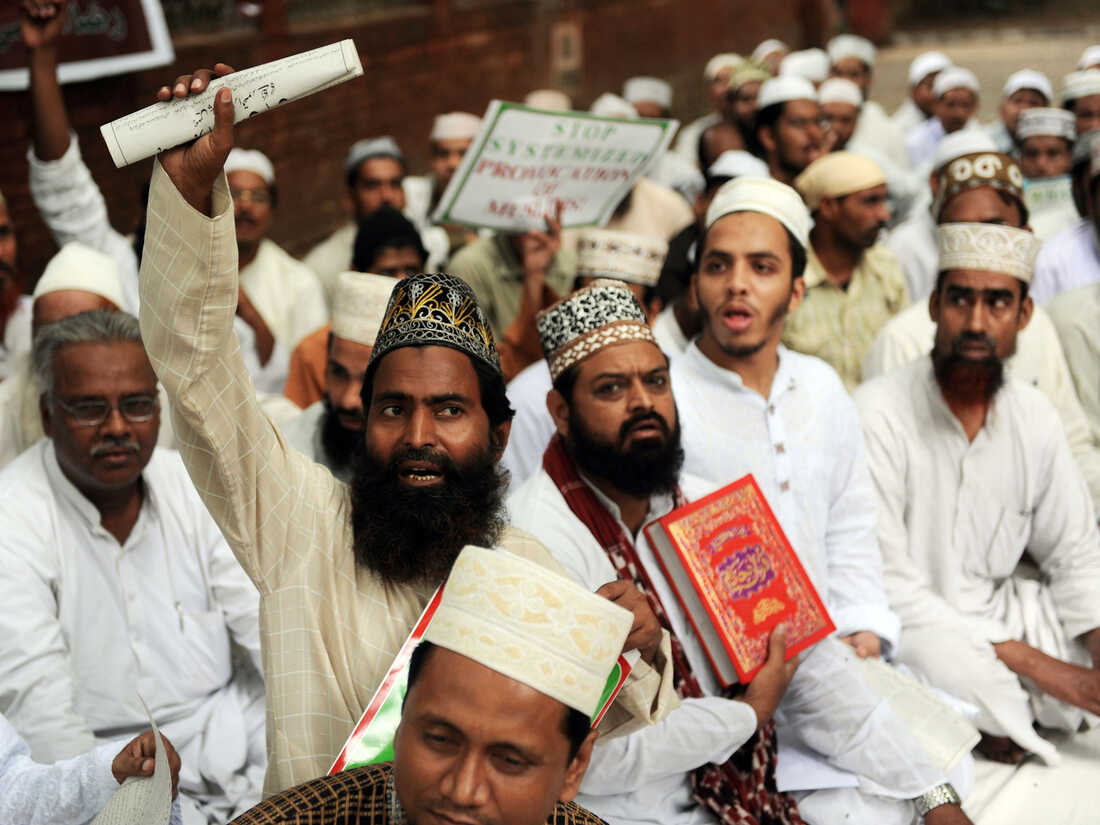
- Civil Unrest: The movement has mastered the art of the dharna (sit-in), effectively paralyzing major cities like Islamabad and Lahore. These protests often result in "agreements" where the state concedes to various religious demands to restore order, further emboldening the movement.
- Institutional Tension: There have been long-standing debates regarding the role of the security apparatus in either curbing or indirectly facilitating the movement for strategic purposes. Reports from Dawn News have frequently analyzed the complexities of how the state balances national security with the need to appease a massive, religiously charged segment of the population.
International Implications and the French Controversy
The debate is not confined to the borders of Pakistan. It has significant geopolitical ramifications, most notably seen during the anti-France protests of 2020 and 2021. Following the republishing of caricatures of the Prophet Muhammad in France and subsequent comments by President Emmanuel Macron, the Labbaik movement demanded the expulsion of the French ambassador and a total boycott of French products.
This demand placed the Pakistani government in a precarious position, caught between intense domestic pressure and the risk of international isolation. The debate sparked a wider conversation about the definition of Free Speech vs. Hate Speech. The Labbaik movement argues that Western concepts of free speech are hypocritical because they often include laws against Holocaust denial but exclude protections for the sanctity of religious figures.
By 2026, this international dimension has led to:
- Strained relations with the European Union, affecting trade agreements like GSP+.
- Increased scrutiny by the Financial Action Task Force (FATF) regarding the funding and activities of radical groups.
- A global discourse on how to manage "transnational blasphemy" issues in a digitally connected world.
Comparative Overview: Movement Stance vs. State Policy
The following table outlines the primary points of contention within the Labbaik Islam debate as of 2026.
| Issue | Labbaik/TLP Position | State/Constitutional Position |
|---|---|---|
| Section 295-C | Absolute application; no amendments allowed; death penalty must be swift. | Law remains in force, but procedural safeguards are sought to prevent misuse. |
| International Diplomacy | Sever ties with any nation deemed to have committed or permitted blasphemy. | Foreign policy is determined by national interest and international treaties. |
| Protest Methodology | Violent or disruptive sit-ins are justified to protect the "Honor of the Prophet." | Protests must be peaceful; the state has the right to clear roads and maintain order. |
| Ahmadis/Minorities | Strict enforcement of anti-Ahmadi laws; zero tolerance for "deviation." | Constitution defines Ahmadis as non-Muslims but guarantees basic rights to all citizens. |
| Governance | Governance must be subservient to religious "Ishq-e-Rasool" mandates. | Pakistan is an Islamic Republic where laws must be consistent with the Quran and Sunnah. |
Frequently Asked Questions
What does "Labbaik" actually mean?
"Labbaik" is an Arabic term meaning "I am here" or "at your service." It is traditionally used by Muslims during the Hajj pilgrimage as part of the Talbiyah prayer. In the context of the current debate, it refers to being at the service of the Prophet Muhammad to protect his honor.
Why did the movement gain so much popularity so quickly?
The movement tapped into the deeply held emotional devotion of the Barelvi majority in Pakistan, which felt marginalized by the rise of Deobandi and Wahhabi influence. By focusing on the "Love of the Prophet," the TLP addressed a core identity marker that resonates across class lines, particularly among the urban and rural working classes.
Is the Tehreek-e-Labbaik Pakistan a banned organization?
The TLP has a fluctuating legal status. It was banned in April 2021 under anti-terrorism laws following violent protests, but the ban was lifted later that year as part of a negotiated settlement with the government. In 2026, it operates as a registered political party while remaining under the close watch of security agencies.
How has the Asia Bibi case impacted the debate?
The Asia Bibi case was the primary catalyst for the movement's radicalization. Her acquittal by the Supreme Court in 2018 was seen by the Labbaik movement as a betrayal of the faith. The resulting protests forced the government to place her on a no-fly list temporarily and highlighted the immense pressure the judiciary faces in blasphemy-related cases.
What is the 2026 status of the "France Boycott" movement?
While the immediate fervor of the 2021 protests has subsided, the sentiment remains. The "Labbaik Islam" debate has institutionalized the idea of using trade and diplomatic pressure as a tool for religious defense, which continues to influence Pakistan's interactions with Western nations today.
Can the debate be resolved through dialogue?
Resolution is difficult because the TLP’s demands are often absolute and non-negotiable. While the state has attempted "de-radicalization" programs and political negotiations, the fundamental disagreement over who has the authority to define and punish blasphemy remains a core point of national tension.
Practical Recommendation for Researchers and Observers
When analyzing the "Labbaik Islam" debate, it is essential to distinguish between the genuine religious sentiment of millions of followers and the political strategies of the movement’s leadership. For those navigating this space in 2026, whether in academia, journalism, or diplomacy, the most effective approach is to focus on "Conflict Transformation"—finding ways to channel religious fervor into constructive civic participation while strengthening the judicial system to handle sensitive cases with transparency and safety.
Avoiding the debate is no longer an option for the state; instead, the focus must be on establishing a clear "Red Line" where religious expression ends and the violation of the rights of others begins.
Image Gallery