Ovarian Cancer and Birth Control: Understanding the Protective Link
Combination hormonal contraceptives, including oral contraceptive pills, patches, and vaginal rings, significantly lower a person's lifetime risk of developing ovarian cancer. This protective effect increases with prolonged use and per...
Combination hormonal contraceptives, including oral contraceptive pills, patches, and vaginal rings, significantly lower a person's lifetime risk of developing ovarian cancer. This protective effect increases with prolonged use and persists for decades after discontinuation, offering a notable medical advantage alongside its primary function of pregnancy prevention.
Contents
Introduction to the Protective Mechanism
The relationship between ovarian cancer and birth control is one of the most thoroughly documented chemopreventive relationships in modern medicine. For decades, epidemiological studies have consistently demonstrated that using combined hormonal contraceptives—medications containing both estrogen and a progestin—reduces the incidence of epithelial ovarian cancer, the most common form of the disease.
To understand why this protection occurs, it helps to look at the process of ovulation. According to the incessant ovulation theory first proposed by Dr. Daniel Fathalla in 1971, every time an ovary releases an egg, the surface epithelium of the ovary undergoes micro-trauma and subsequent repair. Each cycle of cellular division required to repair this tissue increases the statistical probability of genetic mutations that can lead to malignant transformation.
Combined hormonal contraceptives work primarily by suppressing ovulation. By halting the monthly release of eggs, these medications put the ovaries in a state of rest. Consequently, the total number of lifetime ovulatory cycles a person experiences is sharply reduced, which directly lowers the cumulative risk of cellular damage and subsequent tumorigenesis in the ovarian epithelium.
Types of Birth Control and Their Impact on Ovarian Cancer Risk
Not all contraceptives affect ovarian cancer risk equally. The degree of protection varies based on the formulation, the hormones involved, and the delivery method.
Combination Oral Contraceptives (COPs)
Combination birth control pills are the most widely studied form of contraception regarding cancer risk. They deliver a daily dose of synthetic estrogen (usually ethinyl estradiol) and a progestin. Research published by the Collaborative Group on Epidemiological Studies of Ovarian Cancer indicates that every five years of combined oral contraceptive use reduces a person's risk of ovarian cancer by approximately twenty percent. Even short-term use—such as three to six months—confers a measurable risk reduction, though maximum benefits accrue over years of consistent use.
Long-Acting Reversible Contraceptives (LARCs) and Progestin-Only Methods
Progestin-only pills, hormonal intrauterine devices (IUDs), subdermal implants, and the medroxyprogesterone acetate injection affect ovulation differently. While hormonal IUDs primarily act locally within the uterus and may not consistently suppress ovulation, systemic progestin-only methods do suppress ovulation to varying degrees. However, population-based epidemiological data regarding their specific impact on ovarian cancer risk are less extensive than the robust data available for combination pills. Generally, any method that reliably suppresses ovulation provides some level of risk reduction, but combined hormonal methods remain the gold standard for this specific chemopreventive benefit.
Duration of Use and Long-Term Persistence
The protective effect of birth control pills against ovarian cancer is not only immediate during the years of active use; it is remarkably durable. Large-scale retrospective studies and prospective cohorts show that the risk reduction persists for decades after a person stops taking the medication.
The table below summarizes how the duration of combined hormonal contraceptive use correlates with risk reduction and the persistence of that protection.
| Duration of Use | Estimated Risk Reduction | Persistence After Discontinuation |
|---|---|---|
| Less than 1 year | Minimal to slight reduction | Short-term |
| 1 to 4 years | Approx. 10% to 15% reduction | 10 to 15 years |
| 5 to 9 years | Approx. 30% to 40% reduction | 15 to 20 years |
| 10+ years | Approx. 50% or greater reduction | 25 to 30+ years |
As demonstrated by the data, the protective benefit accumulates over time. A person who uses combination birth control for a decade during their reproductive years retains a significantly lower risk of ovarian cancer well into postmenopause, a life stage when the baseline incidence of the disease naturally increases.
High-Risk Populations: BRCA1 and BRCA2 Mutations
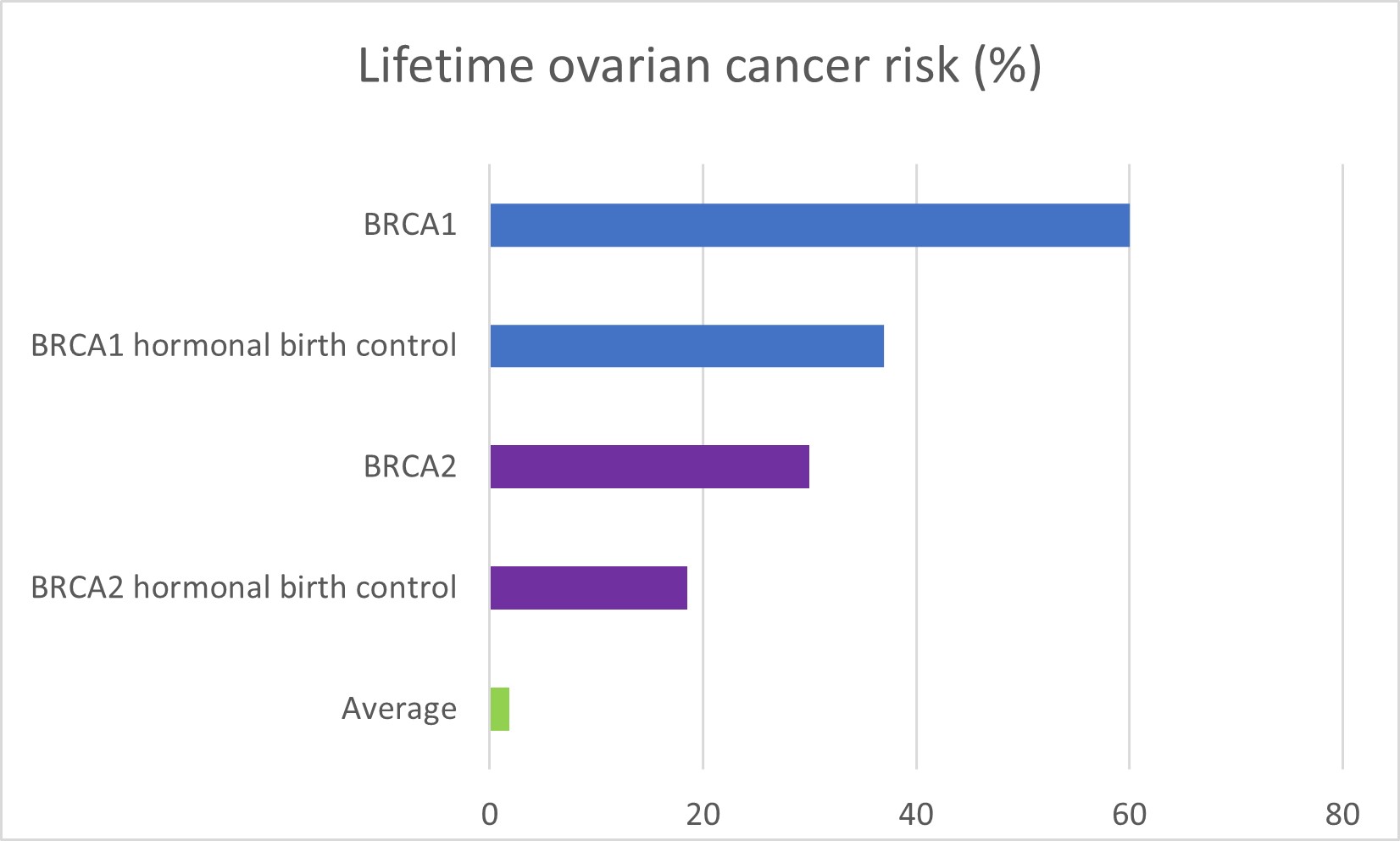
For individuals carrying inherited genetic mutations in the BRCA1 or BRCA2 genes, the lifetime risk of developing ovarian cancer is exceptionally high compared to the general population. Historically, managing this risk involved major prophylactic surgical interventions, such as risk-reducing salpingo-oophorectomy (surgical removal of the fallopian tubes and ovaries).
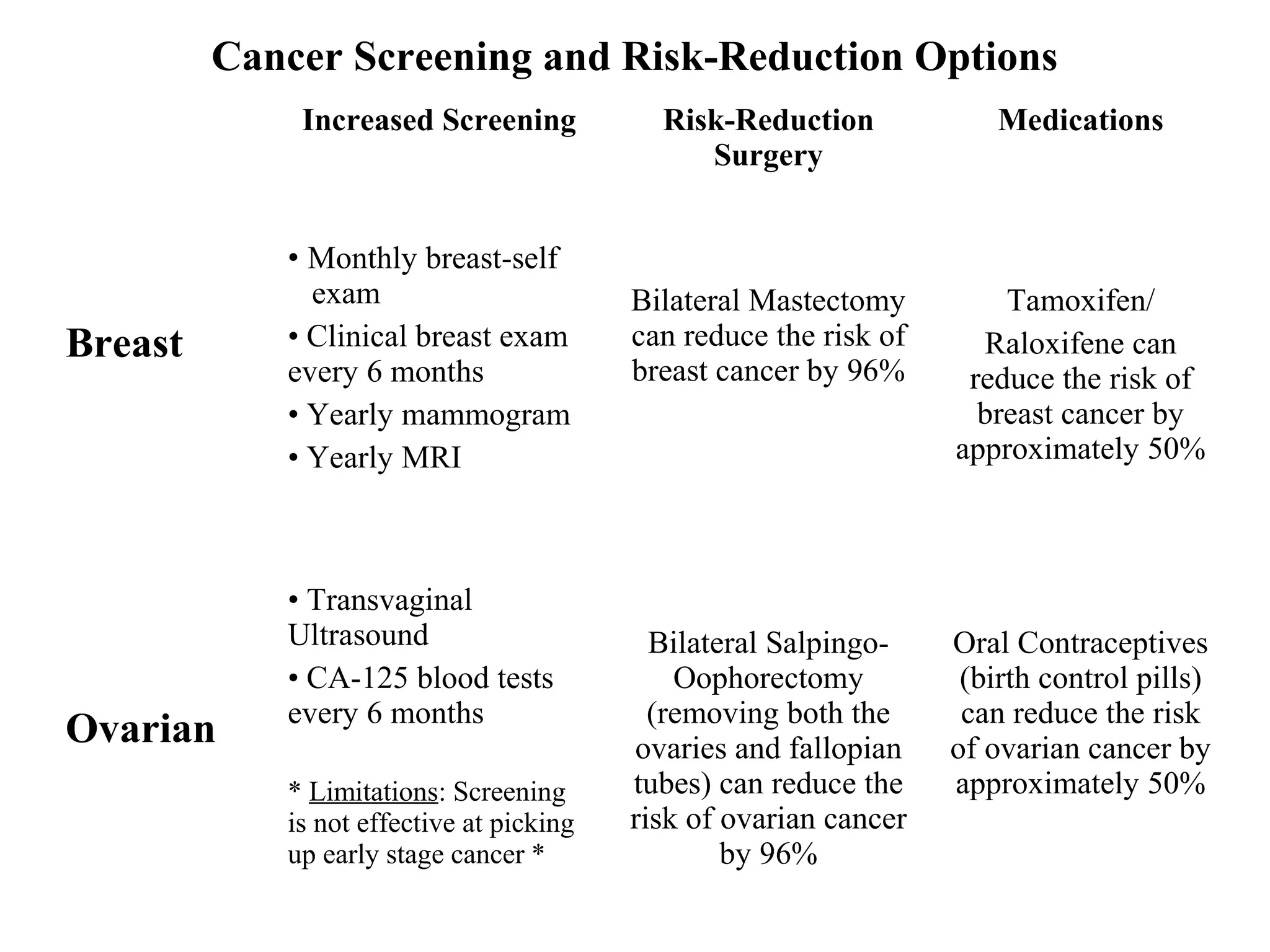
Studies evaluating the utility of oral contraceptives in BRCA mutation carriers have revealed encouraging findings. Use of combined oral contraceptives is associated with a substantial reduction in ovarian cancer risk among these high-risk groups. For instance, research indicates that BRCA1 carriers who use birth control pills for six or more years can reduce their risk of ovarian cancer by roughly fifty percent.
However, medical decision-making in this cohort requires nuanced clinical judgment. While oral contraceptives reduce ovarian cancer risk, some studies have suggested a potential, transient, or slight elevation in breast cancer risk with prolonged use, though modern low-dose formulations have mitigated many of these historical concerns. Genetic counselors and gynecologic oncologists work closely with high-risk patients to weigh these competing risks and benefits before making long-term chemoprevention plans.
Risks, Side Effects, and Important Considerations
While the reduction in ovarian cancer risk is a powerful positive attribute, combined hormonal contraceptives are not prescribed solely for cancer prevention. They are medical interventions with a complex profile of side effects, contraindications, and potential risks that must be managed by a qualified healthcare provider.
- Cardiovascular Risks: Estrogen-containing contraceptives slightly increase the risk of blood clots, deep vein thrombosis (DVT), pulmonary embolism (PE), stroke, and myocardial infarction. This risk is heavily concentrated in individuals who smoke, are over the age of thirty-five, or have pre-existing conditions like hypertension.
- Breast Cancer Considerations: The data regarding breast cancer risk and hormonal contraception are nuanced. A slight, temporary increase in breast cancer risk has been observed while using hormonal birth control, but this risk largely normalizes within ten years of discontinuing use.
- Benign Liver Tumors: Though exceptionally rare, prolonged use of synthetic sex steroids is associated with hepatic adenomas.
- Non-Malignant Benefits: Beyond preventing ovarian and endometrial cancers, combined hormonal contraceptives help manage dysmenorrhea (painful periods), menorrhagia (heavy menstrual bleeding), acne, endometriosis symptoms, and polycystic ovary syndrome (PCOS).
Disclaimer: The medical information provided in this article is for educational purposes only and should not replace professional medical advice, diagnosis, or treatment. Always consult a physician or qualified healthcare provider regarding reproductive health decisions and personalized risk assessments.
Frequently Asked Questions
Does birth control completely eliminate the risk of ovarian cancer?
No. While combined hormonal contraceptives significantly lower the risk—by up to fifty percent with long-term use—they do not eliminate it entirely. Ovarian cancer can still develop from non-epithelial cells or in individuals who have used hormonal contraceptives. Regular wellness exams and symptom awareness remain essential.
How long do I need to take the pill to see a reduced risk?
Even short-term use provides a measurable decrease in risk, but the protective effect compounds over time. Significant risk reductions typically become apparent after three to five years of cumulative use. The protection also continues for decades after stopping the medication.
Do progestin-only methods offer the same protection as combination pills?
Combination methods containing both estrogen and progestin have the most robust and consistent scientific backing for ovarian cancer risk reduction because they reliably suppress ovulation. Progestin-only methods also suppress ovulation to varying degrees, but population data regarding their cancer-preventive efficacy are less definitive.
Does the protective effect apply to all types of ovarian cancer?
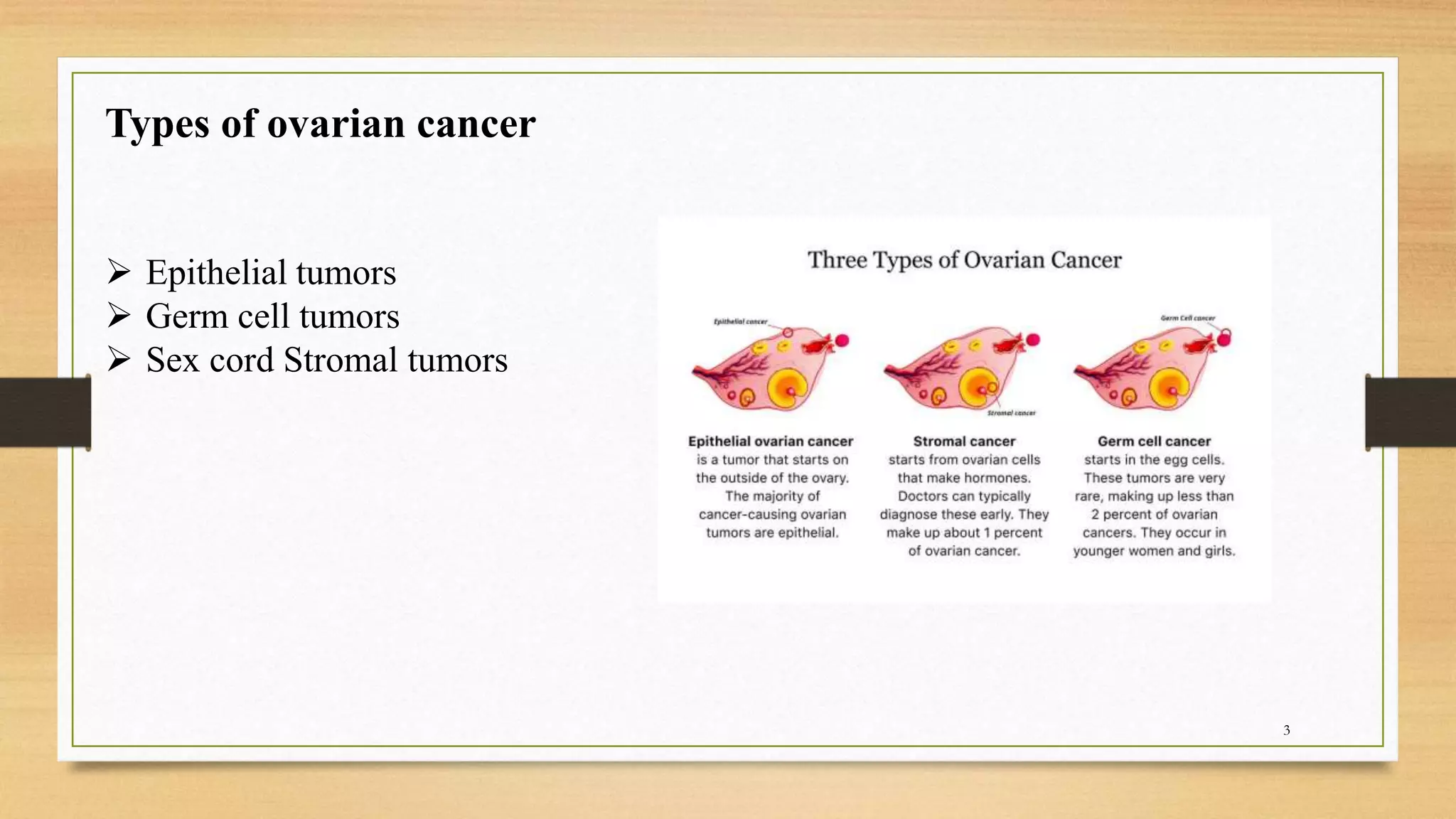
The protective effect primarily applies to epithelial ovarian cancer, which accounts for approximately 85% to 90% of all ovarian malignancies. Rarer forms of ovarian cancer, such as germ cell tumors or sex cord-stromal tumors, do not share the same epidemiological association with ovulation suppression.
Can birth control be used solely to prevent ovarian cancer?
Generally, no. Clinicians do not prescribe hormonal contraceptives solely as a chemopreventive agent for individuals at average risk, given the accompanying cardiovascular and thrombotic side effects. Instead, the cancer-reducing property is viewed as a significant secondary health benefit for individuals already using these medications for contraception or symptom management.
Next Actions and Clinical Consultation
If you are considering starting, stopping, or switching your birth control method, schedule an appointment with a primary care physician, gynecologist, or family planning specialist. Discuss your personal medical history, family history of cancer, and lifestyle factors—such as smoking status or blood pressure—to determine the safest and most effective contraceptive option for your long-term health.
Image Gallery