SaaS Intranet Solution Impact on HR Support
Implementing a modern SaaS intranet solution fundamentally transforms HR support by centralizing knowledge bases, automating routine employee inquiries through self-service portals, and streamlining communication workflows between staf...
Implementing a modern SaaS intranet solution fundamentally transforms HR support by centralizing knowledge bases, automating routine employee inquiries through self-service portals, and streamlining communication workflows between staff members and human resources personnel.
Contents
The Evolution of Workplace Support and the SaaS Shift
Traditional human resources departments have long struggled with administrative bottlenecks. Employees frequently submit identical questions regarding benefits enrollment, paid time off accruals, and remote work policies via fragmented channels such as direct email, instant messaging, or phone calls. This constant stream of repetitive interruptions diverts HR professionals from strategic initiatives like talent retention, organizational development, and cultural alignment.
The transition from legacy, on-premise employee portals to Software-as-a-Service (SaaS) intranet solutions addresses these systemic inefficiencies. Cloud-based intranets provide a centralized, highly searchable digital workspace where operational policies, employee handbooks, and benefits directories reside in a single, cloud-hosted environment. Because these platforms are managed via a SaaS delivery model, updates happen continuously without requiring heavy IT interventions, ensuring that human resources documentation remains current, compliant, and accessible across distributed enterprise networks.
Core Mechanisms: How SaaS Intranets Alter HR Workflows
Understanding the impact of cloud-hosted internal networks requires examining how specific functional capabilities alter day-to-day employee support operations. Rather than acting as static document repositories, modern platforms function as dynamic operational engines.
Centralized Knowledge Management and Self-Service
The primary driver behind reduced HR support ticket volume is robust knowledge management. SaaS intranets incorporate advanced enterprise search capabilities, allowing employees to locate exact policy documents or payroll guidelines using natural language queries.
- Dynamic Document Version Control: Ensures staff access only current, legally compliant templates and handbooks.
- Targeted Content Delivery: Uses audience segmentation to display region-specific or department-specific policies, reducing confusion.
- Embedded Interactive FAQs: Provides immediate answers to common transactional inquiries directly within the user interface.
By empowering personnel to find answers independently through intuitive self-service portals, organizations routinely deflect a significant percentage of standard Tier-0 and Tier-1 support tickets.
Integration with Helpdesk and Ticketing Frameworks
When an inquiry exceeds the scope of static documentation, modern SaaS intranets bridge the gap between self-service and direct human intervention. Most enterprise-grade intranet solutions feature deep API integrations with leading service desk platforms such as ServiceNow, Zendesk, or Jira Service Management.
When employees submit a question or report an issue through the intranet interface, the system can automatically categorize the ticket, route it to the appropriate HR specialist based on subject matter expertise, and track resolution metrics. This eliminates manual triage and ensures accountability across distributed human resources teams.
Automated Communication and Employee Feedback Loops
Internal communication plays a pivotal role in change management and crisis response. SaaS intranets incorporate targeted broadcasting tools, push notifications, and mandatory read receipts to ensure critical updates regarding open enrollment deadlines or policy modifications reach the entire workforce efficiently. Furthermore, built-in pulse surveys, feedback forms, and anonymous reporting channels allow human resources to gauge employee sentiment continuously, identifying support friction points before they escalate into formal grievances or retention risks.
Comparative Analysis: Legacy Intranets vs. SaaS Intranet Solutions
Evaluating the operational differences between legacy, on-premise intranets and contemporary cloud-based SaaS solutions highlights why organizations are rapidly modernizing their internal digital infrastructure.
| Evaluation Metric | Legacy On-Premise Intranet | Modern SaaS Intranet Solution |
|---|---|---|
| Deployment Speed | Months or years requiring complex hardware provisioning. | Weeks with rapid cloud provisioning and pre-built templates. |
| Maintenance & Upgrades | Manual patches managed internally by enterprise IT staff. | Continuous, automatic updates delivered seamlessly by the vendor. |
| Accessibility | Often restricted to corporate local area networks (LAN) or VPN. | Native cloud access optimized for remote and mobile workforces. |
| Search Functionality | Basic keyword matching with frequent dead ends or obsolete files. | AI-driven semantic search with natural language processing. |
| Integration Capabilities | Rigid, custom-coded APIs that break during system upgrades. | Robust, out-of-the-box connectors for HRIS, payroll, and helpdesks. |
Measurable Benefits for HR Operations
The operational impact of implementing a SaaS intranet solution extends across multiple performance indicators, translating administrative efficiency into quantifiable organizational value.
Reduction in Resolution Time and Operational Costs
By automating administrative tasks and defusing routine queries, human resources teams experience a measurable drop in cost-per-ticket metrics. When HR specialists spend fewer hours answering redundant questions, labor costs associated with administrative support decrease. Moreover, faster resolution times directly improve employee satisfaction scores, fostering a culture of responsiveness and operational transparency.
Enhanced Compliance and Security Protocols
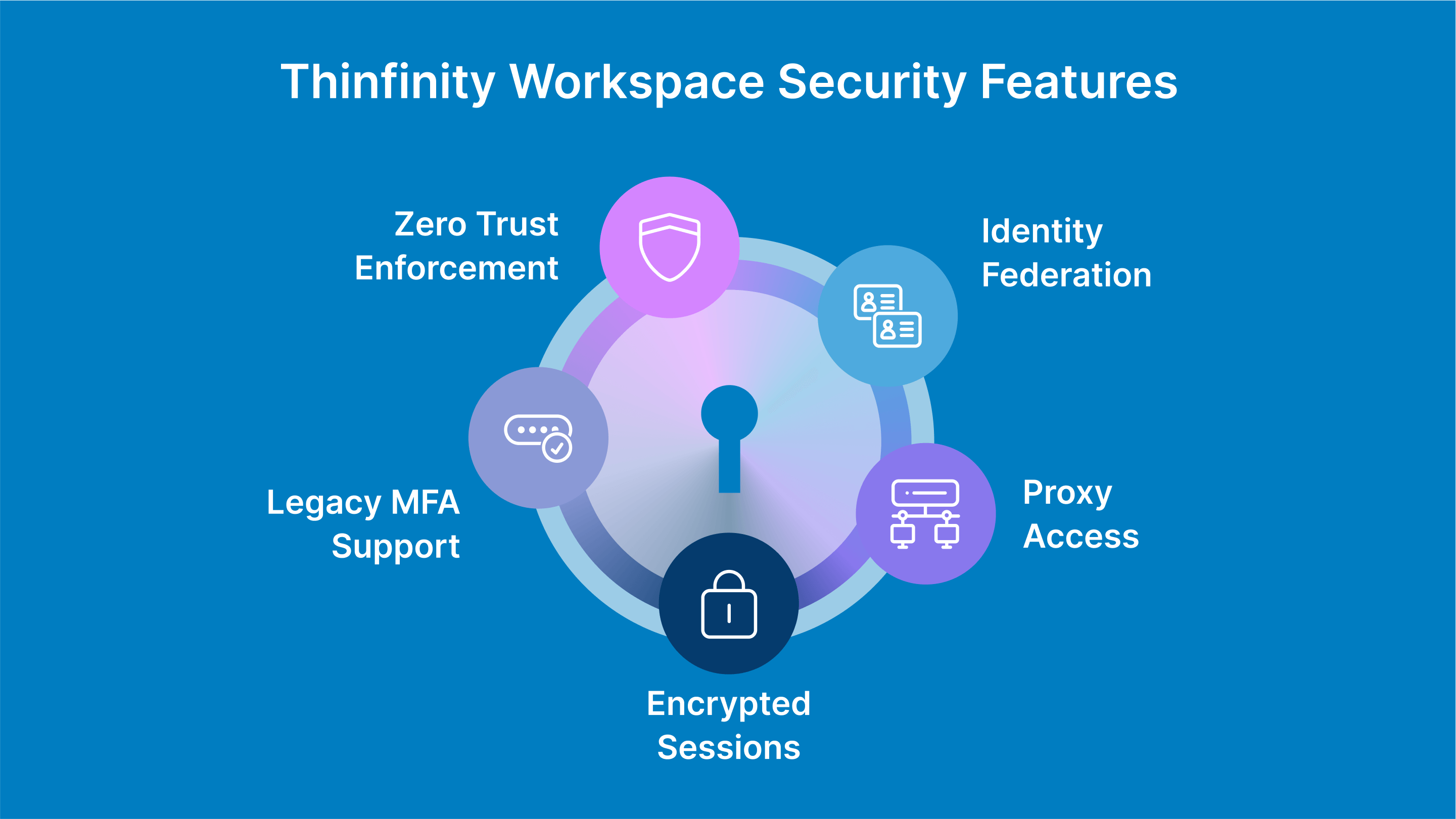
Maintaining regulatory compliance across multi-state or multinational operations presents ongoing challenges for human resources. SaaS intranet providers invest heavily in enterprise-grade security standards, including role-based access control (RBAC), multi-factor authentication (MFA), and encryption at rest and in transit. These controls ensure that sensitive employee records, compensation details, and medical files remain secure while complying with data privacy regulations such as GDPR and CCPA.
Onboarding and Employee Lifecycle Support
New hire onboarding represents one of the most resource-intensive phases of human resources administration. SaaS intranets streamline this process by delivering structured digital onboarding paths. New employees receive automated checklists, video introductions, required compliance training modules, and direct access to buddy programs through a single unified dashboard. This structured approach accelerates time-to-productivity for new personnel while standardizing the onboarding experience across disparate business units.
Implementation Challenges and Risk Mitigation
Despite the operational advantages, deploying a SaaS intranet solution requires careful strategic planning to avoid common pitfalls that can undermine user adoption.
Low User Adoption and Content Stagnation
The most frequent cause of intranet failure is a lack of ongoing engagement. If employees view the platform as an outdated document repository rather than a vibrant daily workspace, support tickets will revert to direct emails. Organizations must combat content stagnation by assigning dedicated intranet community managers, establishing clear editorial governance workflows, and encouraging departmental leaders to share regular updates through the platform.
Integration Friction with Existing Tech Stacks
Enterprise environments often rely on a patchwork of legacy Human Resources Information Systems (HRIS), payroll applications, and performance management tools. Failing to establish seamless data synchronization between these systems and the new SaaS intranet creates data silos and employee frustration. Organizations must conduct thorough technical audits of their existing infrastructure before selecting a SaaS vendor, ensuring robust API availability and data compatibility.
Frequently Asked Questions
How does a SaaS intranet solution reduce HR support ticket volume?
A SaaS intranet reduces ticket volume primarily through centralized knowledge bases and intelligent self-service search tools. By providing employees with immediate, accurate access to self-service policy documents, benefits summaries, and onboarding guides, the platform defuses routine inquiries before they require direct human intervention.
Can a SaaS intranet integrate with existing HRIS and payroll software?
Yes, modern SaaS intranets feature extensive API libraries and pre-built connectors that integrate smoothly with major Human Resources Information Systems, payroll platforms, and identity management providers. This integration allows employees to view personal data, request time off, and access benefits portals directly from the intranet interface.
What security measures protect sensitive employee data in cloud intranets?
Enterprise SaaS intranets utilize multi-layered security frameworks, including end-to-end data encryption, role-based access controls, SOC 2 compliance certifications, and single sign-on (SSO) integration. These measures ensure that confidential human resources files remain accessible exclusively to authorized personnel.
How do SaaS intranets support remote and hybrid workforces?
Cloud-based SaaS architectures ensure that employees can securely access the internal portal from any location or device without requiring a corporate virtual private network (VPN). Features such as mobile-responsive designs, push notifications, and localized content delivery keep distributed teams aligned and supported.
What is the typical timeframe for deploying a SaaS intranet solution?
Deployment timelines vary depending on organizational scale and customization requirements, but most cloud-based intranet solutions launch within four to twelve weeks. This rapid deployment cycle is driven by pre-built templates, standardized cloud infrastructure, and vendor-managed maintenance.
Strategic Recommendations for Implementation
Organizations planning to deploy a SaaS intranet to optimize human resources support should initiate the process with a comprehensive audit of their current support bottlenecks. Identify which inquiries consume the highest volume of HR labor hours and prioritize those topics for initial knowledge base development. Involve human resources stakeholders directly in the vendor selection process to ensure the chosen platform supports necessary HRIS integrations and workflow automation. Finally, establish continuous feedback loops post-launch to monitor user adoption rates and refine digital content based on real employee search behavior.
Image Gallery