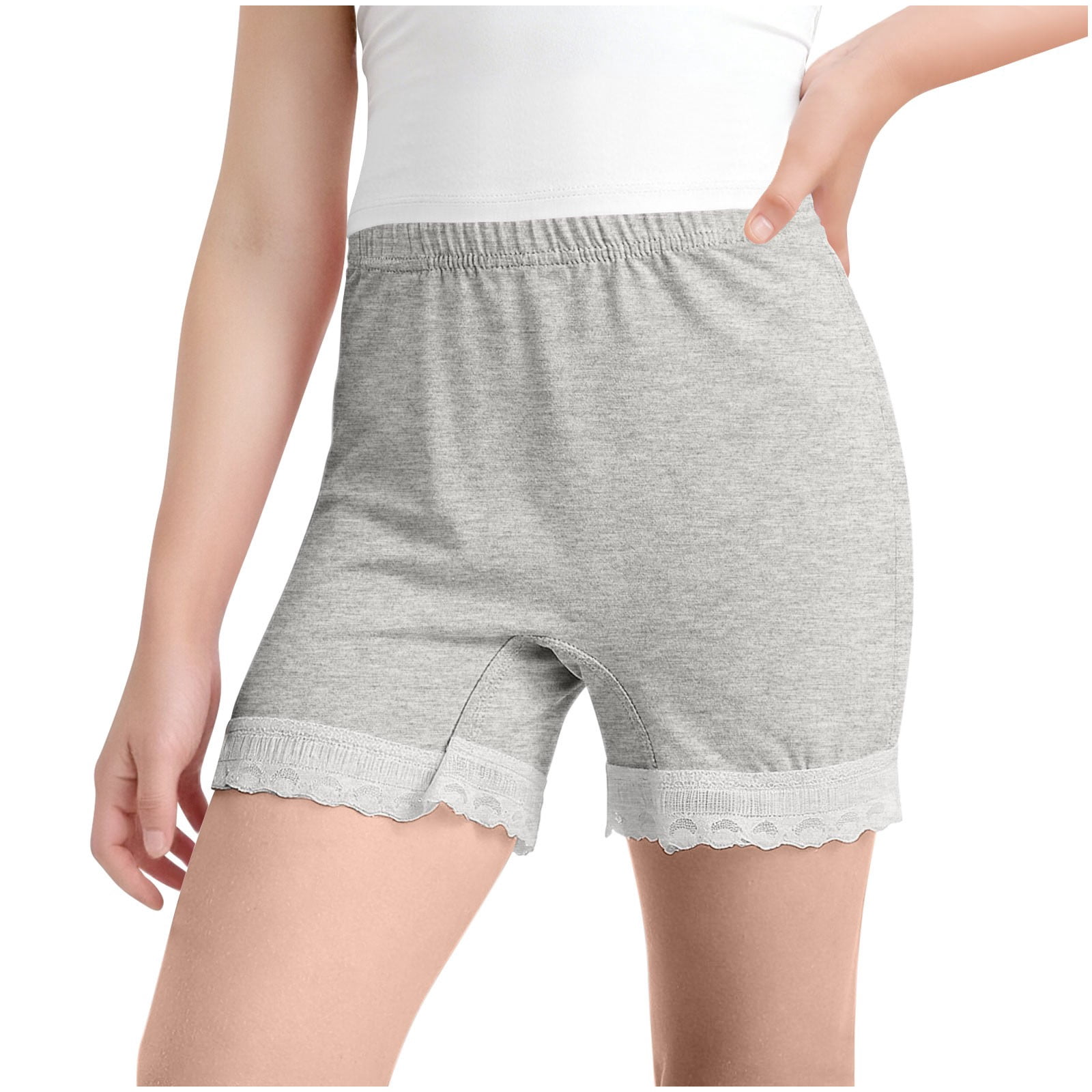
The Best Undershorts for Dresses: Ultimate Fit, Fabric, and Style Guide
The best undershorts for dresses depend on whether your primary objective is chafing prevention, active body shaping, or seamless coverage under sheer fabrics. Lightweight slip shorts made of microfiber or modal offer breathable anti-c...
The best undershorts for dresses depend on whether your primary objective is chafing prevention, active body shaping, or seamless coverage under sheer fabrics. Lightweight slip shorts made of microfiber or modal offer breathable anti-chafing protection without compression, whereas targeted shapewear shorts utilize high-elastane nylon blends to smooth the abdomen and thighs. Selecting the correct inseam—typically 5 to 7 inches for mid-length dresses—prevents both fabric ride-up and unwanted hem exposure.
Contents
Understanding Undershort Categories: Anti-Chafing vs. Shapewear
Choosing the right pair of undershorts requires distinguishing between pure friction barriers and structured shapewear. While both garment types are worn beneath dresses to enhance comfort and modesty, their textile composition, compression levels, and structural designs serve entirely different purposes.
Undershorts Selection Framework:
- Anti-Chafing Shorts
- Zero Compression
- Breathable/Wicking
- Ultra-Lightweight
- Focus: Skin Comfort
- Shapewear Shorts
- Medium/High Control
- Targeted Paneling
- Sculpting & Support
- Focus: Contour Line
Lightweight Anti-Chafing Shorts (Friction Barriers)
Anti-chafing slip shorts focus on eliminating skin-to-skin friction along the inner thighs without altering your body shape. Constructed from featherweight knitted synthetics or plant-derived modal fibers, these shorts exert minimal to zero elastomeric compression.
- Primary Function: Creates a smooth, low-friction glide zone between thighs to prevent chafing and skin redness during prolonged walking or hot-weather wear.
- Elastane Content: Low (5% to 12%), providing gentle elasticity for recovery without restrictive squeezing.
- Breathability: High, featuring open-weave knits, mesh gusset inserts, and thin yarn weights designed to maximize airflow and speed evaporative cooling.
- Ideal For: Daily wear, casual summer dresses, maxi dresses, outdoor walking, and individuals who dislike restrictive garments.
Targeted Shapewear Shorts (Sculpting & Contour)
Shapewear shorts are technical engineered garments designed to compress, flatten, and recontour the lower torso, hips, and upper legs. They incorporate variable tension zones and reinforced knitting to create a smooth line beneath form-fitting dresses.
- Primary Function: Smooths bumps, minimizes lines, flattens the abdominal wall, and lifts the buttocks beneath bodycon, silk, or jersey dresses.
- Elastane Content: High (20% to 40%), utilizing dense compression yarns such as Spandex or Lycra to hold tissue firm.
- Structural Elements: Includes bonded tummy panels, targeted hip compression bands, silicone waist-grippers, and structured back boning to maintain positioning under tension.
- Ideal For: Formal wear, cocktail dresses, fitted knit garments, wedding attire, and targeted midsection support.
Cooling and Moisture-Wicking Performance Shorts
Performance undershorts bridge the gap between activewear and intimate apparel. Built specifically for high humidity, long commutes, or active events, these shorts utilize specialized technical yarns designed to move moisture away from the skin rapidly.
- Fabric Engineering: Incorporates hydrophobic nylon or polyester channels combined with hydrophilic surface treatments, drawing sweat from the epidermis to the outer surface of the fabric for fast evaporation.
- Odor Resistance: Frequently treated with antimicrobial finishes (such as silver ions or mineral additives) to inhibit odor-causing bacteria during extended wear.
- Ideal For: Outdoor summer weddings, travel, hot-climate sightseeing, and active work environments.
Seamless Laser-Cut Shorts for Sheer & Lightweight Fabrics
When wearing tissue-weight cotton, silk slip dresses, or unlined linen skirts, visible garment lines (VGL) can compromise the drape of your outfit. Laser-cut undershorts solve this through specialized edge termination.
- Edge Construction: Instead of traditional folded seams and elastic threads, the edges are sliced with high-precision laser beams or ultrasonic blades that melt synthetic yarns together, preventing fraying.
- Flatness Profile: The resulting hem sits completely flush against the skin (under 0.5 mm profile height), eliminating ridges across the mid-thigh or waistline.
- Ideal For: Satin biases, thin knits, unlined silk, light-colored fabrics, and form-fitting dresses.
Technical Specifications: Materials, Inseams, and Construction
Selecting an effective undershort requires evaluating three core construction variables: fabric density and yarn type, leg inseam length relative to dress length, and waist/hem anchoring mechanisms.
Fabric Material Breakdown
The tactile comfort, thermal regulation, and durability of an undershort depend directly on its yarn composition:
- Nylon-Spandex Blends (Polyamide/Elastane): The industry standard for smooth slip shorts and shapewear. Nylon offers exceptional tensile strength, smooth surface glide, and low moisture absorption, while elastane provides multi-directional stretch and shape memory.
- Micro-Modal and Bamboo Rayon: Soft, plant-derived cellulosic fibers that provide high moisture absorption and superior breathability. Ideal for sensitive skin and casual wear, though they absorb moisture rather than pushing it outward, making them slower to dry under heavy perspiration.
- Pima & Organic Cotton Hybrids: Natural fibers blended with 5–10% elastane. Excellent for daily hygenic comfort and skin sensitivities, but thicker and less slippery under clingy dress fabrics.
- Polyester Microfibers: Durable and fast-drying, often used in athletic-leaning slip shorts. Extremely wicking, though slightly less soft against delicate skin than fine-denier nylon.
Selecting the Right Inseam Length
Inseam measurement—taken from the crotch seam to the bottom hem of the short—determines both chafing protection area and concealment under your dress hemline.
Dress Length vs. Ideal Undershort Inseam
| Dress Style | Recommended Inseam |
|---|---|
| Mini Dress | 3 to 4 inches |
| Knee-Length / Midi | 5 to 7 inches |
| Tea-Length / Maxi | 7 to 9 inches |
- 3-Inch to 4-Inch Inseams: Designed for short mini dresses and skirts hemmed well above the knee. Protects the upper thigh junction where chafing is often most acute, but may roll up on thighs with higher soft-tissue volume.
- 5-Inch to 6-Inch Inseams: The versatile industry standard. Offers comprehensive coverage for the upper to mid-thigh area, fitting naturally under standard knee-length, shirt, and A-line dresses.
- 7-Inch to 9-Inch Inseams: Extended coverage reaching just above the knee cap. Ideal for midi dresses, pencil skirts, and maxi dresses. Provides maximum anti-chafing coverage and prevents hem movement on larger thighs.
Anti-Roll Waistbands and Non-Slip Leg Bands
The primary failure point of low-quality undershorts is mechanical movement: waistbands rolling down into a restrictive cord, or leg hems rolling up into a tight band across the inner thigh.
- Waistband Mechanics: Look for wide, folded fabric waistbands (at least 1.5 to 2.5 inches wide) rather than thin exposed elastic bands. For high-waist styles, back boning (flexible vertical stays) or wide silicone gel strips applied along the inner top edge prevent downward roll when sitting.
- Leg Hem Construction: To prevent leg ride-up without digging into skin, premium undershorts employ flat bonded hems, raw-cut edges with micro-dots of silicone, or wide self-fabric bands that distribute tension evenly across the thigh perimeter.
Comparative Matrix: Undershort Types by Use Case
The following matrix compares primary undershort styles across key technical metrics to help refine your selection based on outfit requirements and personal comfort priorities.
| Feature / Metric | Anti-Chafing Slip Shorts | Light-Smoothing Shorts | Firm Control Shapewear | Breathable Cotton Shorts |
|---|---|---|---|---|
| Primary Goal | Friction reduction | Light smoothing | Active contouring & control | All-day natural comfort |
| Compression Level | None (0/5) | Low (2/5) | High (5/5) | None (0/5) |
| Typical Fabric Blend | 90% Nylon, 10% Elastane | 80% Nylon, 20% Elastane | 65% Nylon, 35% Elastane | 93% Cotton, 7% Elastane |
| Inseam Options | 4", 5", 7", 9" | 5", 7" | 6", 8" | 4", 6" |
| Breathability | Very High | Moderate | Low | High |
| Invisible Hemline | Excellent (Laser-cut) | Good (Flatlock) | Fair (Bonded edge) | Low (Stitched hem) |
| Best Dress Style | Flowy skirts, maxis, linen | A-line, shift dresses | Bodycon, formal gowns | Casual cotton dresses |
| Care Requirement | Machine wash cold | Machine wash cold | Hand wash or gentle cycle | Machine wash warm |
How to Match Undershorts to Specific Dress Fabrics and Cuts
Matching undershorts to your outfit requires pairing garment construction with the weight, drape, translucency, and cut of the outer dress.
Mini Dresses and High-Slit Skirts
Wearing short dresses presents two distinct challenges: preventing the undershort hem from showing during movement and managing high side slits.
- Strategy: Choose a 3-inch or 4-inch inseam. Ensure the waistband sits at your natural waist to anchor the garment.
- Slit Accommodations: If wearing a dress with a thigh-high slit, select specialized asymmetrical undershorts or high-cut split-leg slip shorts that clear the slit line while maintaining coverage across the opposing thigh.
Bodycon, Satin, and Fitted Knit Dresses
Smooth, clingy fabrics like silk satin, thin viscose knits, and light jersey reveal interior garment seams, pockets, and texture transitions.
Fitted Dress Layering Profile:
- Fitted Dress Fabric: Smooth Outer Face
- Seamless Undershort: Bonded Hem (Laser-Cut Edge < 0.5mm)
- Skin Surface (Zero seam transition / No visible line)
- Strategy: Opt for a mid-to-high waist short made with laser-cut edges and completely seam-free side panels.
- Color Selection: Match the undershort color to your natural skin tone rather than the dress color. A skin-tone match reduces visual contrast beneath light-reflecting or semi-translucent silks.
- Seam Construction: Avoid flatlock or overlock stitched seams, which leave visible ridges under fitted fabrics. Seek out ultrasonically bonded seams or flat-glued construction.
Flowy Maxi and Summer Linen Dresses
Loose, breathable dresses worn in high ambient temperatures require maximum thermal efficiency and airflow rather than targeted compression.
- Strategy: Choose lightweight modal, ultra-thin polyamide, or mesh-panel slip shorts.
- Key Features: Select a 7-inch or 9-inch inseam to ensure complete inner thigh protection during wide-stride walking. Ensure the crotch gusset features 100% breathable cotton lining to maintain hygiene in warm environments.
White and Semi-Sheer Summer Dresses
White, cream, and pastel dresses in unlined cotton, broderie anglaise, or linen often suffer from opacity issues under direct sunlight.
- Strategy: Select smooth nude or skin-tone undershorts. Avoid wearing bright white undershorts under white dresses; bright white fabric reflects light through sheer outer layers, making the undergarment hyper-visible.
- Coverage: Select an extended high-waisted cut to ensure uniform color opacity from waist to mid-thigh, preventing stark underwear transition lines across your midsection.
Sizing, Fit Verification, and Common Mistakes
Achieving maximum comfort and functionality depends on accurate sizing and correct garment placement.
How to Measure for Undershorts
Take measurements using a soft fabric tape measure while standing flat-footed on a level surface:
- Waist: Measure around the narrowest part of your torso (typically 1 inch above the navel), keeping the tape snug but not tight.
- Hips: Measure around the fullest part of your hips and buttocks, ensuring the tape remains horizontal around your body.
- Thigh Circumference: Measure around the widest part of your upper thigh to verify that the short's leg opening will not pinch or create a bulge.
Body Measurement Reference Points:
- Natural Waist (1" above navel)
- Fullest Hip (Widest point across seat)
- Upper Thigh (Widest point of leg)
Common Fit Mistakes to Avoid
- Buying a Size Down for Extra Compression: Purchasing a size smaller than recommended does not provide better shapewear results. Instead, it forces fabric to stretch beyond its structural limit, causing the waistband to roll down, the leg bands to dig in (creating a "sausage" effect), and the material to become semi-transparent.
- Selecting the Wrong Inseam: Choosing a 3-inch inseam for long walks often leads to the leg edge riding up into the groin. Conversely, wearing a 7-inch inseam under a knee-length dress can cause the short to expose itself when sitting down.
- Ignoring Fabric Static: Pairing synthetic undershorts (like polyester) with synthetic dresses (like 100% polyester chiffon) without anti-static treatment creates clinging. Choose modal shorts or apply light anti-static spray when wearing synthetic-on-synthetic layers.
Care, Laundering, and Longevity Guidelines
Undershorts rely on synthetic elastomeric fibers (elastane/spandex) to maintain stretch memory and positioning. Improper washing degrades these fibers, leading to lost elasticity and fabric sag.
Washing Protocol
- Water Temperature: Always wash undershorts in cold or cool water (below 30°C / 86°F). High temperatures degrade elastane strands over time.
- Wash Cycle: Place undershorts inside a fine-mesh laundry bag to prevent long leg sections from twisting around machine agitators or catching on hooks and zippers. Select a gentle cycle.
- Detergent Selection: Use a mild liquid laundry detergent. Avoid fabric softeners entirely; softeners leave a silicone coating over microfibers, clogging breathability channels and impairing moisture-wicking capabilities.
Drying and Storage
- Air Dry Only: Never place elastomeric undershorts in a tumble dryer. High heat breaks down spandex fibers, causing elastic degradation and permanent loss of recovery force. Hang or lay flat to dry away from direct sunlight.
- Storage: Store undershorts flat or rolled loosely. Avoid folding structured high-waist shapewear with plastic boning in half sharply, which can warp or break interior support structures.
Frequently Asked Questions
What is the difference between slip shorts and bike shorts?
Slip shorts are thin, lightweight intimate undergarments designed specifically to prevent thigh chafing and provide modesty beneath dresses. They feature soft waistbands, thin breathable fabrics, and flat edges. Bike shorts are structured activewear outer garments made from thicker, heavier fabrics designed for athletic support and outer wear. Bike shorts are generally too thick and bulky to wear invisibly under lightweight dresses.
How do I stop my undershorts from rolling down at the waist?
Waistband rolling occurs when a garment is either too small (causing the elastic to slide toward narrower body contours) or lacks adequate top support. To prevent rolling, select your exact size based on hip and waist charts, opt for styles featuring a 2-inch or wider stay-put waistband, or choose high-waist designs that extend up to the ribcage with silicone interior grip strips.
Should I wear underwear under slip shorts?
Most anti-chafing slip shorts and shapewear shorts are designed to be worn without traditional underwear underneath. They feature integrated 100% cotton gusset panels for hygiene and breathability. Wearing double layers adds bulk, increases heat retention, and creates additional seam lines beneath your dress.
What color undershorts are most invisible under white dresses?
A skin-tone short matching your natural skin color provides the best invisibility under white or semi-sheer fabrics. White undershorts contrast sharply against skin under light reflection, making their outline visible through white clothing. For darker skin tones, rich brown or deep tan shades work best; for fair skin tones, nude, champagne, or soft beige options provide superior concealment.
Can undershorts prevent static cling under flowy dresses?
Fabric-on-fabric friction between a synthetic dress and undershorts can create static electricity, causing skirts to cling uncomfortably to your legs. To mitigate static cling, select modal or plant-based cellulosic slip shorts, or choose synthetic slip shorts treated with an anti-static finish. Using a lightweight anti-static spray or applying a small amount of body lotion to your legs can also neutralize static charge.
Final Fit Checklist & Recommendation
Before making your selection, evaluate your outfit and comfort priorities against this summary checklist:
- Identify the Primary Goal: Select Anti-Chafing Slip Shorts for zero-pressure daily comfort; select Shapewear Shorts for abdominal control and firm smoothing.
- Verify Inseam Length: Measure the length of your dress skirt from waist to hem. Ensure your undershort inseam is at least 2 to 3 inches shorter than your skirt length.
- Check Seam Construction: Choose laser-cut or bonded raw edges for fitted bodycon and satin dresses; flatlock seams are suitable for loose A-line and maxi skirts.
- Select Skin-Match Tones: Purchase nude/skin-tone shades for light-colored or white fabrics to guarantee complete opacity.
- Check Fabric Specs: Ensure the crotch gusset contains a cotton lining for skin health and breathability during extended wear.
Image Gallery