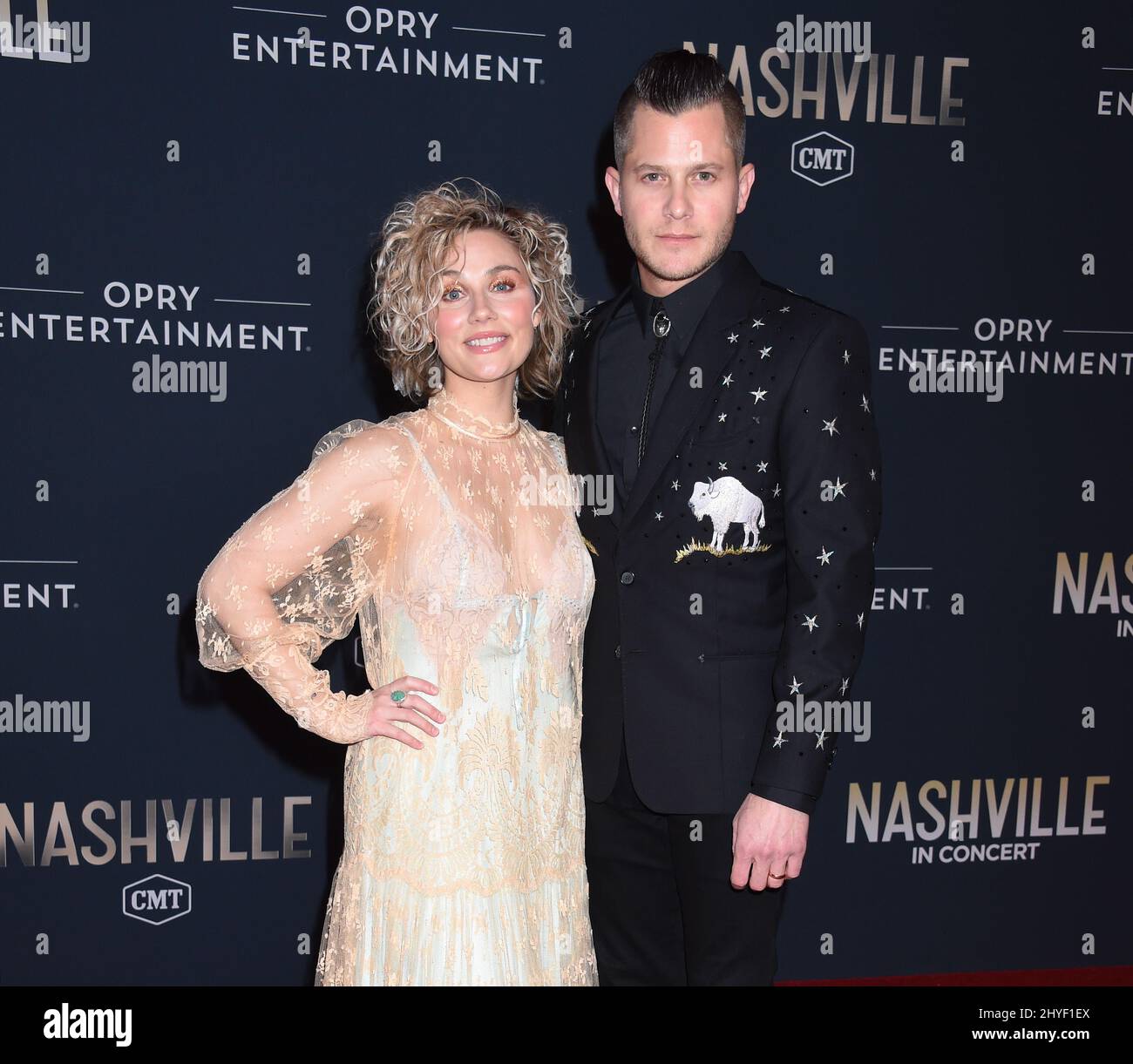
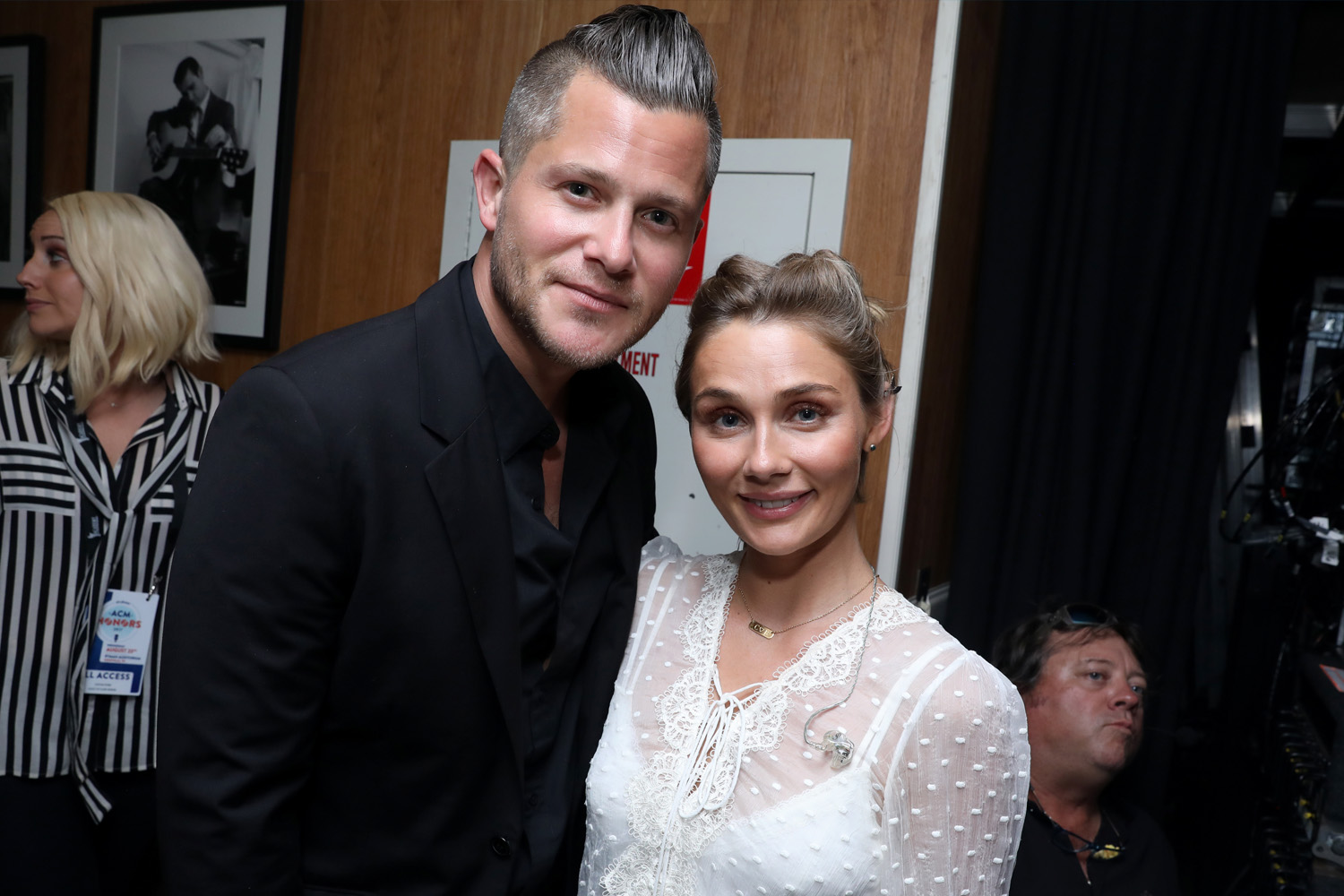
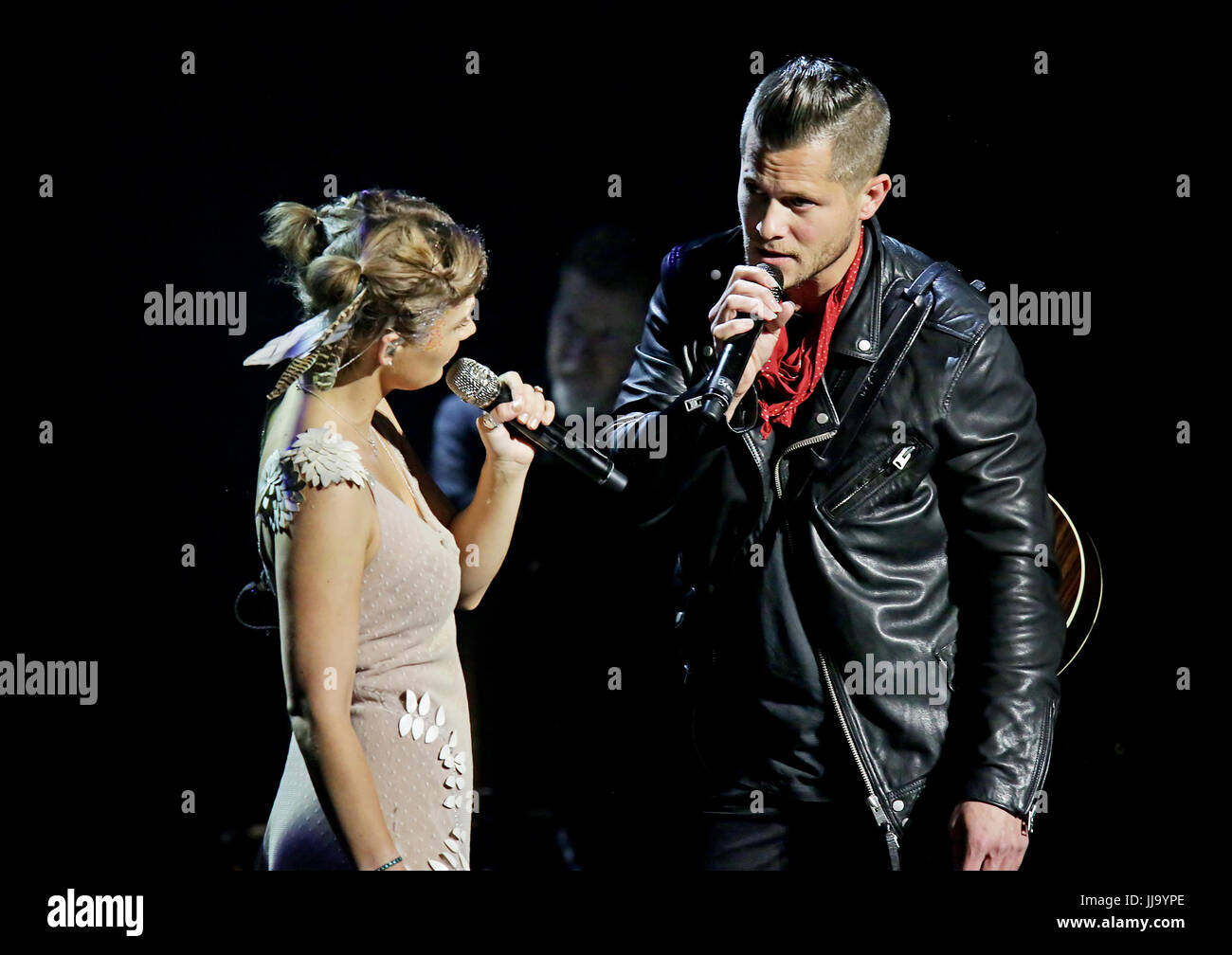
Brandon Robert Young and the Evolution of the Nashville Character in Modern Drama
Brandon Robert Young serves as a significant case study in the depiction of the "Nashville character" within modern television drama. By blending authentic musicianship with the complex archetypes of the music industry, his work contri...
Brandon Robert Young serves as a significant case study in the depiction of the "Nashville character" within modern television drama. By blending authentic musicianship with the complex archetypes of the music industry, his work contributes to the multifaceted portrayal of songwriters and performers, moving beyond regional stereotypes to explore the professional and personal vulnerabilities inherent in the contemporary Nashville arts landscape.
Contents
Defining the Modern Nashville Archetype
In the landscape of 21st-century drama, the "Nashville character" has undergone a profound transformation. Historically, representations of Tennessee’s capital were often relegated to country-western caricatures or narrow depictions of the honky-tonk scene. However, modern narrative structures—particularly those influenced by long-form series—have sought to portray the city as a nexus of high-stakes business, artistic integrity, and the grinding reality of the "songwriter’s life."
Brandon Robert Young occupies a distinct space in this evolution. As a performer and musician whose work aligns with the authentic, grassroots aesthetic of Nashville, his presence in modern media serves as a bridge between the romanticized myth of the singer-songwriter and the technical realities of the industry. The modern Nashville character is defined not by a specific geographic accent, but by a psychological profile: a person navigating the tension between creative output and commercial viability. This archetype is consistently depicted as being in a state of flux, balancing the pursuit of critical acclaim against the necessity of securing publishing deals, tour dates, and industry recognition.
The Intersection of Authenticity and Performance
The portrayal of music-centric characters requires a delicate balance between acting and genuine musical proficiency. In modern dramas, audiences have become increasingly sophisticated; they are quick to identify "staged" performances that lack technical grounding. Brandon Robert Young represents a class of artist-actors who bring actual studio and stage experience to the screen.
When a character is rooted in the real-world experiences of a working musician, the narrative depth increases significantly. For a character to feel authentic in a contemporary drama, they must accurately reflect:
- The Songwriter’s Workflow: Showing the iterative process of co-writing, which is a hallmark of the Nashville professional ecosystem.
- Economic Pressures: Addressing the instability of gig work, royalty structures, and the impact of digital distribution on artist income.
- Industry Dynamics: Navigating the hierarchy of labels, management, and the competitive nature of the "Round" (the songwriters' showcase).
By integrating these elements, creators shift the Nashville character from a flat figure into a dynamic participant in a high-pressure corporate and creative environment. Young’s career trajectory—marked by consistent participation in the city's songcraft culture—provides the necessary verisimilitude that elevates the dramatic stakes of the Nashville-based setting.
Narrative Utility: Why Nashville Matters in Drama
Why has the Nashville character become a recurring trope in modern drama? The answer lies in the unique "company town" structure of the city. Unlike Los Angeles or New York, where the entertainment industry is one of many sectors, Nashville’s identity is almost inextricably linked to the music business. This concentration creates a pressure cooker environment, which is the perfect fuel for dramatic writing.
The Dynamics of the Nashville Industry
| Factor | Impact on Character Development |
|---|---|
| Co-writing Culture | Forces characters into high-intimacy, high-conflict professional collaborations. |
| Publishing Deals | Creates a hierarchy where characters must compete for limited financial resources. |
| Songwriter Rounds | Provides a public arena for characters to settle private scores and reveal hidden truths. |
| Geographic Density | Ensures that characters are constantly crossing paths, preventing them from escaping conflict. |
This environment forces characters to treat their professional relationships as extensions of their personal lives. In the case of characters shaped by figures like Young, the drama often focuses on the blurring lines between a "hit" song and a personal confession. When the character's art is their biography, every performance becomes a potential character arc.
Challenges in Representing the Music Industry
A persistent challenge in modern drama is the "glamorization gap." Producers often face the temptation to make the Nashville character a figure of excessive wealth or tabloid fame. However, the true Nashville experience is often one of quiet persistence, late-night writing sessions, and the grueling process of touring in converted vans.
The most successful modern dramas avoid the trap of the "overnight success" narrative. Instead, they focus on the "grind"—the years of writing, the rejected demos, and the constant navigation of ego in a town filled with talented individuals. Brandon Robert Young’s career, characterized by a steady progression in the folk and Americana circuits, serves as a grounded model for this type of character. Characters inspired by such trajectories are inherently more relatable because they represent the struggle of the "working artist" rather than the "celebrity icon."
Requirements for Authentic Portrayal
For writers and directors looking to capture the essence of the modern Nashville character, there are several foundational requirements to ensure the work does not descend into parody.
Technical Accuracy
The dialogue must incorporate industry terminology accurately. Mentioning a "split," "pro-writing session," or the distinction between "work-for-hire" and "publishing rights" provides instant credibility. When a character behaves as a professional, the audience trusts the stakes of the drama.
Emotional Nuance
The modern Nashville character is often burdened by the "ghosts" of their songs. Because they spend their lives mining their own experiences for lyrical content, they are often unable to leave their work at the door. This creates a tragic element: the character must choose between personal happiness and the raw emotional content required to write a successful record.
The Role of Mentorship
Nashville is a community built on lineage. Older, established songwriters mentoring younger talent is a fundamental aspect of the city's culture. Incorporating this dynamic into a dramatic structure provides an avenue for legacy, conflict, and generational shift, adding layers of subtext that a simple "rise to fame" story cannot achieve.
Frequently Asked Questions
What differentiates the modern Nashville character from earlier iterations?
Earlier depictions often focused on the "country star" archetype, characterized by fame and excess. Modern portrayals focus on the "career songwriter," a character who is often less concerned with celebrity and more with the craft of songwriting and the professional navigation of the music industry.
How does musical experience improve dramatic authenticity?
Performers with real-world musical experience naturally inhabit the space of the stage and studio. They understand the body language of a musician, the way a guitar is handled, and the specific cadence of professional musicians' talk, all of which contribute to an immersive viewer experience.
Why is Nashville a popular setting for contemporary dramas?
Nashville serves as a microcosm of the entertainment industry. Its status as a "company town" where art is the primary commodity creates an intense, high-stakes environment where professional and personal lives are inextricably linked.
Are characters like those influenced by Brandon Robert Young based on real people?
Most dramatic characters are composites. While they may draw inspiration from the real-life work ethic and artistic choices of musicians like Young, they are typically constructed to serve specific narrative functions within the plot of a drama.
How do writers avoid cliches when writing about Nashville?
The most effective way is to move away from the "cowboy hat and rhinestone" aesthetic and focus on the technical, unglamorous aspects of music creation—the business negotiations, the mental health struggles, and the physical exhaustion of touring.
Conclusion
The characterization of the Nashville professional in modern drama has shifted toward a more nuanced, technically aware, and emotionally complex figure. Through the influence of artists and performers such as Brandon Robert Young, the medium has moved toward a more accurate depiction of the music industry—a world where the line between the personal life and the song is constantly tested. For the writer or enthusiast, understanding this evolution is key to appreciating how regional culture is distilled into global entertainment. The next time you watch a drama set in the Nashville scene, look for the quiet, technical details of the craft; those are the elements that reveal the true, gritty heart of the modern Nashville character.
Image Gallery