The Historical Setting of When Calls the Heart: Identifying the Era and Timeline
The television series When Calls the Heart is set in the early 20th century, specifically beginning in the year 1910. As the show has progressed through thirteen seasons as of 2026, the timeline has moved forward into the early 1920s,...
The television series When Calls the Heart is set in the early 20th century, specifically beginning in the year 1910. As the show has progressed through thirteen seasons as of 2026, the timeline has moved forward into the early 1920s, capturing the transformative era of the Canadian frontier during the transition from the Edwardian age to the Roaring Twenties.
Contents
The Dawn of the Journey: 1910 and the Edwardian Influence
When viewers first meet Elizabeth Thatcher in Season 1, the world of When Calls the Heart is firmly rooted in 1910. This period is historically significant as it marks the late Edwardian era, a time of profound social and technological transition. In the context of Western Canada, where the show is set, this era represents the tail end of the true "frontier" lifestyle and the beginning of organized industrialization.
The year 1910 was a time when the British Empire still exerted significant cultural influence over Canada. This is evident in the social hierarchies portrayed in the show, particularly the contrast between Elizabeth’s high-society upbringing in "Hamilton" (a fictionalized version of a major eastern city like Toronto or Montreal) and the rugged, egalitarian reality of Coal Valley. The settlers of this era were often immigrants or easterners seeking a new life, living in a world where modern conveniences were just beginning to trickle into rural outposts.
In the early seasons, the setting reflects the harsh realities of the period. The town of Coal Valley—renamed Hope Valley following the mining disaster—is a company town. This reflects the historical reality of the early 1900s, where resource extraction (coal, timber, and fur) drove the economy of the Canadian West. Life was governed by the whistle of the mine and the arrival of the stagecoach, the primary link to the outside world.
Tracking the Chronological Progression of Hope Valley
One of the most common questions for fans ("Hearties") is how much time has actually passed within the show’s universe. Since its premiere, When Calls the Heart has followed a semi-linear chronological path, though the passage of time between seasons can vary from a few months to several years.
By the time the series reached its landmark tenth and eleventh seasons, the calendar had moved into the late 1910s and the very early 1920s. As of the 2026 broadcast season (Season 13), the internal timeline of Hope Valley is estimated to be approximately 1923 or 1924. This progression is vital to the show’s narrative, as it allows the characters to experience the rapid modernization that characterized the post-World War I world.
The progression of time is most visible through the growth of the children in the show. For example, characters like Little Jack have aged from infancy to school-age, providing a visual yardstick for the passing years. This chronological movement allows the writers to introduce historical milestones that would not have been possible if the show remained frozen in 1910.
| Season Range | Estimated In-Universe Years | Major Historical/Technological Context |
|---|---|---|
| Seasons 1–3 | 1910–1912 | Pre-War Edwardian Era; dominance of the coal industry. |
| Seasons 4–6 | 1913–1915 | Introduction of the first automobiles; early whispers of the Great War. |
| Seasons 7–9 | 1916–1918 | Impact of WWI; expansion of the infirmary and medical practices. |
| Seasons 10–12 | 1919–1922 | Post-war recovery; the rise of the "New Woman" and suffrage. |
| Season 13 (2026) | 1923–1924 | The Roaring Twenties; radio, advanced telephony, and tourism. |
The Geographic Setting: The Canadian West and the NWMP
While the "era" defines the time, the "setting" defines the culture. When Calls the Heart takes place in the Canadian West, specifically in a region that mirrors the foothills of the Rockies in Alberta or the interior of British Columbia. This location is essential to understanding the era because of the role of the North-West Mounted Police (NWMP), the precursor to the modern Royal Canadian Mounted Police (RCMP).
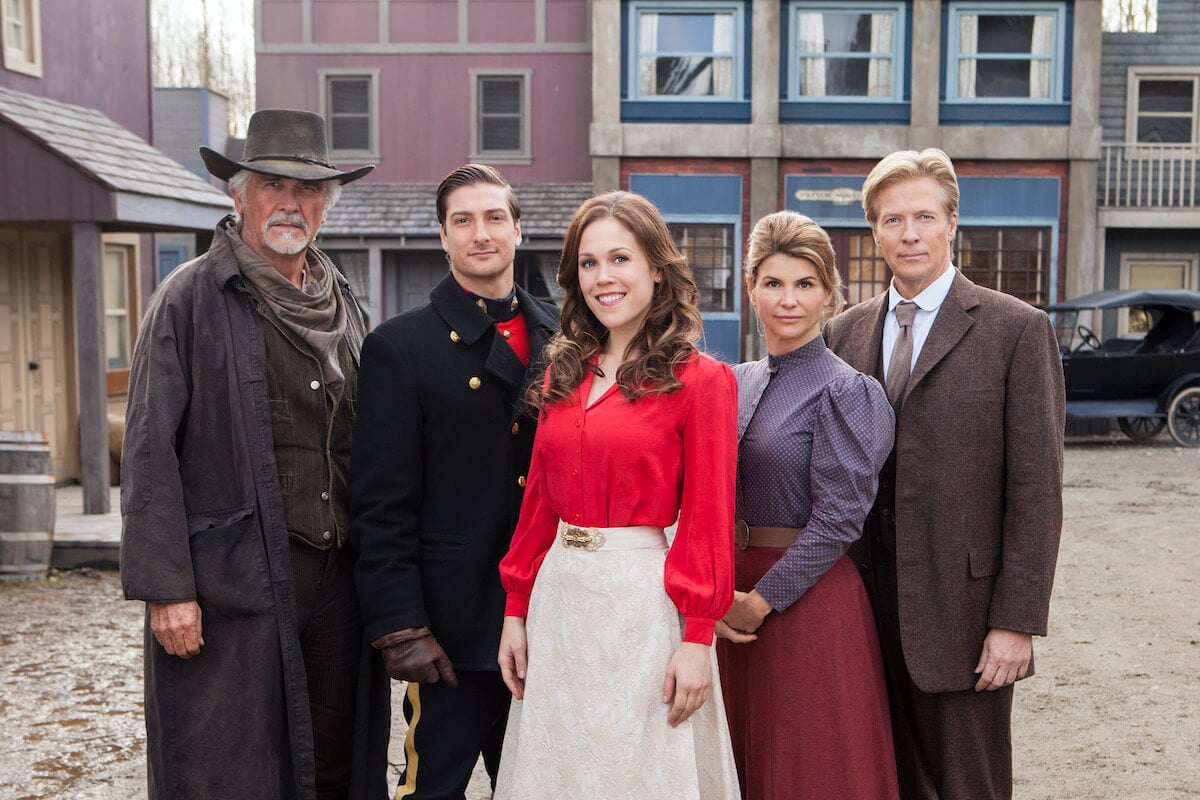
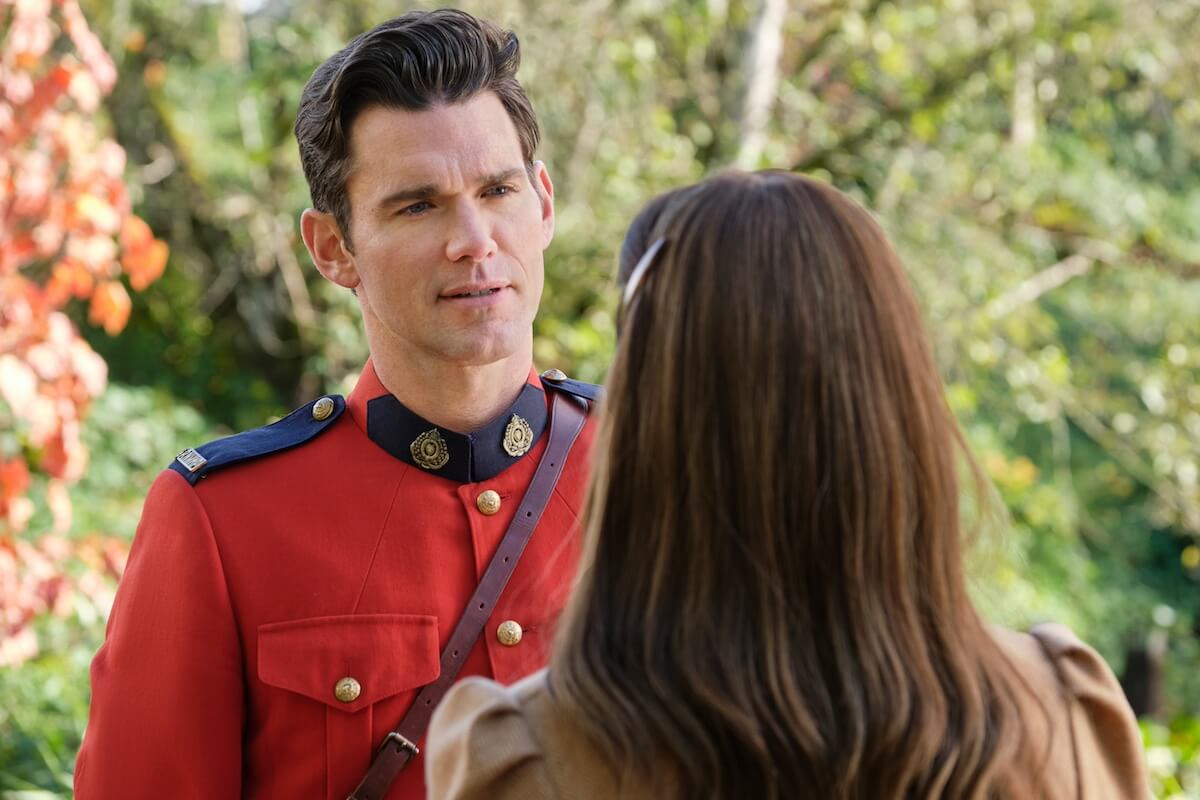
In 1910, the Mounties were the primary face of law and order in the vast, sparsely populated western territories. The character of Jack Thornton embodies the historical role of the NWMP: maintaining peace between settlers, investigating industrial accidents, and acting as the federal presence in remote areas. The era was defined by this "orderly frontier." Unlike the "Wild West" tropes often associated with the American frontier, the Canadian era of this time was characterized by a more structured, paramilitary approach to law enforcement, which the show highlights through the strict protocols and uniforms of the Constables.
Technological Evolution as a Marker of the Era
To accurately identify the era of When Calls the Heart, one only needs to look at the technology appearing in Hope Valley. The show uses technological milestones to anchor its timeline.
The Rise of the Automobile
In the earliest seasons, characters traveled exclusively by horse, buggy, or stagecoach. The arrival of the first "horseless carriage" was a major plot point, signaling the end of the pioneer era. By the middle seasons, cars became more common, reflecting the historical reality of the Model T's mass production and its eventual reach into rural North America.
Communication and the Telephone
The installation of the town’s first switchboard and the arrival of the telephone transformed Hope Valley from an isolated outpost into a connected community. This mirrors the real-world expansion of the Bell Telephone Company and independent rural cooperatives during the 1910s. The presence of a dedicated operator (often a source of town gossip) is a quintessential marker of this specific historical window.
Electricity and Modern Conveniences
The transition from kerosene lamps to electric lighting serves as another chronological anchor. In Season 1, the flickering light of oil lamps emphasized the rugged nature of the mining town. As the years progressed into the 1920s, the introduction of more reliable power sources allowed for the growth of local businesses, such as the ice cream parlor and the expanded infirmary, which began utilizing more sophisticated medical equipment.
Historical Accuracy vs. Creative License
While When Calls the Heart is a work of historical fiction, it is important to distinguish between "period-accurate" and "period-inspired." The series is often described as "frontier chic." While the core elements—the 1910 start date, the Mountie uniforms, the coal mining dangers—are grounded in history, the show prioritizes themes of community, faith, and romance over gritty historical realism.
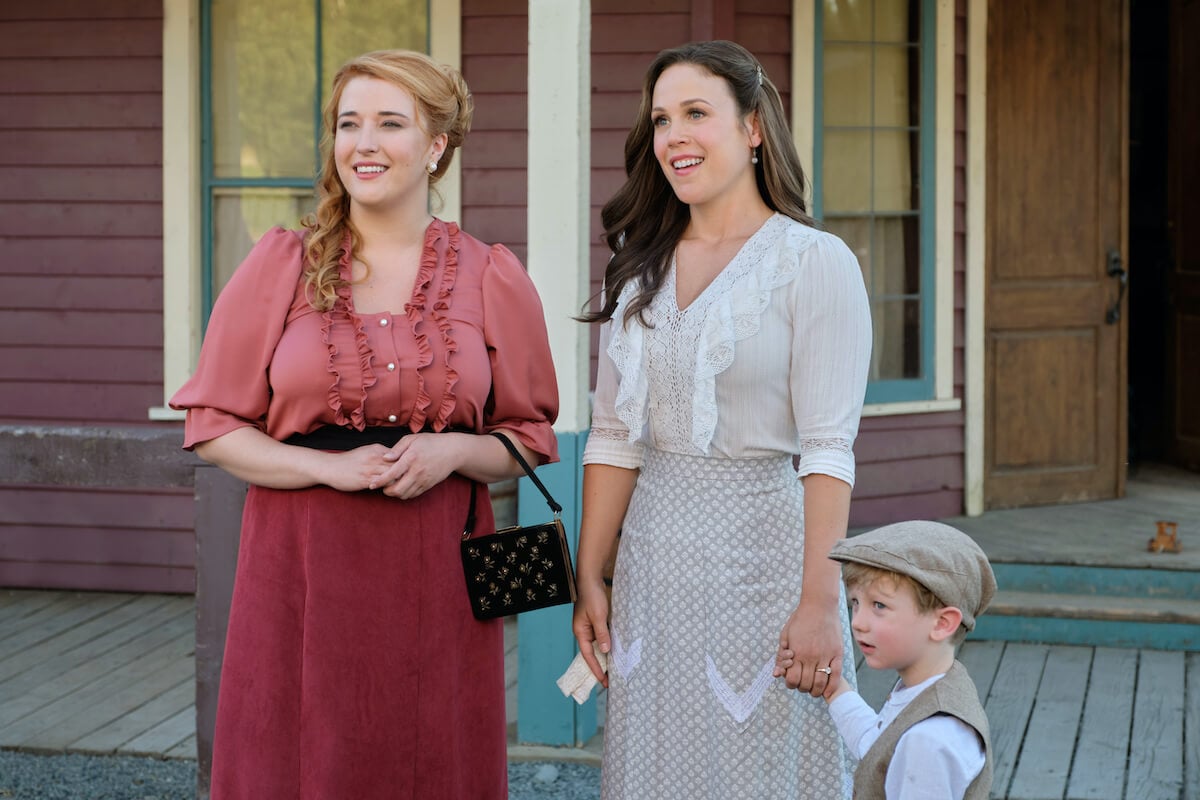
For instance, the costuming reflects the general silhouette of the 1910s and 1920s but often takes liberties with fabrics and colors to suit the bright, optimistic aesthetic of the Hallmark Channel. Historically, a mining town in 1910 would have been significantly sootier, and the social constraints on a single woman like Elizabeth would have been even more rigid. However, the show successfully captures the spirit of the era: a time when the world was becoming "smaller" due to technology, and when the traditional roles of women were beginning to be challenged by the suffrage movement and expanded professional opportunities.
The Source Material: Janette Oke’s Vision
The era of the show is also dictated by its source material: the Canadian West book series by Janette Oke. The books begin in the same timeframe, with the first novel, When Calls the Heart, published in 1983 but set in the 1910s. The literary Elizabeth Thatcher is a pioneer in the "social gospel" movement of the era—the idea that teaching and community service were forms of moral and spiritual work.
By adhering to this 1910 start date, the television adaptation honors the foundational setting of Oke's work while expanding the narrative to include a wider cast of characters who represent different facets of early 20th-century life, from the entrepreneurial spirit of Rosemary LeVeaux to the administrative challenges faced by Bill Avery.
Frequently Asked Questions
Is When Calls the Heart set in the same era as Little House on the Prairie?
No. Little House on the Prairie is set primarily in the 1870s and 1880s, which is the late Victorian era of the American West. When Calls the Heart begins in 1910, which is roughly 30 to 40 years later, during the Edwardian era. This difference is significant as When Calls the Heart features early electricity, cars, and telephones, which were not available to the Ingalls family.
What year does Season 13 of When Calls the Heart take place?
Based on the internal progression of the show, Season 13 (airing in 2026) is set around 1923 or 1924. The show has moved past the era of the Great War (WWI) and is now exploring the early years of the 1920s, often referred to as the "Interwar Period."
Did the town of Hope Valley actually exist in 1910?
Hope Valley and Coal Valley are fictional locations created for the series and Janette Oke’s books. However, they are based on real coal mining towns in Alberta and British Columbia that existed during the 1910s. Many of these towns were indeed owned by mining corporations and faced similar challenges regarding safety and labor rights.
Why do the characters' clothes look more modern in later seasons?
As the show moves from 1910 into the 1920s, the fashion reflects the historical shift in women's clothing. Hemlines began to rise slightly, the restrictive corsetry of the Edwardian "S-bend" silhouette disappeared in favor of straighter lines, and hats became smaller and more practical. This visual shift is an intentional choice by the production team to show the passing of time.
How does the show handle World War I?
The show acknowledges the impact of the "Great War" (1914–1918) primarily through the experiences of characters who served or were affected by the global conflict. Because the show focuses on the home front in Hope Valley, the era’s wartime experience is portrayed through community service, the arrival of telegrams, and the emotional toll on families, rather than through direct combat scenes.
Final Recommendation for Viewers
To fully appreciate the era of When Calls the Heart, viewers should pay close attention to the background details in each season—the gradual disappearance of horses in favor of cars, the changing styles of Elizabeth’s hats, and the evolving medical tools in the infirmary. If you are interested in the real-world history of this period, researching the Canadian Pacific Railway expansion and the North-West Mounted Police will provide excellent context for the world that inspired the series.
Image Gallery