How to Use Questionnaires for Friends: A Guide to Building Better Connections
Using questionnaires for friends is an intentional method to deepen communication, resolve misunderstandings, or organize group activities efficiently. By shifting from unstructured conversation to guided inquiry, you can gather specif...
Using questionnaires for friends is an intentional method to deepen communication, resolve misunderstandings, or organize group activities efficiently. By shifting from unstructured conversation to guided inquiry, you can gather specific feedback, learn about evolving personal preferences, or facilitate structured bonding. This process involves selecting an appropriate digital platform, crafting unbiased questions, and respecting individual boundaries to ensure the exchange remains a positive experience.
Contents
The Purpose of Structured Inquiry in Friendships
While organic conversation is the bedrock of any friendship, there are moments when structured inquiry—the act of using a questionnaire—serves a specific, practical function. In the context of modern social dynamics, these tools are most effective when applied to clear goals: planning group travel, choosing shared activities, or navigating sensitive discussions that might feel awkward in casual settings.
The primary benefit of a questionnaire is the reduction of decision fatigue. When a group of friends attempts to plan an event, the "anything works for me" loop often stalls progress. A questionnaire forces a decision by presenting concrete options, effectively acting as a neutral arbiter. Furthermore, questionnaires provide a safe space for introverted friends or those who prefer to deliberate before speaking, ensuring their opinions are heard without the pressure of a real-time debate.
Selecting the Right Platform
In 2026, the technology landscape offers several accessible tools for creating questionnaires. Choosing the right one depends on the nature of the questions and the level of anonymity required.
- Google Forms: Ideal for long-form data collection and detailed planning. It is free, integrates with Google Drive, and allows for sophisticated logic jumps (e.g., if a friend selects "Yes" to attending, they are shown dates; if "No," the form ends).
- Typeform: Known for its conversational design, this is best when you want the questionnaire to feel less like a survey and more like a human interaction. It is visually appealing and highly optimized for mobile devices.
- SurveyMonkey: Useful if you require advanced data analysis or need to track completion rates for a larger group of friends.
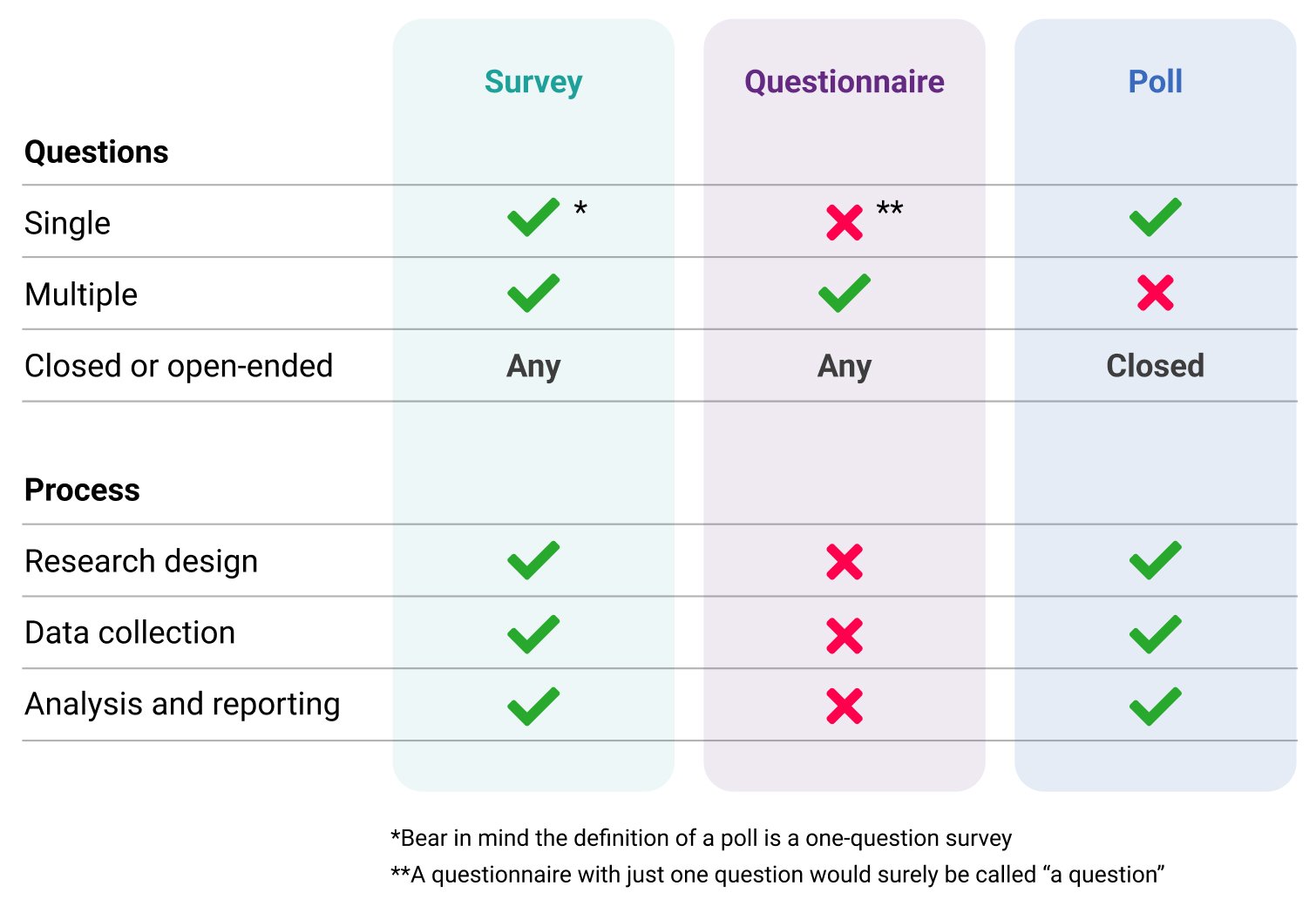
- Poll-based Apps (e.g., Doodle or StrawPoll): These are lightweight solutions strictly for voting on logistics, such as times for dinner or gift ideas for a group present. They lack the depth of a full questionnaire but are faster for single-question tasks.
Crafting Effective Questions
The quality of the information you receive is directly proportional to the clarity of your questions. To keep your friends engaged, you must avoid "survey fatigue."
- Define the Scope: Before writing, state clearly why you are asking. A preface such as, "I’m putting together a list of preferences to make our group camping trip easier to plan," provides context that validates the effort of completing the form.
- Use Balanced Options: Avoid leading questions. Instead of "What did you think of the restaurant?", use a scale of 1-5 or provide descriptive options.
- Mix Qualitative and Quantitative Data: Use checkboxes for logistics (e.g., "Which dates are you available?") and open-ended text fields for personal sentiment (e.g., "What is one thing we could do to make this trip more relaxing?").
- Respect Anonymity: If you are asking deep, potentially sensitive questions—such as "Is there anything about our group dynamic you think we should improve?"—consider making the responses anonymous. This fosters honesty that might be inhibited by the fear of social repercussion.
Practical Application: A Comparison of Tools
| Tool | Primary Use Case | Complexity | Best Feature |
|---|---|---|---|
| Google Forms | Logistics & Planning | Low | Completely free and unlimited |
| Typeform | Relationship building | Medium | Engaging, conversational UI |
| StrawPoll | Quick voting/decisions | Very Low | No sign-in required for voters |
| SurveyMonkey | Data analysis | High | Professional-grade reporting |
Logistics and Etiquette
Using a questionnaire with friends requires a delicate balance of efficiency and social grace. One common mistake is over-engineering the process. If a question can be answered with a simple text message, do not create a form. Questionnaires should be reserved for scenarios where the volume of information or the number of participants makes standard messaging chaotic.
Etiquette Guidelines:
- Keep it brief: Aim for a completion time of under five minutes. If a form takes longer, completion rates will drop significantly.
- Provide a clear deadline: Give your friends a concrete time frame (e.g., "Please submit by Thursday at 5:00 PM") to prevent the project from lingering.
- Close the loop: Once the data is collected, share the results or the final decision with the group. Showing that their input led to an action encourages participation in future efforts.
- Optionality: Always allow friends to "opt-out" of questions they are uncomfortable answering. Forcing a response to a personal question can feel invasive and damage the relationship.
Managing Privacy and Sensitive Data
When handling personal data provided by friends, you take on a role of responsibility. Even among close friends, data security is important. Ensure that you do not store sensitive information—such as home addresses, personal financial details, or confidential medical information—on public-facing cloud documents if you are not confident in your privacy settings.
If you are using a platform, ensure you have enabled the "Restricted" setting so that only those with the link can view or edit the data. For high-stakes planning, such as coordinating a surprise event or a gift, avoid sharing the link in public group chats where it could be accessed by others.
Frequently Asked Questions
Is it rude to send a questionnaire to friends for social planning? It is generally not rude, provided the intent is clear and the burden on the participants is low. Framing the request as a way to save time for everyone helps prevent the perception that you are being demanding or overly clinical.
How do I handle friends who do not fill out the questionnaire? Send one friendly, low-pressure reminder after 48 hours. If they still do not respond, treat them as a "non-participant" for that specific decision. Do not take it personally; people are busy, and a lack of response is usually a reflection of a schedule, not the friendship.
Can I use these tools to learn more about my friends' interests? Yes, but be mindful of the tone. A "Friendship Profile" questionnaire can be a fun way to refresh your memory on birthdays, favorite snacks, or preferred music genres for future gift-giving. Keep the questions lighthearted to ensure the experience is fun rather than diagnostic.
What should I do if the questionnaire reveals a conflict? Use the data as a starting point for a conversation rather than a final verdict. If the results show a divide in opinion (e.g., half the group wants to go to the beach, half to the mountains), use that information to host a discussion where you find a compromise, rather than simply picking the "winning" side.
Next Steps
To begin using questionnaires effectively, start small. Next time your group is struggling to pick a restaurant for a birthday dinner, create a simple form with three choices and a short text field for dietary restrictions. Share the link, set a 24-hour deadline, and observe how much faster the decision-making process becomes. By treating group logistics as a collaborative data-gathering exercise, you remove the stress and leave more room for enjoying the time spent together.
Image Gallery