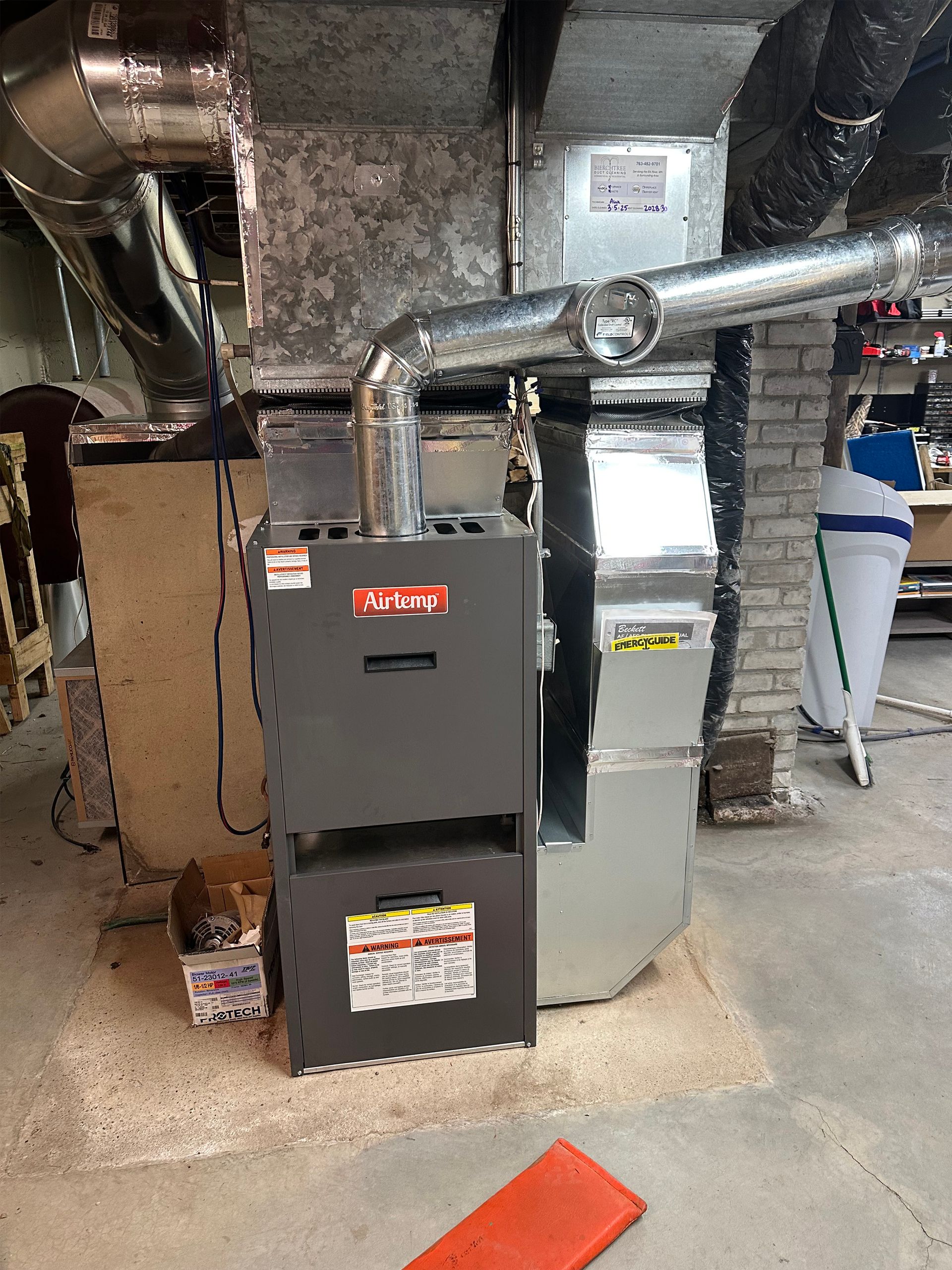
Mastering Heating and Cooling in Minnesota: A Comprehensive Guide for Extreme Climates
Navigating heating and cooling in Minnesota requires robust systems capable of handling sub-zero winter temperatures and humid summer heatwaves. Selecting the right equipment, prioritizing energy efficiency, and performing routine seas...
Navigating heating and cooling in Minnesota requires robust systems capable of handling sub-zero winter temperatures and humid summer heatwaves. Selecting the right equipment, prioritizing energy efficiency, and performing routine seasonal maintenance are essential for maintaining indoor comfort and managing utility costs throughout the state's extreme weather swings.
Contents
Minnesota’s continental climate subjects residential and commercial buildings to dramatic temperature fluctuations. Winters frequently bring extended periods well below freezing, while summers regularly see high humidity and temperatures exceeding 90 degrees Fahrenheit. This extreme thermal range places immense stress on HVAC (heating, ventilation, and air conditioning) infrastructure. Consequently, homeowners and property managers must approach climate control with a focus on durability, proper sizing, and strategic energy efficiency.
Understanding Minnesota's Climate Challenges for HVAC Systems
The geographical span of Minnesota creates distinct regional climate profiles, yet almost the entire state falls into Department of Energy (DOE) climate zones 6 and 7. These zones are characterized by severe winters, low design temperatures, and significant heating degree days (HDDs), paired with moderate cooling requirements that demand effective moisture management.
Heating systems must be capable of delivering continuous thermal output when outdoor ambient temperatures drop below -20°F. At these extremes, standard heat pumps historically struggled to extract sufficient heat from the outside air, making high-efficiency natural gas, propane, or oil furnaces the traditional standard. However, technological advancements in cold-climate air-source heat pumps have shifted modern options, allowing them to operate effectively even in sub-zero environments.
Conversely, summer conditions introduce high dew points, particularly in the southern and central parts of the state. Central air conditioning units and ductless mini-splits must balance sensible cooling (lowering dry-bulb temperature) with latent cooling (removing humidity) to prevent indoor mold growth and maintain air quality.
Residential Heating System Options
Choosing the right heating system depends on fuel availability, local utility rates, and the thermal envelope of the structure. The primary heating options deployed across Minnesota include:
- High-Efficiency Natural Gas Furnaces: The most common heating source in urban and suburban Minnesota. Modern condensing furnaces achieve Annual Fuel Utilization Efficiency (AFUE) ratings of 90% to 98%, meaning very little heat is lost through the exhaust flue.
- Cold-Climate Air-Source Heat Pumps (ASHP): Rapidly gaining popularity due to state incentives and cold-climate engineering. These systems move heat rather than generate it, offering efficient performance even when outdoor temperatures drop below zero.
- Boilers (Hydronic Heating): Common in older Minnesota homes and select modern custom builds. Boilers circulate hot water or steam through radiators or in-floor radiant tubing, providing comfortable, even radiant heat that does not dry out indoor air as much as forced-air systems.
- Electric Resistance and Space Heating: Typically used as supplemental heat due to higher operational costs, though highly insulated, airtight homes utilizing whole-home electric systems are becoming more viable with modern heat pump integration.
Cooling and Humidity Control Solutions
While heating is the dominant engineering concern in Minnesota, summer cooling and dehumidification are critical for indoor air quality and structural integrity.
Central air conditioning systems remain the standard for homes with existing ductwork. When replacing or installing a cooling system, contractors must calculate Manual J loads to ensure the unit is appropriately sized. An oversized air conditioner will cool the space too quickly without running long enough to properly extract humidity, leaving the indoor environment clammy and uncomfortable.
For homes without ductwork, or for targeted zone conditioning, ductless mini-split heat pumps offer a flexible alternative. These systems provide both efficient cooling and supplemental heating, making them ideal for finished basements, sunrooms, or older homes utilizing boiler heat. Additionally, whole-house dehumidifiers integrated into the HVAC ductwork are frequently recommended to manage indoor humidity levels during peak summer months.
Comparing Heating and Cooling Systems for Minnesota Homes
Selecting the ideal climate control setup involves balancing upfront installation costs, long-term energy efficiency, and performance during extreme weather events.
| System Type | Primary Fuel | Typical Efficiency Rating | Best Suited For | Extreme Cold Performance |
|---|---|---|---|---|
| Condensing Furnace | Natural Gas / Propane | 90% - 98% AFUE | Homes with existing ductwork and gas lines | Excellent (reliable down to lowest temperatures) |
| Cold-Climate Heat Pump | Electricity | 2.5 - 4.0 COP (Coefficient of Performance) | Well-insulated homes, shoulder-season heating, and primary cooling | Good to Excellent (varies by manufacturer specification) |
| Boiler (Hydronic) | Natural Gas / Oil / Propane | 80% - 95% AFUE | Homes with baseboards, radiators, or radiant floor loops | Excellent |
| Central Air Conditioner | Electricity | 14 - 20+ SEER2 | Homes with existing ductwork requiring standard cooling | N/A (Cooling only) |
Energy Efficiency and Weatherization Strategies
No heating or cooling system can operate efficiently if a building suffers from air leakage, inadequate insulation, or poorly sealed ductwork. In Minnesota, proper weatherization is the foundation of an effective HVAC strategy.
Insulation and Air Sealing
The Minnesota Energy Code mandates high insulation values for attics, walls, and rim joists. Upgrading attic insulation to R-60 prevents ice dams—a common winter phenomenon caused by heat escaping from the living space into the attic, melting snow on the roof, which then refreezes at the colder eaves. Comprehensive air sealing around windows, doors, and utility penetrations drastically reduces the heating and cooling load on mechanical equipment.
Smart Thermostats and Zoning
Programmable and smart thermostats allow homeowners to lower heating setpoints automatically during sleeping hours or when away from home. Zoning systems, which use motorized dampers within ductwork and multiple thermostats, allow different areas of a home to be heated or cooled independently, eliminating hot and cold spots common in multi-story houses.
Maintenance Checklist for Extreme Seasons
Preventative maintenance protects HVAC equipment from unexpected breakdowns during weather extremes. A structured seasonal maintenance schedule extends equipment lifespan and maintains manufacturer warranties.
- Fall Heating Check: Replace air filters monthly during heavy usage seasons. Test the furnace or boiler before the first freeze by running a heating cycle. Clear outdoor vents and intakes of leaves, snow, and ice to prevent carbon monoxide buildup.
- Spring Cooling Check: Clean or replace air filters. Clear debris from around the outdoor condensing unit, ensuring at least two feet of clearance. Inspect condensate drain lines for clogs to prevent water damage.
- Annual Professional Inspection: Have a licensed HVAC technician perform a combustion analysis on gas appliances, check refrigerant levels, lubricate moving parts, and inspect electrical connections annually.
Common HVAC Mistakes to Avoid
Homeowners often make costly errors when managing their heating and cooling systems. Avoiding these pitfalls ensures lower utility bills and safer operation:
- Ignoring Filter Changes: Clogged filters restrict airflow, forcing the blower motor to work harder, which reduces system efficiency and can lead to premature component failure.
- Closing Vents in Unused Rooms: Closing supply registers disrupts the pressure balance of the forced-air system, putting stress on the blower and potentially causing duct leaks.
- Neglecting Carbon Monoxide Detectors: Gas-burning appliances require functioning carbon monoxide detectors on every level of the home and outside each sleeping area, tested semi-annually.
- Delaying Upgrades: Running an aging furnace past its expected 15-to-20-year lifespan risks sudden failure during a dangerous winter cold snap.
Next Actions and Professional Consultation
When planning a new heating and cooling installation or major repair in Minnesota, homeowners should consult with licensed, insured contractors who perform formal Manual J load calculations rather than relying on square-footage estimates. Property owners can also investigate local utility rebates, federal tax credits available through programs like the Energy Efficient Home Improvement Credit, and energy audits offered through organizations like CenterPoint Energy or Xcel Energy to offset upgrade costs.
Image Gallery