Effective Blackhead Removal: A Guide to Safe Techniques in 2026
Professional dermatological standards for 2026 prioritize non-invasive, mechanical, or chemical extraction methods to clear comedones without causing scarring, infection, or permanent pore enlargement. Attempting to replicate high-defi...
Professional dermatological standards for 2026 prioritize non-invasive, mechanical, or chemical extraction methods to clear comedones without causing scarring, infection, or permanent pore enlargement. Attempting to replicate high-definition viral extraction videos at home poses significant risks, including bacterial introduction, inflammation, and hyperpigmentation, making professional guidance or specific medical-grade tools essential for skin health.
Contents
Understanding the Formation of Blackheads
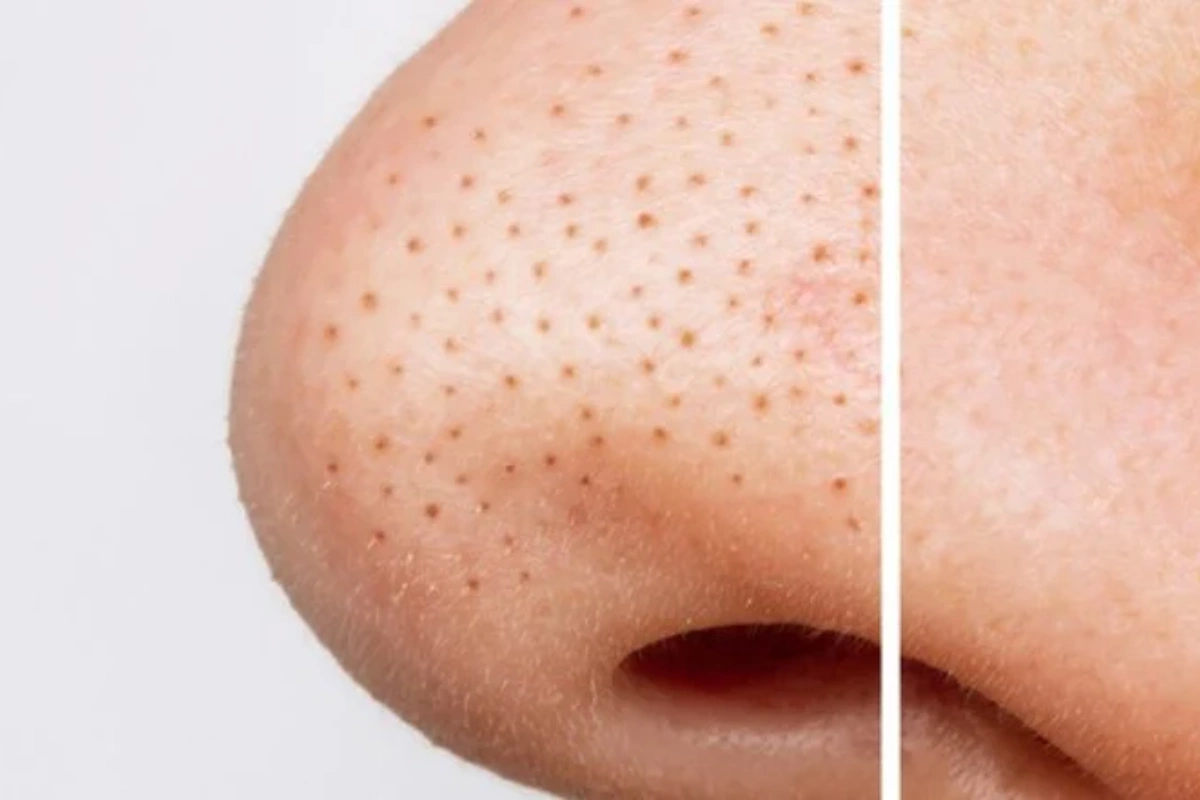
Blackheads, or open comedones, occur when a hair follicle becomes plugged with sebum and dead skin cells. Unlike whiteheads, the opening at the surface of the skin remains exposed to the air, causing the melanin in the oxidized sebum to darken. In 2026, clinical dermatology emphasizes that improper mechanical pressure—often popularized in amateur online content—can rupture the follicle wall. This rupture pushes debris deeper into the dermis, triggering inflammatory responses such as papules, pustules, or long-term cystic acne.
Proper management requires addressing the underlying mechanism of follicular hyperkeratinization rather than just the surface aesthetic. The skin’s barrier function must remain intact during any intervention to prevent trans-epidermal water loss and secondary bacterial colonization.
Professional vs. DIY Extraction Risks
The allure of viral extraction videos often obscures the technical precision required for safe pore clearance. Dermatologists and licensed estheticians utilize controlled environments and sterilized equipment that differ fundamentally from household methods.
| Feature | Professional Extraction | DIY/Amateur Extraction |
|---|---|---|
| Sterilization | Autoclave or medical-grade disinfectants | Manual washing or soap |
| Tool Precision | Dermatological comedone extractors | Fingernails or unrefined metal tools |
| Infection Risk | Extremely low (controlled environment) | High (bacterial transfer) |
| Tissue Damage | Minimized via controlled pressure | High (tearing and bruising) |
| Post-Care | Antibacterial/soothing protocols | Often neglected |
Evidence-Based Approaches to Blackhead Management
In 2026, the gold standard for treating open comedones involves normalizing the keratinization process and regulating sebum production. Relying on physical removal alone is insufficient because it does not prevent the comedone from reforming.
Topical Retinoids and Derivatives
Adapalene, tretinoin, and newer trifarotene formulations remain the primary treatment for comedonal acne. By increasing cell turnover, these agents prevent dead cells from clumping within the pore. Clinical protocols for 2026 suggest nightly application to clean, dry skin.
Chemical Exfoliation
Beta-hydroxy acids (BHA), specifically salicylic acid, are lipophilic, allowing them to penetrate the sebum-filled pore to dissolve the blockages. A 2% concentration is generally considered the effective threshold for at-home maintenance.
Professional Guidelines for Topical Application
Consistency and Patience Treatment for open comedones is a long-term process. Users should expect a minimum of eight to twelve weeks of consistent application before visible improvements in pore cleanliness are observed.
Barrier Maintenance Avoid aggressive over-exfoliation. Combining multiple harsh acids or mechanical scrubs will compromise the acid mantle of the skin, leading to increased sebum production as a compensatory mechanism, which ultimately exacerbates blackhead formation.
Selecting Safe Extraction Tools
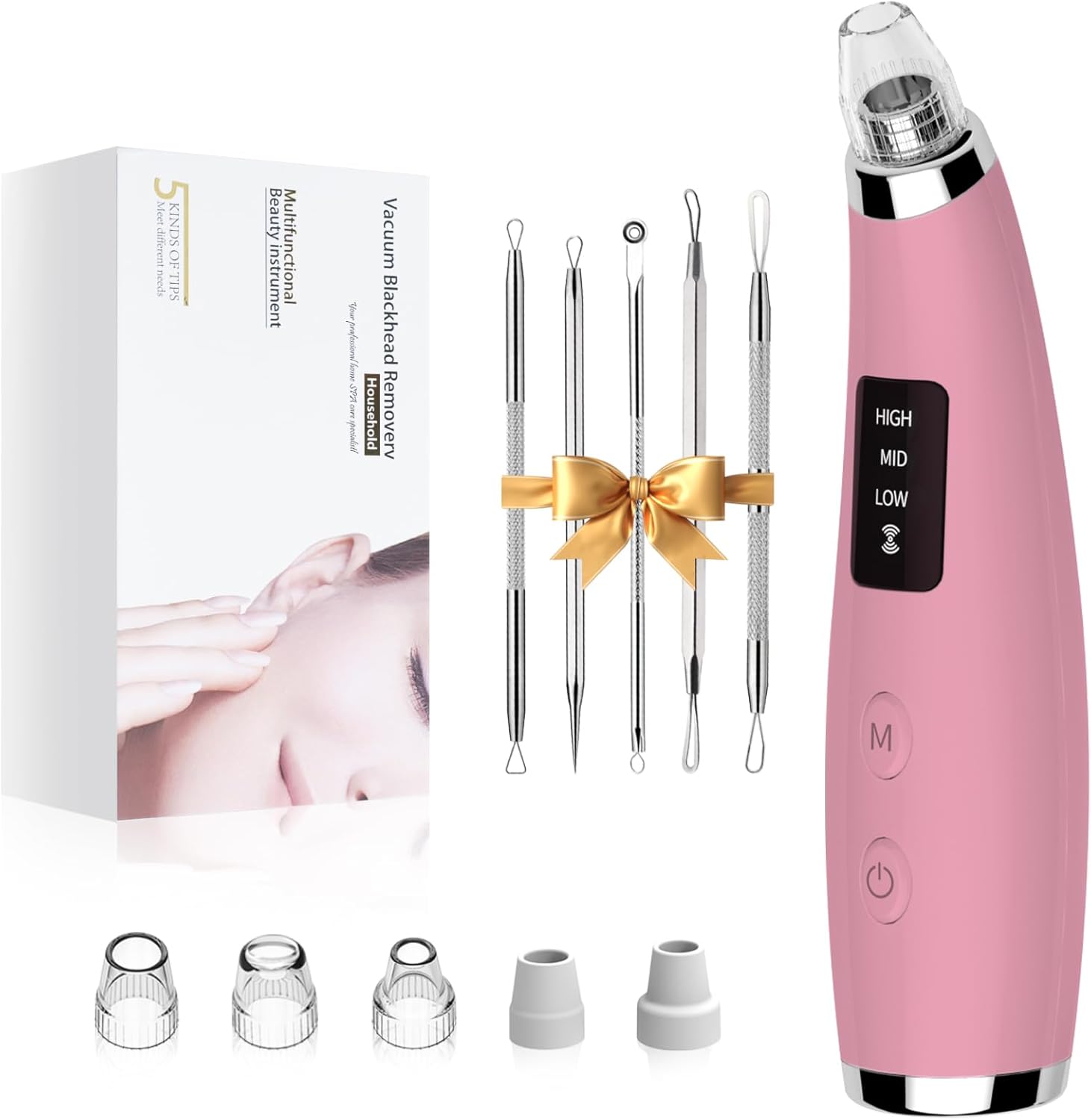
If manual intervention is required, 2026 dermatological standards dictate the use of specific, high-quality stainless steel tools designed for clinical use. Using improvised tools like bobby pins or fingernails is strongly discouraged due to the risk of uneven pressure distribution.
- Sterilization: Before and after each use, submerge the extractor in 70% isopropyl alcohol for at least 10 minutes.
- Skin Preparation: Use a gentle, warm compress to soften the keratin plug. This reduces the mechanical force required for extraction.
- The Technique: Position the loop of the extractor directly over the center of the blackhead. Apply steady, downward pressure. If the material does not release with gentle pressure, discontinue; forcing the blockage will damage surrounding tissue.
- Post-Care: Apply a non-comedogenic, soothing hydrocolloid patch to the area to absorb lingering fluids and protect the site from environmental bacteria.
Common Myths Regarding Pore Clearing
The digital landscape is saturated with misinformation regarding skin clearance. Identifying these fallacies is critical for maintaining long-term dermatological health.
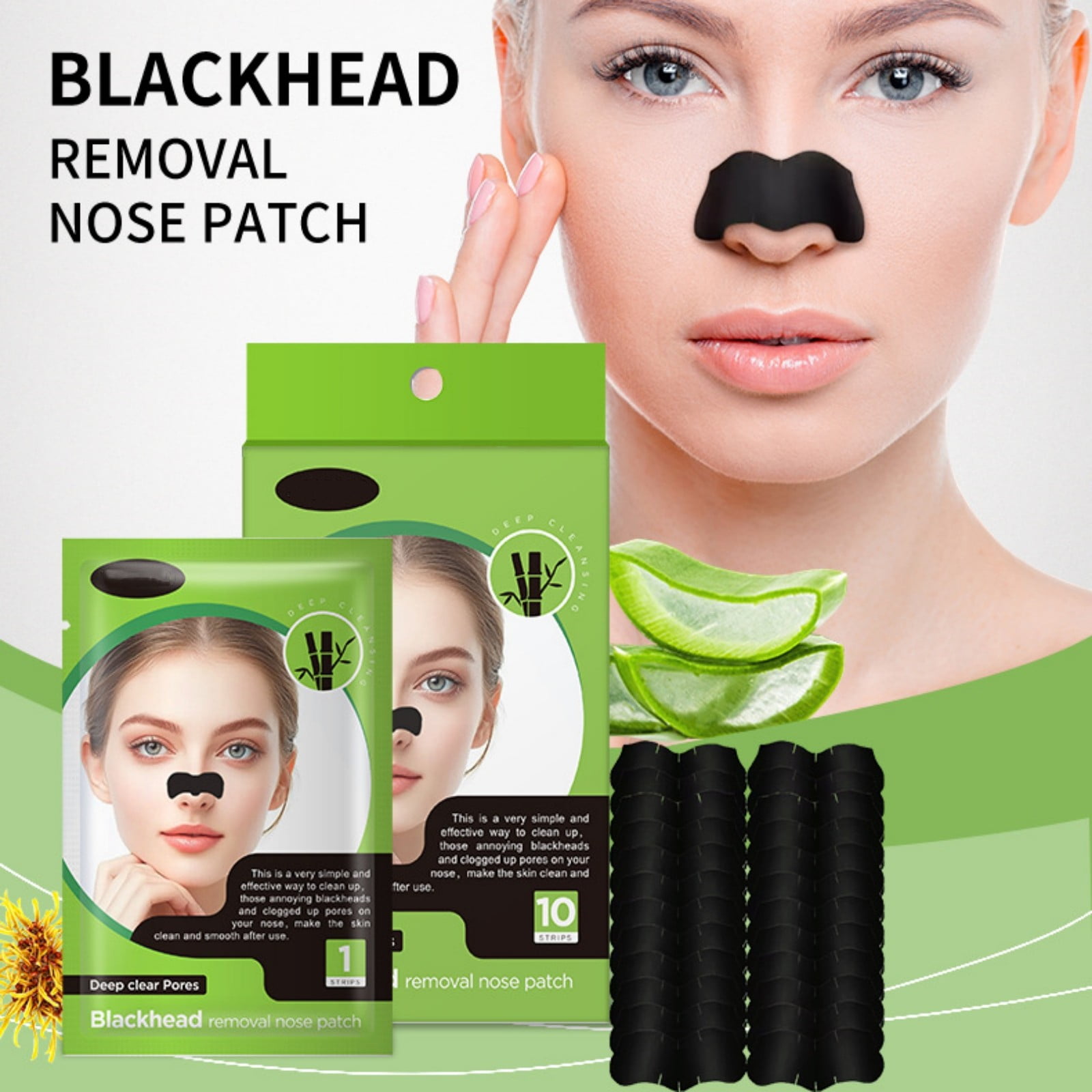
- Pore Strips: These provide immediate gratification by removing the surface tip of the comedone, but they frequently tear the top layer of healthy skin and do not address the deep-seated blockage. Frequent use can lead to broken capillaries.
- Physical Scrubs: Coarse walnut shells or sugar scrubs create micro-tears in the epidermis, which invites bacteria and increases inflammation.
- Steaming Overload: While mild steaming can soften skin, excessive or high-temperature steam causes vasodilation and can worsen conditions like rosacea or sensitive, reactive skin.
Troubleshooting Stubborn Comedones
If blackheads persist despite consistent use of topical retinoids and BHA, it indicates the need for advanced clinical intervention. In 2026, dermatologists offer several procedures that provide superior results compared to manual extraction:
- Chemical Peels: Glycolic or salicylic acid peels applied in a clinical setting provide a deeper exfoliation than at-home products, effectively clearing congested follicles.
- Hydrafacial Treatments: These systems use vortex suction to extract debris while simultaneously infusing the skin with serums, minimizing the trauma typically associated with manual extraction.
- Laser Therapy: Fractional lasers or light-based therapies can reduce sebum production and shrink pore size over a series of sessions.
Frequently Asked Questions
Can I permanently remove blackheads at home? No, blackheads are a chronic skin condition. While they can be cleared, they will return if the underlying cause—sebum production and cellular turnover—is not managed through ongoing topical treatment and skin health maintenance.
Why does my skin get red after I try to remove a blackhead? Redness is a sign of inflammation caused by excessive pressure or damage to the skin's capillary network. If your skin is red after an attempt, you are using too much force and risking long-term scarring or hyperpigmentation.
Are there specific ingredients I should avoid if I have blackheads? Yes, avoid heavy occlusives like mineral oil, certain silicones, or thick waxes if your skin is prone to congestion. Always check labels for the term "non-comedogenic" to ensure the formulation has been tested to not clog pores.
Is there a specific age when blackheads stop appearing? While most common during puberty, blackheads can occur at any age due to hormonal fluctuations, diet, stress, or the use of heavy cosmetic products. There is no biological expiration date for comedone formation.
Do pore vacuums work? At-home pore vacuums are generally ineffective and risky. They often lack the calibrated suction required for safe extraction, frequently causing suction-induced bruising or skin stretching, which can make pores appear permanently larger over time.
Clinical Recommendations for 2026
To achieve the best results, prioritize a preventative strategy over reactive removal. Integrate a balanced skincare routine that features a low-pH cleanser, a 2% salicylic acid treatment, and a retinoid, and ensure your moisturizer is labeled as non-comedogenic. If you find yourself frequently watching extraction videos as a guide for your own routine, shift your focus to professional dermatological consultations to ensure your specific skin type is being treated safely. Seek a consultation with a board-certified dermatologist to discuss clinical-grade chemical peels or professional extraction services if your concerns are not responding to standard over-the-counter interventions.
Image Gallery