Why the VVT-i 16-Valve Engine Architecture Matters for Performance and Efficiency
The VVT-i 16-valve engine architecture is a foundational development in modern automotive engineering that optimizes the trade-off between power output and fuel efficiency. By combining a 16-valve cylinder head design for improved air-...
The VVT-i 16-valve engine architecture is a foundational development in modern automotive engineering that optimizes the trade-off between power output and fuel efficiency. By combining a 16-valve cylinder head design for improved air-flow with Variable Valve Timing with intelligence (VVT-i) to adjust intake timing dynamically, this system ensures the engine operates at peak thermal efficiency across various RPM ranges.
Contents
The Mechanics of 16-Valve Design
To understand why the VVT-i 16-valve configuration remains relevant in 2026, one must first look at the role of the cylinder head. A traditional engine often utilized two valves per cylinder—one intake and one exhaust. However, as the automotive industry pushed for higher power-to-displacement ratios, the "16-valve" designation became the standard for four-cylinder engines.
In this layout, each of the four cylinders is equipped with two intake valves and two exhaust valves. This quartet of openings per cylinder significantly increases the total cross-sectional area through which air and fuel can enter and exhaust gases can exit. By allowing a larger volume of intake charge to enter the combustion chamber and facilitating a faster, more efficient purge of spent gases, the engine can "breathe" better. This design inherently reduces pumping losses and allows for higher engine speeds (RPM), which is essential for extracting more horsepower from a smaller-displacement engine.
Decoding Variable Valve Timing with Intelligence (VVT-i)
While the 16-valve architecture provides the potential for high-RPM performance, it can often lead to a lack of low-end torque. This is where VVT-i enters the equation. Developed by Toyota, VVT-i is a system that allows the engine control unit (ECU) to adjust the timing of the intake valves in relation to the position of the crankshaft.
In a fixed-valve-timing engine, the valve duration is optimized for a specific range—usually either mid-range torque or top-end horsepower. With VVT-i, the engine can retard or advance the intake valve timing based on load, throttle position, and engine temperature.
- Low RPM/High Load: The system advances the intake timing to increase torque, ensuring responsive acceleration from a standstill.
- High RPM: The system adjusts timing to maximize the volumetric efficiency of the 16-valve head, allowing for sustained power delivery.
- Cruising/Light Load: The system fine-tunes overlap to minimize fuel consumption and reduce nitrogen oxide (NOx) emissions.
Synergistic Impact: Power and Efficiency
The true value of the VVT-i 16-valve design lies in the synergy between the mechanical breathing capacity and the electronic timing control. Without VVT-i, a 16-valve engine would often feel "peaky" or sluggish at low speeds. Without the 16-valve layout, the VVT-i system would be limited by the physical constraints of a two-valve cylinder head.
Together, they allow for a "best of both worlds" scenario. The system acts as a bridge that enables a smaller, lighter engine to provide the performance of a larger unit while maintaining the fuel economy expected by modern drivers. This efficiency is not merely about saving fuel; it is about thermal management, reducing the carbon footprint of the vehicle, and extending the operational range of internal combustion platforms that remain in service today.
Comparison of Engine Valve Technologies
| Technology | Breathing Capacity | Low-End Torque | Complexity | Efficiency |
|---|---|---|---|---|
| 8-Valve (Fixed) | Low | High | Minimal | Moderate |
| 16-Valve (Fixed) | High | Low | Moderate | Moderate |
| 16-Valve (VVT-i) | High | High | High | High |
Maintenance and Troubleshooting Considerations
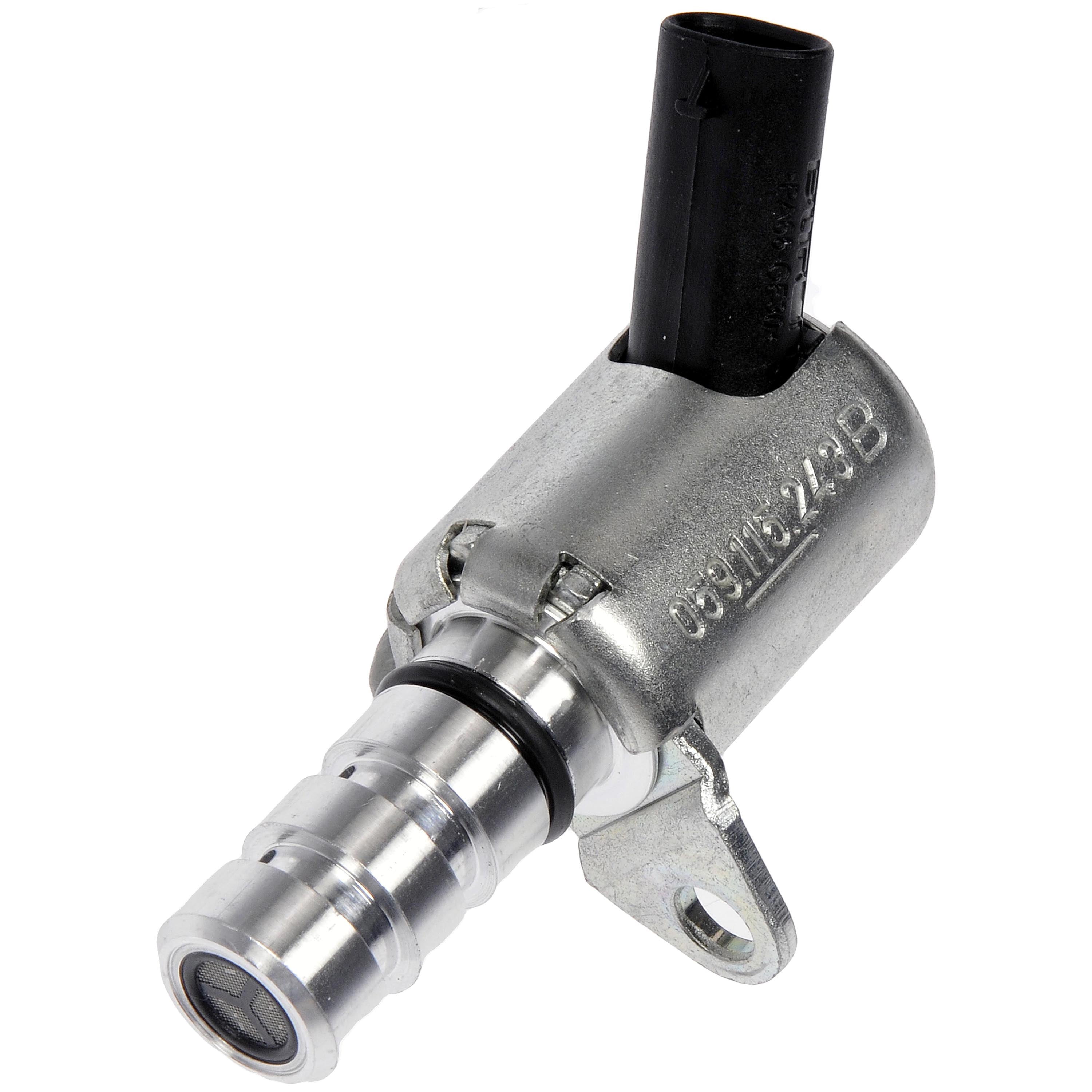
Operating a vehicle equipped with a VVT-i 16-valve engine requires adherence to strict maintenance schedules. The VVT-i system relies heavily on oil pressure and cleanliness to actuate the camshaft timing. Because the VVT-i oil control valve (OCV) uses microscopic oil passages, using the manufacturer-specified oil viscosity is critical.
- Oil Quality: Using oil that is too thick or neglecting oil change intervals can lead to sludge buildup. This sludge can clog the OCV screen, preventing the system from adjusting timing, which typically triggers a "Check Engine" light and can cause poor idling or performance drops.
- Timing Component Health: While the 16-valve head is robust, the timing chain or belt that synchronizes the crankshaft and camshafts must be inspected per the owner's manual. A failure here can lead to piston-to-valve contact, as 16-valve engines are often "interference" designs.
- Sensor Accuracy: The ECU relies on data from the Camshaft Position Sensor and Crankshaft Position Sensor. If these fail, the VVT-i system will revert to a default "safe" timing mode, which significantly hampers performance.
FAQ: Common Questions Regarding VVT-i 16-Valve Engines
Does VVT-i 16-valve improve fuel economy or power? It improves both. By optimizing the intake valve timing for the engine's current load, it achieves greater volumetric efficiency, which translates into better combustion. This allows for more power when needed and less fuel consumption during cruising.
What happens if the VVT-i system fails? Usually, the vehicle will still run, but you will notice a significant loss of power, reduced fuel economy, and potentially rough idling. The ECU will often enter a "limp mode" to prevent engine damage until the OCV or related sensors are serviced.
Why are 16 valves preferred over 8 valves? The 16-valve configuration provides more surface area for airflow. More air and fuel entering the engine means more potential for combustion energy, provided the engine can manage that airflow efficiently through technologies like VVT-i.
Does a 16-valve engine require special maintenance? Beyond standard oil changes, the primary requirement is strict adherence to oil viscosity ratings. Because the VVT-i actuator depends on hydraulic oil pressure, the health of the oil system is paramount to the longevity of the timing components.
Can VVT-i be installed on older engines? Retrofitting a VVT-i system onto an older engine is generally not practical. It requires a compatible cylinder head, specialized camshafts, an oil-actuated cam gear, an oil control valve, and, most importantly, a sophisticated ECU capable of managing the timing maps.
Next Steps for Owners
If you drive a vehicle equipped with a VVT-i 16-valve engine, the most effective action you can take is to verify that your oil change intervals are strictly followed. Use only the high-quality synthetic or semi-synthetic oils recommended in your service manual. If you notice a decline in performance or the illumination of diagnostic lights, have a technician specifically test the VVT-i Oil Control Valve (OCV) and filter screen, as these are common, manageable points of failure that, when addressed, can restore your engine to factory-spec performance.
Image Gallery