Comprehensive Guide to Prisons in Central California: 2026 Facilities and Operations
Central California serves as the primary corridor for the state’s correctional infrastructure, housing a dense concentration of state and federal facilities. These institutions, ranging from minimum-security rehabilitation centers to m...
Central California serves as the primary corridor for the state’s correctional infrastructure, housing a dense concentration of state and federal facilities. These institutions, ranging from minimum-security rehabilitation centers to maximum-security state prisons, are primarily located within the San Joaquin Valley. Key locations include Corcoran, Chowchilla, and Coalinga, managed by the California Department of Corrections and Rehabilitation (CDCR) and the Federal Bureau of Prisons (BOP).
Contents
The Landscape of Corrections in the San Joaquin Valley
Central California is colloquially known as the backbone of the California correctional system. The geography of the region—vast, flat, and historically agricultural—offered the state the necessary acreage to build expansive "prison towns" during the construction boom of the 1980s and 1990s. In 2026, these facilities continue to be major economic drivers for rural counties like Kings, Madera, and Fresno, providing thousands of civil service jobs while managing a significant portion of the state’s incarcerated population.
The distribution of prisons in this region is not accidental. The proximity to major transit arteries like Highway 99 and Interstate 5 allows for the efficient transfer of inmates between Southern California intake centers and Northern California facilities. Furthermore, the regional focus has shifted significantly toward rehabilitation and vocational training, aligning with the California Model of corrections initiated in the early 2020s.
The Role of the CDCR and Federal Oversight
The California Department of Corrections and Rehabilitation (CDCR) operates the vast majority of sites in the region. Their mission in 2026 emphasizes "restorative justice" and "re-entry readiness." This means that even in high-security facilities like Kern Valley or Corcoran, there is a heavy emphasis on educational programming, mental health services, and industry-specific job training through the California Prison Industry Authority (CALPIA).
Federal facilities in the region, managed by the Bureau of Prisons (BOP), operate under federal jurisdiction and house individuals convicted of federal crimes. These facilities, such as USP Atwater and FCI Mendota, follow different administrative guidelines than state-run institutions but are equally integral to the region's correctional footprint.
Major State Correctional Facilities in Central California
The concentration of state prisons in Central California is the highest in the United States. Below is a detailed look at the primary institutions currently operating in 2026.
California State Prison, Corcoran (CSP-COR)
Located in Kings County, Corcoran is one of the most well-known facilities in the country. While it historically gained notoriety for housing high-profile inmates in its Protective Housing Unit, in 2026, its focus is split between Level IV high-security housing and specialized medical units. It remains a critical hub for the CDCR’s psychiatric services.
Substance Abuse Treatment Facility and State Prison, Corcoran (SATF)
Adjacent to CSP-COR, the SATF is specifically designed to address the root causes of recidivism. It is one of the largest facilities in the state focused on addiction recovery. The programming here is intensive, utilizing therapeutic communities to prepare inmates for a drug-free life post-release.
Central California Women’s Facility (CCWF)
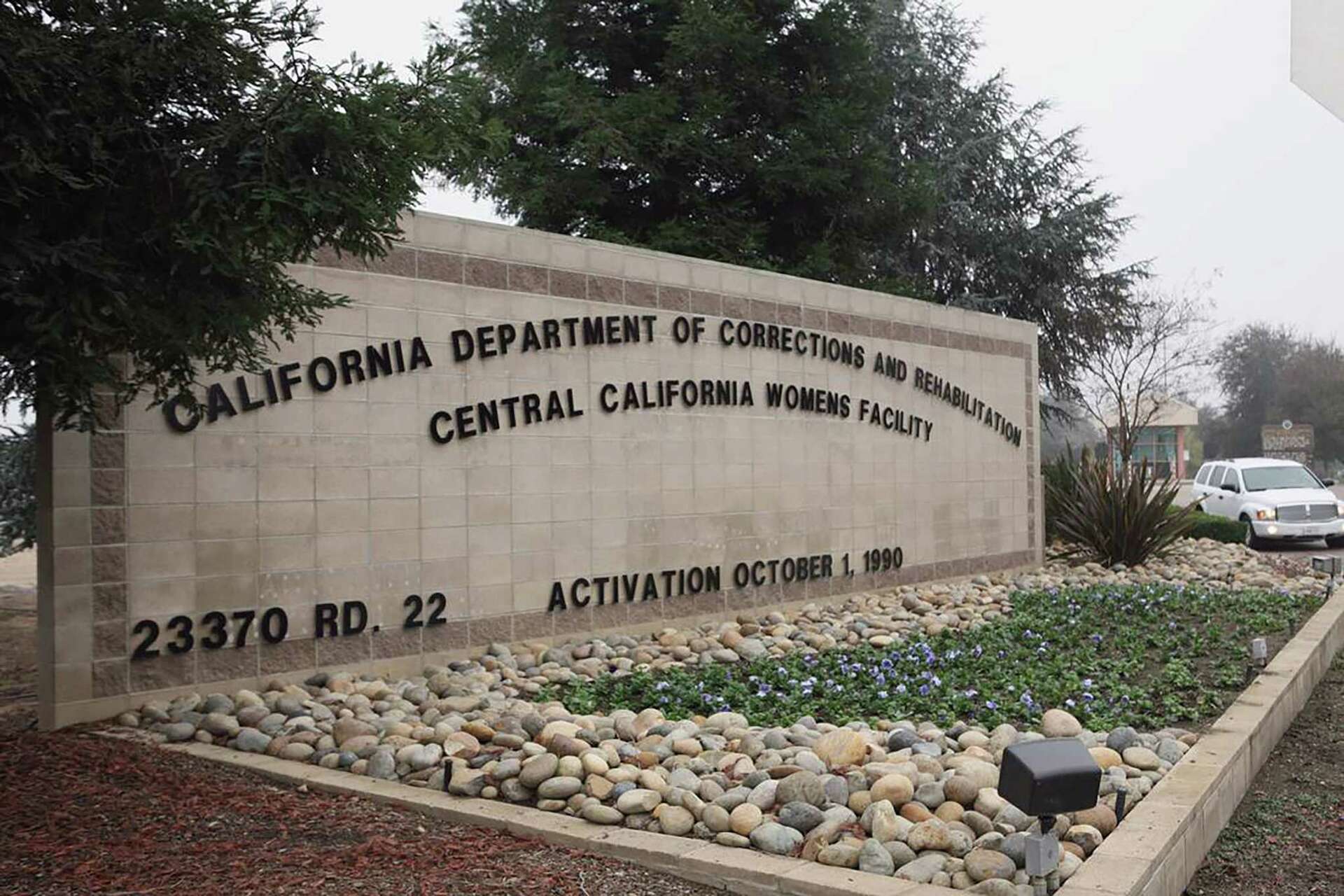
Located in Chowchilla (Madera County), CCWF is the largest female correctional facility in the world. As of 2026, it serves as the primary intake center for females entering the state system. The facility provides comprehensive gender-responsive programming, including specialized maternal health services and vocational training in fields like coding and dental technology.
Valley State Prison (VSP)
Also located in Chowchilla, VSP was converted from a female to a male facility over a decade ago. It has since become a flagship for the "California Model," focusing heavily on education. VSP is known for its high enrollment in college degree programs and its "Youth Offender Program," which targets younger inmates to prevent long-term criminal careers.
Pleasant Valley State Prison (PVSP)
Situated in Coalinga, PVSP handles a diverse population of Level III and IV inmates. Due to its remote location in Fresno County, it has developed robust self-contained industrial programs, including garment manufacturing and agricultural operations that support the prison system’s internal needs.
Federal Correctional Institutions in the Region
While state prisons dominate the headlines, federal facilities in Central California are high-capacity institutions that house inmates from across the country.
- USP Atwater: A high-security United States Penitentiary located on the former Castle Air Force Base. It includes a minimum-security satellite camp and is known for its stringent security protocols.
- FCI Mendota: A medium-security federal correctional institution with an adjacent minimum-security satellite camp. It is one of the newer federal facilities in the region, featuring modern architectural designs intended to facilitate better surveillance and safety.
- Taft Correctional Institution: Historically a privately operated federal facility, its status in 2026 remains under federal oversight following several years of structural renovations and administrative transitions to ensure compliance with modern BOP safety standards.
2026 Facility Directory and Security Matrix
The following table provides a snapshot of the primary facilities in Central California, their locations, and their primary security classifications as of the 2026 operational year.
| Facility Name | Location | County | Primary Security Level | Population Served |
|---|---|---|---|---|
| Avenal State Prison (ASP) | Avenal | Kings | Level II (Medium) | Male |
| Calipatria State Prison | Calipatria | Imperial* | Level IV (High) | Male |
| CCWF | Chowchilla | Madera | Multiple (I - IV) | Female |
| CSP, Corcoran | Corcoran | Kings | Level III/IV (High) | Male |
| FCI Mendota | Mendota | Fresno | Medium/Minimum | Male |
| Kern Valley State Prison | Delano | Kern | Level IV (High) | Male |
| North Kern State Prison | Delano | Kern | Reception Center | Male |
| Pleasant Valley State Prison | Coalinga | Fresno | Level III/IV | Male |
| SATF, Corcoran | Corcoran | Kings | Level II/III | Male |
| USP Atwater | Atwater | Merced | High/Minimum | Male |
| Valley State Prison | Chowchilla | Madera | Level II (Medium) | Male |
Regional Scope Note
While the Imperial Valley (Calipatria/Centinela) is technically in Southern California, it is often grouped with Central California operations due to the similarity in climate, mission, and administrative oversight by the CDCR's central regional office. For the purposes of this 2026 guide, we focus primarily on the San Joaquin Valley corridor.
Security Levels and Housing Classifications
Understanding the "Level" system is essential for families and legal professionals navigating the Central California prison system. The CDCR uses a point-based system to determine an inmate's placement.
- Level I: These are typically "Open" facilities, often without a secure perimeter fence. They include fire camps and community correctional facilities.
- Level II: Medium-security facilities with secure perimeters and armed coverage, but with more dormitory-style housing and freedom of movement within the yard.
- Level III: High-medium security. These facilities use cell-block housing and have much stricter movement controls and higher staff-to-inmate ratios.
- Level IV: Maximum security. These are designed for inmates with high-security concerns or history of violence. They feature fortified perimeters and highly controlled movement.
- SHU (Security Housing Unit): Specialized units within Level IV facilities (like Corcoran) for inmates who require isolation for safety or disciplinary reasons.
Technology and Visitation in 2026
The year 2026 has seen a complete integration of digital services within Central California prisons. The "Digital Divide" in corrections has significantly narrowed due to the statewide rollout of secure tablets for all incarcerated individuals.
Digital Communication Standards
Inmate Tablets and Connectivity All state facilities in the region now utilize encrypted tablets provided through partners like Viapath (GTL). These devices allow for secure messaging, educational coursework, and law library access. Inmates can also use these for streaming approved media and making phone calls from their housing units, reducing the congestion in common areas.
Video Visitation Protocols Video visitation has become a permanent fixture alongside in-person visits. This is particularly vital for Central California prisons, as many families must travel long distances from the Bay Area or Los Angeles. Video visits must be scheduled 72 hours in advance via the CDCR’s centralized portal.
In-Person Visiting Security Physical visits still require strict adherence to dress codes and background clearances. In 2026, the use of AI-enhanced scanning technology at entrance gates has streamlined the processing of visitors, though wait times during weekend peak hours remain a factor at high-capacity sites like North Kern and Wasco.
Reentry and Vocational Programming
Central California's prisons are significant hubs for the California Prison Industry Authority (CALPIA). This program functions as a business within the prison, allowing inmates to work in jobs that mirror real-world industries.
- Agricultural Operations: Many Valley prisons take advantage of the local climate to run dairies, orchards, and crop farms.
- Manufacturing: Facilities like Avenal and Corcoran house factories for furniture, signage, and clothing used by other state agencies.
- Technology Training: In 2026, there is an expanded focus on IT certifications and computer-aided design (CAD) within the Level II and III facilities to prepare inmates for the modern workforce.
The "Central Valley Reentry Project" is a 2026 initiative that links inmates at facilities like Valley State Prison directly with employers in Fresno, Bakersfield, and Modesto. This "warm handoff" strategy is designed to ensure that individuals have housing and employment secured before they physically leave the facility.
Frequently Asked Questions
Which Central California prison is the largest?
The Central California Women's Facility (CCWF) in Chowchilla is the largest female-only institution in the region and the world. For male populations, the Substance Abuse Treatment Facility (SATF) in Corcoran typically holds one of the highest daily censuses due to its expansive mission and multiple housing yards.
How do I locate an inmate in a Central California facility?
In 2026, the most efficient method is using the CDCR Inmate Locator tool on the official department website. You will need either the inmate’s full name or their CDC number. For federal inmates in USP Atwater or FCI Mendota, use the Bureau of Prisons (BOP) "Find an Inmate" portal, which requires a GDC or register number.
Can I send money to an inmate in a Central California prison?
Yes, funds can be sent via authorized electronic service providers such as JPay, Viapath (GTL), or Access Corrections. These funds allow inmates to purchase items from the canteen (commissary) or pay for tablet services like music and movies. In 2026, paper money orders are still accepted but involve a significantly longer processing time.
What are the main differences between CSP Corcoran and SATF?
Though they are located next to each other, they serve different purposes. CSP Corcoran is a general-purpose state prison with a focus on high-security and medical needs. The SATF is a specialized facility specifically geared toward substance abuse treatment and rehabilitative programming, often housing lower-security classifications than the main Corcoran facility.
Are there private prisons in Central California in 2026?
Following state legislation passed in the early 2020s (such as AB 32), California has phased out the use of private, for-profit prisons for state-sentenced inmates. While some facilities might still utilize private contractors for specific services like food or medical specialized care, the management of the prisons themselves is handled by state or federal employees.
Professional Guidance for Navigating the System
Navigating the correctional landscape of Central California requires a firm understanding of both administrative rules and the logistical realities of the San Joaquin Valley. For legal professionals and family members, the 2026 environment is more technologically advanced than in previous decades, but it remains a highly regulated space.
When planning a visit or legal consultation:
- Verify Status Regularly: Use the CDCR/BOP portals to check for facility lockdowns or modified programs, which can occur with little notice and cancel all visitations.
- Climate Readiness: Central California temperatures often exceed 100 degrees Fahrenheit in the summer and can drop below freezing in the winter. Most facility waiting areas have limited climate control; plan your travel accordingly.
- Documentation: Ensure all identification is current. In 2026, "Real ID" compliance is strictly enforced for entry into all federal facilities and most state facilities.
By focusing on rehabilitation and the integration of modern technology, the prisons in Central California continue to evolve from mere detention centers into complex institutions aimed at public safety and successful reentry.
Image Gallery