Washington State Department of Transportation Road Conditions Guide for 2026
Navigating Washington State roads requires up-to-date data on mountain passes, construction delays, and winter weather advisories. The Washington State Department of Transportation provides official, real-time road conditions through i...
Navigating Washington State roads requires up-to-date data on mountain passes, construction delays, and winter weather advisories. The Washington State Department of Transportation provides official, real-time road conditions through its online tools, mobile application, and traveler information networks to help drivers plan safe routes across the state.
Contents
Understanding the Washington State Department of Transportation Traveler Information System
The Washington State Department of Transportation manages thousands of lane miles, dozens of mountain passes, and vital international border crossings. Accessing accurate data from the official Washington State Department of Transportation database prevents unexpected delays caused by collisions, disabled vehicles, and weather events. The agency updates its infrastructure feeds continuously to reflect dynamic highway environments.
Travelers rely on multiple channels to ingest real-time traffic data before embarking on regional trips. The primary portal serves as a centralized hub for traffic cameras, travel times, and restricted vehicle alerts.
- Real-Time Travel Maps: Interactive mapping tools display current speeds, incident locations, and construction zones across major corridors like Interstate 5, Interstate 90, and Interstate 405.
- Mountain Pass Reports: Dedicated status feeds provide immediate updates on Snoqualmie Pass, Stevens Pass, White Pass, and other critical elevations regarding traction requirements and chain laws.
- Commercial Vehicle Services: Specialized updates outline weight restrictions, over-dimensional load permits, and commercial truck parking availability.
Essential Tools for Checking Washington State Road Conditions
Utilizing official Washington State Department of Transportation resources ensures drivers receive verified, accurate updates rather than delayed third-party aggregators. The agency provides several distinct platforms tailored to different user environments, whether monitoring traffic from a desktop computer or a smartphone while on the move.
Official Mobile Applications and Web Portals
The Washington State Department of Transportation mobile application is a vital utility for modern drivers. It features hands-free audio alerts that announce upcoming incidents, stalled vehicles, and chain requirements along designated routes. The desktop application features identical telemetry, optimized for desktop route planning with advanced filter options.
| Resource Platform | Primary Function | Update Frequency | Accessibility |
|---|---|---|---|
| WSDOT Mobile App | Turn-by-turn alerts, camera feeds, pass statuses | Real-time (sub-minute) | iOS and Android devices |
| Official Travel Map Website | Comprehensive statewide route planning | Continuous telemetry | Web browsers (Desktop/Mobile) |
| Highway Advisory Radio (HAR) | Localized broadcast alerts for immediate zones | Continuous loop | AM/FM Radio frequencies |
| Telephone Information Line | Audio-only automated pass and highway updates | Updated per incident dispatch | Dial 511 (Within Washington State) |
Mountain Pass Safety, Chain Requirements, and Weather Mandates
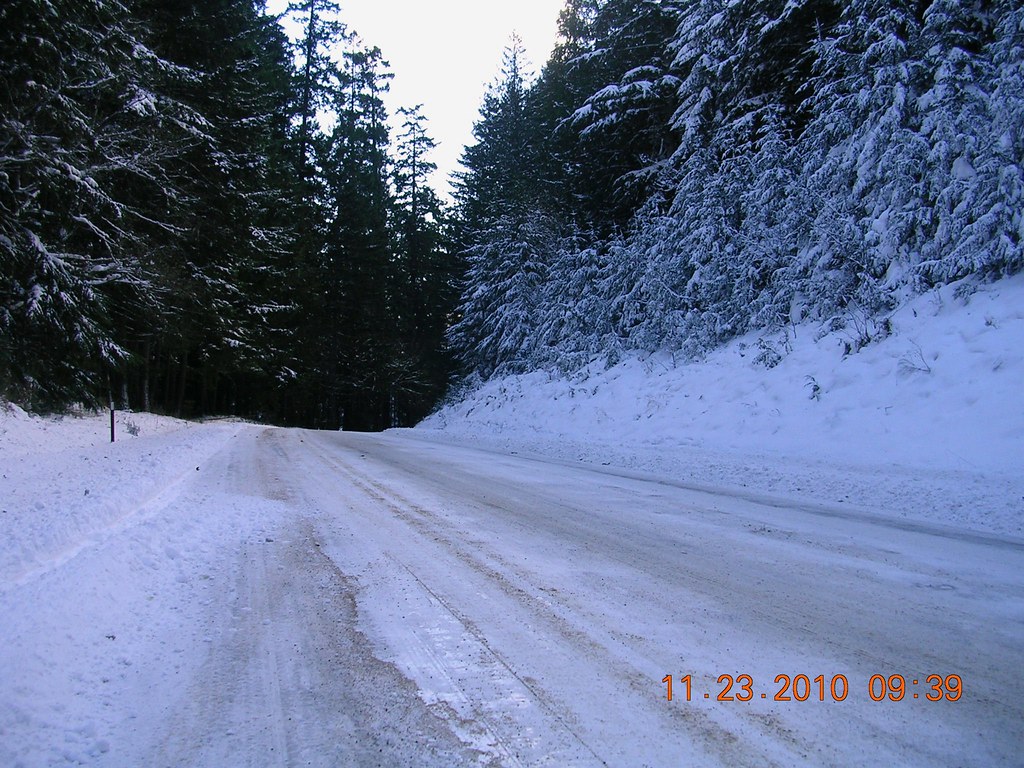
Traversing Washington mountain passes during late autumn, winter, and early spring demands strict adherence to Washington State Department of Transportation regulations. Changing weather patterns can shift pass conditions from bare pavement to packed snow and ice within minutes.
Understanding Chain Requirements and Vehicle Classifications
When winter conditions intensify, the Washington State Department of Transportation implements progressive chain requirements. Enforcement depends heavily on vehicle drive type, weight rating, and tire composition.
- Requirement 1 (All Vehicles): Chains required on all vehicles except all-wheel drive or four-wheel drive vehicles equipped with adequate snow tires on all four wheels.
- Requirement 2 (All Vehicles Except 4WD/AWD): Chains required on all single-drive axle vehicles. All-wheel drive vehicles must carry chains in the vehicle.
- Requirement 3 (All Vehicles): Chains are required on all vehicles, including four-wheel drive and all-wheel drive vehicles, with no exceptions for tire type alone.
Drivers must monitor dynamic electronic message signs located miles before pass entry points. Failing to install chains when mandated by Washington State Department of Transportation crews results in severe traffic fines and contributes to catastrophic gridlock that delays emergency response vehicles.
Major Highway Corridors and Regional Challenges
Washington State features diverse topography, ranging from coastal rainforests and dense urban metropolitan zones to high desert plateaus and rugged mountain ranges. Each geographic sector presents unique maintenance and monitoring challenges for the Washington State Department of Transportation.
Western Washington Urban Networks
The Puget Sound region, encompassing Seattle, Tacoma, and Bellevue, experiences heavy commuter volumes. The Washington State Department of Transportation manages complex express toll lanes, HOV lane restrictions, and drawbridges over major waterways like Lake Washington and the Duwamish River. Real-time monitoring helps commuters navigate recurrent bottlenecks caused by peak-hour congestion and urban collisions.
Eastern Washington and Mountain Passes
East of the Cascade Range, regional corridors such as Interstate 90, US Route 2, and State Route 14 require heavy winter maintenance, including snow grooming, anti-icing chemical applications, and controlled avalanche blasting. The Washington State Department of Transportation coordinates closely with the Washington State Patrol to execute emergency closures during severe weather events to protect the traveling public.
Best Practices for Safe Driving on Washington State Highways
Integrating proactive planning habits minimizes risk when navigating dynamic highway environments. Preparation extends beyond simply checking an app before departure; it requires maintaining vehicle readiness and adapting driving behavior to match current conditions.
- Inspect Emergency Kits: Pack high-protein non-perishable food, potable water, heavy blankets, a flashlight, a portable phone charger, and a basic first-aid kit during winter travel.
- Maintain Fuel or Battery Levels: Keep fuel tanks at least half full or maintain a high state of charge for electric vehicles to prevent hypothermic risks during extended winter gridlock.
- Increase Following Distances: Double or triple standard following distances behind snowplows and salt trucks. Never attempt to pass an active convoy of snow removal equipment operating in tandem across multiple lanes.
- Monitor Weather Advisories: Cross-reference Washington State Department of Transportation feeds with National Weather Service bulletins to anticipate sudden atmospheric rivers or freezing rain events.
Frequently Asked Questions
How can I check mountain pass conditions in real-time?
You can check real-time mountain pass conditions by visiting the official Washington State Department of Transportation travel map website, downloading the mobile application, or calling 511. These platforms provide live camera feeds, temperature data, and immediate updates on chain requirements.
What does "Chains Required, All Vehicles Except AWD/4WD" mean?
This regulation mandates that every vehicle must use tire chains, with the sole exception of four-wheel drive or all-wheel drive vehicles equipped with approved snow tires on all four wheels. Even exempt vehicles must carry a set of chains inside the cabin in case conditions worsen.
Are studded tires legal to use year-round in Washington State?
No, studded tires are subject to strict seasonal limitations governed by state law. They are typically legal for use only from November 1st through March 31st, though the Washington State Department of Transportation may extend removal deadlines based on persistent winter weather.
How do I report a road hazard or pothole to the transportation department?
Drivers can report non-emergency road hazards, debris, or severe potholes directly through the maintenance section of the Washington State Department of Transportation website or by contacting the relevant regional maintenance office via telephone.
What should I do if my car stalls on a busy freeway?
Stay inside your vehicle with your seatbelt fastened and turn on your hazard lights immediately. Call 911 or the Washington State Patrol if you are obstructing traffic or in a dangerous lane, and wait for professional assistance to arrive.
Conclusion
Staying informed through official channels ensures safe and efficient travel across the state. Always verify route statuses with the Washington State Department of Transportation before departure, respect active work zones and winter mandates, and equip your vehicle appropriately for regional weather conditions.
Image Gallery