Heating Brighton: A Comprehensive Guide to Home Comfort and Energy Efficiency
Effective heating in Brighton involves navigating a unique combination of coastal environmental challenges, historic architectural requirements, and evolving national energy standards. In 2026, residents typically choose between high-e...
Effective heating in Brighton involves navigating a unique combination of coastal environmental challenges, historic architectural requirements, and evolving national energy standards. In 2026, residents typically choose between high-efficiency condensing gas boilers and renewable solutions like air-source heat pumps, prioritizing systems that withstand salt-air corrosion while meeting the city’s ambitious carbon-neutrality targets and building regulations.
Contents
The Unique Heating Challenges of the Brighton Coastline
Brighton and Hove present a distinct set of challenges for heating systems that are rarely found in inland UK cities. The most significant factor is the maritime climate. Properties located near the seafront are subjected to high levels of salt-laden air, which acts as a powerful corrosive agent. For heating systems, this means that external components—such as boiler flues, condensate pipes, and particularly the outdoor units of air-source heat pumps (ASHPs)—require specialized coatings or strategic placement to prevent premature degradation. In 2026, local installers increasingly recommend marine-grade housing or anti-corrosion treatments for any equipment exposed to the prevailing southwesterly winds.
Furthermore, Brighton’s housing stock is characterized by a high density of Victorian and Edwardian terraced housing, particularly in areas like Hanover, Seven Dials, and Kemp Town. These buildings often feature solid flint or brick walls without cavities, making standard insulation difficult. Heating these spaces efficiently requires a different approach than heating a modern development in the Marina. High ceilings and large sash windows contribute to significant heat loss, meaning that "Heating Brighton" is as much about heat retention and "fabric-first" retrofitting as it is about the heat source itself.
Finally, the local government’s commitment to becoming a carbon-neutral city by 2030 has influenced local planning and building control. Residents must often balance the need for modern heating efficiency with the strict aesthetic and structural requirements of Brighton’s many Conservation Areas. This often necessitates bespoke solutions, such as internal wall insulation or slimline double glazing, to ensure that low-temperature heating systems, like heat pumps, can operate effectively.
Modern Heating Technologies for Brighton Homes in 2026
As we move through 2026, the landscape of domestic heating is transitioning. While gas remains a primary fuel source for many, the shift toward electrification and renewable energy is accelerating due to government incentives and the maturing of heat pump technology.
High-Efficiency Condensing Boilers
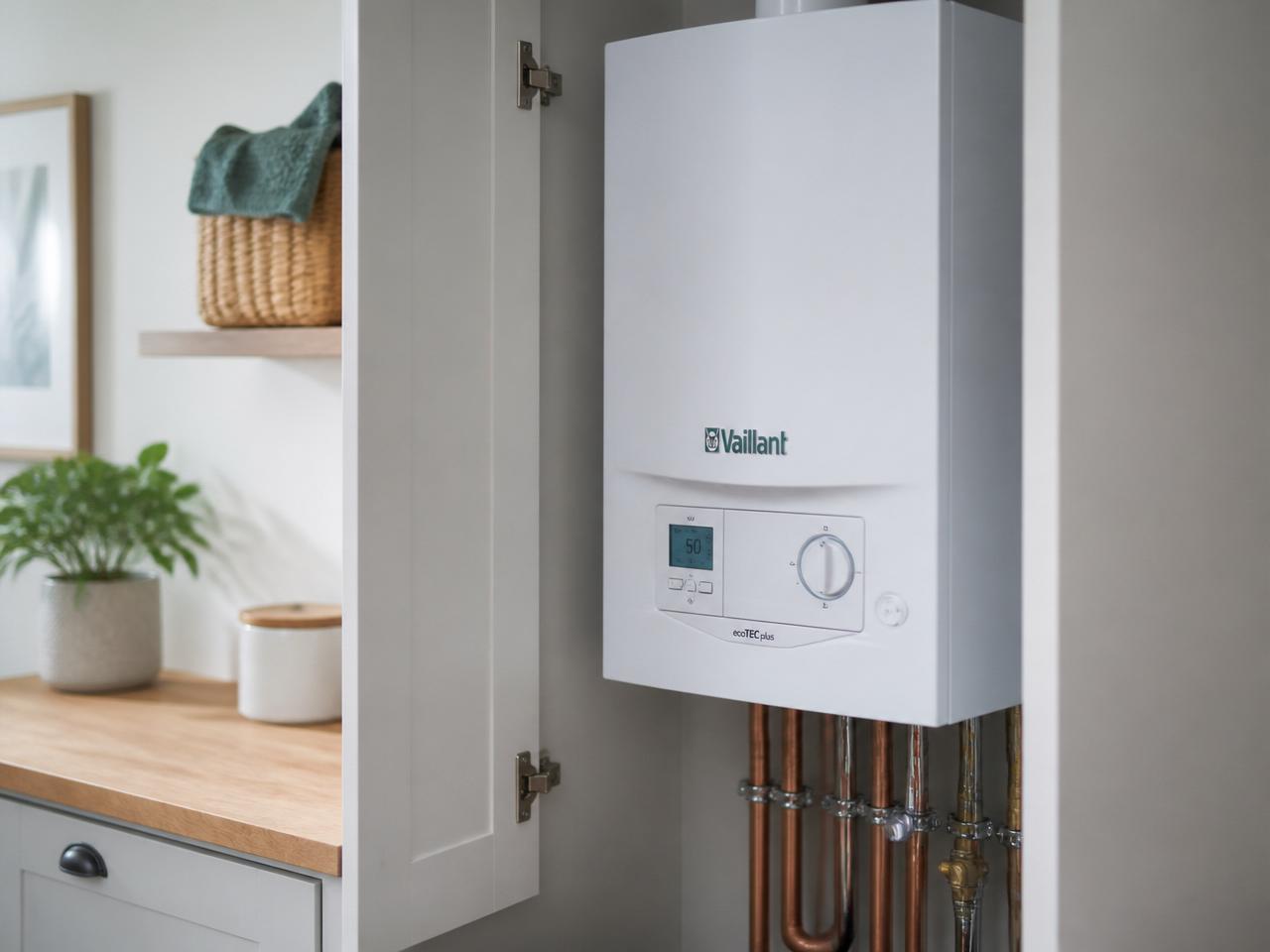
For many Brighton households, especially those in smaller flats or terraces with limited outdoor space, the modern condensing gas boiler remains the most practical option. By 2026, most new installations are "hydrogen-ready," capable of running on a blend of natural gas and hydrogen should the UK grid transition. These units achieve over 90% efficiency by capturing heat from exhaust gases that would otherwise be lost. In a coastal environment, ensuring the flue is made of high-quality, corrosion-resistant materials is vital for longevity.
Air-Source Heat Pumps (ASHP)
Heat pumps have become a mainstream choice in Brighton, supported by the ongoing Boiler Upgrade Scheme. An ASHP works like a refrigerator in reverse, extracting heat from the outside air—even in the relatively mild Sussex winters—to provide space heating and hot water. Brighton’s climate is actually well-suited for heat pumps because temperatures rarely drop to the extremes seen in the north. However, because they produce heat at lower temperatures than boilers, they often require larger radiators or underfloor heating to distribute warmth effectively throughout older, draughtier homes.
Hybrid Heating Systems
A popular middle ground in 2026 is the hybrid system, which combines a traditional gas boiler with an electric heat pump. An intelligent controller switches between the two based on external temperatures and energy prices. This is particularly effective for Brighton’s larger Regency villas, where a heat pump alone might struggle to meet peak demand during a cold February snap, but can handle the baseline heating load for the rest of the year with high efficiency.
Regulations, Grants, and Local Initiatives
Navigating the legal and financial landscape of heating is essential for Brighton property owners. The Brighton & Hove City Council provides specific guidance on energy efficiency, especially for listed buildings and those in conservation areas.
- The Future Homes Standard: Since 2025, new builds in the UK have been prohibited from installing gas boilers, pushing all new Brighton developments toward electric-based heating or heat networks.
- The Boiler Upgrade Scheme (BUS): In 2026, homeowners can still access significant grants to offset the capital cost of installing a heat pump or biomass boiler.
- Minimum Energy Efficiency Standards (MEES): For Brighton landlords, the pressure to maintain a high EPC (Energy Performance Certificate) rating is intense. New regulations have tightened the requirements, making efficient heating systems a prerequisite for legally letting a property.
- Planning Permission: If you live in a Conservation Area, such as the North Laine or Montpelier, installing an external heat pump unit may require planning permission to ensure it does not negatively impact the historic character of the neighborhood or create noise nuisance for neighbors.
Comparing Heating Options for Brighton Residents
Choosing the right system depends on your property type, budget, and long-term environmental goals. The following table compares the primary options available in 2026.
| Feature | Condensing Gas Boiler | Air-Source Heat Pump | Hybrid System |
|---|---|---|---|
| Typical Installation Cost | £2,500 – £4,500 | £10,000 – £16,000 | £8,000 – £12,000 |
| Available Grants | None | Up to £7,500 (BUS) | Limited/Variable |
| Space Required | Minimal (Wall-mounted) | High (External unit needed) | Medium (Internal & External) |
| Efficiency (SCOP) | ~92% | 300% – 400% | Variable (Optimized) |
| Coastal Suitability | High (Indoor unit) | Moderate (Requires protection) | Moderate to High |
| Carbon Footprint | Moderate | Low | Low-Moderate |
Professional Installation and Maintenance Standards
When looking for heating services in Brighton, the credentials of the engineer are non-negotiable. For gas systems, ensuring the technician is on the Gas Safe Register is a legal requirement. This ensures they are qualified to work safely with gas and can self-certify that the installation meets Building Regulations.
For renewable systems, look for MCS (Microgeneration Certification Scheme) accreditation. This is essential not only for quality assurance but also for eligibility for government grants. In Brighton, reputable firms will often offer a "coastal maintenance package," which includes more frequent inspections of outdoor components to clear salt deposits and check for signs of galvanic corrosion.
The Importance of Annual Servicing
Brighton’s hard water—sourced primarily from the chalk aquifers of the South Downs—is notorious for causing limescale buildup. In a heating system, scale acts as an insulator on heat exchangers, forcing the system to work harder and increasing fuel consumption. Annual servicing should include a check of the system's "inhibitor" levels (chemicals that prevent corrosion and scale) and a magnetic filter clean to remove sludge. For residents in the BN1, BN2, and BN3 areas, failing to manage hard water can reduce the lifespan of a boiler by several years.
Energy Efficiency and Retrofitting: The "Fabric First" Approach
Installing a high-tech heating system in a draughty Brighton terrace is like "filling a bucket with a hole in it." Before upgrading the heat source, property owners should consider insulation.
- Loft Insulation: In many older Brighton homes, existing loft insulation is compressed or insufficient. Topping this up to the recommended 270mm is one of the most cost-effective ways to reduce heating bills.
- Draft Proofing: Victorian sash windows are iconic but often leaky. Professional draft-proofing or the installation of secondary glazing can significantly improve the performance of a modern heating system.
- Smart Controls: In 2026, smart thermostats like Tado, Nest, or Hive are standard. These systems use "geofencing" to turn the heating down when you leave the house and "weather compensation" to adjust the boiler's output based on the forecast for Brighton, preventing energy waste on milder days.
Frequently Asked Questions
Is my Brighton home suitable for a heat pump?
Most homes are suitable, but the level of preparation varies. If you have a well-insulated modern apartment or a retrofitted house with double glazing and loft insulation, a heat pump will work efficiently. If you own an uninsulated Victorian terrace, you may need to upgrade your radiators or improve your insulation first to ensure the heat pump can maintain a comfortable temperature during the winter.
How much does a new boiler cost in Brighton in 2026?
A standard combi-boiler installation typically ranges from £2,500 to £4,500. This varies based on the complexity of the flue run, whether you are relocating the boiler, and the quality of the unit selected. Prices in Brighton can be slightly higher than the national average due to local labor rates and the logistical challenges of parking and access in dense urban areas.
What should I do if my heating fails in the middle of winter?
First, check your boiler’s fault code and see if your condensate pipe (the plastic pipe leading outside) has frozen—a common issue during Brighton cold snaps. If it’s frozen, you can gently thaw it with warm water. If the problem persists, contact a Gas Safe engineer. Many Brighton firms offer 24/7 emergency cover, but expect to pay a premium for out-of-hours callouts.
Can I install a heat pump if I live in a flat?
It is possible but challenging. You will need permission from the freeholder and space for the external unit (such as a balcony or shared courtyard). In many Brighton flats, high-efficiency electric radiators or "Heat Batteries" are becoming more popular alternatives to traditional gas or bulky heat pumps.
Why is my heating bill so high despite having a new boiler?
High bills are often caused by "short cycling," where a boiler is too powerful for the property and turns on and off constantly. It can also be due to hard water scale or poorly balanced radiators. Ensure your engineer performs a "heat loss calculation" to size the system correctly for your specific Brighton property.
Next Steps for Improving Your Heating
If you are looking to upgrade or repair your heating in Brighton, your first step should be a professional energy audit. This will identify where your home is losing heat and whether your current emitters (radiators) are sized correctly for a modern, low-temperature system. Always obtain at least three quotes from local, accredited engineers and check their recent reviews on platforms like Checkatrade or Trustpilot. Prioritize installers who have experience with the specific housing types found in East Sussex and who understand the protective measures required for our coastal environment.
Image Gallery