Current Crossword Puzzles: A Historical and Cultural Overview
Current crossword puzzles represent a unique cultural touchstone that bridges the gap between historical print media traditions and modern, digitally integrated daily routines. Far from being simple pastimes, these linguistic grids fun...
Current crossword puzzles represent a unique cultural touchstone that bridges the gap between historical print media traditions and modern, digitally integrated daily routines. Far from being simple pastimes, these linguistic grids function as dynamic mirrors of contemporary lexicography, global events, and shifting social norms, maintained by dedicated constructors and editors across multiple media platforms.
Contents
The Origins and Evolution of the Crossword Puzzle
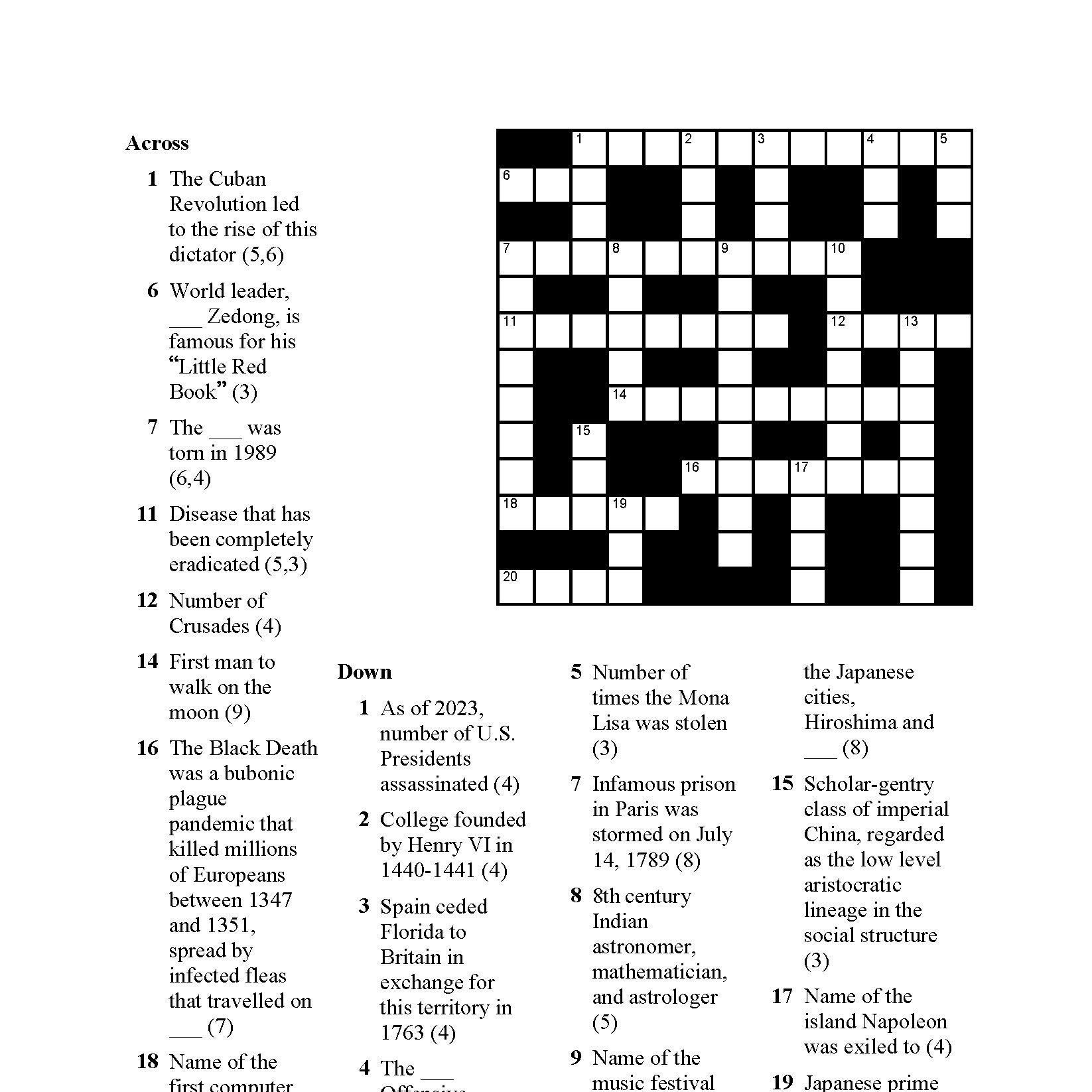
The crossword puzzle as it is recognized today traces its lineage back to the early 20th century, though its conceptual roots stretch deep into word game history. On December 21, 1913, journalist Arthur Wynne published a "word-cross" puzzle in the New York World newspaper. Designed for the Sunday entertainment supplement, Wynne’s diamond-shaped grid incorporated intersecting vertical and horizontal words, setting the template for a phenomenon that would sweep the globe.
During the 1920s, the puzzle experienced an explosive commercial boom. Simon & Schuster published the very first book of crossword puzzles in 1924, complete with a complimentary pencil. This publication turned a newspaper novelty into a portable consumer product. Traditionalists initially dismissed the craze as a passing fad or a trivial distraction for idle minds. However, cultural institutions and newspapers gradually recognized the intellectual rigor and mass appeal of the format.
As the medium matured, major publications established their own standards for puzzle construction. The New York State and national publications refined the rules of symmetry, grid size, and vocabulary acceptability. The introduction of thematic puzzles—where entries relate to a central concept or clever pun—added layers of literary complexity. Over decades, constructors transformed simple definition-matching exercises into intricate puzzles filled with wordplay, misdirection, and cultural references that challenged even the most astute solvers.
The Mechanics of Modern Crossword Construction
Constructing a modern crossword puzzle is a meticulous art form that combines linguistic precision, thematic creativity, and advanced software tools. Contemporary constructors design grids with strict symmetry, ensuring that black squares are arranged in a pattern that looks identical when the page is turned upside down. This structural requirement imposes significant constraints on how words intersect.
The vocabulary used in current crosswords has evolved significantly to reflect contemporary society. While older puzzles relied heavily on obscure geographical features, archaic abbreviations, and repetitive crosswordese—such as "EERO," "ERNE," or "OLEO"—modern editors prioritize fresh, inclusive, and culturally relevant language. Constructors now incorporate slang, pop culture icons, technological terminology, and diverse historical figures, making the grids more accessible and engaging to younger and more varied demographics.
The editing process serves as the final quality control barrier before publication. Editors test grids for fairness, verify clue accuracy, and calibrate difficulty levels based on the publication schedule. Early-week puzzles (such as those featured in Monday and Tuesday editions) utilize straightforward definitions and common vocabulary to welcome novices. In contrast, late-week puzzles (typically Friday and Saturday) deploy devious cluing, clever misdirection, and multi-word phrases that demand advanced lateral thinking and extensive cultural knowledge.
Cultural Impact and Global Communities
Crossword puzzles have evolved from solitary print activities into powerful community-building tools. For generations, sharing the morning paper over coffee and tackling the daily grid has been a cherished social ritual. In the digital era, this communal aspect has expanded globally through online forums, solver communities, and competitive tournaments.
The annual American Crossword Puzzle Tournament (ACPT), founded by Will Shortz in 1978, stands as the premier gathering for competitive solvers. Participants ranging from teenagers to nonagenarians travel from around the world to test their speed and accuracy under strict time constraints. Similar events and regional championships highlight the intense dedication of the solver community, where solving a complex grid correctly is matched only by the prestige of finishing within seconds of top competitors.
Furthermore, current crossword puzzles serve as living archives of modern language. When lexicographers track the adoption of new words, acronyms, and cultural idioms, crossword puzzle databases often provide valuable insight into which terms have entered mainstream vernacular. The inclusion of a word in a prominent national crossword validates its cultural permanence.
Digital Transformation and Access in 2026
The technological landscape of 2026 has fundamentally altered how players interact with crossword puzzles. While the tactile experience of newsprint and a sharpened pencil remains enduringly popular, digital platforms now drive the majority of daily engagement. Dedicated mobile applications, responsive web browsers, and tablet integrations have made solving more accessible, portable, and interactive than ever before.
Digital publishing has introduced features that transform the traditional solving experience. Features such as instant error checking, timer tracking, audio sound effects, and interactive leaderboards gamify the daily puzzle. Furthermore, subscription models allow enthusiasts to access vast archives spanning decades of past puzzles, historical statistics, and personalized difficulty trackers.
Despite these digital advancements, the core philosophy of the puzzle remains unchanged. Whether accessed via a glossy touchscreen device or a folded broadsheet newspaper, the crossword puzzle continues to offer a structured mental sanctuary—a quiet space where logic, language, and human curiosity intersect.
| Feature / Aspect | Traditional Print Crosswords | Digital & App-Based Crosswords |
|---|---|---|
| Primary Medium | Newsprint, magazines, and bound books | Mobile applications, web browsers, and tablets |
| Interaction | Ink, pencil, and paper erasure | Tap-to-type, auto-check, and digital highlighting |
| Accessibility | Limited by local newspaper delivery and book purchases | Instant global access via digital subscriptions |
| Community Features | Word-of-mouth discussion and local solving clubs | Online leaderboards, streaming solvers, and global forums |
| Archival Access | Physical storage and limited volume reprints | Instant search and multi-decade digital archives |
Frequently Asked Questions
Who is credited with inventing the modern crossword puzzle?
Arthur Wynne is widely credited as the inventor of the crossword puzzle. He published the first "word-cross" puzzle in the New York World newspaper on December 21, 1913. His diamond-shaped template established the fundamental rules of intersecting words and blank grid squares that remain the industry standard today.
How have crossword puzzles changed in recent years?
Modern crossword puzzles have evolved to feature more inclusive vocabulary, contemporary pop culture references, and diverse representation among constructors. While traditional puzzles often relied on obscure historical trivia and repetitive crosswordese, current grids reflect modern linguistic trends, internet slang, and global perspectives.
What is the difference between weekday and weekend puzzles?
Publication difficulty typically scales throughout the week. Monday and Tuesday puzzles are designed to be accessible, featuring straightforward clues and common vocabulary suitable for beginners. As the week progresses toward Friday and Saturday, the puzzles increase significantly in difficulty, utilizing clever wordplay, obscure trivia, and tricky misdirection.
Can beginners easily learn to solve daily crosswords?
Yes, beginners can easily learn by starting with early-week puzzles, which offer more direct definitions. Many digital platforms and newspapers provide hints, beginner-friendly explanations, and introductory tutorials that help new solvers learn common puzzle abbreviations, patterns, and strategies over time.
Are physical crossword books still popular alongside digital apps?
Physical crossword puzzle books, daily newspaper inserts, and spiral-bound collections maintain a dedicated following. Many solvers prefer the tactile experience of paper and pencil as a screen-free mental break, ensuring that both print and digital formats continue to thrive side by side.
Practical Recommendations for Solvers
To improve your solving speed and comprehension, adopt a systematic approach to navigating the grid. Start by scanning all the clues for entries you know with absolute certainty, filling those in first to establish anchor points across the board. Pay close attention to punctuation in the clues: a question mark at the end of a clue almost always indicates a pun, wordplay, or misdirection, while an abbreviation indicator signals that the answer will also be abbreviated. When you encounter a stubborn section, step away momentarily; a fresh perspective often reveals patterns or hidden meanings that were previously obscured. Utilize digital archiving tools if you wish to practice historical puzzles and familiarize yourself with recurring constructor tropes and stylistic patterns.
Image Gallery