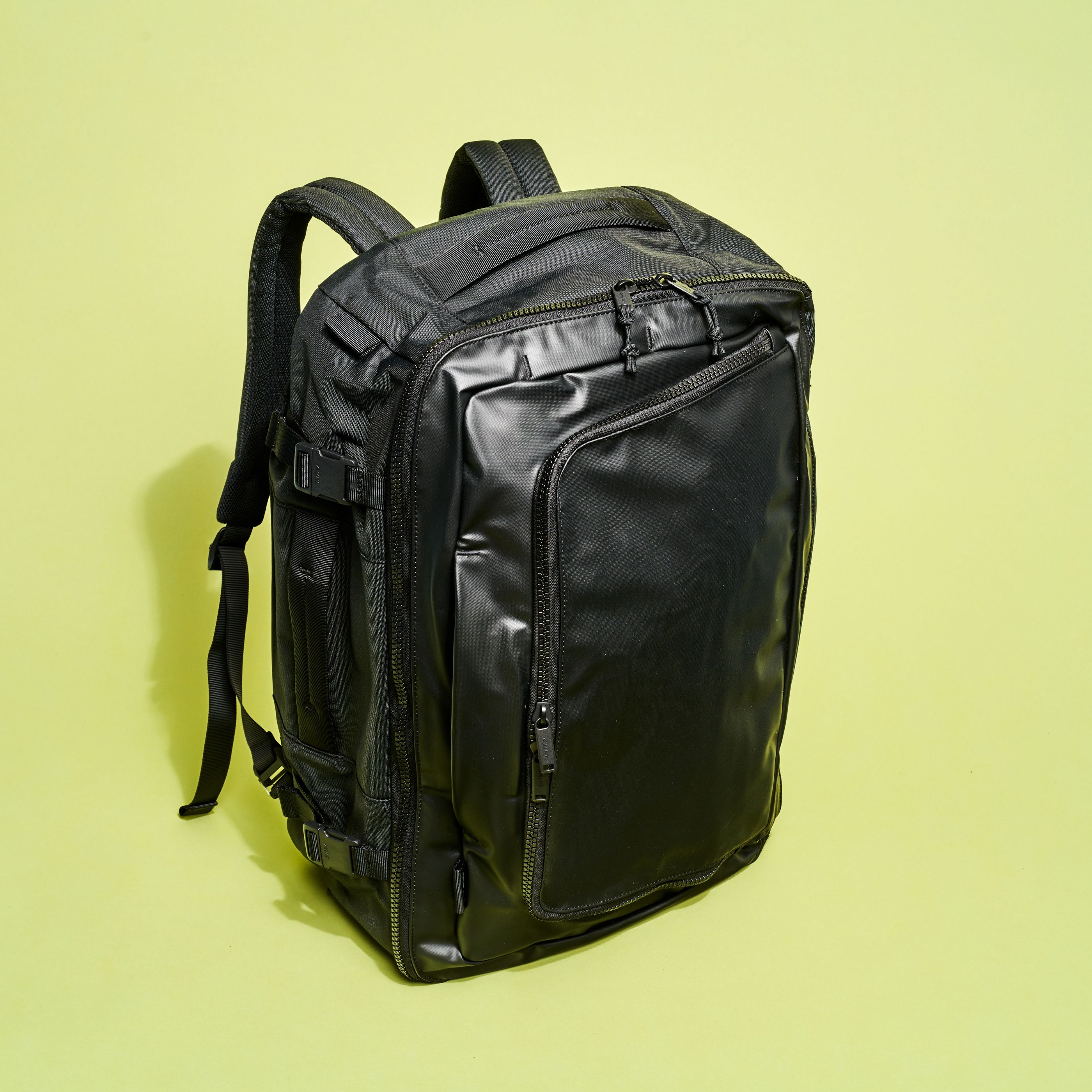
The Best Carry On Travel Backpack for Women Explained: Fit, Sizing, and Top Models
Choosing the best carry-on travel backpack for women requires balancing ergonomic fit with strict airline dimensional limits. Unlike unisex bags, women-specific travel backpacks feature shorter torso ranges, S-curved shoulder straps, a...
Choosing the best carry-on travel backpack for women requires balancing ergonomic fit with strict airline dimensional limits. Unlike unisex bags, women-specific travel backpacks feature shorter torso ranges, S-curved shoulder straps, and conical hip belts tailored to female anatomical proportions, ensuring heavy loads rest comfortably on the hips rather than straining the shoulders.
Contents
Understanding Women-Specific Backpack Ergonomics
The primary difference between a general-unisex travel backpack and a women-specific model lies in frame geometry and weight distribution. Standard travel packs are frequently modeled on an average male torso length (18 to 21 inches), which causes the shoulder straps to sit too high and the hip belt to rest awkwardly below the iliac crest on shorter or narrower frames. A properly engineered women's harness system resolves these fit discrepancies through targeted design adjustments.
| Feature | Standard Unisex Pack | Women-Specific Pack |
|---|---|---|
| Torso Range | 18" – 22" (Fixed/Wide) | 14" – 19" (Adjustable) |
| Shoulder Straps | Straight / J-Curve | Ergonomic S-Curve |
| Strap Spacing | Wider Neck Stance | Narrower Neck Stance |
| Hip Belt Geometry | Flat / Rectangular | Conical / Flared |
| Sternum Strap | Mid-Chest Horizontal | Multi-Position Vertical |
Torso Length and Frame Sizing
Torso length—not overall height—determines how a backpack sits on your body. A woman who is 5'8" may have a shorter torso and longer legs, requiring a small or medium torso harness. When a pack frame is too long, the shoulder straps lift off the collarbones, or the weight shifts entirely onto the lumbar region, creating leverage that pulls the traveler backward. Women-specific travel packs typically accommodate torso ranges between 14 and 19 inches, often incorporating adjustable torso ladders to micro-adjust the harness height.
Shoulder Strap Contour and Spacing
Female shoulder architecture generally features a narrower neck-to-shoulder width and a different chest angle compared to male frames. Women's travel backpacks utilize S-curved shoulder straps that sweep outward around the bust line rather than cutting straight across sensitive chest tissue. Additionally, the attachment points at the top of the pack panel sit closer together to prevent straps from slipping off narrower shoulders during extended walking.
Conical Hip Belts and Weight Transfer
In a well-designed travel backpack, 70% to 80% of the total pack weight should rest on the pelvic structure rather than the spinal column. Women's pelvic bones tilt at a wider angle relative to the lumbar spine. To match this shape, top-tier women's packs use conical hip belts that are sculpted wider at the bottom edge than at the top. This shape wraps securely over the iliac crest without digging into the upper thighs or pressing into the lower abdomen.
Sternum Strap and Load Lifter Placement
The sternum (chest) strap stabilizes the shoulder harness and prevents lateral slipping. Women's packs feature extended vertical adjustment tracks for the sternum strap, allowing it to sit above or below the bust line without causing uncomfortable compression. Integrated load lifter straps—located at the top of the shoulder harness—connect to the internal frame at a 45-degree angle, drawing the pack's center of gravity forward against the back panel.
Airline Carry-On Specifications and Capacity Guidelines
Selecting the best carry-on travel backpack requires strict adherence to international and domestic airline carry-on regulations. Exceeding published dimensions can force an unexpected gate-check, incurring extra fees and risking damage to sensitive travel gear.
Domestic US vs. International Carry-On Standard Dimensions
Overhead bin dimensions vary across domestic airlines in the United States and international international carriers.
- US Domestic Standard: Most major domestic carriers (such as Delta, United, and American) permit carry-on bags measuring up to 22 x 14 x 9 inches (56 x 36 x 23 cm). This dimension envelope yields a internal volume of roughly 40 to 45 liters.
- International & European Budget Standard: International carriers (such as Air France, Lufthansa, or Singapore Airlines) and European budget operators (such as Ryanair, EasyJet, and Wizz Air) frequently mandate tighter limits, such as 55 x 35 x 20 cm (21.5 x 13.7 x 7.8 inches). Bags designed for these routes generally cap out at 30 to 35 liters.
Personal Item vs. Overhead Bin Backpacks
Travel backpacks fall into two operational classes: overhead bin carry-ons and under-seat personal items.
| Dimension Spec | Overhead Carry-On Pack | Under-Seat Personal |
|---|---|---|
| Target Volume | 35L – 45L | 20L – 30L |
| Max Height | 21.5" – 22" (55–56 cm) | 16" – 18" (40–45 cm) |
| Max Width | 14" (35–36 cm) | 12" – 14" (30–35 cm) |
| Max Depth | 9" (20–23 cm) | 6" – 8" (15–20 cm) |
| Primary Purpose | One-Bag Main Luggage | Secondary Daypack |
Managing International Weight Limits
While domestic US airlines rarely weigh carry-on bags, foreign carriers strictly enforce weight caps ranging from 7 kg (15.4 lbs) to 10 kg (22 lbs). A heavy travel backpack weighing 4.5 lbs (2 kg) empty consumes nearly 30% of a 7 kg allowance before a single item of clothing is packed. Choosing a pack built from lightweight, high-tenacity nylon fabrics helps maximize usable payload weight.
Crucial Design Features of Premium Travel Packs
A dedicated travel backpack differs significantly from a traditional wilderness hiking pack or a standard commuter laptop bag. Travel packs prioritize access, security, organization, and harness concealability.
- Clamshell Travel Backpack Layout
- Main Packing Compartment (Deep Suitcase Style)
- Internal Mesh Zip Divider
- Admin / Laptop Sleeve Section
- Stowable Suspension System
- Zipped Rear Panel Hides Harness
Clamshell (Suitcase-Style) Opening
Traditional hiking backpacks utilize top-loading designs with drawstrings, forcing users to unpack everything to access gear at the bottom. A premium travel backpack features a full perimeter clamshell opening (or panel-loading design) that unzips flat like a hardshell suitcase. This allows rapid packing, easy organization with compression cubes, and quick security checks.
Stowable Harness Systems
When overhead bin space is tight, or when airlines mandate checking your pack at the gate, loose shoulder straps and hip belts risk catching on conveyor belts and snagging inside baggage handling machinery. Top travel backpacks include a zippered rear panel that completely encloses the shoulder harness and hip belt, converting the backpack into a clean, streamlined duffel bag.
Durability and Fabric Performance
Travel gear encounters harsh abrasions, wet pavement, and rain. Essential material specifications include:
- High-Denier Fabrics: Look for 400D to 1680D Ballistic Nylon, Cordura, or Recycled TPU-coated Polyester. Higher denier ratings indicate thicker, more abrasion-resistant yarns.
- Weatherproof Coatings: Polyurethane (PU) internal coatings and PFC-free Durable Water Repellent (DWR) exterior treatments shed moisture during wet commutes.
- Zippers: Industry-standard YKK #8 or #10 Heavy-Duty Zippers—preferably with puncture-resistant double-coil technology and lockable slider heads—are vital for preventing zipper blowouts under packed tension.
Dedicated Laptop and Security Protection
Modern travel requires secure tech storage. High-end travel packs place the laptop compartment against the back panel to keep heavy weight near your center of gravity. Look for suspended laptop sleeves ("false bottoms") that keep the computer elevated off the ground to cushion against drop impacts.
Detailed Comparison: Top Women's Carry-On Backpacks
Several manufacturers lead the market in engineering carry-on packs optimized specifically for female travelers or offering wide harness adjustability for shorter torso lengths.
| Model Name | Volume | Dimensions (Inches) | Weight (Empty) | Harness Type | Best Use Case |
|---|---|---|---|---|---|
| Osprey Fairview 40 | 40L | 21.5 x 14 x 9.0 in | 3.47 lbs | Fixed Women's Fit | Ergonomic One-Bag Travel |
| Cotopaxi Allpa 35L | 35L | 22.0 x 12 x 10.0 in | 3.49 lbs | Unisex/Short Torso | Structured Organization |
| Peak Design Travel Pack 45L | 30–45L | 22.0 x 13 x 9.0 in | 4.50 lbs | Adjustable Gender-Neutral | Tech & Modular Packing |
| Deuter Aviant Carry On 36 SL | 36L | 21.7 x 13.4 x 9.0 in | 2.99 lbs | Slim Line (Women's) | European Flight Compliance |
| Tortuga Travel Backpack 40L | 40L | 21.7 x 14 x 9.0 in | 4.50 lbs | Height-Adjustable | Maximum Ergonomics & Tech |
1. Osprey Fairview 40
The Osprey Fairview 40 is widely recognized as the definitive benchmark for women-specific travel backpacks. Unlike the unisex Farpoint series, the Fairview features an engineered harness calibrated specifically for female proportions: narrower strap spacing, sharply curved shoulder straps, and a sculpted hip belt.
- Key Specs: 40L capacity; 21.5 x 14 x 9 inches; 3.47 lbs (1.57 kg).
- Pros: Outstanding weight distribution via LightWire peripheral frame; fully stowable harness panel; built-in padded lap-top sleeve; reliable YKK lockable zippers.
- Cons: Outer compression straps cross over the main zipper path, which can slow down rapid access when fully cinched.
2. Cotopaxi Allpa 35L Travel Pack
The Cotopaxi Allpa 35L is built around internal organization and high-visibility style. Constructed with TPU-coated 1000D polyester and 840D ballistic nylon paneling, it features internal zippered mesh compartments that open like a suitcase.
- Key Specs: 35L capacity; 22 x 12 x 10 inches; 3.49 lbs (1.58 kg).
- Pros: Exceptional internal organization eliminates the need for separate packing cubes; highly water-resistant shell; includes a custom rain cover.
- Cons: The hip belt is non-stowable (removable only via webbing clips); non-adjustable torso length may feel long on frames under 5'2".
3. Peak Design Travel Backpack 45L
Designed for photographers, tech workers, and gear-heavy travelers, the Peak Design Travel Backpack 45L provides unparalleled modularity. Its baseline volume of 35L expands to 45L via external zippers or compresses to 30L for use as a daily carry bag.
- Key Specs: 30L–45L variable capacity; 22 x 13 x 9 inches; 4.50 lbs (2.05 kg).
- Pros: Weatherproof 100% recycled 400D nylon canvas shell; rear, top, front, and dual side access points; shoulder straps pivot at attachment points to fit varying neck and shoulder slope widths.
- Cons: Noticeably heavier empty weight; stiffer back panel can feel rigid on smaller bodies.
4. Deuter Aviant Carry On Pro 36 SL
Deuter’s "Slim Line" (SL) designation indicates gear engineered by a female development team for women's anatomy. The Deuter Aviant Carry On Pro 36 SL features a shorter back length, narrower shoulder straps, and cone-shaped hip fins.
- Key Specs: 36L capacity; 21.7 x 13.4 x 9.0 inches; 2.99 lbs (1.36 kg).
- Pros: Lightweight frame; strict compliance with international carry-on limits; sleek aesthetic suitable for business trips; includes NFC tech security tagging.
- Cons: Thinner waist belt padding compared to heavy-duty trekking packs; limited expansion capability.
5. Tortuga Travel Backpack 40L
The Tortuga Travel Backpack 40L features an adjustable height harness, allowing wearers to adjust the shoulder strap assembly up or down across a precise torso range.
- Key Specs: 40L capacity; 21.7 x 14 x 9 inches; 4.50 lbs (2.05 kg).
- Pros: Waterproof Sailcloth fabric (VX21); plush load-bearing hip belt; height-adjustable torso suspension guarantees an exact fit regardless of user height.
- Cons: Premium price point; heavier empty weight.
How to Measure Yourself for a Precise Fit
Buying an ergonomic backpack without measuring your torso length is like buying shoes without knowing your shoe size. Height does not determine torso size. Follow these four steps using a flexible tailor's tape measure:
Torso Measurement Locations:
- C7 Vertebra
- Iliac Crest
- Locate the C7 Vertebra: Tilt your head forward and feel along the base of your neck for the prominent bony bump where your neck meets your shoulders. This is the top starting point of your measurement.
- Locate the Iliac Crest: Place your hands comfortably on your hips with your thumbs pointing behind you toward your spine. Draw an imaginary horizontal line between your thumbs across your lower back. This center point on your spine is the bottom boundary.
- Measure the Torso Spine Length: Stand up straight and have a partner measure along the natural curve of your spine from the C7 vertebra down to the horizontal line connecting your iliac crests.
- Short Torso: 14 to 16 inches (35–41 cm)
- Medium Torso: 17 to 19 inches (43–48 cm)
- Long Torso: 20+ inches (50+ cm)
- Measure Hip Circumference: Wrap the tape measure around the high point of your hip bones (not your natural waistline). Ensure the pack's padded hip belt covers your iliac crest to bear the load effectively.
Essential Packing Strategies for Carry-On Efficiency
Maximizing a 35L–40L carry-on requires thoughtful organization to maintain low weight and structural stability.
Ideal Weight Distribution:
- Top: Light Items / Rain Shell
- Mid: Heavy Items / Electronics (Positioned near spine)
- Bot: Medium / Clothes Cubes
Weight Distribution Principles
Place light items (such as socks or light rain jackets) at the very bottom of the pack. Position heavy items—such as packed toiletry kits, footwear, and extra electronics—in the middle of the pack directly against the back panel. Stowing dense weight close to your back prevents the bag from leaning outward and pulling back on your shoulders.
Compression Cubes vs. Standard Cubes
- Standard Cubes: Provide organization and structural grouping but do not reduce overall volume.
- Compression Cubes: Feature a secondary perimeter zipper that squeezes out excess air, reducing clothing volume by up to 30%. They are ideal for bulky items like sweaters, pants, and jackets.
The 7-Day Packing System
Regardless of trip duration, pack clothing for a maximum of 7 days, relying on mid-trip laundry. A sample 40L packing manifest includes:
- 5–7 tops/shirts (breathable merino wool or synthetic blends)
- 2–3 bottoms (pants/shorts)
- 1 main worn outer layer (jacket/fleece)
- 7 pairs of underwear and socks
- 1 pair of packed walking shoes or sandals (wear the heaviest shoes on the plane)
- 1 liquids bag (TSA 3-1-1 compliant, easily accessible from top pockets)
- 1 laptop, charger cords, and universal adapter
Common Pitfalls to Avoid
When shopping for a carry-on travel backpack, steer clear of these common mistakes:
- Buying a Hiking Backpack for City Travel: Wilderness trekking packs are tall, narrow, top-loading, and often feature external frames that exceed airline carry-on height limits. They lack clamshell access and stowable harnesses, making them inconvenient for airplanes, trains, and hotel rooms.
- Ignoring Bag Weight When Empty: A feature-packed bag weighing over 4.5 lbs empty leaves little room for your gear if you encounter strict 7 kg (15.4 lb) international carry-on weight caps.
- Assuming Unisex Fits All: Unisex packs often have wider shoulder widths and straight straps, which can cause slipping, chafing across the chest, or lower back strain on shorter or narrower female frames.
- Overpacking Volume Expanders: Expandable backpacks are versatile, but expanding a bag from 35L to 45L often increases its depth from 9 inches to 11 inches, violating airline overhead size limits.
Frequently Asked Questions
What is the maximum liter capacity for a compliant carry-on backpack?
For domestic US airlines, the maximum compliant volume for overhead bins is generally 40 to 45 liters, fitting within 22 x 14 x 9 inches. For international carriers and budget airlines, the maximum compliant volume is usually 30 to 35 liters, corresponding to 55 x 35 x 20 cm restrictions.
Why should women consider a women-specific backpack over a unisex model?
Women-specific backpacks feature shorter torso ranges, S-shaped shoulder straps that curve around the chest, narrower neck stance spacing, and conical hip belts shaped to rest comfortably on female pelvic structures. These design details prevent strap slipping, chest chafing, and lower back strain during long transit days.
Can a 40-liter backpack fit under an airplane seat as a personal item?
No. A 40-liter travel backpack is too long and thick to fit underneath a standard airplane passenger seat. Under-seat personal items must typically stay under 18 x 14 x 8 inches (roughly 20 to 26 liters). A 40L pack must be stowed in the overhead bin.
How do strict international carry-on weight limits affect my choice of backpack?
Many non-US airlines enforce strict carry-on weight caps between 7 kg (15.4 lbs) and 10 kg (22 lbs). If your pack weighs 4.5 lbs empty, your available gear weight is limited to roughly 11 lbs. Look for lighter-weight bags (around 2.5 to 3.5 lbs empty) if you travel frequently on budget international airlines.
How do I clean and maintain my travel backpack after a trip?
Unzip all pockets, shake out debris, and spot-clean dirt using a soft sponge with mild soap and lukewarm water. Avoid machine washing or harsh detergents, which degrade internal polyurethane coatings and water-resistant DWR treatments. Hang the backpack to air-dry completely in a shaded, well-ventilated area before storing.
Final Guidance and Action Plan
To secure the ideal travel backpack, start by accurately measuring your torso length from your C7 vertebra to your iliac crest. If your torso measurement falls below 18 inches, prioritize women-specific models (such as the Osprey Fairview 40 or Deuter Aviant SL) or height-adjustable options (such as the Tortuga Travel Backpack). If your travel itineraries frequently involve European budget airlines or strict 7 kg limits, choose a 30L–35L lightweight pack to maintain seamless compliance at the gate.
Image Gallery