Charlotte-Mecklenburg Police Department: Comprehensive Operations, Divisions, and Community Services Guide for 2026
The Charlotte-Mecklenburg Police Department (CMPD) serves as the primary law enforcement agency for the city of Charlotte and unincorporated areas of Mecklenburg County, North Carolina. Operating under a modern community-oriented polic...
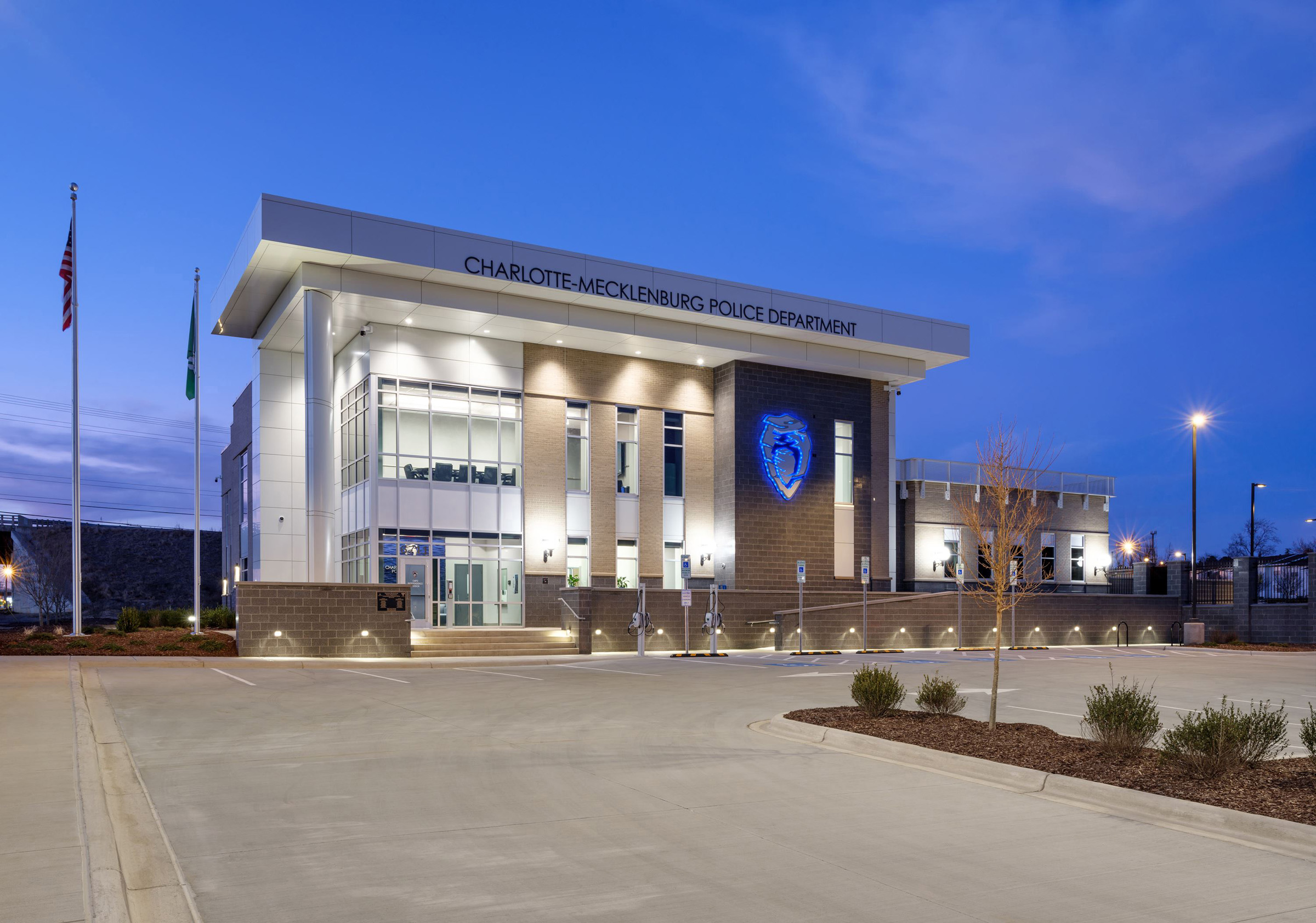
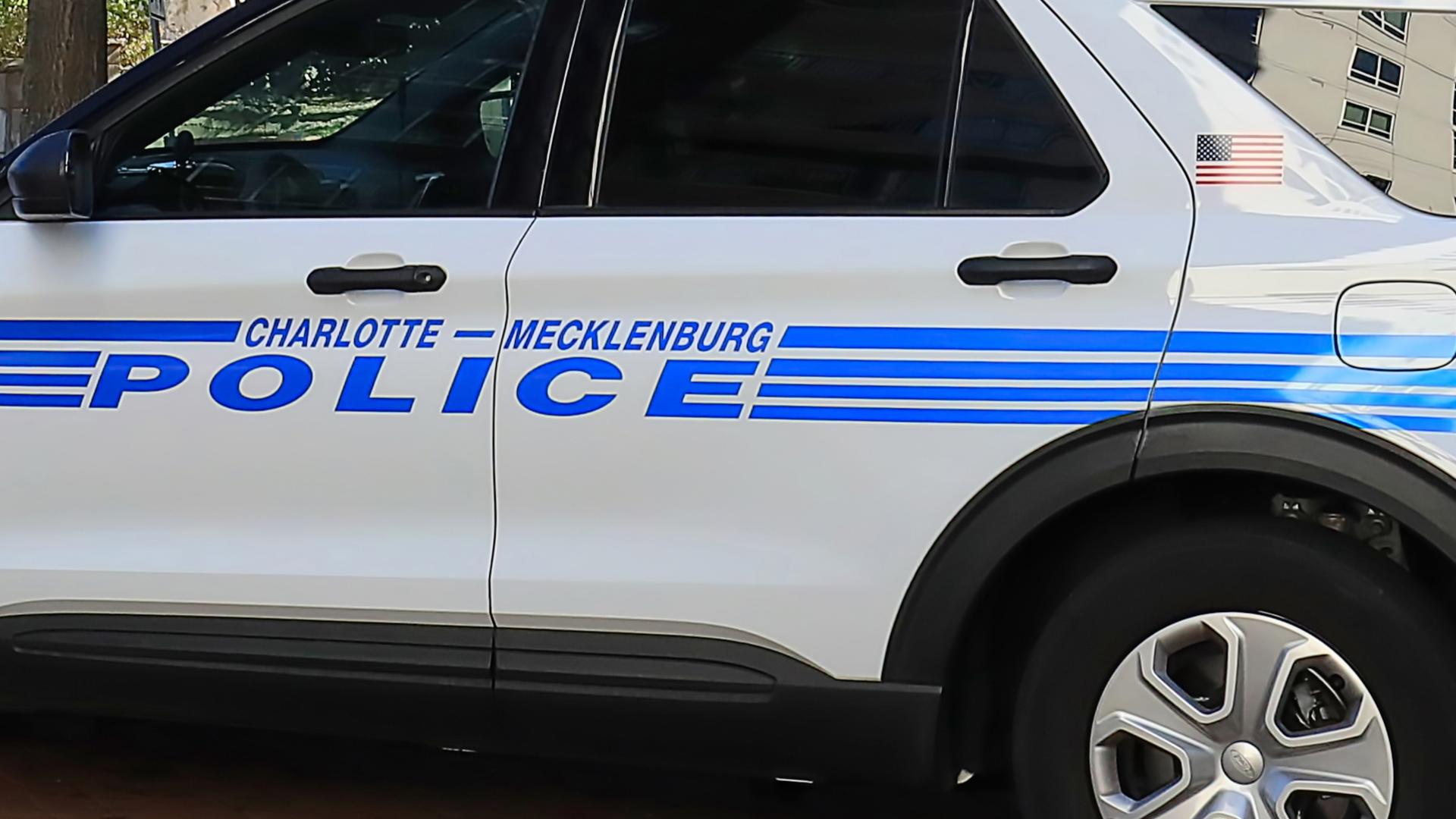
The Charlotte-Mecklenburg Police Department (CMPD) serves as the primary law enforcement agency for the city of Charlotte and unincorporated areas of Mecklenburg County, North Carolina. Operating under a modern community-oriented policing model, CMPD protects over 900,000 residents across a rapidly expanding metropolitan jurisdiction through specialized operational divisions, specialized tactical units, and transparent data-driven crime-fighting strategies.
Contents
Understanding the Jurisdictional Scope and Organizational Structure
The Charlotte-Mecklenburg Police Department operates uniquely compared to many municipal agencies due to its consolidated nature. While the agency primarily enforces city ordinances and state laws within Charlotte proper, its collaborative framework with the Mecklenburg County Sheriff's Office ensures seamless emergency management across the entire urban-suburban continuum.
CMPD is divided into multiple geographic divisions known as patrol divisions, each managed by a captain who oversees neighborhood-level response, crime prevention, and community engagement. This decentralized approach allows the department to tailor crime reduction strategies to the specific micro-environments of distinct neighborhoods, from the high-density urban core of Uptown Charlotte to suburban residential sectors.
Geographic Patrol Divisions and Service Areas
- Avenue Division (Central): Covers the high-traffic financial district, entertainment venues, and dense commercial properties of Uptown Charlotte.
- Beatties Ford Division: Serves the historic northwest corridors, focusing heavily on youth mentorship programs and localized property crime reduction.
- Caldwell Division: Encompasses East Charlotte neighborhoods, managing diverse multicultural populations and multilingual community outreach initiatives.
- Eastway Division: Focuses on commercial and residential hubs along central eastern corridors, prioritizing retail security and traffic safety.
- Freedom Division: Covers western residential zones, addressing neighborhood stabilization and rapid response protocols.
- Hickory Grove Division: Manages eastern suburban limits, balancing residential safety with major arterial roadway monitoring.
- Independence Division: Secures the busy southeast corridors, concentrating on commercial corridor enforcement and rapid transit safety.
- Metro Division: Covers north-central neighborhoods, addressing property crimes and localized violent crime trends.
- North Division: Secures rapidly growing suburban residential areas in northern Mecklenburg County.
- Providence Division: Focuses on affluent southeastern residential communities, emphasizing burglary prevention and residential security audits.
- South Division: Covers south Charlotte business and residential districts, managing high-volume traffic corridors and commercial safety.
- Steel Creek Division: Services the southwestern industrial and residential sectors near the Charlotte Douglas International Airport zone.
- Tryon Division: Secures northern university-adjacent and commercial corridors, partnering closely with local educational institutions.
Operational Divisions and Tactical Specializations
Beyond standard patrol functions, CMPD maintains specialized units designed to handle high-risk situations, complex investigations, and specialized public safety needs. These units require rigorous selection processes and advanced tactical training.
Specialized Operations Overview Tactical Control and Response: The department maintains a specialized SWAT team, bomb squad, and K-9 units trained to resolve critical incidents safely. These units integrate directly with federal and state partners during major regional events. Investigative Services Bureau: Detectives handle violent crimes, homicides, sexual assaults, financial crimes, and cyber-security threats, utilizing advanced forensic technologies and digital evidence analysis. Traffic Safety Unit: Dedicated officers manage collision reconstruction, DUI checkpoints, and commercial vehicle safety to reduce roadway fatalities across Mecklenburg County.
How to File a Police Report and Access Public Records
Navigating police services efficiently requires understanding the appropriate channels for reporting crimes, requesting public records, and obtaining collision reports. CMPD provides multiple pathways for citizens to interact with law enforcement depending on the nature of the incident.
Step-by-Step Guide to Reporting Non-Emergency Incidents
- Assess the Situation: Ensure there are no immediate threats to life, property, or safety. If an emergency exists, dial 911 immediately.
- Determine Report Eligibility: Use the online reporting system if the crime involves lost property, property damage, vehicle break-ins without suspect information, or minor theft where the suspect is unknown.
- Gather Information: Collect serial numbers, descriptions of stolen property, vehicle information, and dates/times of occurrence.
- Submit the Report: Access the official CMPD online portal or call the non-emergency dispatch line at 704-336-7600 to file documentation.
- Obtain the Case Number: Save the generated incident report number for insurance claims and follow-up communications with detectives.
Public Records and Collision Report Access
Under North Carolina public records laws, most police incident reports and accident reports are open to the public. Motor vehicle collision reports can typically be retrieved online through third-party state-approved portals or directly via the records division. For complex public records requests, individuals must submit a formal Freedom of Information Act (FOIA) or North Carolina Public Records Act request through the city's legal or police records department.
Community Policing Initiatives and Public Transparency
Modern municipal policing relies heavily on community trust, technological transparency, and proactive outreach. CMPD implements several structured programs to bridge the gap between officers and the communities they serve.
- Citizens Academy: A multi-week educational program allowing residents to experience firearms training simulations, ride along with patrol officers, and learn about forensic investigations firsthand.
- Crime Mapping and Data Dashboards: Publicly accessible digital crime maps allow residents to track neighborhood crime trends, promoting situational awareness and collaborative crime prevention.
- Youth Programs: Initiatives such as Police Explorers and mentoring programs guide young adults toward law enforcement careers while fostering positive youth-police interactions.
- Diversity and Recruitment Strategies: Ongoing hiring campaigns focus on recruiting bilingual officers and candidates reflecting the diverse demographics of the Charlotte metropolitan area.
Comparative Overview of CMPD Services and Jurisdictions
To understand how law enforcement jurisdiction functions in the region, it is valuable to compare CMPD's municipal scope with surrounding county and state entities.
| Agency Name | Primary Jurisdiction | Main Responsibilities | Contact Method |
|---|---|---|---|
| Charlotte-Mecklenburg Police Department | City of Charlotte & Unincorporated Areas | Municipal policing, traffic enforcement, criminal investigations | 911 (Emergency) / 704-336-7600 (Non-Emergency) |
| Mecklenburg County Sheriff's Office | County-wide Facilities & Courts | Jail management, court security, county civil process | 704-336-8100 |
| North Carolina State Highway Patrol | State and Interstate Highways | Traffic enforcement on state-maintained highways and interstates | *HP (*47) or local district office |
| Town of Matthews Police Department | Town of Matthews (Municipal) | Local municipal law enforcement within Matthews town limits | 704-847-5555 |
Common Questions Regarding CMPD Services
How do I contact the Charlotte-Mecklenburg Police Department for non-emergencies?
You can reach CMPD's non-emergency dispatch center by calling 704-336-7600. This number should be used for reporting non-violent crimes in progress without suspects present, noise complaints, or general inquiries.
Can I file a police report online with CMPD?
Yes, citizens can file reports online for minor offenses such as larceny, property damage, vandalism, and vehicle break-ins where there are no known suspects or physical evidence to collect.
How do I request a copy of a traffic accident report?
Accident reports can usually be accessed online through the North Carolina Department of Motor Vehicles or via the CMPD records division portal using the date of the crash and the investigating officer's name.
What is the process for lodging a compliment or complaint against an officer?
Complaints or commendations regarding officer conduct can be submitted directly to CMPD's Internal Affairs Division, online through the department's professional standards portal, or by contacting any patrol division captain.
How does CMPD engage with local neighborhood organizations?
CMPD employs designated community coordinators assigned to each patrol division who regularly attend neighborhood association meetings, business alliance gatherings, and community watch events.
Practical Recommendations for Engaging with Local Law Enforcement
When interacting with the Charlotte-Mecklenburg Police Department, maintaining clear communication ensures efficient resolution of public safety matters. Always utilize online reporting tools for non-emergency property crimes to help preserve emergency dispatch lines for critical life-safety events. For neighborhood safety concerns, attend local division meetings to collaborate directly with patrol captains and community coordinators on localized crime prevention strategies.
Image Gallery