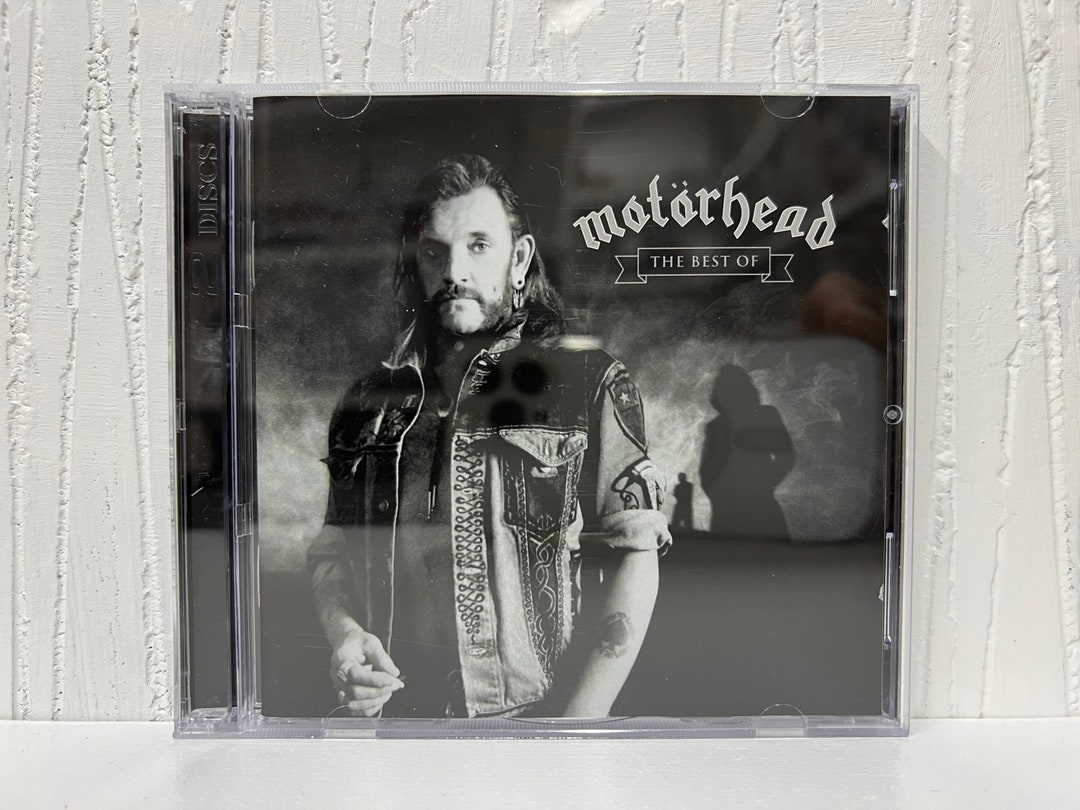
Understanding What Genre is Motörhead: A Definitive Musical Classification
Motörhead’s musical identity is famously difficult to categorize because the band actively rejected genre labels, famously referring to their output simply as "rock and roll." However, from a critical and musicological perspective, Mot...
Motörhead’s musical identity is famously difficult to categorize because the band actively rejected genre labels, famously referring to their output simply as "rock and roll." However, from a critical and musicological perspective, Motörhead is primarily classified as a hybrid of heavy metal, punk rock, and speed metal. Their unique sound acted as a bridge between the blues-based heavy metal of the 1970s and the faster, more aggressive thrash metal that would define the 1980s, driven by Lemmy Kilmister’s distorted Rickenbacker bass tone and a relentless, high-tempo rhythmic drive.
Contents
The Philosophical Rejection of Genre
To understand Motörhead, one must first understand their frontman, Ian "Lemmy" Kilmister. Throughout his career, Lemmy consistently insisted that Motörhead was a rock and roll band. This stance was not merely a stylistic preference; it was a fundamental rejection of the perceived pretension in the progressive rock and heavy metal scenes of the mid-1970s.
By stripping away the complex time signatures, extended keyboard solos, and mystical lyrical themes common in 1970s heavy metal, Motörhead returned to the roots of the genre: the aggressive, guitar-driven energy of Chuck Berry and the raw intensity of the MC5. For the band, "genre" was a restrictive box that prevented the raw, unadulterated power they sought to capture. Consequently, listeners often struggle to place them because they occupy a space that rejects the specific tropes of any single established category.
Motörhead’s Core Components: A Technical Breakdown
The Motörhead sound is defined by a specific interplay of instrumentation and production choices that deviate from standard rock practices of their era.
1. The Bass-Heavy Riffing
Unlike most rock bands where the guitar provides the primary riff, Motörhead’s sound was anchored by the bass. Lemmy’s use of a Rickenbacker 4001 bass played through a Marshall stack created a mid-range, distorted "growl." This tone occupied the sonic space usually reserved for rhythm guitars, allowing the guitarists—such as "Fast" Eddie Clarke or Phil Campbell—to play with more freedom, often focusing on high-gain textures and piercing lead lines.
2. The "Speed Metal" Precursor
Before the term "speed metal" entered common parlance, Motörhead was already perfecting it. By maintaining a constant, double-time drum pattern—often utilizing the "d-beat" popularized in punk—they pushed the tempo beyond what was expected in traditional heavy metal. This high-velocity approach made them the missing link between the NWOBHM (New Wave of British Heavy Metal) and the emerging thrash metal movement of the early 1980s.
3. The Punk Rock Ethos
While Motörhead shared the technical proficiency of metal bands, their attitude and aesthetic were deeply rooted in punk. They played fast, they were loud, and they displayed a "no-nonsense" approach that resonated heavily with the burgeoning UK punk scene. This cross-pollination is best evidenced by their camaraderie with bands like The Damned. They were too fast for traditional rockers and too skilled for typical punk bands, leaving them in a genre-defying "no man's land."
Comparative Classification of Musical Styles
Motörhead’s influence spans multiple subgenres. The following table illustrates how Motörhead fits—and diverges—from the styles frequently associated with their discography.
| Genre | Motörhead Connection | Deviation Point |
|---|---|---|
| Heavy Metal | High-gain, riff-oriented structure. | Lacks the occult/fantasy lyrics common in 70s metal. |
| Punk Rock | Raw energy, anti-establishment attitude. | Musical complexity exceeds standard three-chord punk. |
| Speed Metal | Defined the genre’s tempo and intensity. | Lacks the technical, classical-influenced soloing. |
| Rock and Roll | The band's own self-defined category. | Significantly louder and more aggressive than traditional rock. |
Why They Are Often Misidentified
One of the main reasons confusion exists regarding Motörhead’s genre is the changing landscape of music criticism. In the late 1970s, they were often grouped with the NWOBHM alongside bands like Iron Maiden and Saxon. However, Motörhead’s production was significantly "dirtier." While Maiden was becoming more melodic and operatic, Motörhead remained intentionally abrasive.
Critics in the early 1980s struggled to describe the band because they did not fit the "hair metal" trends that eventually dominated the mainstream. Later, during the rise of the thrash metal era (Metallica, Slayer, Anthrax), Motörhead was retroactively hailed as the godfathers of the movement. Because they were constantly evolving while maintaining the same core sound, listeners often misidentify them based on which era of their career they are listening to.
Identifying the Motörhead Sound by Era
While the band’s signature sound remained consistent, their sonic character shifted across different lineups and production standards:
- The "Classic" Era (1977–1982): Defined by the trio of Lemmy, Fast Eddie Clarke, and Phil "Philthy Animal" Taylor. This era is characterized by a raw, gritty, almost lo-fi production quality that leans heavily into the punk-influenced speed metal sound.
- The Mid-Career Transition (1983–1992): As they moved toward a more polished, professional studio sound, the band leaned closer to traditional heavy metal while retaining their aggressive rhythmic core. This period saw a tighter, more precise output.
- The Permanent Lineup (1995–2015): With Phil Campbell and Mikkey Dee, the band developed a high-fidelity sound that emphasized drumming precision. While they remained a "heavy metal" band by standard definition, the production allowed for greater clarity in the instrumentation, highlighting their transition into modern, heavy rock.
Common Misconceptions
A frequent mistake made by those analyzing Motörhead is the assumption that their lyrical themes define their genre. While "Ace of Spades" and other tracks touch upon gambling and the "road warrior" lifestyle, they rarely engage in the Satanism or fantasy tropes associated with 1980s metal. This lyrical groundedness is another hallmark of their "rock and roll" self-classification—they sang about reality, albeit a rough, amplified version of it.
Furthermore, it is a mistake to view Motörhead as a "slower" band in later years. Even as they aged, their commitment to the "fast and loud" ethos remained the central tenet of their recording and touring philosophy, ensuring that their genre identity remained anchored in intensity rather than technical complexity.
FAQs: Addressing the Genre Debate
Is Motörhead considered Thrash Metal? While Motörhead is widely credited as a major influence on the development of thrash metal, they are not technically a "thrash band" by the genre's strictest definitions. They provided the template—the speed and the aggression—but they lacked the complex, frantic riffing patterns that define later thrash.
Why did Lemmy refuse to call the band Heavy Metal? Lemmy felt that the term "Heavy Metal" carried negative connotations of ego, pretension, and excess. He preferred "Rock and Roll" because it conveyed the raw, primal, and historical roots of the music he grew up playing and listening to.
Did Motörhead change their style over time? Motörhead is famous for its sonic consistency. While the production quality improved significantly over the course of four decades, the fundamental components—distorted bass, driving drums, and aggressive vocals—remained constant.
How does Motörhead differ from New Wave of British Heavy Metal (NWOBHM)? While they emerged during the same period, Motörhead lacked the "theatricality" and melodic focus of their NWOBHM peers. Where bands like Iron Maiden focused on twin-guitar harmonies, Motörhead focused on the rhythmic "lock" between the bass and drums.
Should they be considered a Punk band? They are often called "the only metal band that punks liked." While they share the punk ethos, their musical proficiency and preference for guitar solos place them firmly within the heavy metal spectrum, making "punk-infused metal" the most accurate, though still imperfect, description.
Practical Guidance for Listeners
To truly understand the genre of Motörhead, do not look for a label—look for the feeling. If you are trying to categorize them for a collection or a playlist, consider using the term "Hard Rock/Heavy Metal" as a broad umbrella, but recognize that the band exists as its own distinct sonic entity.
For those looking to explore the roots of this sound, start with the album Overkill (1979). It captures the transition between the punk energy of the late 70s and the metal intensity that would dominate the next decade. If you prefer a more modern, high-fidelity sound, Inferno (2004) showcases the band’s later-career mastery of their own self-invented genre: a relentless, powerful, and strictly high-octane form of rock and roll that refuses to be sidelined by trends.
Image Gallery