Why Queso Is So Good: The Science, Culinary Chemistry, and Culture of Melted Cheese
Queso is so universally beloved because it combines the rich umami of aged cheese with high levels of moisture, fat, and targeted emulsifiers, creating a velvety, smooth texture that coats the palate and triggers an intense sensory and...
Queso is so universally beloved because it combines the rich umami of aged cheese with high levels of moisture, fat, and targeted emulsifiers, creating a velvety, smooth texture that coats the palate and triggers an intense sensory and neurological reward response.
Contents
The allure of a warm bowl of melted cheese dip stretches far beyond simple comfort food. Whether served alongside crisp tortilla chips at a neighborhood Tex-Mex restaurant, poured over a plate of loaded nachos, or drizzled across street tacos, queso commands a dedicated culinary following. Understanding why this dish is so intensely satisfying requires looking past its simple appearance into food science, culinary history, and human psychology.
The Culinary Science of Melted Cheese
At the molecular level, cheese is a complex matrix of milk proteins (casein), water, and fat held together by calcium ions. When traditional cheese is heated without intervention, it undergoes a frustrating transformation: the fat separates from the protein, leaving behind a greasy pool of oil and a tough, rubbery clump of protein solids. Achieving the signature pourable, glossy consistency of authentic queso requires specific chemical manipulations.
Commercial queso recipes and traditional Tex-Mex variations rely on specific emulsifying agents or high-moisture melting cheeses. Emulsifiers—such as sodium citrate, proteins found in processed cheeses, or starches—act as molecular bridges. They possess both hydrophilic (water-attracting) and lipophilic (fat-attracting) properties. By binding the water and fat together under heat, these agents prevent the matrix from breaking down.
Furthermore, the moisture content of the cheese matters immensely. Low-moisture cheeses like aged parmesan or sharp cheddar resist smooth melting because their protein structures are tightly knit and dehydrated. Conversely, cheeses with high moisture and fat ratios, such as Asadero, Queso Chihuahua, or specific processed blends, melt smoothly because their protein networks are already relaxed and hydrated.
The Role of Fat and Salt
Fat is a flavor carrier. As queso warms, the melting fats release volatile aromatic compounds that travel up the back of the throat into the nasal cavity, a process known as retronasal olfaction. This significantly amplifies the perception of flavor.
Additionally, salt plays a crucial role in activating taste buds and balancing the natural acidity of dairy. When sodium ions hit the tongue, they suppress bitterness and enhance sweetness, rounding out the sharp, tangy notes often introduced by green chilis, tomatoes, or spices mixed into the dip.
The Sensory Appeal and Brain Chemistry
The satisfaction derived from eating queso is not just psychological; it is deeply rooted in human neurobiology. Cheese contains high concentrations of casein, a protein that breaks down during digestion to release casomorphins. Casomorphins bind to opiate receptors in the brain, triggering the release of dopamine. This creates a mild sense of reward and relaxation, explaining why dairy fats often evoke strong feelings of comfort.
Beyond chemistry, the physical mouthfeel—known in the food industry as rheology—plays a major part in why queso is so good. The smooth, viscous texture of properly emulsified cheese coats the tongue, prolonging the contact time between flavor molecules and taste receptors. This slow release of flavor ensures a lingering, satisfying aftertaste that prompts the brain to crave another bite.
Varieties and Regional Foundations
What constitutes "good queso" varies significantly by geography and culinary tradition. While the term broadly translates to "cheese" in Spanish, the regional preparations found across Mexico and the United States showcase distinct ingredients and flavor profiles.
| Style / Variety | Primary Cheeses Used | Flavor & Texture Profile | Common Mix-ins / Pairings |
|---|---|---|---|
| Tex-Mex Queso | Processed cheese, Pepper Jack, American cheese | Ultra-smooth, fluid, mild heat, highly savory | Diced tomatoes, green chilis, jalapeños, cumin |
| Queso Fundido | Asadero, Chihuahua, Monterey Jack, Oaxaca | Stretchy, gooey, slightly browned on top | Chorizo, roasted poblano peppers, warm tortillas |
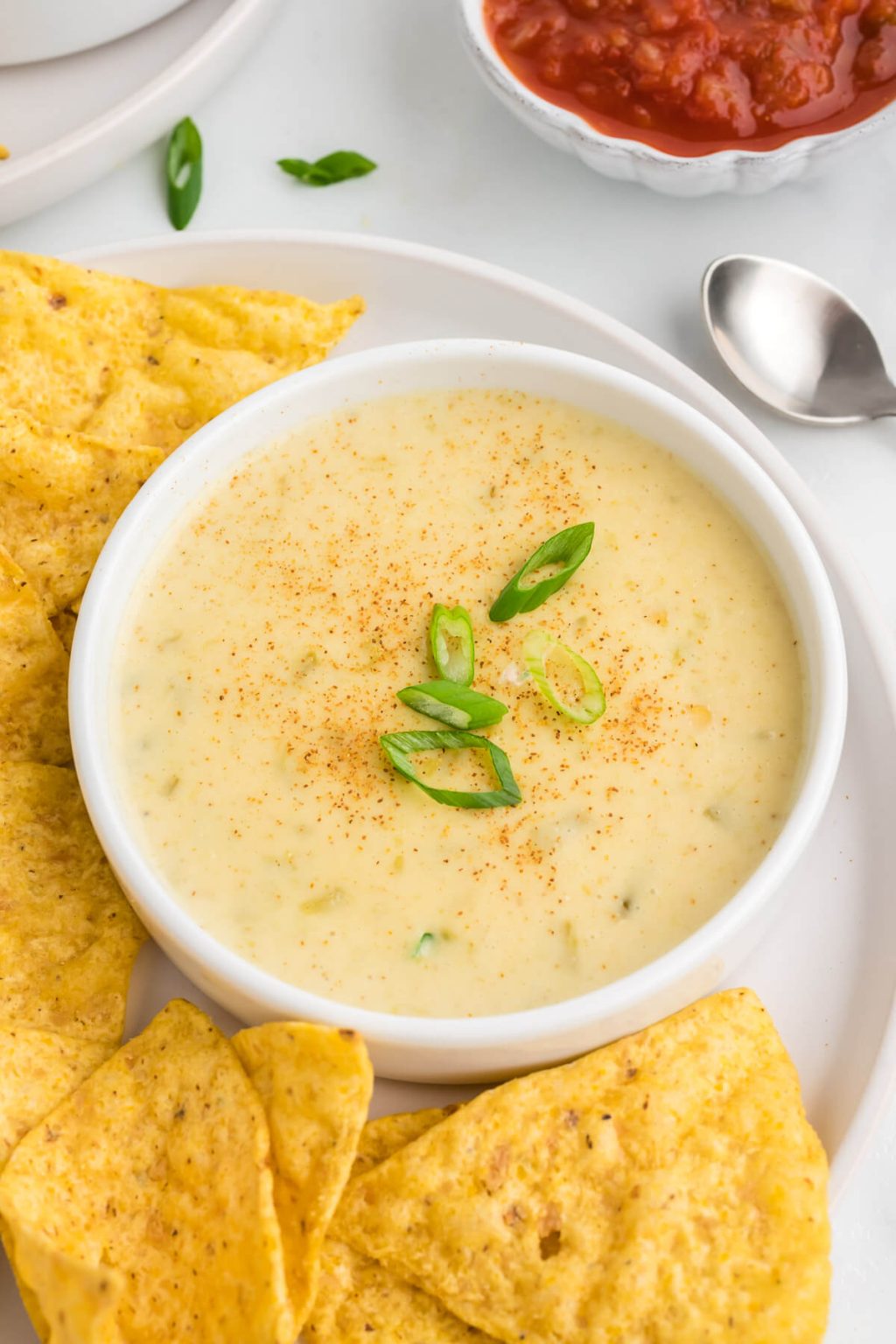
| Queso Blanco | White American, Monterey Jack, cream cheese | Bright white, creamy, rich, moderately thick | Cilantro, serrano peppers, garlic, lime juice |
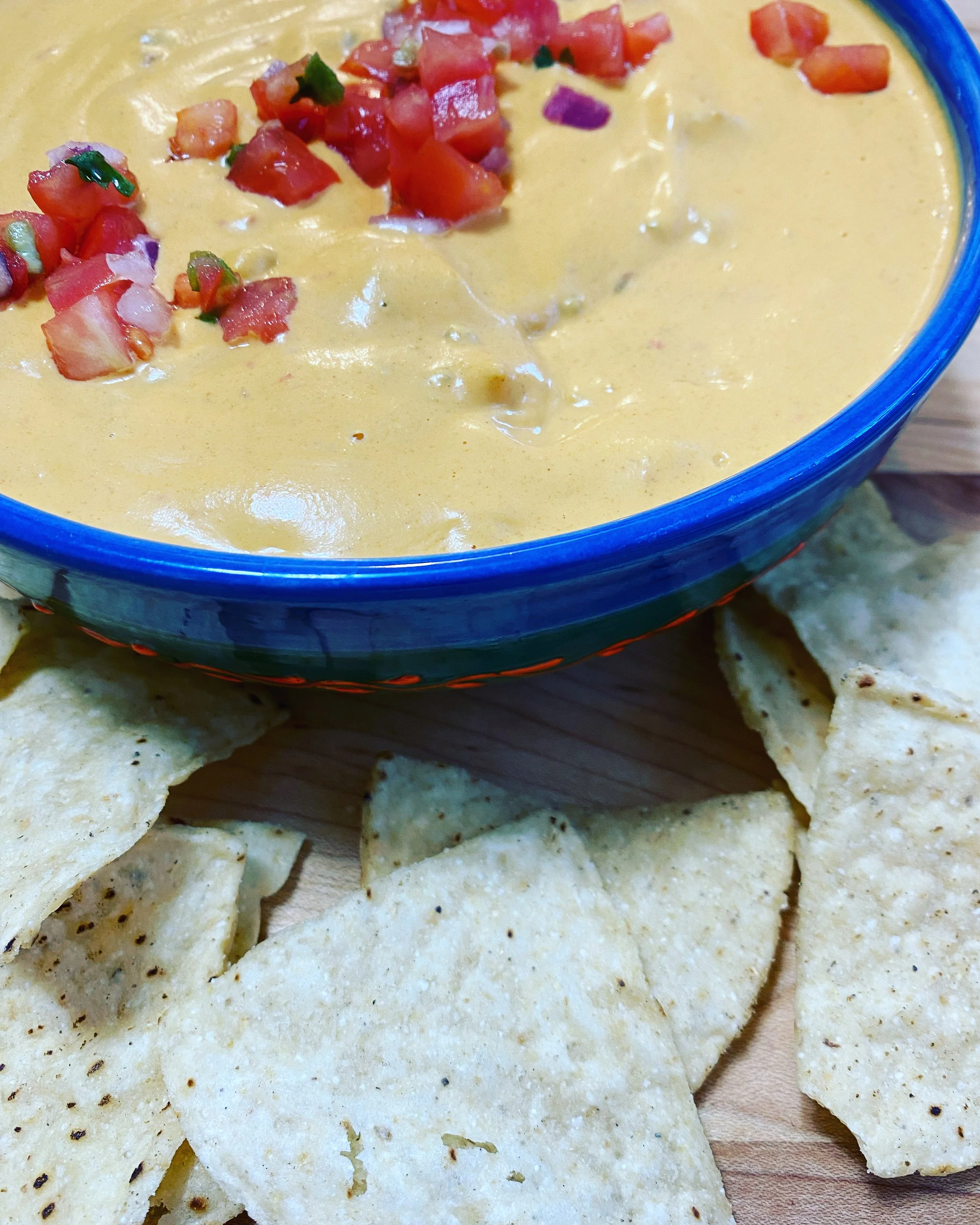
| Queso Dip (Restaurant Style) | Blended American cheeses, whole milk or cream | Pourable, glossy, clings tightly to chips | Pico de gallo, guacamole topping, scallions |
Tex-Mex vs. Traditional Mexican Melted Cheese
It is important to distinguish between American Tex-Mex queso and traditional Mexican melted cheese dishes like queso fundido. Tex-Mex queso is designed to remain completely liquid and pourable, often served in a ceramic bowl with a spoon or scooped up with thick tortilla chips.
Traditional Mexican queso fundido, on the other hand, is typically baked in a small cast-iron skillet until the edges turn golden and bubbly. It is often loaded with spicy chorizo sausage or sautéed mushrooms and eaten by wrapping spoonfuls into warm corn or flour tortillas. Both styles excel because they prioritize high-fat, high-melt cheeses, but their operational textures and service methods cater to different dining experiences.
Why Restaurant Queso Tastes Better Than Homemade
Many home cooks attempt to recreate restaurant-style queso, only to end up with a grainy, separated sauce. The secret behind restaurant success comes down to ingredient selection and temperature control.
- Commercial Emulsifiers: Many popular Mexican restaurants utilize processed cheese products or specialized melting salts (like sodium citrate) that cannot be easily replicated with raw block cheese alone. These ingredients guarantee a silky texture that holds up under long periods of heat lamp exposure or chafing dish service.
- Moisture Balance: Restaurants carefully calibrate the ratio of dairy (heavy cream, whole milk, or evaporated milk) to solid cheese, ensuring the mixture never thickens into a paste as it cools.
- Acid Integration: The inclusion of canned green chilis, pickled jalapeño brine, or fresh lime juice introduces mild acidity. Acid cuts through the heavy dairy fats, preventing palate fatigue and keeping each bite vibrant.
Common Mistakes When Making Queso at Home
Attempting to make queso without understanding dairy science frequently leads to culinary failure. Avoiding these pitfalls ensures a smooth, professional result:
- Using Pre-Shredded Cheese: Pre-shredded packaged cheeses are coated with cellulose or potato starch to prevent clumping in the bag. These anti-caking agents absorb moisture and interfere with proper melting, resulting in a gritty texture.
- Applying Direct High Heat: Exposing cheese to excessively high temperatures causes the proteins to tighten rapidly, squeezing out the fat and water. Queso should always be melted over low, gentle heat.
- Skipping the Liquid Base: Melting solid cheese directly in a dry pan is a recipe for burning. Starting with a base of evaporated milk, cream, or a roux helps distribute heat evenly.
Frequently Asked Questions
Why does my homemade queso turn grainy or separate?
Graininess occurs when the proteins in the cheese seize and expel their moisture and fat, usually due to excessive heat or the anti-caking starches found in pre-shredded cheese. To fix or prevent this, grate your own cheese from a block, use low heat, and incorporate a small amount of an emulsifier or starchy liquid to stabilize the emulsion.
What is the best cheese for melting in a dip?
Cheeses with high moisture and fat content, such as Monterey Jack, Oaxaca, Asadero, and processed American cheese, melt the best. If you prefer a sharper flavor profile, blend a small amount of aged cheddar into a high-moisture base cheese to maintain structural stability.
Why is Tex-Mex queso yellow or white?
The color depends entirely on the cheese and ingredients used. Yellow queso typically gets its hue from yellow American cheese, cheddar, or the addition of anatto coloring. White queso is made using white American cheese, Monterey Jack, or Blanco varieties, often paired with green chilis and onions rather than tomatoes.
Can you reheat leftover queso without it breaking?
Yes, but it requires gentle handling. Reheat leftover queso slowly over low heat on the stovetop or in a microwave at 50% power, stirring frequently. Adding a splash of milk or water helps restore the original moisture balance as the fats warm back up.
Conclusion and Next Steps
The irresistible appeal of queso stems from a precise intersection of chemistry, comfort, and culinary tradition. By balancing moisture, fat, and emulsifiers, this humble dish transforms basic dairy into a rich, velvety masterpiece that engages all the senses.
To elevate your next culinary attempt, skip the pre-shredded bags, grate your own high-moisture melting cheese, and control your heat source carefully. Whether experimenting with traditional queso fundido topped with spicy chorizo or mastering a classic velvety Tex-Mex dip, applying these principles guarantees a smooth, professional-grade result every time.
Image Gallery