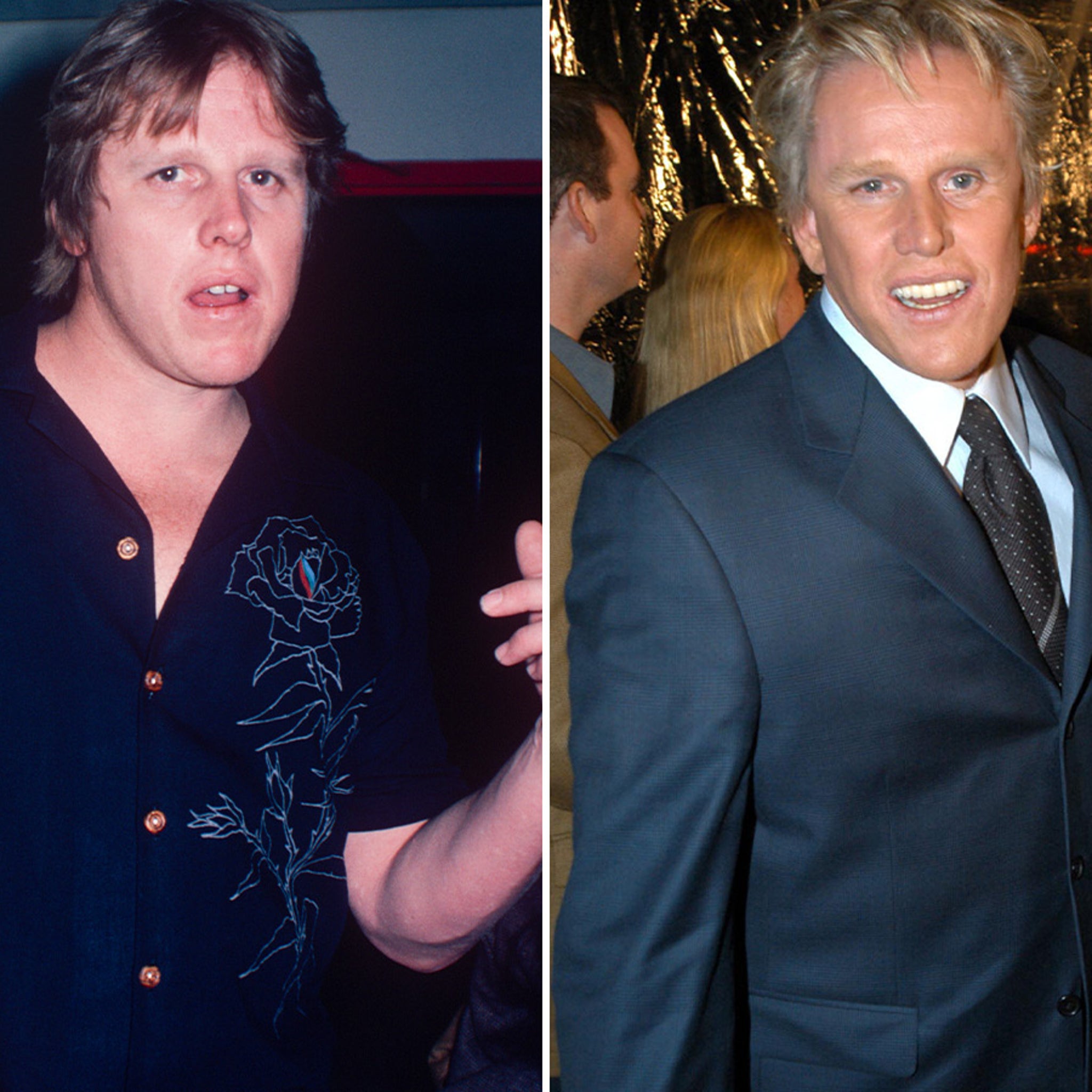
Gary Busey Mug Photo: Context, Legal History, and Cultural Impact
The infamous Gary Busey mug photo stems from his 1999 domestic violence arrest in Malibu, California. This striking piece of public record captures the veteran Hollywood actor following a physical altercation with his then-wife, Tino S...
The infamous Gary Busey mug photo stems from his 1999 domestic violence arrest in Malibu, California. This striking piece of public record captures the veteran Hollywood actor following a physical altercation with his then-wife, Tino Stella. The image remains one of the most widely searched celebrity booking photographs in pop culture history, reflecting public fascination with the actor's turbulent personal life and eccentric public persona.
Contents
Understanding the Origins of the Gary Busey Booking Image
The circumstances surrounding the iconic booking photograph trace back to a domestic dispute at Busey's Malibu residence. On February 4, 1999, local law enforcement responded to a 911 call reporting a domestic disturbance. Upon arrival, officers interviewed both parties, leading to the actor's subsequent arrest on charges of domestic battery.
Law enforcement agencies routinely capture booking photographs, commonly referred to as mugshots, during the standard booking process. These records serve official identification and law enforcement documentation purposes. However, due to Busey's prominent status in the entertainment industry, his booking photo quickly transitioned from a routine municipal file into a widely distributed item across tabloid journalism and early internet culture.
Legal Ramifications and Case Disposition
Following the 1999 incident, the legal system processed the case through the Los Angeles County superior court system. The specific legal milestones included:
- Initial arraignment where formal charges of domestic battery were filed by municipal prosecutors.
- Release on bond following standard pretrial detention protocols.
- Court-mandated counseling and anger management programs as part of the legal resolution.
- Subsequent dismissal or reduction of charges contingent upon successful completion of court orders.
The Intersection of Celebrity Status and Public Records
Celebrity booking photographs occupy a unique space in modern media. Under public records laws such as the Freedom of Information Act (FOIA) at the federal level and state-level equivalents like the California Public Records Act, booking photos of individuals arrested for public offenses generally fall under the classification of public records.
Media outlets and digital archives leverage these statutes to publish such images. For Busey, whose career spans critically acclaimed roles in films like "The Buddy Holly Story" (for which he earned an Academy Award nomination) and major action blockbusters like "Point Break," the mugshot became an enduring cultural artifact. It contrasts sharply with his professional headshots and red carpet appearances, cementing a duality in his public perception.
Evolution of Public Interest in Celebrity Mugshots
Public fascination with celebrity run-ins with the law has evolved significantly from the late 20th century print era to the modern digital landscape. The availability of online databases has altered how historical images are preserved and accessed.
| Era | Primary Distribution Channel | Public Access Level | Permanence of Record |
|---|---|---|---|
| Pre-Digital (Pre-2000s) | Print tabloids, newspapers, television news broadcasts | Limited to physical circulation and local news archives | Temporary, dependent on physical library archives |
| Early Internet (2000–2010) | Dedicated gossip websites, early forums, static web galleries | Moderate accessibility via search engines | Persistent, stored on web servers globally |
| Modern Era (2010–Present) | Social media platforms, viral meme culture, aggregated database sites | Immediate, high-speed, and global accessibility | Permanent digital footprint with algorithmic amplification |
The Impact of Traumatic Brain Injury on Public Perception
When analyzing public curiosity regarding Gary Busey's legal history and associated imagery, context is a critical factor. In 1988, Busey sustained a severe, life-threatening motorcycle accident in which he was not wearing a helmet, resulting in a fractured skull and permanent traumatic brain injury (TBI).
Medical professionals and cultural commentators often note that the TBI profoundly altered Busey's neurological functioning, behavioral patterns, and impulse control. Public understanding of this medical history has shifted the narrative surrounding his later-life incidents, including the 1999 arrest. Rather than viewing these events strictly through a conventional criminal lens, contemporary discussions frequently incorporate an awareness of neurological health, rehabilitation challenges, and the long-term effects of severe head trauma.
Frequently Asked Questions About the Gary Busey Booking Photo
When was the Gary Busey mug photo taken?
The photograph was taken on February 4, 1999, following his arrest by Malibu law enforcement on domestic battery charges. This image was immediately logged into the Los Angeles County municipal database before being picked up by wire services.
Why is the Gary Busey booking photo so widely searched online?
The image combines high-profile celebrity status with an intense, eccentric expression that aligns with Busey's unconventional public persona. This visual uniqueness drives sustained search engine volume decades after the incident occurred.
Are booking photographs considered public domain documents?
Yes, in most jurisdictions within the United States, booking photographs created by law enforcement agencies are classified as public records. However, state laws and specific platform regulations increasingly regulate commercial re-use and predatory "mugshot removal" websites.
Did the 1999 arrest result in a criminal conviction?
The legal proceedings were resolved through mandated counseling and probation terms rather than a severe felony conviction, standard for many first-time misdemeanor domestic dispute cases under California jurisprudence at the time.
How has public perception of the incident changed over time?
Modern audiences and media commentators increasingly view Busey's behavioral incidents through the lens of his 1988 severe traumatic brain injury, balancing accountability with a greater awareness of neurological health impacts.
Managing Digital Footprints and Historical Records
The persistence of historical booking photographs highlights broader discussions regarding digital rehabilitation and the right to be forgotten. While public records laws ensure transparency and accountability within the justice system, the permanent nature of online archives means that past mistakes or municipal filings remain instantly accessible to a global audience. For public figures, this phenomenon underscores the permanent intersection between private legal matters and public entertainment history. Navigating these records requires a comprehensive understanding of media law, public records statutes, and the evolving ethics of digital journalism.
Image Gallery