Why the Met Gala Carpet 2024 Stunned Everyone
The 2024 Met Gala stunned the world by moving beyond traditional fashion into a fully immersive, multisensory experience. Under the theme "Sleeping Beauties: Reawakening Fashion" and the dress code "The Garden of Time," the event capti...
The 2024 Met Gala stunned the world by moving beyond traditional fashion into a fully immersive, multisensory experience. Under the theme "Sleeping Beauties: Reawakening Fashion" and the dress code "The Garden of Time," the event captivated audiences through its avant-garde "carpet" design, the use of fragile archival pieces, and innovative technology that merged historical craftsmanship with modern AI and 3D design.
Contents
The Architectural Shift: When the Red Carpet Turned Green
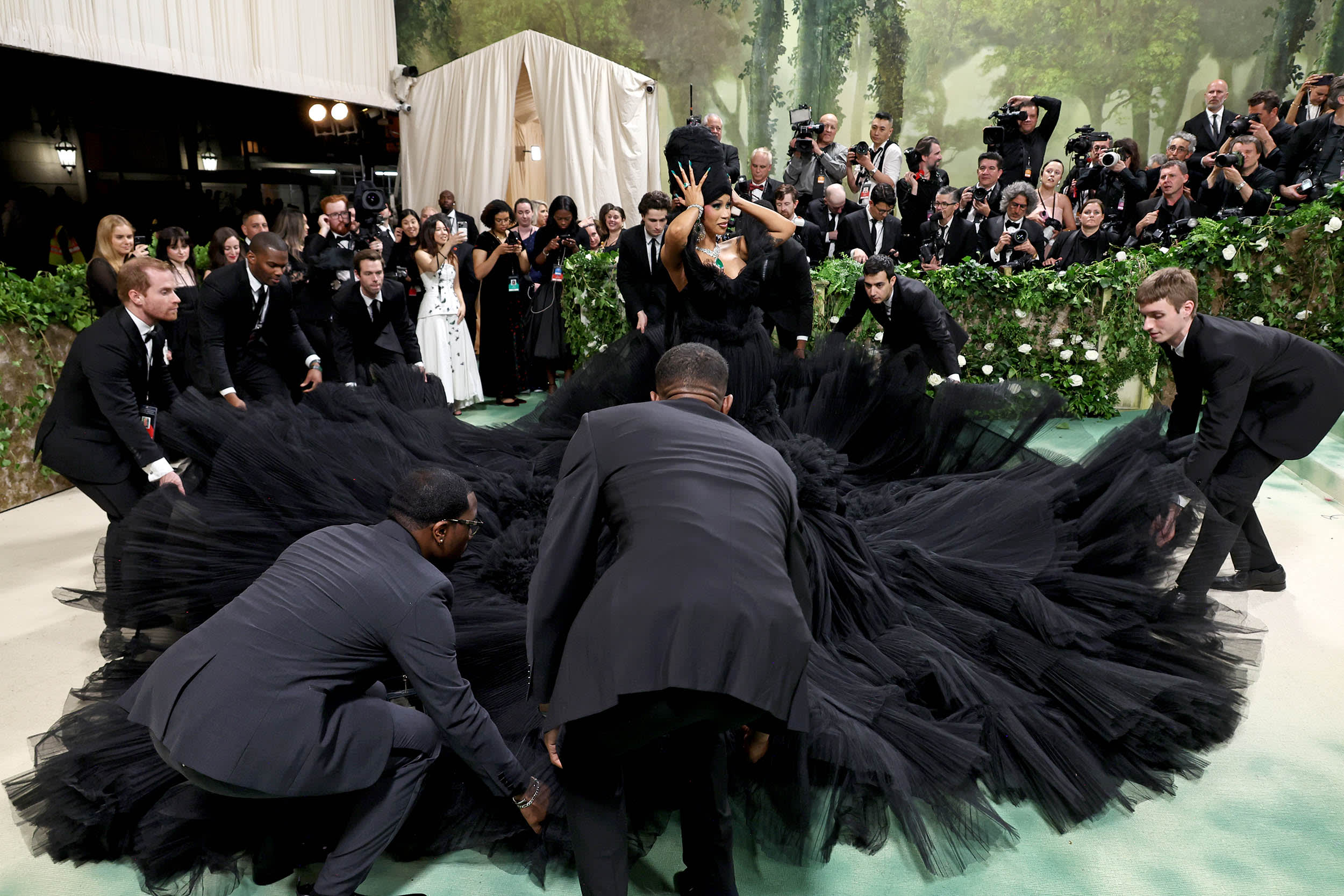
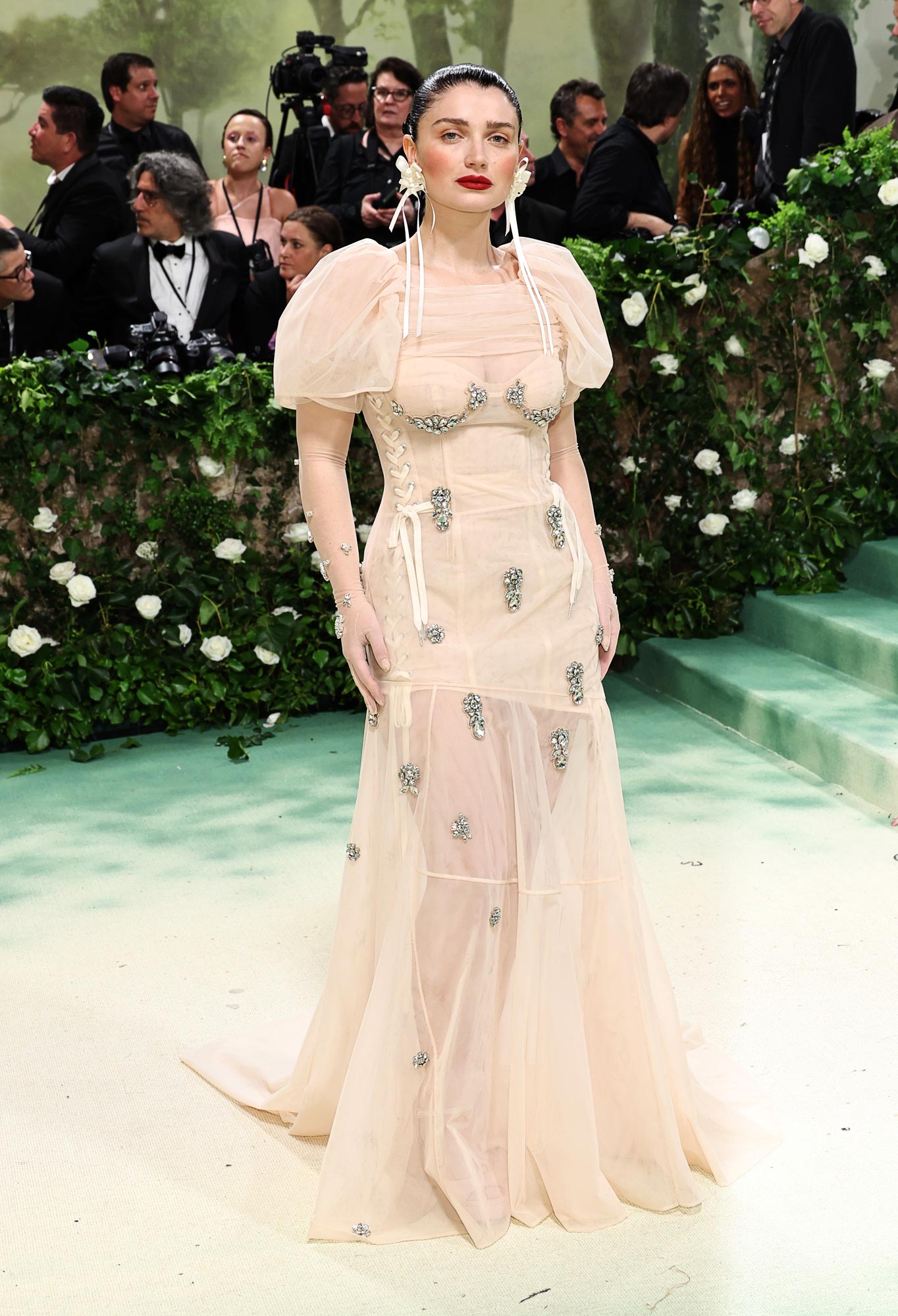
The first thing that stunned observers in May 2024 was the physical transformation of the Metropolitan Museum of Art’s iconic steps. Breaking away from the standard red or monochromatic palettes of previous years, the 2024 "carpet" was a lush, forest-inspired landscape. It featured a gradient of greens, mossy textures, and a perimeter lined with real foliage and towering trees.
This design was not merely decorative; it was a strategic extension of the theme "The Garden of Time," inspired by J.G. Ballard’s 1962 short story. By creating a physical garden, the organizers forced a shift in how celebrities interacted with the space. Instead of a flat runway, the environment felt like a living organism. This immersive approach set the stage for a night where the boundaries between the wearer, the garment, and the environment were intentionally blurred.
From our vantage point in 2026, we can see how this set design pioneered the "environmental storytelling" trend now common in global fashion weeks. The 2024 carpet proved that the venue itself could be as much a part of the narrative as the couture walking upon it.
Decoding the Theme: Sleeping Beauties and The Garden of Time
To understand why the 2024 event was so impactful, one must distinguish between the exhibition title and the dress code. The dual nature of the concept provided a depth rarely seen in red-carpet events.
The Exhibition: Sleeping Beauties
The Costume Institute’s exhibition, "Sleeping Beauties: Reawakening Fashion," focused on garments that were too fragile to ever be worn again. These "beauties" lay in glass cases, some requiring high-tech projections to show how they once moved. The stunning element here was the irony: a gala known for wearing clothes centered on clothes that cannot be worn.
The Dress Code: The Garden of Time
The dress code invited guests to interpret the concept of decay, rebirth, and the ephemeral nature of beauty. While many opted for literal floral interpretations, the most stunning looks focused on the "time" aspect—clocks, sand, crystalline structures, and historical silhouettes that looked as if they were being reclaimed by nature. This intellectual depth challenged designers to move beyond "pretty dresses" into the realm of wearable art and philosophy.
The Technical Innovations That Redefined the Runway
The 2024 Met Gala was a turning point for fashion technology. We saw a shift from traditional textiles to experimental materials that required engineering as much as tailoring.
The Rise of 3D Printing and Sculptural Molding
Tyla’s "sand dress" by Balmain remains one of the most discussed technical feats in Met Gala history. Crafted from three shades of sand and mixed with micro-crystal studs, the dress was molded directly to the singer's body. It was a literal representation of the sands of time. The technical difficulty of creating a garment that looked like a solid sculpture but possessed the fragility of a sandcastle was a masterclass in modern couture.
AI and Digital Enhancements
Several designers utilized AI to simulate how floral patterns would "grow" or "decay" across fabric. Loewe, for instance, experimented with hyper-realistic floral prints and silhouettes that challenged the viewer's perception of what was real and what was digital. This use of technology wasn't just for show; it was a tool used to "reawaken" archival concepts that were previously impossible to execute with hand-stitching alone.
Most Iconic Looks and Their Interpretative Depth
The 2024 carpet was a showcase of narrative-driven fashion. While many celebrities attended, a few stood out for their mastery of the complex theme.
| Attendee | Designer | Key Material/Technique | Theme Interpretation |
|---|---|---|---|
| Zendaya | Maison Margiela / Givenchy | Iridescent Organza & Archival Silk | A dual-look approach representing the rebirth of nature and the dark romance of the garden. |
| Tyla | Balmain | Molded Sand and Crystals | The literal passage of time and the fragility of physical forms. |
| Lana Del Rey | Alexander McQueen | Silk Tulle & Natural Hawthorn Branches | The "Garden of Time" as a place of both beauty and entrapment (thorns). |
| Bad Bunny | Maison Margiela | Custom Wool and Satin Stitching | A deconstructed take on the "Count" from Ballard's story, focusing on tailoring as a lost art. |
| Kim Kardashian | Maison Margiela | Metal Bodice and Distressed Lace | The contrast between the rigid "armor" of time and the soft fragility of the "sleeping beauty." |
Zendaya’s Double Transformation
As a co-chair, Zendaya stunned by appearing twice on the carpet in two distinct looks. Her first ensemble, a custom Maison Margiela Artisanal piece by John Galliano, was a peacock-toned fantasy that leaned into the theatricality of nature. Later, she returned in a 1996 Givenchy haute couture gown—an archival "sleeping beauty" in its own right—topped with an Alexander McQueen floral headpiece from 2007. This was a direct nod to the exhibition’s mission: bringing dead fashion back to life.
The Return of John Galliano
The 2024 Met Gala also served as a massive cultural moment for John Galliano. His work for Maison Margiela dominated the conversation, characterized by porcelain-skin makeup and historical silhouettes. The "stun" factor here was the return to high-drama, narrative-heavy fashion that many felt had been missing from the red carpet in the early 2020s.
The Sensory Experience: Beyond Visuals
The 2024 Gala was the first to heavily emphasize sensory elements beyond sight. The exhibition integrated "smell-scapes"—scents of tobacco, rose, and earth that corresponded to the garments on display. While the general public couldn't smell the gala through their screens, the descriptions and the "vibe" of the evening were curated to be atmospheric.
Sound was also a factor. The use of "Pepper’s Ghost" technology to create holographic projections of birds and butterflies within the museum created a soundscape that celebrities noted as they walked through the halls. This holistic approach to a theme made the 2024 event feel less like a party and more like a living piece of performance art.
The Lasting Impact on the Fashion Industry
Looking back from 2026, the 2024 Met Gala is recognized as the moment "Archival Fashion" moved from a niche interest to a mainstream requirement. Since then, we have seen a massive uptick in celebrities reaching into the vaults of Dior, Versace, and Chanel rather than commissioning new pieces.
Furthermore, the "sand dress" and "branch-work" seen in 2024 paved the way for the bio-fashion movements we see today, where clothes are increasingly made from sustainable, earth-based materials like mycelium and algae-based polymers. The event successfully argued that the future of fashion lies in its ability to respect its past while embracing the inevitable decay and rebirth of style.
Frequently Asked Questions
What was the official theme of the 2024 Met Gala?
The official exhibition theme was "Sleeping Beauties: Reawakening Fashion," which focused on the preservation and sensory revival of archival garments. The dress code for attendees was "The Garden of Time," inspired by J.G. Ballard’s short story about a count who cuts "time flowers" to keep a mob at bay.
Why was Tyla’s sand dress so significant?
Tyla’s Balmain dress was significant because it was made of actual sand, representing the theme of time. It was so rigid and fragile that she had to be carried up the museum steps, emphasizing that the garment was a piece of performance art rather than functional clothing.
Why did Zendaya wear two different outfits?
Zendaya, as a co-chair, wore two outfits to represent different facets of the theme. Her first look was a contemporary artisanal creation representing the "reawakening" of nature, while her second look was a vintage piece from 1996, directly referencing the "sleeping beauties" or archival pieces featured in the exhibition.
Was the 2024 Met Gala carpet actually red?
No, the 2024 carpet was intentionally not red. It was designed with a forest-green and mossy aesthetic to align with "The Garden of Time" dress code, creating a seamless visual transition from the exterior of the museum into the nature-themed exhibition.
How did the 2024 Gala impact fashion trends in 2025 and 2026?
The 2024 Gala accelerated the "vintage-only" movement on red carpets and popularized the use of 3D-molded materials. It also sparked a trend in "botanical deconstruction," where floral patterns are replaced by actual organic shapes and textures, such as 3D-printed thorns and moss-textured fabrics.
Practical Recommendation for Fashion Enthusiasts
If you are looking to incorporate the lessons of the 2024 Met Gala into your own style, focus on texture over pattern. The "Garden of Time" taught us that the physical feel of a garment—the grit of sand, the roughness of bark, or the translucence of a petal—tells a more compelling story than a simple print. Additionally, consider exploring archival or second-hand pieces; the most "stunning" looks of the current era are often those that respect the craftsmanship of the past.
Image Gallery