Comprehensive Guide to Authentic Joe Bufalino Pictures and Archival Visual Records in 2026
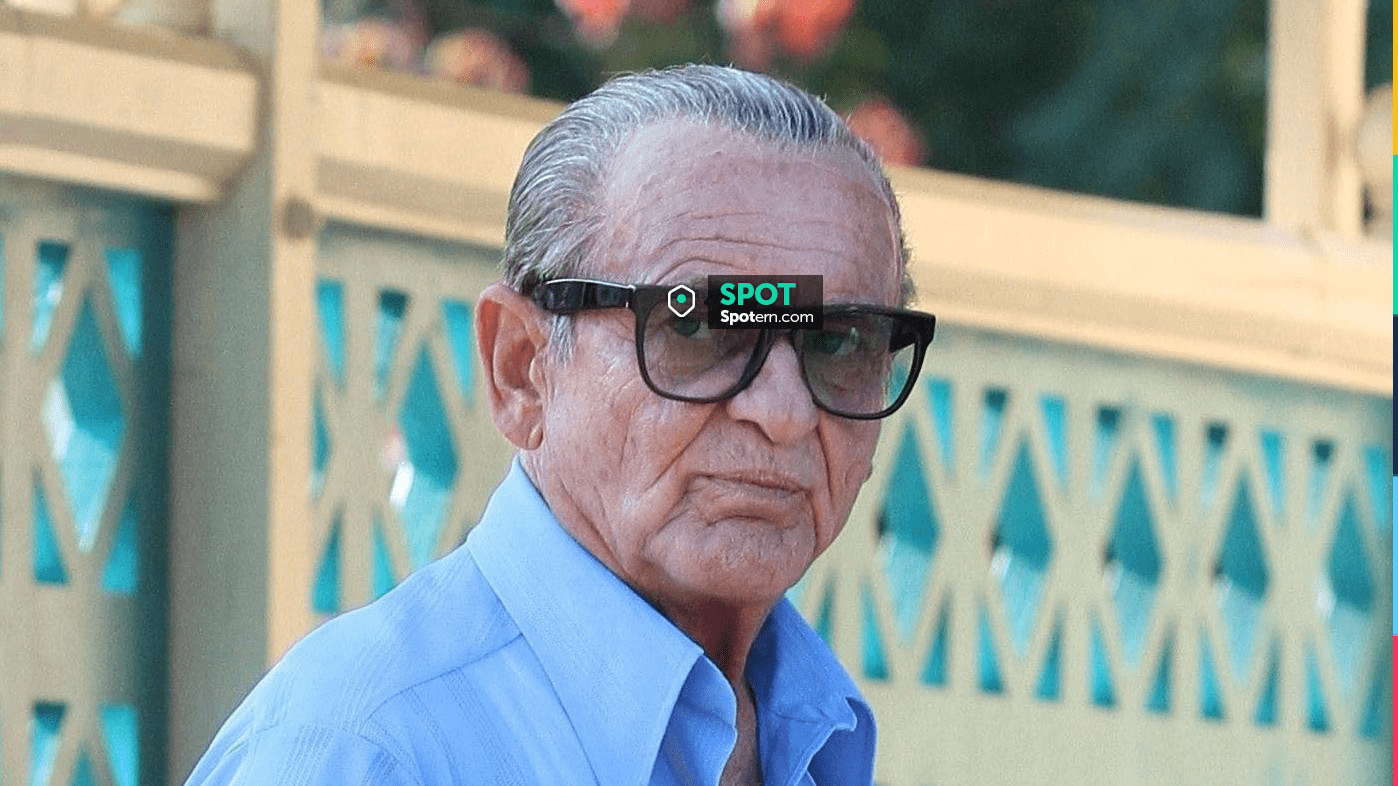
Authentic pictures of "Joe" Bufalino—most commonly referring to Russell "McGee" Bufalino, the notorious boss of the Northeastern Pennsylvania crime family, or his cousin, Teamsters attorney William "Big Joe" Bufalino—are primarily foun...
Authentic pictures of "Joe" Bufalino—most commonly referring to Russell "McGee" Bufalino, the notorious boss of the Northeastern Pennsylvania crime family, or his cousin, Teamsters attorney William "Big Joe" Bufalino—are primarily found in federal law enforcement archives and historical news repositories. In 2026, researchers can access high-resolution digital versions of these surveillance photos, mugshots, and court appearances through the FBI Vault and the National Archives.
Contents
While many casual searchers use the name "Joe Bufalino," historical records distinguish between Russell Bufalino (the "Quiet Don") and William "Big Joe" Bufalino. For the purpose of historical accuracy, this guide focuses on the visual documentation of both figures, as they are frequently conflated in true crime research and popular media portrayals like The Irishman.
Identifying the Subject: Russell vs. William "Big Joe" Bufalino
Before initiating a search for historical imagery, it is critical to identify which "Joe" Bufalino you are researching. The visual records for these two men differ significantly in context, ranging from grainy FBI surveillance to professional legal portraits.
Russell "McGee" Bufalino (1903–1994)
Russell was the low-profile head of the Bufalino crime family. Most pictures of him are candid, often taken during his numerous court appearances or as part of the FBI's "Top Hoodlum" program. His visual profile is characterized by:
- The 1957 Apalachin Meeting: Images of Russell leaving the meeting of Mafia bosses in upstate New York.
- Senate Testimony: Black-and-white photos from his appearances before the McClellan Committee in the late 1950s.
- Later Years: Photos from the late 1970s and 80s showing him entering or leaving federal courtrooms in Pennsylvania and New York.
William "Big Joe" Bufalino (1918–1990)
William was a prominent labor lawyer with deep ties to Jimmy Hoffa. Unlike Russell, William was often in the spotlight, and pictures of him are generally more formal.
- Legal Portraits: Professional shots taken during his tenure with the Teamsters.
- Press Conferences: Numerous photos of him standing alongside Jimmy Hoffa or defending union interests.
- Social Settings: He was frequently photographed at political and social events, presenting a much more public persona than his cousin.
Primary Repositories for Authentic Historical Imagery in 2026
In 2026, the digitization of 20th-century organized crime records has reached unprecedented levels. If you are seeking high-fidelity, verified images for publication or academic research, the following repositories are the gold standard.
1. The FBI Vault and FOIA Records
The FBI’s Electronic Record Reading Room (The Vault) contains thousands of pages on the Bufalino family. Within these PDF documents, you can find scanned copies of original mugshots and surveillance photos.
- Content: Official identification photos (front and profile), surveillance logs with attached imagery, and "wanted" posters if applicable.
- Quality: Often low-contrast due to the age of the microfilm, but they are the most "authentic" records available for evidentiary purposes.
2. The National Archives and Records Administration (NARA)
NARA holds the records of the Select Committee on Improper Activities in the Labor or Management Field (McClellan Committee).
- Content: High-quality press photos and government-captured images of Russell Bufalino’s testimony.
- Access: Many records are now accessible via the NARA digital catalog, categorized under Record Group 46 (Records of the U.S. Senate).
3. Editorial and Commercial Photo Agencies
For high-resolution, professionally shot photography, commercial archives are the best source. In 2026, these platforms have optimized their metadata to ensure historical accuracy.
- Getty Images / Associated Press (AP): These agencies hold the rights to the "classic" photos of Russell Bufalino being escorted by federal agents or William Bufalino at the podium.
- The Scranton Times-Tribune Archives: Since the Bufalino family was headquartered in Pittston, Pennsylvania, the local newspaper archives in the Scranton/Wilkes-Barre area contain unique, localized photography not found in national databases.
| Figure | Primary Image Type | Key Years | Common Setting |
|---|---|---|---|
| Russell Bufalino | Surveillance / Mugshot | 1950s–1980s | Courtrooms, Federal custody, Apalachin |
| William "Big Joe" Bufalino | Press / Professional | 1960s–1970s | Teamsters rallies, Press conferences, Legal offices |
| Jimmy Hoffa (Context) | Candid / Media | 1950s–1975 | Often seen with William Bufalino in photos |
Verifying Authenticity in the Era of Generative AI
As of 2026, the rise of AI-generated historical imagery has made it difficult to discern real photographs from "deepfakes" or synthetic recreations. When searching for Joe Bufalino pictures, you must apply rigorous verification standards to ensure historical integrity.
Visual Cues for Authentic Mafia Photography
Film Grain and Texture Authentic photographs from the 1950s through the 1970s exhibit specific grain patterns consistent with Tri-X or Plus-X film. AI-generated images often appear "too smooth" or have inconsistent lighting on the subject's face compared to the background.
Anachronistic Details Check for historical accuracy in clothing, vehicle models in the background, and street signs. A "Joe Bufalino" picture showing a car model from the 1990s in a supposedly 1960s setting is a clear indication of a synthetic or mislabeled image.
Source Provenance Always trace the image back to a primary source (e.g., a specific newspaper archive or a government file number). In 2026, reputable historians avoid images sourced solely from social media or unverified "history" blogs.
Technical Specifications for Archival Research
If you are a filmmaker, author, or digital archivist in 2026, you likely require high-specification files. When requesting images from NARA or commercial houses, use the following technical benchmarks:
- Resolution: Minimum 600 DPI for print publication; 300 DPI for digital-only use.
- Format: Request TIFF files for maximum data retention. Avoid JPEGs for historical preservation as they suffer from compression artifacts.
- Color Space: Most Bufalino records are Grayscale. Ensure the scan captures the full dynamic range of the blacks and whites to preserve detail in the shadows (where surveillance photos often hide critical information).
Step-by-Step Guide to Requesting Bufalino Pictures via FOIA
If an image is mentioned in an FBI file but not visible in the online "Vault," you may need to file a targeted Freedom of Information Act (FOIA) request.
- Identify the File Number: Locate Russell Bufalino’s main file number (often found in the index of his already-released records).
- Specify "Photographic Records": In your request, explicitly state that you are looking for "all original photographic prints, negatives, and contact sheets" related to the subject.
- Use the FOIA.gov Portal: In 2026, the centralized federal portal is the most efficient way to track these requests.
- Wait Times: Be prepared for a processing time of 6 to 18 months, depending on the volume of records that require declassification review.
Comparative Analysis: Cinematic Portrayal vs. Historical Reality
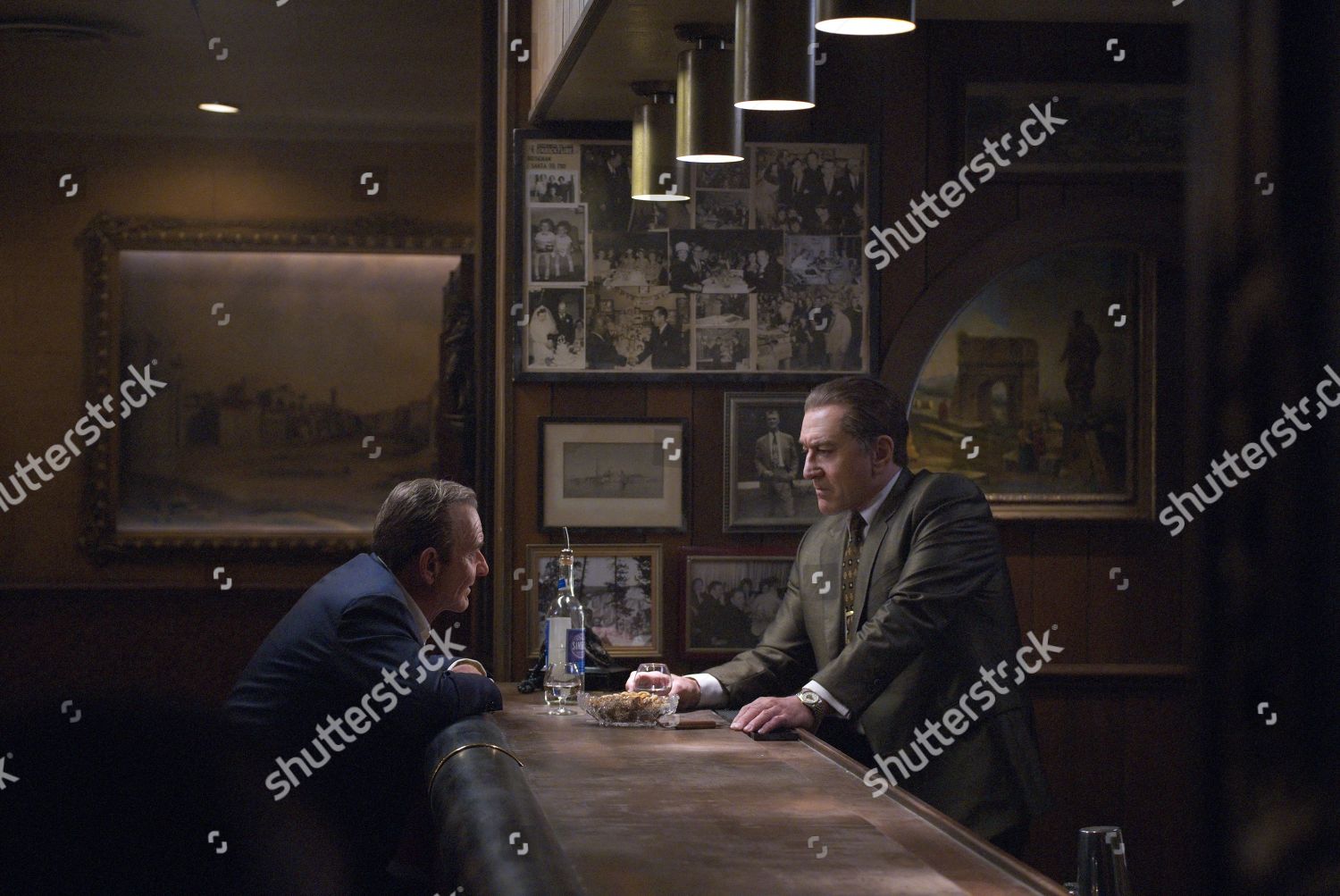
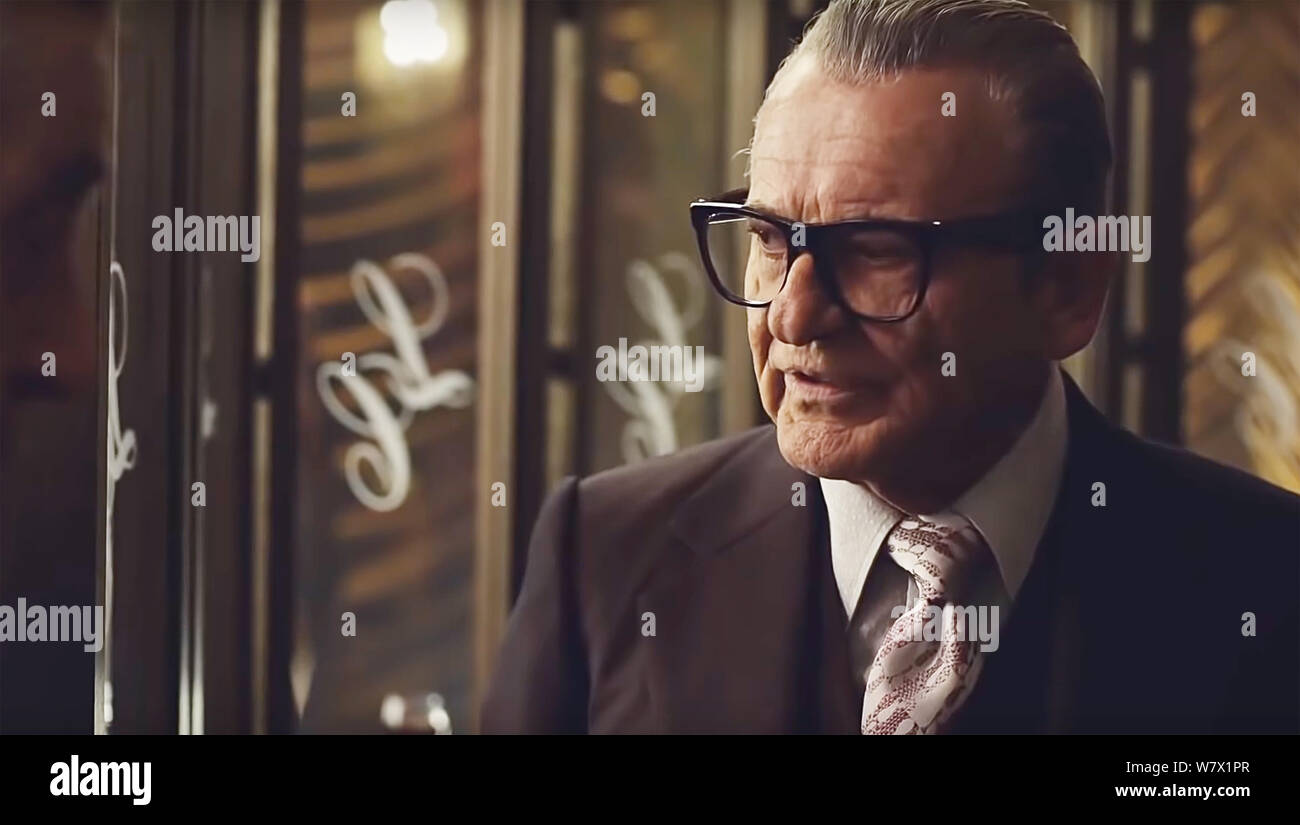
The 2019 film The Irishman significantly impacted the public's visual perception of Joe/Russell Bufalino. It is important to distinguish between pictures of the actor (Joe Pesci) and the actual historical figure.
- Joe Pesci as Russell: The film used de-aging technology. Many images found on modern search engines are actually movie stills rather than historical records.
- The Real Russell: Historically, Russell Bufalino was known for his understated appearance. He rarely wore flashy jewelry or expensive suits in public, preferring to look like a modest businessman. Pictures of the real Russell show a man who intentionally tried to blend into his surroundings, a stark contrast to the more flamboyant "Hollywood" version of a mobster.
Frequently Asked Questions
Are there any color pictures of Russell Bufalino?
Yes, but they are rare. Most color photographs of Russell Bufalino date from the late 1970s and 1980s during his final legal battles and his time in federal prison. Earlier photos from the 1950s and 60s are almost exclusively black and white due to the standard equipment used by news agencies and the FBI at the time.
Where can I find the most famous mugshot of Joe Bufalino?
The most famous mugshot is his 1950s-era booking photo, which is held by the Pennsylvania State Police and the FBI. It is widely available on the FBI’s official website and in various public domain repositories.
Can I use these pictures for my own project in 2026?
Usage rights depend on the source. FBI and government-produced photos are generally in the public domain. However, press photos from the Associated Press or Getty Images require licensing fees. Always check the "Rights and Permissions" section of the archive you are using.
Is William "Big Joe" Bufalino related to Russell?
Yes, they were cousins. William served as the legal representative for the Teamsters and frequently worked with Russell. Many pictures from the 1960s show them in the same vicinity, particularly during the various investigations into labor racketeering.
Are there any private family photos of the Bufalinos available?
Very few private family photos have been released to the public. The Bufalino family maintained a strict "omertà" or code of silence, and their private lives were kept out of the lens of the media. Most available imagery is "public" in nature—courtrooms, streets, and official government business.
Expert Insight for Historians and Researchers
When analyzing Joe Bufalino pictures in 2026, look beyond the subject. The background of surveillance photos often provides more historical data than the person itself. Pay attention to the locations (e.g., the Medico Electric Motor Company in Pittston) and the other individuals captured in the periphery. These "secondary" figures are often other members of the Northeastern Pennsylvania crime family who were not the primary targets of the photographer but are invaluable for mapping the organization's social network.
Furthermore, always cross-reference a photo with the official surveillance logs. The FBI often noted the date, time, and exact lens used for their surveillance photography, which can help verify the specific event the picture represents.
Image Gallery