Store Brand Toothpaste Price Versus Branded: Understanding Value and Performance
When choosing between store brand toothpaste and major national brands, the decision often balances financial savings against perceived quality and specialized oral health benefits. Both product categories are subject to the same regul...
When choosing between store brand toothpaste and major national brands, the decision often balances financial savings against perceived quality and specialized oral health benefits. Both product categories are subject to the same regulatory oversight regarding safety and active ingredients; therefore, the primary difference for most consumers lies in the price point, flavor profiles, packaging, and secondary clinical claims.
Contents
Regulatory Standards and Ingredients
All toothpaste sold in the United States must meet strict safety and efficacy standards established by the U.S. Food and Drug Administration (FDA). Because toothpaste is classified as an over-the-counter (OTC) drug, any product—whether it is a private-label store brand or a premium national brand—must contain approved active ingredients if it makes therapeutic claims.
The most critical active ingredient in nearly all fluoride-based toothpastes is sodium fluoride or stannous fluoride. Regulatory bodies require these ingredients to be present in specific concentrations to effectively remineralize enamel and prevent cavities. Consequently, a store brand toothpaste labeled with the same concentration of fluoride as a national brand is, by definition, providing the same foundational level of cavity protection. The "active" portion of the formulation is essentially identical across the market, as the chemistry involved in fluoride delivery is standardized.
The Economics of Branding
The price disparity between store brands and national brands is rarely a reflection of the cost of the active ingredients. Instead, the difference is driven by operational and marketing expenditures.
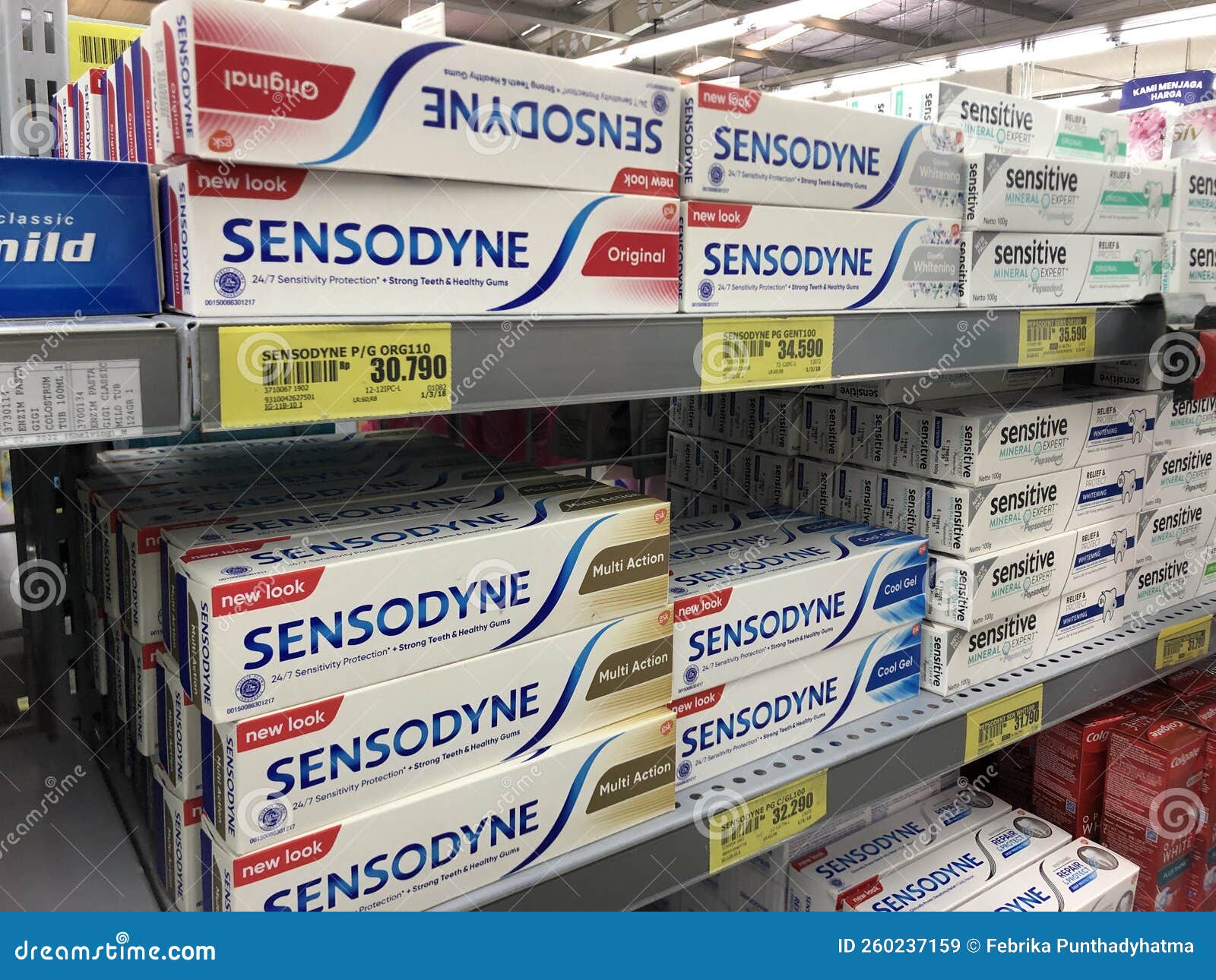
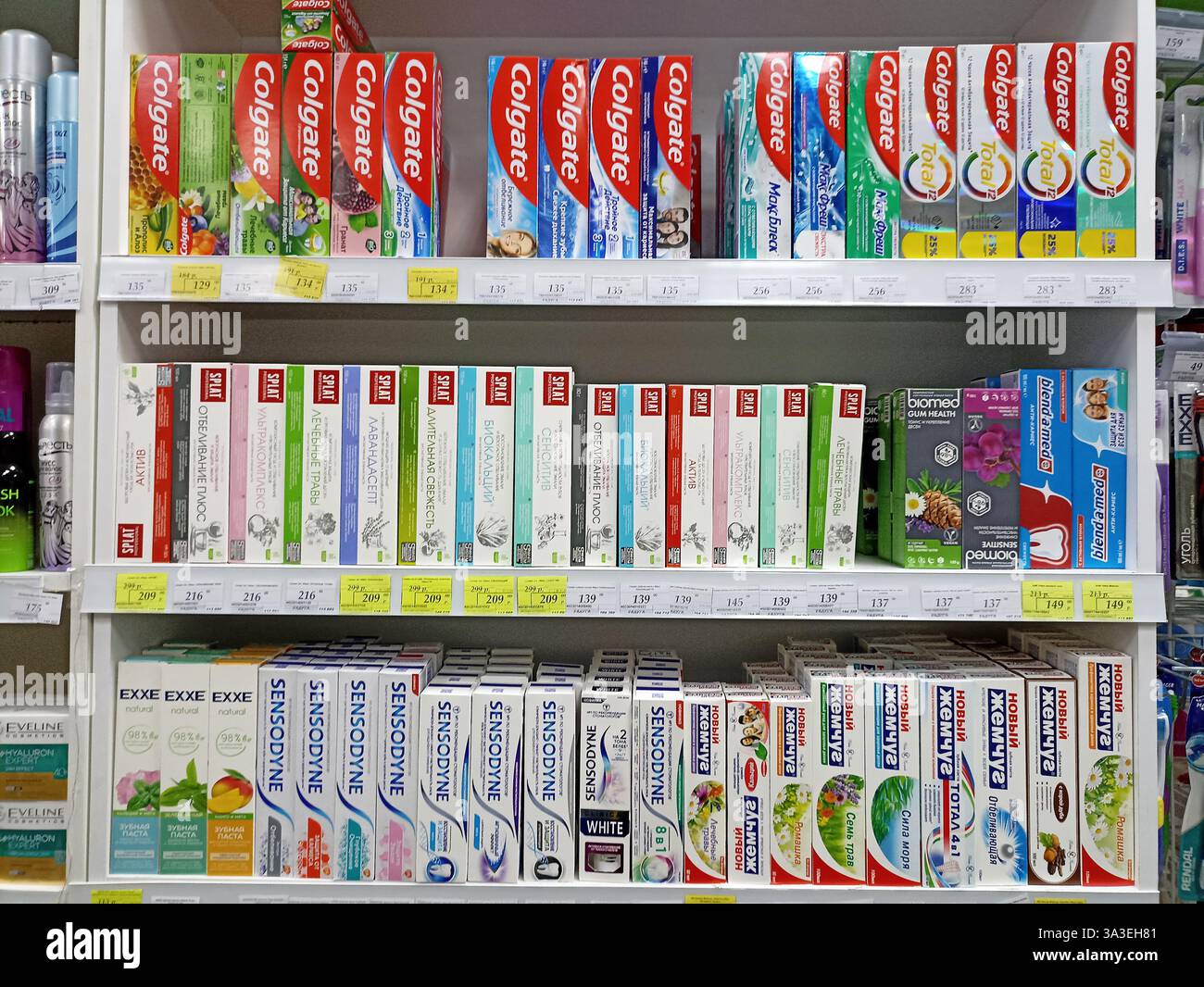
National brands—such as Colgate, Crest, or Sensodyne—invest heavily in research and development, clinical trials, and massive advertising campaigns. These companies must recoup these costs through higher retail pricing. Additionally, national brands often utilize complex supply chains and proprietary marketing partnerships, all of which are factored into the final unit price.
Store brands, often referred to as private-label or house brands, operate under a different economic model. Retailers like Walmart, CVS, or Kroger contract with manufacturers to produce toothpaste under their own labels. Because these retailers already have a captive audience and established distribution channels, they do not need to spend millions on national television commercials or celebrity endorsements. By eliminating these overhead costs, retailers can pass the savings directly to the consumer, frequently resulting in a price reduction of 30% to 50% compared to the leading national counterpart.
Comparing Product Formulations
While the active ingredient (fluoride) is the same, secondary ingredients can vary. National brands frequently invest in specialized "extra" features, such as advanced whitening agents, proprietary breath-freshening technologies, or desensitizing compounds that may use patented delivery systems.
Store brands often target the "mainstream" segment of the market. You are more likely to find generic "Total Care" or "Cavity Protection" store brands that mirror the base-level national products. If you require a highly specific or cutting-edge formulation—such as a specific patented stannous fluoride complex for gingivitis—the national brand may be the only option. However, for the average user seeking basic daily hygiene, the ingredient list of a store brand is often nearly indistinguishable from the national standard.
Comparison Matrix: Store Brand vs. National Brand
| Feature | Store Brand | National Brand |
|---|---|---|
| Active Ingredients | Standardized (FDA Regulated) | Standardized (FDA Regulated) |
| Primary Pricing | Lower (Lower Marketing Costs) | Higher (R&D & Advertising) |
| Availability | Retailer Specific | Universal |
| Flavor/Texture | Consistent, often simpler | Highly engineered/varied |
| Niche Claims | Often baseline | High focus on specialized care |
Addressing Clinical Efficacy and Preferences
Consumers often worry that a lower price implies lower clinical quality. It is important to distinguish between "efficacy" and "sensory experience."
From a clinical standpoint, if a store brand toothpaste displays the American Dental Association (ADA) Seal of Acceptance, it has been independently reviewed by a panel of scientists to verify its safety and effectiveness. Not all store brands pursue this seal, but its presence provides a high level of assurance that the product performs exactly as claimed.
The sensory experience—flavor, foaminess, and grit—is where most consumers notice the difference. National brands spend significant resources on "flavor chemistry" to ensure a specific mouthfeel and aftertaste that triggers brand loyalty. Some store brands may feel slightly thinner or have a less sophisticated flavor profile, which can be the deciding factor for individuals who are particularly sensitive to texture or taste.
Potential Pitfalls and Considerations
When transitioning to a store brand to save money, keep the following considerations in mind:
- Check the Concentration: Always verify that the fluoride concentration matches your previous product. If your dentist prescribed a specific level, ensure the house brand meets that exact specification.
- Review for Allergens: While ingredients are regulated, different manufacturers may use different binding agents, sweeteners (like sorbitol or xylitol), or flavorings. If you have known sensitivities to common toothpaste additives, read the label carefully regardless of the brand.
- Packaging Consistency: Store brands may occasionally change manufacturers, meaning the formulation or flavor could shift slightly over time without significant notice on the packaging.
- Volume Calculations: Sometimes a national brand on sale or in a multi-pack can compete with the price per ounce of a store brand. Always check the "price per ounce" on the shelf tag to ensure you are truly saving money.
Frequently Asked Questions
Are store brand toothpastes as effective at preventing cavities? Yes. If the store brand contains the same active fluoride concentration as a national brand, it will be equally effective at preventing cavities. The active ingredients are regulated by the FDA to perform a specific function regardless of the brand name on the tube.
Why do national brands cost so much more? The higher cost of national brands is primarily due to the high expenses associated with advertising, marketing, and extensive clinical research programs. Retailers producing store brands avoid these massive overhead costs, allowing them to offer the product at a lower price point.
Should I consult my dentist before switching? If you have specific dental conditions such as severe enamel erosion, gum disease, or tooth sensitivity, consult your dentist before switching brands. They can verify if a generic alternative provides the specific protection necessary for your unique dental health profile.
What is the significance of the ADA Seal of Acceptance? The ADA Seal is a voluntary program where companies submit their products for independent scientific evaluation. It confirms that the product does exactly what it claims to do on the packaging, providing an extra layer of verification beyond basic government safety regulations.
Are there ingredients in store brands that are "worse" than national brands? Generally, no. Store brands use standard, safe ingredients that are widely used across the oral care industry. You may find fewer "exotic" or proprietary additives in a store brand, but these are typically for aesthetic or sensory enhancement rather than health-critical functions.
Final Recommendation
For the average consumer, the choice between store brand and national brand toothpaste is largely a matter of personal preference and budget. If your oral health is stable and you do not require a specialized, doctor-recommended formulation, a store brand toothpaste is a reliable, cost-effective way to maintain your hygiene routine.
To start saving, perform a direct comparison on your next shopping trip: identify the active ingredients in your current brand, then look for the store brand equivalent with the exact same list of active components. If the price per ounce is lower and the product carries the ADA seal or is sold by a reputable pharmacy, you can make the switch with confidence. If you find the flavor or texture of the store brand unappealing, the cost difference is often minimal enough that returning to your preferred national brand will not significantly impact your overall household budget.
Image Gallery