How Much to Ship a Vehicle: 2026 Cost Guide and Industry Analysis
Shipping a vehicle in 2026 generally costs between $700 and $2,400 for most domestic routes. This price is heavily influenced by the total distance traveled, the type of carrier selected (open or enclosed), and the current fluctuations...
Shipping a vehicle in 2026 generally costs between $700 and $2,400 for most domestic routes. This price is heavily influenced by the total distance traveled, the type of carrier selected (open or enclosed), and the current fluctuations in fuel surcharges and labor costs within the logistics sector.
Contents
The automotive transport industry has stabilized significantly following the supply chain volatility of the early 2020s, yet precision in pricing remains elusive without understanding the specific variables of your shipment. Whether you are relocating for a career, purchasing a vehicle from an out-of-state dealership, or sending a classic car to an auction, several technical and economic factors dictate your final quote. This guide examines the metrics used by brokers and carriers to calculate rates in the current 2026 market.
Understanding the Primary Cost Drivers in 2026
To accurately estimate how much to ship a vehicle, one must move beyond simple "per-mile" averages. The logistics industry utilizes a multi-factor algorithm to determine the viability and price of a route.
Distance and Geographic Logistics
Distance remains the most significant component of shipping costs, but it operates on a sliding scale. While a 2,500-mile cross-country trip will cost more in total than a 500-mile regional move, the cost per mile decreases as the distance increases. In 2026, short-haul trips (under 500 miles) often command rates of $1.50 to $2.10 per mile due to the fixed costs of loading, unloading, and administrative overhead. Conversely, long-haul shipments may drop to $0.60 to $0.85 per mile.
Location also plays a critical role. Shipping between major metropolitan hubs like Los Angeles, Dallas, Chicago, or Atlanta is significantly cheaper than shipping to or from rural areas. Carriers prefer "high-volume corridors" where they can easily find a "backhaul"—a secondary load for the return trip. If a driver has to deviate 100 miles off a main interstate to reach a remote destination, the customer will likely pay a "deadhead" fee to compensate for the driver’s fuel and time.
Vehicle Weight and Dimensions
The physical characteristics of the vehicle are non-negotiable price factors. Transport trailers have strict Gross Vehicle Weight Rating (GVWR) limits enforced by the Department of Transportation (DOT). A compact sedan weighs roughly 3,000 pounds, whereas a modern electric SUV or a heavy-duty pickup truck can exceed 6,000 pounds.
Because a carrier can only legally haul a specific amount of weight, a heavier vehicle "takes up" more of that capacity, resulting in a higher price. Furthermore, oversized vehicles (lifted trucks, vans with roof racks, or dually pickups) take up more physical space, potentially preventing the carrier from loading another vehicle nearby. This "opportunity cost" is passed on to the consumer.
Transport Method: Open vs. Enclosed
The choice between open and enclosed transport is the most direct way to influence the total cost.
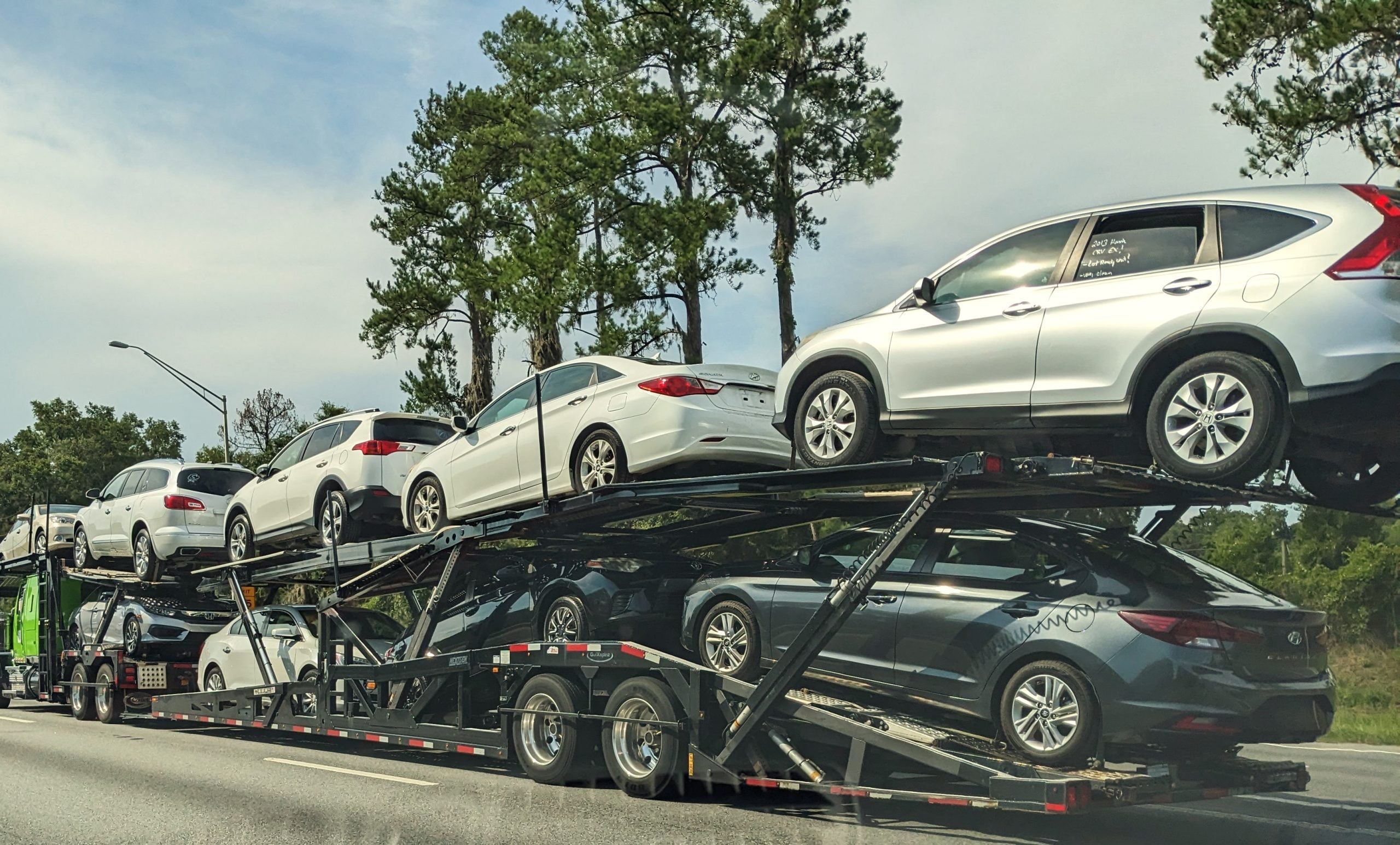
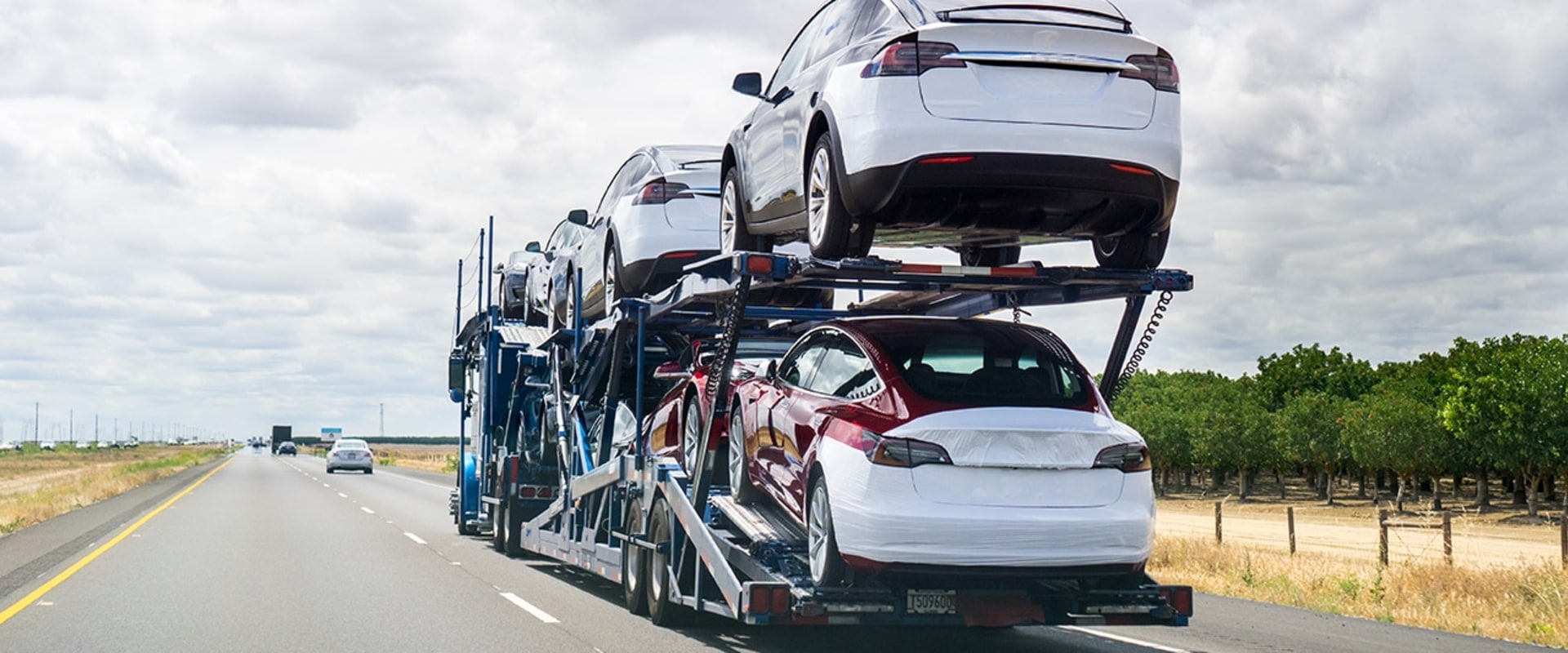
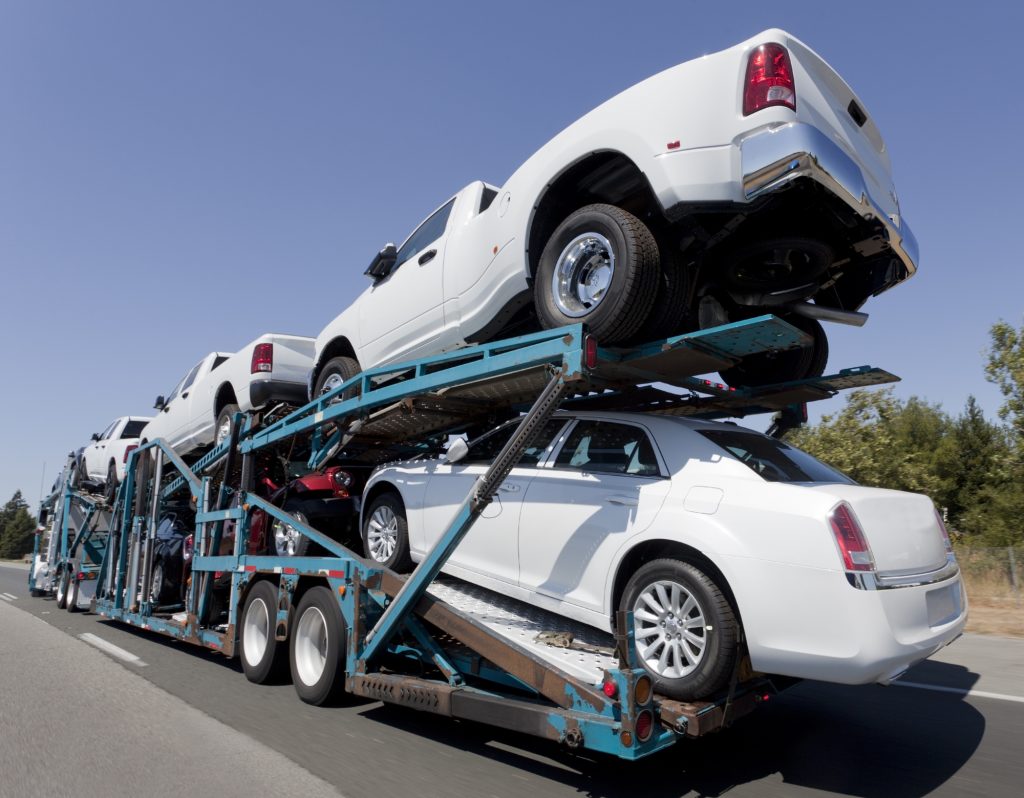
- Open Carrier: These are the ubiquitous multi-car trailers seen on highways. They are the most cost-effective option because they can carry 7 to 10 vehicles at once, spreading the operational costs across multiple customers.
- Enclosed Carrier: Used primarily for luxury, antique, or high-value vehicles, these trailers protect the cargo from weather, road debris, and theft. Because enclosed trailers usually carry fewer vehicles (often 1 to 6) and require specialized equipment like hydraulic ramps for low-clearance cars, they typically cost 30% to 50% more than open transport.
Average Cost Estimates by Distance and Transport Type
The following table provides a snapshot of current 2026 market rates. These figures are estimates based on a standard mid-sized sedan in operable condition.
| Distance (Miles) | Open Carrier Cost Range | Enclosed Carrier Cost Range | Estimated Transit Time |
|---|---|---|---|
| 1 - 500 | $550 – $850 | $800 – $1,200 | 1 – 3 Days |
| 501 - 1,000 | $850 – $1,250 | $1,200 – $1,750 | 3 – 5 Days |
| 1,001 - 1,500 | $1,100 – $1,600 | $1,600 – $2,200 | 5 – 7 Days |
| 1,501 - 2,000 | $1,350 – $1,900 | $1,900 – $2,700 | 7 – 9 Days |
| 2,001 - 2,500+ | $1,600 – $2,400 | $2,400 – $3,500 | 9 – 14 Days |
Note: Prices include standard insurance and fuel surcharges. Rates for SUVs and trucks typically add $150–$400 to the totals above.
Seasonal Variations and Timing Impacts
The auto transport industry is highly seasonal. Understanding these cycles can help you avoid "peak" pricing.
The "Snowbird" Effect
During late autumn and early spring, there is a massive migration of vehicles from the Northeast and Midwest toward the Sunbelt states (Florida, Arizona, and Texas). Prices for southbound routes in October and November are significantly higher due to extreme demand. Conversely, northbound routes during these months are often discounted as carriers try to fill empty slots on their return trips.
Summer Peak and Winter Challenges
Summer is the busiest season for household moves, leading to a general increase in auto transport rates between June and August. Winter shipping can be cheaper in terms of demand, but it carries the risk of weather delays. Snowstorms in the Rockies or the Midwest can shut down major arteries like I-80 or I-90, leading to a backlog of shipments and potential price spikes for "expedited" spots on the few active trucks.
Flexibility vs. Expedited Shipping
If you require a specific pickup date or a guaranteed delivery window, expect to pay a premium of 20% to 40%. Standard shipping usually involves a 1-to-5-day window for pickup. Being flexible with your dates allows a broker to match your vehicle with a carrier that is already passing through your area, resulting in a more competitive rate.
Additional Fees and Potential Hidden Costs
When evaluating quotes, it is essential to look for "all-inclusive" pricing. Some budget-tier providers may exclude certain fees that appear later on the Bill of Lading (BOL).
- Inoperable Vehicle Fee: If a vehicle cannot drive onto the trailer under its own power, the carrier must use a winch or a forklift. This typically adds $150 to $300 to the cost due to the extra labor and equipment required.
- Terminal-to-Terminal vs. Door-to-Door: Door-to-door service is the standard in 2026, where the carrier picks up and drops off as close to your residence as legally and physically possible. Some companies offer terminal-to-terminal shipping at a lower base rate, but the storage fees at the terminals often negate any initial savings.
- Fuel Surcharges: While most quotes include fuel, a sudden spike in diesel or synthetic fuel prices can trigger a surcharge. Ensure your contract specifies if the quote is "locked in."
- Personal Item Weight: Technically, most carriers are not licensed to transport household goods inside the vehicle. While many allow up to 100 lbs in the trunk, exceeding this can lead to fines from DOT inspectors at weigh stations, which the carrier will pass on to you.
Insurance and Asset Protection
One of the most critical aspects of shipping a vehicle is ensuring it is properly insured during transit. Federal law requires auto transporters to carry liability and cargo insurance.
Verifying Carrier Insurance
Before signing a contract, request the carrier's Certificate of Insurance. Standard cargo insurance for an open carrier usually ranges from $100,000 to $250,000, while enclosed carriers often carry $500,000 to $1,000,000 to cover high-value assets.
It is important to distinguish between the broker's insurance (which often only covers administrative errors) and the carrier's insurance (which covers the physical vehicle). You should also check with your personal auto insurance provider; many policies cover "transit" as a standard or add-on feature, providing an extra layer of protection.
The Bill of Lading (BOL)
The Bill of Lading is the most important document in the shipping process. It serves as your receipt and a formal report of the vehicle's condition. You must perform a thorough inspection with the driver at both pickup and delivery. Any damage not noted on the BOL at the time of delivery is nearly impossible to claim through insurance later.
How to Choose a Reputable Shipping Provider
The market is split between Brokers and Carriers. Brokers have access to a massive network of thousands of independent carriers via central dispatch boards, whereas carriers own the actual trucks. Most consumers work with brokers because they offer more route flexibility and competitive bidding.
To ensure you are working with a legitimate entity, verify the following:
- MC Number or DOT Number: Every legal transporter must be registered with the Federal Motor Carrier Safety Administration (FMCSA). You can verify their status on the FMCSA Company Snapshot website.
- Online Reputation: Look for consistent patterns in reviews on the Better Business Bureau (BBB) and specialized transport review sites. Pay attention to how the company handles claims and delays rather than just the price.
- Deposit Policy: Be wary of companies that demand a large non-refundable deposit before a carrier is even assigned to your route. Reputable brokers typically charge their fee only once a truck is dispatched.
Steps to Prepare Your Vehicle for Transport
Preparing your vehicle correctly can prevent damage and avoid extra charges during the loading process.
- Clean the Interior and Exterior: A clean car allows for an accurate inspection. If a car is covered in dirt, it is difficult to see pre-existing scratches or dents on the BOL.
- Remove Personal Items: Beyond weight concerns, items left in the car are not covered by the carrier's insurance. This includes GPS units, toll tags (which can be triggered on the trailer), and after-market stereos.
- Check Fluids and Tire Pressure: Ensure the car has no leaks. Leaking fluids from a car on the top deck of a trailer can damage the paint of the vehicles below.
- Disable Alarms: An alarm that goes off during transit can drain your battery and distract the driver.
- Maintain 1/4 Tank of Fuel: A full tank of gas adds unnecessary weight. A quarter-tank is sufficient for loading and unloading without triggering "low fuel" issues.
Frequently Asked Questions
Is it cheaper to drive or ship a car?
Driving is often cheaper in terms of raw fuel and lodging costs, but shipping is frequently more cost-effective when you factor in the opportunity cost of your time, the "cents-per-mile" depreciation of your vehicle, and the wear and tear on tires and engines. For moves over 1,000 miles, shipping is generally the preferred choice for professionals.
How long does it take to ship a vehicle?
Transit times depend on distance and the driver’s schedule. Generally, carriers cover 400 to 500 miles per day. A cross-country trip typically takes 7 to 10 days, while a regional move might take 2 to 3 days. Always factor in an additional 1 to 3 days for the "pickup window."
Can I ship a car with a flat tire or a dead battery?
Yes, but the vehicle will be classified as "inoperable." You must inform the shipping company in advance so they can send a truck equipped with a winch. This will incur an additional fee, usually ranging from $150 to $300.
Does the price change if I ship multiple vehicles?
Usually, yes. Shipping two or more vehicles from the same origin to the same destination often results in a "multi-car discount." Carriers prefer this because it reduces their loading and unloading time at different stops.
What happens if my vehicle is damaged during transport?
If you notice damage at the time of delivery, you must note it clearly on the Bill of Lading before the driver leaves. Take photos immediately. You will then file a claim with the carrier’s insurance company. Having a broker can be helpful here, as they often assist in mediating the claims process.
Final Recommendations for 2026 Shipping
When determining how much to ship a vehicle, the lowest price is rarely the best value. In the 2026 logistics market, extremely low quotes often come from "lead generation" sites that sell your information to multiple low-tier brokers who may struggle to find a reliable carrier for the price quoted.
Actionable Next Steps:
- Obtain at least three quotes from companies with a Department of Transportation (DOT) rating of "Satisfactory."
- If your vehicle is valued over $75,000, prioritize enclosed transport to mitigate the risk of environmental damage.
- Book at least two to three weeks in advance to secure the most competitive rates and avoid the "last-minute" premium.
By focusing on carrier reliability and proper documentation rather than just the bottom-line price, you ensure that your vehicle arrives safely and on schedule.
Image Gallery