What Auto Insurance in the Riverside Neighborhood of Everett, WA Means for Drivers
For drivers in the Riverside neighborhood of Everett, WA, auto insurance signifies a critical balance between meeting Washington state’s mandatory liability requirements and protecting against specific local risks, such as high-traffic...
For drivers in the Riverside neighborhood of Everett, WA, auto insurance signifies a critical balance between meeting Washington state’s mandatory liability requirements and protecting against specific local risks, such as high-traffic commuter corridors and property crime rates. In 2026, Riverside residents must navigate evolving premium structures influenced by Everett's urban density and proximity to the Snohomish River.
Contents
The Riverside neighborhood, situated in the northeast corner of Everett, presents a unique risk profile for insurance carriers. Bordered by the Snohomish River to the east and the downtown core to the southwest, this area (largely falling within the 98201 ZIP code) experiences a mix of residential quietude and heavy transit pressure. Understanding what auto insurance means in this specific context requires a deep look at state mandates, local environmental factors, and the economic landscape of Snohomish County in 2026.
Understanding the Riverside Geographic Profile and Its Impact on Risk
Insurance companies do not view Everett as a monolith. Instead, they use actuarial data tied to specific neighborhoods and ZIP codes to determine the probability of a claim. For Riverside drivers, the geographic location influences premiums in three primary ways: traffic volume, environmental hazards, and proximity to emergency services.
Riverside is a gateway for commuters moving between the residential areas of north Everett and the industrial hubs or the I-5 corridor. Streets like North Broadway and Hewitt Avenue see significant daily volume. High traffic density statistically correlates with a higher frequency of "fender benders" and multi-vehicle collisions. Consequently, Riverside drivers often see slightly higher base rates than those in more secluded parts of Snohomish County, such as Machias or Snohomish city.
Furthermore, the proximity to the Snohomish River introduces specific, albeit rare, environmental considerations. While the neighborhood sits on a bluff, the lower-lying areas near the riverbanks are susceptible to localized flooding during heavy Pacific Northwest rain cycles. For a driver, this means that Comprehensive Coverage—which protects against non-collision events like flooding or falling trees—is not just an "extra" but a vital safeguard for vehicle owners in the 98201 area.
Washington State Mandatory Coverage vs. Local Reality in 2026
In 2026, Washington continues to enforce strict mandatory minimums for auto insurance. However, the "meaning" of these minimums has shifted as the cost of vehicle repairs and medical care in the Puget Sound region has outpaced inflation.
Minimum Liability Requirements
To legally operate a vehicle in Everett, you must carry:
- $25,000 for injuries or death to another person.
- $50,000 for total injuries or death per accident.
- $10,000 for property damage.
For a Riverside driver, carrying only these minimums is increasingly risky. The average cost of a new vehicle in 2026 often exceeds $50,000, meaning a $10,000 property damage limit would leave a driver personally liable for tens of thousands of dollars if they were at fault in a collision with a modern SUV or electric vehicle.
Why Riverside Drivers Should Exceed the State Minimum
The density of Riverside and its proximity to downtown Everett increases the likelihood of multi-car accidents. If a driver is found at fault in a pile-up on Broadway, a $50,000 total bodily injury limit will be exhausted almost instantly once emergency room fees and rehabilitation costs are factored in. Insurance experts in Washington generally recommend a "100/300/100" split—$100,000 per person, $300,000 per accident, and $100,000 for property damage—to ensure adequate protection against the rising costs of litigation and healthcare.
Key Factors Influencing Everett Auto Insurance Rates
Several localized factors contribute to how premiums are calculated for Riverside residents. Beyond individual driving records, these macro-factors define the insurance landscape in 2026.
Traffic Density and the I-5/Hwy 2 Corridor
Riverside sits near the junction of I-5 and Highway 2, two of the busiest transit arteries in the state. The constant flow of heavy freight and high-speed commuter traffic creates a "halo effect" of risk. Drivers who regularly use these routes are exposed to higher speeds and more aggressive driving behaviors. Even if a Riverside resident only drives locally, the influx of transit through the neighborhood increases the statistical likelihood of an encounter with an out-of-town driver.
Property Crime and Comprehensive Coverage
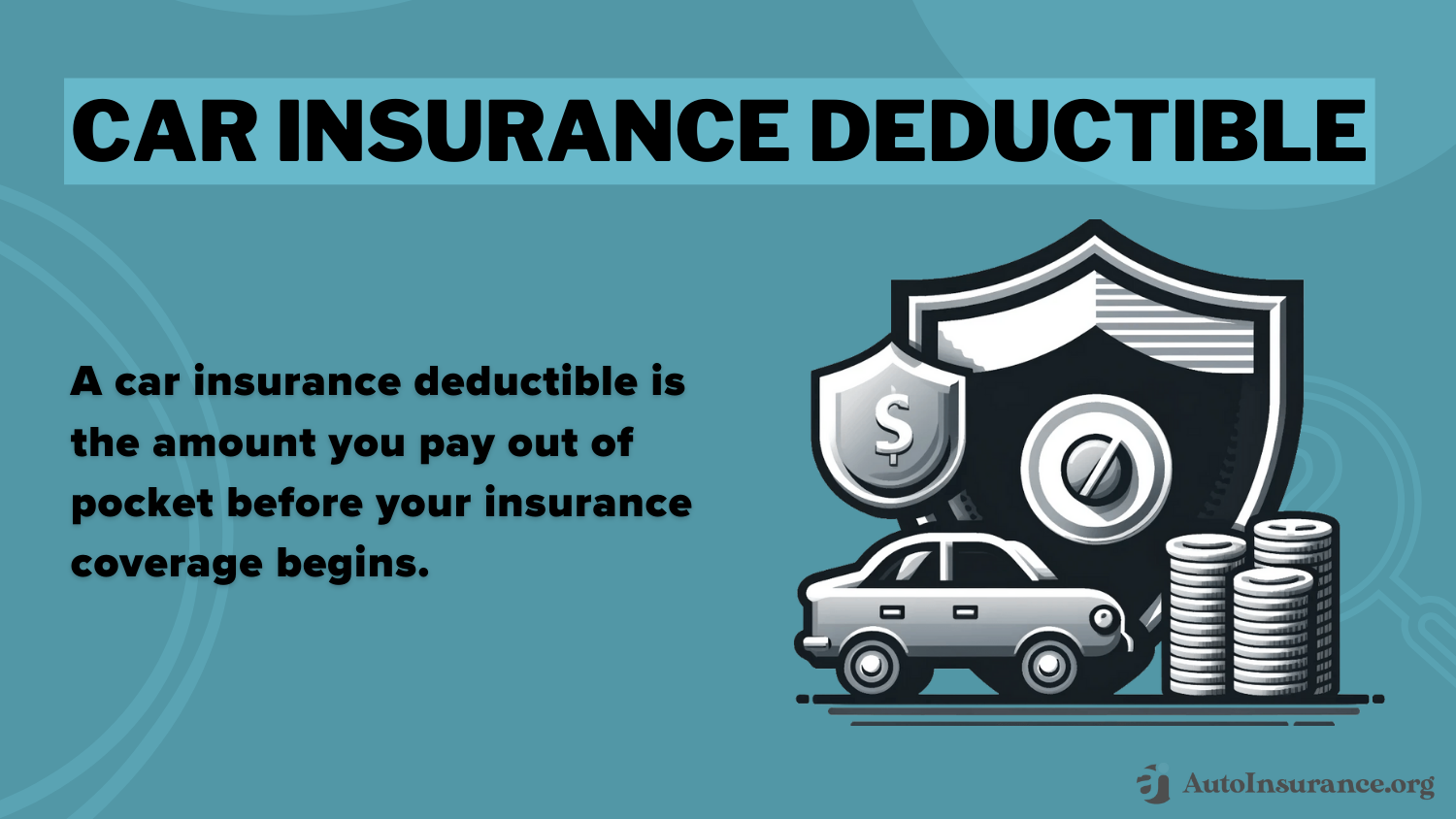
Everett has historically faced challenges regarding vehicle prowls and catalytic converter thefts. In the Riverside area, which features many street-parked vehicles due to the older architectural style of homes lacking large garages, the risk of theft and vandalism is a major component of insurance pricing. This makes the deductible choice on a comprehensive policy a critical financial decision. A lower deductible ($250 or $500) might increase the monthly premium but provides essential peace of mind for those parking on the street near Summit Park or the Riverside trailheads.
Credit-Based Insurance Scores
As of 2026, the use of credit-based insurance scores remains a point of regulatory discussion in Washington. Following various legal challenges in the early 2020s, the Washington State Office of the Insurance Commissioner (OIC) continues to oversee how financial history impacts rates. For Riverside drivers, maintaining a healthy credit profile is often as important for insurance rates as maintaining a clean driving record.
Choosing the Right Coverage Mix for Riverside Residents
Effective insurance in Riverside is not just about having a policy; it is about having the right policy for the specific vulnerabilities of the Pacific Northwest.
Uninsured/Underinsured Motorist Coverage (UM/UIM)
Washington consistently ranks among the states with a significant percentage of uninsured drivers. In an urban environment like Everett, the risk of being hit by a driver without insurance is high. UM/UIM coverage is arguably the most important "optional" coverage for a Riverside resident. It steps in to pay for your medical bills and property damage when the at-fault party lacks the means to do so. In 2026, with the rising costs of living, more drivers are opting for minimum coverage or letting policies lapse, making UIM a non-negotiable for prudent owners.
Personal Injury Protection (PIP)
Unlike some states that use "Medical Payments" coverage, Washington offers Personal Injury Protection. PIP is highly valuable because it covers medical expenses, lost wages, and even essential services (like house cleaning) if you are injured in an accident, regardless of who was at fault. Because Riverside residents often commute to Seattle or Bellevue, where accident severity can be higher due to freeway speeds, having PIP ensures immediate access to care without waiting for a legal determination of fault.
2026 Comparison of Estimated Insurance Costs in Riverside
The following table provides an estimated look at monthly premiums for various driver profiles within the Riverside/98201 area. These figures reflect the 2026 market average for standard carriers like State Farm, Progressive, and Geico.
| Driver Profile | Coverage Level | Est. Monthly Premium (2026) | Primary Risk Factor |
|---|---|---|---|
| Young Adult (18-25) | State Minimum | $185 - $240 | Lack of experience, high density |
| Family (Two Drivers) | 100/300/100 + PIP | $210 - $290 | Multi-vehicle risk, higher liability |
| Commuter (I-5/Hwy 2) | Full Coverage + UIM | $160 - $215 | High mileage, collision probability |
| Senior (65+ / Retired) | Comprehensive Focus | $95 - $135 | Lower mileage, property theft risk |
| Clean Record/Homeowner | Full Coverage + Bundle | $110 - $150 | Loyalty discounts, low risk |
Note: These are estimates. Actual rates vary based on vehicle type, specific street address, and individual claim history.
The Role of Telematics and Usage-Based Insurance (UBI)
By 2026, the adoption of telematics—insurance programs that track driving behavior via smartphone apps or plug-in devices—has become the standard method for securing discounts in Everett. For Riverside drivers, this presents a unique opportunity.
If you are a Riverside resident who primarily works from home or takes the Everett Transit or Sound Transit buses, a UBI policy can lead to substantial savings. These programs reward "low-mileage" drivers and those who avoid "hard braking" or late-night driving. Given that Riverside is a walkable neighborhood with good access to the Everett Station, many residents find that they can save up to 30% on their premiums by proving their low-risk habits through telematics.
Navigating the Local Claims Process in Everett
If you are involved in an accident in Riverside, the local infrastructure dictates your next steps. For minor accidents with no injuries, the Everett Police Department often directs drivers to file a Citizen Grain Report online to clear the roadway quickly.
When it comes to repairs, Riverside drivers benefit from several long-standing auto body shops located along the Broadway and West Marine View Drive corridors. Most national insurers have "preferred provider" networks in Everett. Using these shops can often expedite the claims process, as the insurer and the shop have pre-integrated estimating software, which is vital in 2026 to navigate the complex sensors and calibrations required for modern vehicles.
Common Mistakes Drivers Make in Snohomish County
- Underestimating the "Deer Factor": While Riverside is urban, its proximity to the Snohomish River valley means deer and other wildlife frequently wander into the northern residential streets. Drivers often forget to carry Comprehensive coverage, which is the only coverage that pays for animal strikes.
- Ignoring the Deductible vs. Premium Balance: Many drivers choose a high $1,000 deductible to save $10 a month. However, in an area where "hit and runs" or "prowls" are statistically higher than in rural areas, being unable to afford a $1,000 deductible can leave a driver stranded.
- Failing to Update Mileage: With the shift toward hybrid work models in 2026, many Everett residents drive significantly less than they did five years ago. Failing to report a shorter commute to your insurer is essentially leaving money on the table.
Frequently Asked Questions
Is auto insurance in the 98201 ZIP code more expensive than other parts of Everett?
Generally, 98201 (Riverside/Downtown) can be slightly more expensive than 98208 (Silver Lake) due to higher property crime statistics and the age of the infrastructure, which can contribute to more frequent accidents. However, it is often cheaper than 98204 (South Everett/Casino Rd area), which typically sees higher accident rates.
Does my policy cover damage from Snohomish River flooding?
Only if you have Comprehensive Coverage. Standard liability or collision insurance does not cover natural disasters or flooding. If you park your car in lower-lying areas near the river or in the Delta neighborhood adjacent to Riverside, Comprehensive coverage is essential.
How do Washington's 2026 insurance laws affect my Riverside policy?
Washington has maintained its "fault" based system, meaning the person who caused the accident is responsible for the damages. However, 2026 regulations have increased the scrutiny on how companies use "non-driving factors" like education and occupation to set rates, potentially leading to more equitable pricing for Riverside's diverse workforce.
Can I get a discount for taking the bus or train?
While there isn't a direct "bus discount," most insurers offer a "Low Mileage Discount." If you use public transit for your daily commute and your car stays parked in Riverside, you should report your annual mileage as being under 7,500 miles to trigger significant savings.
Does parking on the street in Riverside affect my rates?
Yes. Most insurance applications ask whether the vehicle is garaged, kept in a driveway, or parked on the street. Street parking in an urban area like Riverside typically carries a slightly higher premium due to the increased risk of sideswipes, vandalism, and theft.
Practical Recommendation for Riverside Drivers
In 2026, the best strategy for a driver in Everett’s Riverside neighborhood is to prioritize Uninsured Motorist (UIM) and Personal Injury Protection (PIP) coverage. Given the neighborhood's mix of high-traffic transit routes and urban density, the statistical likelihood of an encounter with an underinsured driver is too high to ignore.
Before renewing your policy, use a telematics app for 30 days to establish a "safe driver" profile, which can offset the urban-density surcharges common in the 98201 ZIP code. Lastly, ensure your Comprehensive deductible is set at a level you can comfortably pay out of pocket, specifically to protect against the persistent risk of localized property crime and wildlife encounters near the river.
Image Gallery