How to Fade Hair Color Effectively: A Technical Guide for 2026
Fading hair color is the process of safely accelerating the degradation of oxidative or direct dyes to reach a lighter shade or a blank canvas without compromising structural hair integrity. By utilizing chemical chelators, pH-balancin...
Fading hair color is the process of safely accelerating the degradation of oxidative or direct dyes to reach a lighter shade or a blank canvas without compromising structural hair integrity. By utilizing chemical chelators, pH-balancing surfactants, or oxidative color removers, you can systematically remove unwanted pigment deposits while maintaining the hair’s internal disulfide bonds and moisture barrier.
Contents
Understanding the Chemistry of Pigment Removal
To effectively fade hair color, you must first distinguish between the two primary categories of hair dye: oxidative color (permanent/demi-permanent) and direct dyes (semi-permanent/fashion colors). Each requires a different removal mechanism based on its molecular size and bonding affinity to the hair cuticle.
- Oxidative Dyes: These utilize precursors that penetrate the cortex and develop into larger molecules through oxidation. To fade these, you need a reducing agent to shrink the molecules or a chemical remover to detach them from the keratin structure.
- Direct Dyes: These consist of pre-formed pigment molecules that deposit primarily on the surface or just beneath the cuticle. These are best removed via pH-shifting, surfactant-heavy cleansers, or solvent-based methods that disrupt the physical adhesion of the dye.
Professional-Grade Methods for Fading Permanent Color
When dealing with permanent dye, the goal is to reverse the oxidation process. In 2026, the industry standard relies on sulfur-based color reducers that safely shrink the dye molecules, allowing them to be rinsed out without the use of ammonia or bleach.
- Chemical Color Removers: Products like Color Oops or Malibu C CPR are highly effective at breaking the bonds of oxidative dyes. These are significantly less aggressive than bleaching agents and should be your first line of defense.
- Vitamin C Treatments: A mixture of crushed Vitamin C (ascorbic acid) and clarifying shampoo acts as a mild, acidic chelating agent. This helps to break down the pigment in semi-permanent and some demi-permanent formulations without further oxidizing the hair.
- Oil Soaks: For those with dry or porous hair, a hot oil treatment using coconut or olive oil can help soften the cuticle and facilitate the leaching of direct dye molecules over a period of several days.
Comparison of Fading Techniques
Selecting the right method depends on your current hair health, the type of dye applied, and your desired outcome. Refer to the table below for a technical breakdown of efficacy and safety metrics.
| Method | Best Used For | Risk Level | Primary Mechanism |
|---|---|---|---|
| Color Removers | Permanent / Demi-Permanent | Low | Reduction (Shrinking molecules) |
| Vitamin C / Clarifying Shampoo | Direct / Semi-Permanent | Moderate | Chelation / pH stripping |
| Baking Soda Paste | Stubborn Direct Dye | High (Drying) | Mechanical abrasion/alkaline pH |
| Bleach Bath (Soap Cap) | Heavy, dark pigment loads | Very High | Oxidation (Requires developer) |
The Technical Reality of Bleach Baths
A bleach bath, often referred to as a "soap cap," involves mixing a small amount of powdered lightener with developer and a large volume of clarifying shampoo. In 2026, this is considered a last-resort measure due to the potential for irreversible protein degradation.
If you must proceed with a bleach bath, ensure your hair’s porosity is assessed beforehand. Hair with high porosity will absorb the lightening mixture instantly, leading to uneven results or "banding." Always use a pH-bonding additive during the mixture to protect the hair’s internal structure, and monitor the development process in real-time, never exceeding 15–20 minutes.
Step-by-Step Execution for Safe Fading
Achieving a controlled fade requires a systematic approach to prevent patchy results or unwanted brassiness. Follow this technical workflow to ensure the most consistent outcome.
1. Preparation and Strand Testing
Before applying any chemical agent, perform a strand test on an inconspicuous section (usually at the nape of the neck). This confirms how your hair will react to the chosen method, particularly if you have previous chemical history such as perms or relaxers.
2. The Application Phase
- Apply to ends first: The ends of the hair are typically more porous and hold onto pigment longer. Apply your chosen remover or treatment to the mid-lengths and ends before touching the roots.
- Thermal Activation: If the product instructions allow, use a plastic cap to trap body heat. This accelerates the chemical reaction without the harshness of direct heat styling tools.
- Rinsing: Rinse for at least 10–15 minutes with warm, not hot, water. Proper rinsing is the most critical step to ensure the shrunken dye molecules are fully extracted from the hair shaft.
3. Post-Fading Stabilization
After any fading process, the hair’s pH will be slightly elevated. It is vital to use a low-pH, protein-rich conditioner to close the cuticle and restore structural integrity. Avoid using heat styling tools for at least 48 hours to prevent further dehydration.
Troubleshooting Common Issues
- The Color Returns: This happens if the hair was not rinsed long enough. If the dye molecules remain in the hair, they can re-oxidize when exposed to hydrogen peroxide (often found in styling products).
- Orange or Brassiness: This is a byproduct of lightening the underlying pigment. Use a professional-grade violet or blue-based toner to neutralize the unwanted warm tones.
- Uneven Fading: This usually stems from inconsistent porosity. Use a porosity-equalizing spray before applying color-removing treatments to ensure an even penetration.
Frequently Asked Questions
Will fading my hair cause permanent damage? Fading hair color is generally less damaging than bleaching, but it can cause significant dryness if the cuticle remains open for too long. By prioritizing moisture and protein replenishment after treatment, you can maintain hair health.
Can I re-color my hair immediately after fading? It is highly recommended to wait at least 72 hours before re-coloring. This allows the hair to rebalance its pH and ensures that all residual chemicals from the fading process have been fully neutralized or rinsed away.
Why does my hair feel rubbery after using a color remover? A rubbery texture indicates that the hair’s elasticity has been compromised, often due to an overly high pH or moisture depletion. Use a bond-building treatment and a deep conditioning mask to restore internal structural support.
Does sunlight help fade hair color naturally? UV rays act as a natural bleaching agent that breaks down hair pigment, but this process is uncontrollable and often leads to uneven, brassy results. It is also physically damaging to the hair cuticle, making it a poor alternative to professional products.
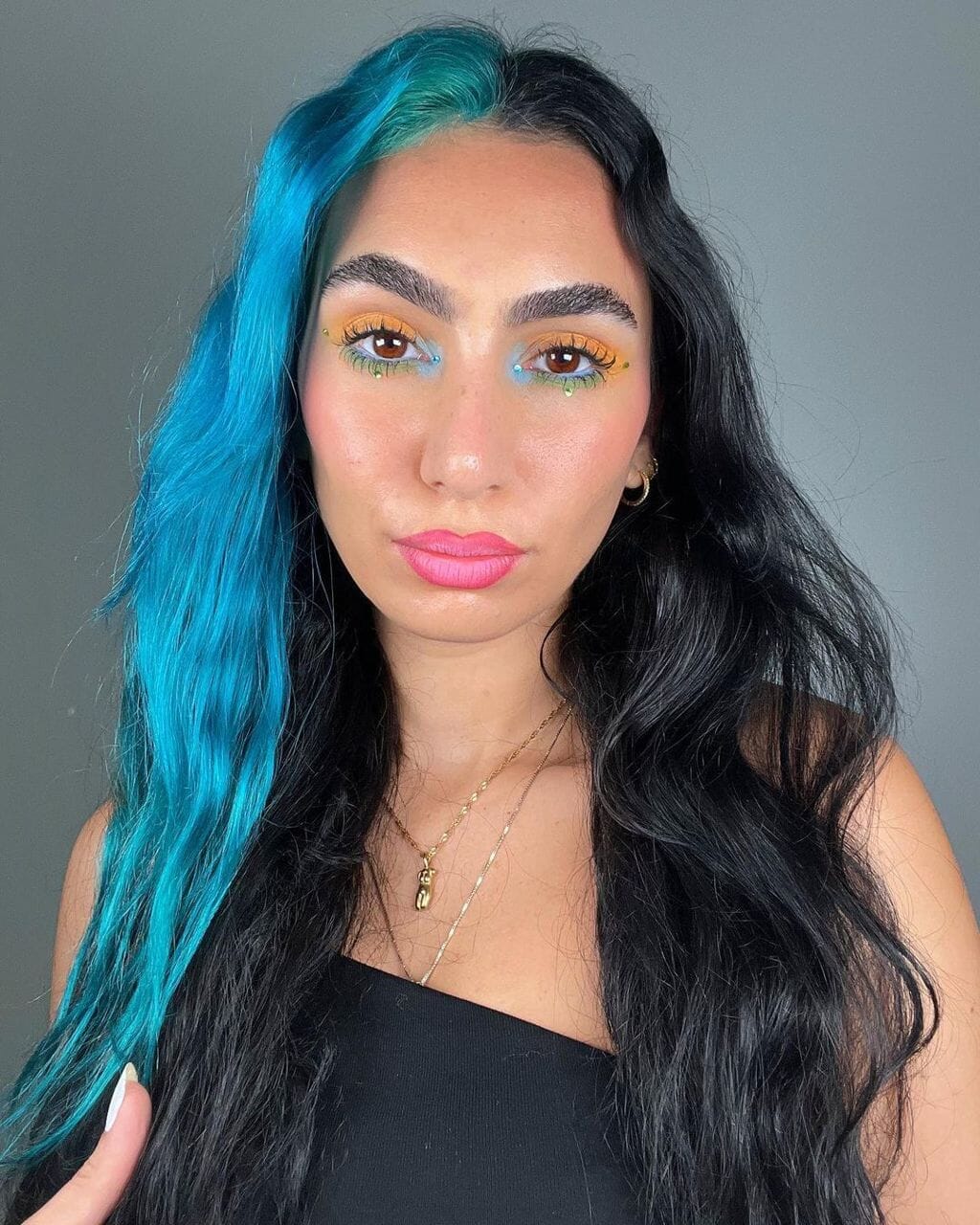
What is the safest way to remove fashion colors (pink, blue, green)? For fashion colors, a mixture of clarifying shampoo and crushed Vitamin C is the industry-standard starting point. These pigments are non-oxidative, meaning they do not require a chemical "remover" and respond best to alkaline stripping agents.
Strategic Recommendation
If you are attempting to remove a significant amount of pigment or if your hair has a history of multiple chemical processes, consult with a licensed professional colorist. They can provide a "color correction" service that uses professional-grade chelators and bonding technology far more effective than consumer-grade kits. To maintain your hair’s longevity and color health throughout 2026, prioritize a routine that includes weekly bond-building treatments and professional color-safe, sulfate-free cleansers.
Image Gallery