Hammer Toes in Spanish: Translation, Medical Terms, and Treatment Guide
The correct Spanish translation for "hammer toe" is dedo en martillo (plural: dedos en martillo). It describes a structural foot deformity where an abnormal bend develops in the middle joint of one or more toes. Understanding this cond...
The correct Spanish translation for "hammer toe" is dedo en martillo (plural: dedos en martillo). It describes a structural foot deformity where an abnormal bend develops in the middle joint of one or more toes. Understanding this condition in Spanish involves mastering key podiatric terminology, recognizing progressive symptoms, exploring conservative and surgical treatments, and using practical phrases during medical consultations.
Contents
Translating Hammer Toe: "Dedo en Martillo" and Related Deformities
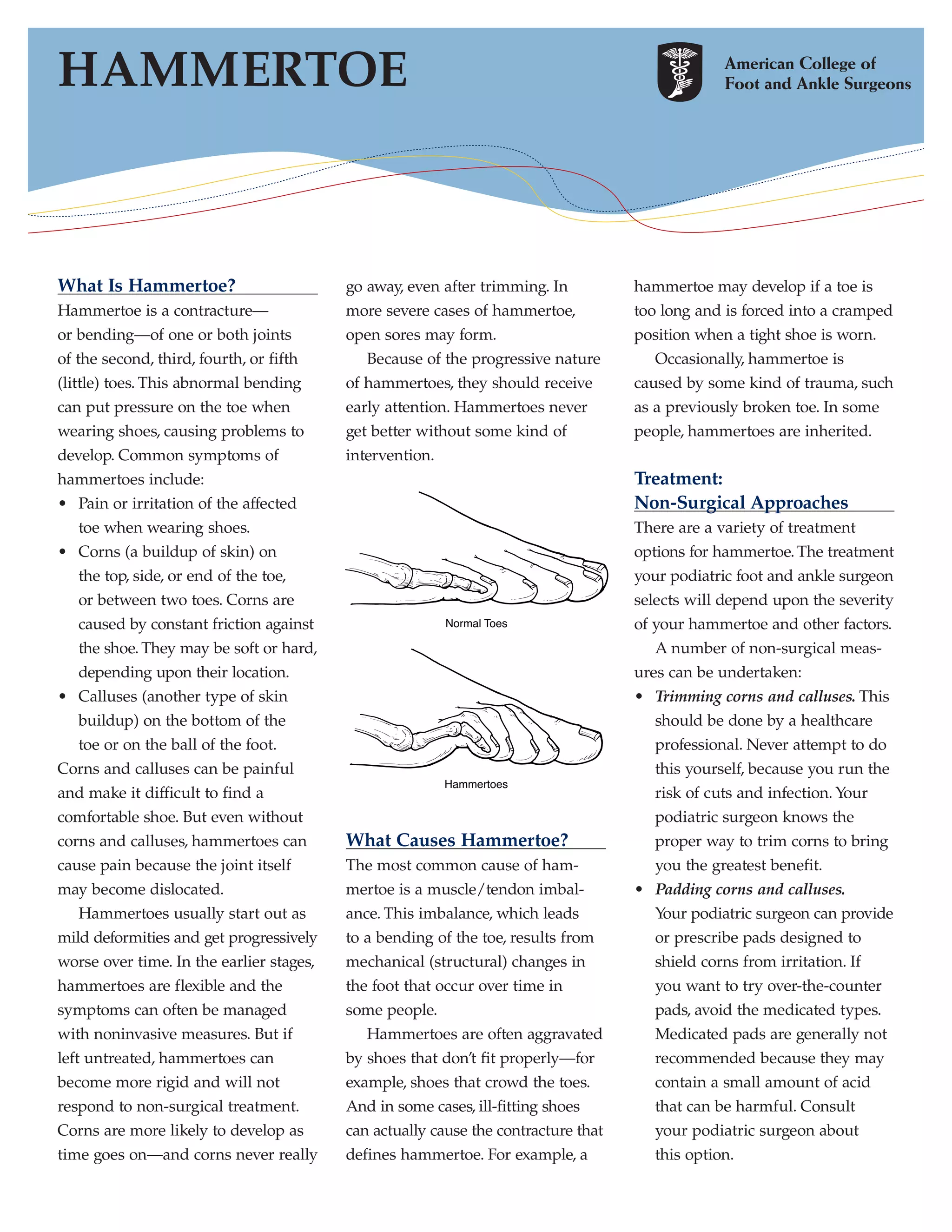
In clinical settings, precision is essential when describing lower extremity deformities. While dedo en martillo specifically designates a bend at the middle joint, healthcare professionals and native speakers distinguish between several distinct digital deformities of the foot (deformidades digitales del pie).
Hammer Toe (Dedo en martillo) -> Flexion at PIP joint Mallet Toe (Dedo en mazo) -> Flexion at DIP joint Claw Toe (Dedo en garra) -> Flexion at PIP & DIP + Extension at MTP joint
Understanding the precise anatomical landmarks helps differentiate these conditions in Spanish:
- Dedo en martillo (Hammer toe): The contracture occurs primarily at the proximal interphalangeal (articulación interfalángica proximal or PIP) joint. The end of the toe points downward, while the middle joint stays elevated.
- Dedo en mazo (Mallet toe): The flexural deformity occurs exclusively at the distal interphalangeal (articulación interfalángica distal or DIP) joint, affecting the toe tip.
- Dedo en garra (Claw toe): This condition involves upward extension at the metatarsophalangeal (articulación metatarsofalángica or MTP) joint accompanied by downward flexion at both the PIP and DIP joints. It often affects all smaller toes simultaneously and is frequently associated with underlying neurological conditions.
- Juanete (Bunion / Hallux Valgus): A bony bump forming on the joint at the base of the big toe. Bunions often alter forefoot mechanics, placing crowded pressure on adjacent toes and contributing directly to dedos en martillo.
Spanish Podiatry and Foot Care Glossary
Whether you are a medical interpreter, a clinician treating Spanish-speaking patients, or a patient seeking care in a Spanish-speaking environment, having a reliable vocabulary reference ensures clear communication.
| English Term | Spanish Translation | Phonetic / Context Guide | Clinical Description |
|---|---|---|---|
| Hammer toe | Dedo en martillo | DEH-doh en mar-TEE-yoh | PIP joint flexion contracture |
| Mallet toe | Dedo en mazo | DEH-doh en MAH-zoh | DIP joint flexion contracture |
| Claw toe | Dedo en garra | DEH-doh en GAH-rah | MTP extension with PIP/DIP flexion |
| Bunion | Juanete (Hallux valgus) | hwah-NEH-teh | Medial prominence of the 1st MTP joint |
| Corn / Callus | Callo / Heloma | KAH-yoh / eh-LOH-mah | Hyperkeratotic lesion from friction |
| Podiatrist | Podólogo / Podiatra | poh-DOH-loh-goh | Specialist in foot and ankle health |
| Orthotic inserts | Plantillas ortopédicas | plan-TEE-yahs or-toh-PEH-dee-kahs | Custom structural foot supports |
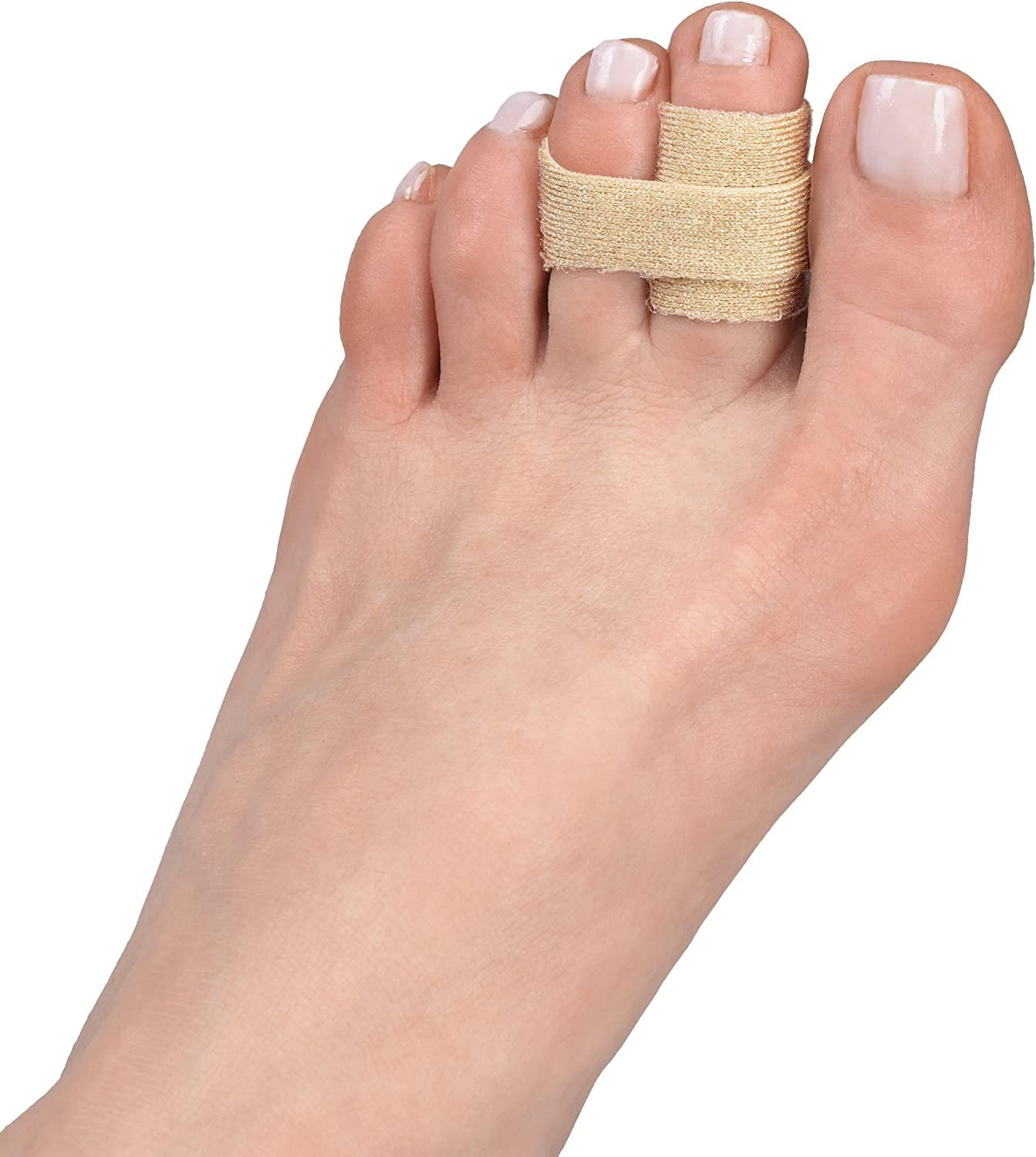
| Toe spacer / Separator | Separador de dedos | seh-pah-rah-DOR deh DEH-dohs | Silicone interdigital separator |
| Toe splint | Férula para dedos | FEH-roo-lah pah-rah DEH-dohs | Immobilization or realigning device |
| Forefoot | Antepié | an-teh-PYEH | Anterior region of the foot |
| Interphalangeal joint | Articulación interfalángica | ar-tee-koo-lah-SYOHN | Joint between toe phalanges |
| Tendon transfer | Transferencia tendinosa | trans-feh-REN-syah | Surgical repositioning of a tendon |
| Stiff / Rigid | Rígido / Inflexible | REE-hee-doh | Non-reducible joint deformity |
| Flexible | Flexible | flehk-SEE-bleh | Manually correctable joint position |
Anatomy, Etiology, and Risk Factors (Anatomía y Causas)
A hammer toe develops when there is an imbalance in the delicate system of tendons, ligaments, and muscles that keep the toes straight. Understanding the root cause is critical for effective management.
Muscle and Tendon Imbalance (Desequilibrio Muscular y Tendinoso)
The human toe relies on a balance between flexor tendons (which curl the toe downward) and extensor tendons (which pull the toe upward). If flexor tendons tighten excessively or intrinsic foot muscles weaken, the joint buckles upward into a classic hammer toe posture.
Poor-Fitting Footwear (Calzado Inadecuado)
Footwear plays a primary role in structural foot issues. High-heeled shoes (tacones altos) shift body weight forward into the forefoot, jamming toes against the front of the shoe. Shoes with narrow toe boxes (zapatos de puntera estrecha) squeeze the toes into flexed, crowded positions over long periods, eventually forcing joints out of alignment.
Structural Foot Type and Genetics (Estructura del Pie y Genética)
Inherited foot mechanics significantly increase susceptibility:
- Pies planos (Flat feet): Hypermobility and arch collapse cause muscle stabilization shifts that pull toes out of alignment.
- Pies cavos (High arches): Excessive arch height places disproportionate pressure on the metatarsal heads, causing toes to contract into a clawed or hammer shape.
- Long second toe (Pie de Morton): If the second toe is longer than the hallux (big toe), it buckles under front-of-shoe pressure.
Systemic Health Conditions (Enfermedades Sistémicas)
Certain health conditions pre-dispose individuals to joint deformities:
- Diabetes mellitus: Peripheral neuropathy can cause intrinsic muscle atrophy in the foot, altering biomechanics and leading to deformities.
- Rheumatoid arthritis (Artritis reumatoide): Inflammatory joint erosion destroys capsular support, causing severe digital deviations.
- Trauma (Traumatismo): Previous toe fractures or severe stubbing injuries can alter joint alignment during healing.
Clinical Progression and Symptoms (Síntomas y Clasificación)
Hammer toes do not develop overnight; they progress across distinct clinical stages. Early intervention is essential to prevent permanent joint fixation.
Stage 1: Flexible (Flexible) -> Joint can be manually straightened easily. Stage 2: Semi-rigid (Semirrígido) -> Resistance occurs during manual extension. Stage 3: Rigid (Rígido) -> Joint is fixed; severe pain with friction.
Common Symptoms
- Visible Bend (Deformidad visible): The middle joint of the second, third, or fourth toe remains elevated even when weight-bearing is removed.
- Hyperkeratosis (Callos y helomas): Friction against the top of tight shoes creates hard corns (callos dorsales) on the top joint, while pressure under the ball of the foot produces plantar calluses.
- Pain and Inflammation (Dolor e inflamación): Erythema (redness), swelling, and localized burning sensations develop around the involved interphalangeal joint.
- Impaired Gait (Dificultad al caminar): Pain alters the normal toe-off phase during walking, leading to secondary pain in the ankles, knees, or lower back.
Flexible vs. Rigid Hammer Toes
- Dedo en martillo flexible: In the early stage, the affected joint can still be manually moved and straightened. Conservative options, such as splinting and custom orthotics, work exceptionally well at this phase.
- Dedo en martillo rígido: Over time, tendons tighten and the joint capsule contracts permanently. The joint cannot be straightened manually. At this stage, non-surgical options primarily offer symptom relief rather than structural correction, and surgical intervention is often required.
Conservative and Non-Surgical Management (Tratamientos Conservadores)
When diagnosed early, most flexible hammer toes respond positively to non-invasive therapies designed to relieve pressure and realign the digit.
1. Footwear Modification (Cambio de Calzado)
Switching to shoes with a deep, wide toe box (puntera ancha y profunda) eliminates friction against top joints. Avoid shoes with heels higher than two inches (5 cm), as they increase pressure on the forefoot.
2. Orthotic Devices and Cushioning (Ortesis y Plantillas)
- Custom Orthotics (Plantillas ortopédicas a medida): Biomechanical arch supports relieve stress on the metatarsal heads and rebalance intrinsic muscle pull.
- Gel Toe Separators (Separadores de gel): Prevent friction between adjacent crowded toes.
- Silicone Caps and Crest Pads (Almohadillas y protectores de silicona): Protect the dorsal PIP joint from direct rubbing against shoe leather.
3. Targeted Exercises and Physical Therapy (Ejercicios de Fisioterapia)
Stretching tight flexor tendons maintains joint flexibility:
- Towel Curls (Rizo con toalla): Place a small towel flat on the floor and use your toes to scrunch and pull it toward you.
- Marble Pickup (Recogida de canicas): Use your toes to pick up marbles or small objects from the floor and place them into a bowl.
- Manual Toe Extension (Estiramiento manual): Gently pull the flexed toe upward and hold for 10–15 seconds to stretch contracted flexor tendons.
Surgical Options for Advanced Hammer Toes (Tratamientos Quirúrgicos)
When a hammer toe becomes rigid, severely painful, or leads to open skin ulcers (especially in diabetic patients), surgical correction (cirugía de dedo en martillo) is often indicated.
Common Surgical Procedures
- Arthroplasty (Artroplastia): The surgeon removes a portion of one of the small bones at the flexed interphalangeal joint, allowing the toe to lie flat.
- Arthrodesis (Artrodesis o Fusión Articular): The joint cartilage at the PIP joint is removed, and the two bone ends are held together with a pin, wire, or implant until they fuse straight.
- Tendon Transfer (Transferencia Tendinosa): Recommended for flexible deformities; flexor tendons are rerouted across the top of the toe to pull it into a straight position.
- Tenotomy (Tenotomía): Surgical release of a tight flexor tendon to release flexural tension.
Post-Operative Recovery (Recuperación Postoperatoria)
Most hammer toe surgeries are outpatient procedures (cirugía ambulatoria). Recovery guidelines include:
- Wearing a protective surgical shoe (calzado postquirúrgico) for 3 to 6 weeks.
- Keeping the foot elevated (mantener el pie elevado) above heart level to minimize postoperative edema.
- Avoiding heavy weight-bearing activities until bone fusion or soft-tissue healing is verified via X-rays (radiografías).
Doctor-Patient Communication: Spanish Clinical Phrases
Clear communication between patients and medical providers improves outcomes. The following conversational patterns help convey symptoms accurately in Spanish.
Useful Phrases for Patients (Frases para Pacientes)
- "Tengo un dolor muy fuerte en el segundo dedo del pie."(I have severe pain in my second toe.)
- "Se me está formando un callo duro en el nudillo del dedo."(A hard corn is forming on my toe knuckle.)
- "El zapato me roza mucho en la parte superior de los dedos."(My shoe rubs heavily against the top of my toes.)
- "¿Es necesario hacer una cirugía o puedo usar plantillas?"(Is surgery necessary, or can I use orthotics?)
Useful Phrases for Clinicians (Frases para Profesionales de la Salud)
- "Por favor, descalce ambos pies y siéntese en la camilla."(Please remove shoes and socks from both feet and sit on the exam table.)
- "Voy a intentar enderezar el dedo con la mano; dígame si siente dolor."(I am going to try to straighten your toe manually; tell me if you feel pain.)
- "Le recomiendo usar zapatos con una puntera más ancha."(I recommend using shoes with a wider toe box.)
- "Necesitamos tomar unas radiografías para evaluar la alineación ósea."(We need to take X-rays to evaluate bone alignment.)
Frequently Asked Questions
What is the exact translation of "hammer toe" in Spanish?
The accurate translation is dedo en martillo. If multiple toes are affected, use the plural form, dedos en martillo.
Is "dedo en garra" the same thing as "dedo en martillo"?
No. While both are digital foot deformities, a dedo en martillo primarily involves abnormal bending at the middle interphalangeal joint (PIP). A dedo en garra (claw toe) involves extension at the metatarsophalangeal joint along with bending at both interphalangeal joints.
How do you say "corn" or "callus" on a toe in Spanish?
The general term for a callus or corn is callo. In formal medical Spanish, a corn caused by friction on the toe joint is termed a heloma or heloma dorsal.
Can hammer toes be corrected without surgery?
Flexible hammer toes (dedos en martillo flexibles) can often be managed or realigned using wide shoes, custom orthotics (plantillas ortopédicas), silicone toe separators (separadores de gel), and physical therapy stretches. Rigid hammer toes usually require surgical correction (cirugía) for permanent realignment.
What kind of doctor treats hammer toes in Spanish-speaking countries?
In Spanish-speaking countries, foot conditions are evaluated and treated by a podólogo (podiatrist) or a cirujano ortopédico (orthopedic surgeon specializing in foot and ankle care).
Next Steps and Recommendations
If you suspect you or a patient has a hammer toe, taking early action is key to preventing long-term stiffness:
- Inspect Footwear: Replace narrow, pointed, or high-heeled shoes with footwear featuring a wide, high-volume toe box.
- Incorporate Daily Stretches: Perform toe-curling and manual extension exercises daily to keep flexor tendons flexible.
- Consult a Professional: Schedule an examination with a licensed podiatrist (podólogo) to determine whether the deformity is flexible or rigid and to receive custom orthotic guidance.
Disclaimer: This guide is intended strictly for educational and linguistic purposes and does not constitute formal medical advice. Always consult a certified podiatrist or healthcare provider for diagnosis and medical treatment of foot disorders.
Image Gallery