Understanding the Nikola EV Truck: Performance, Technology, and Operational Reality
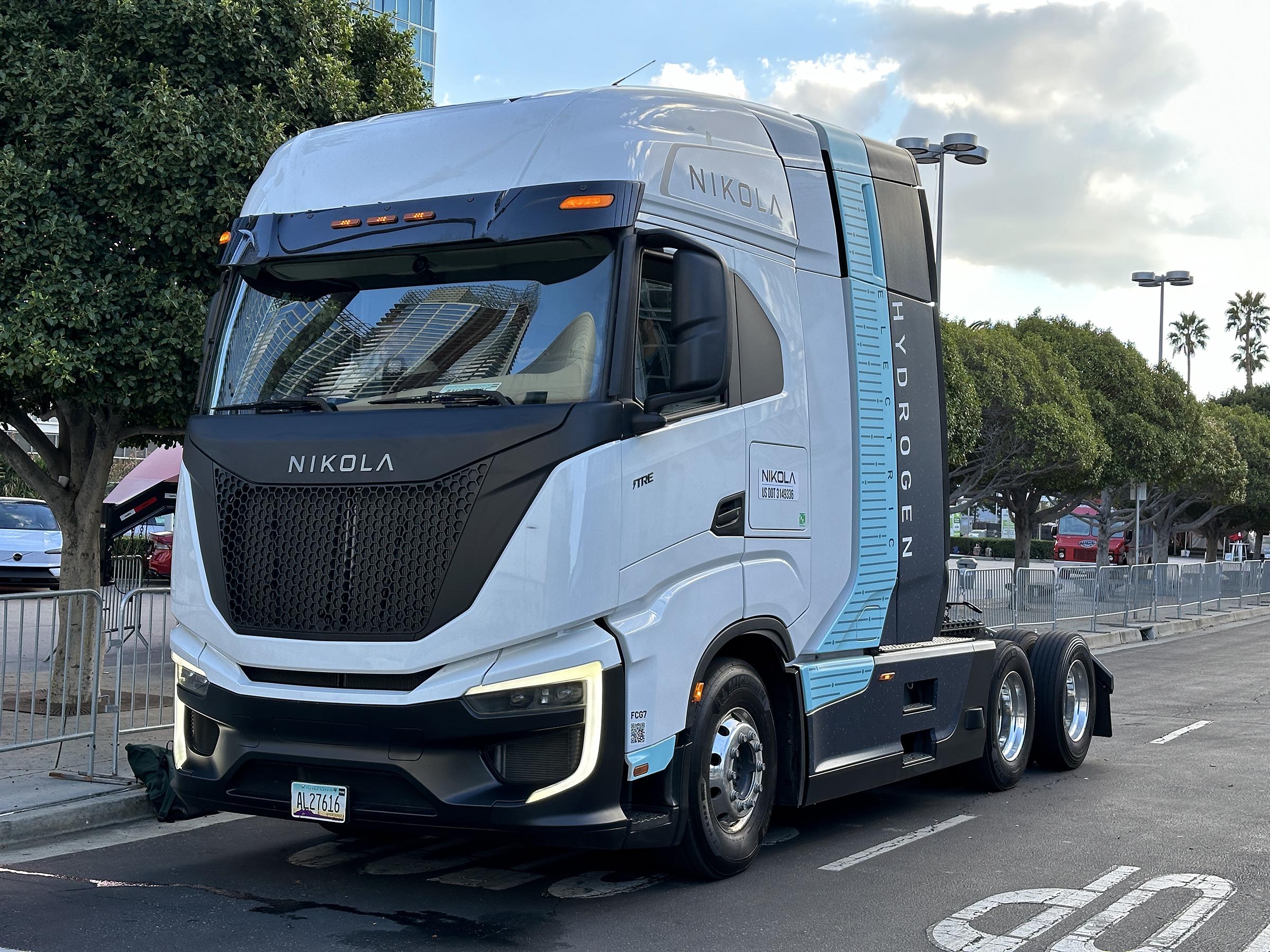
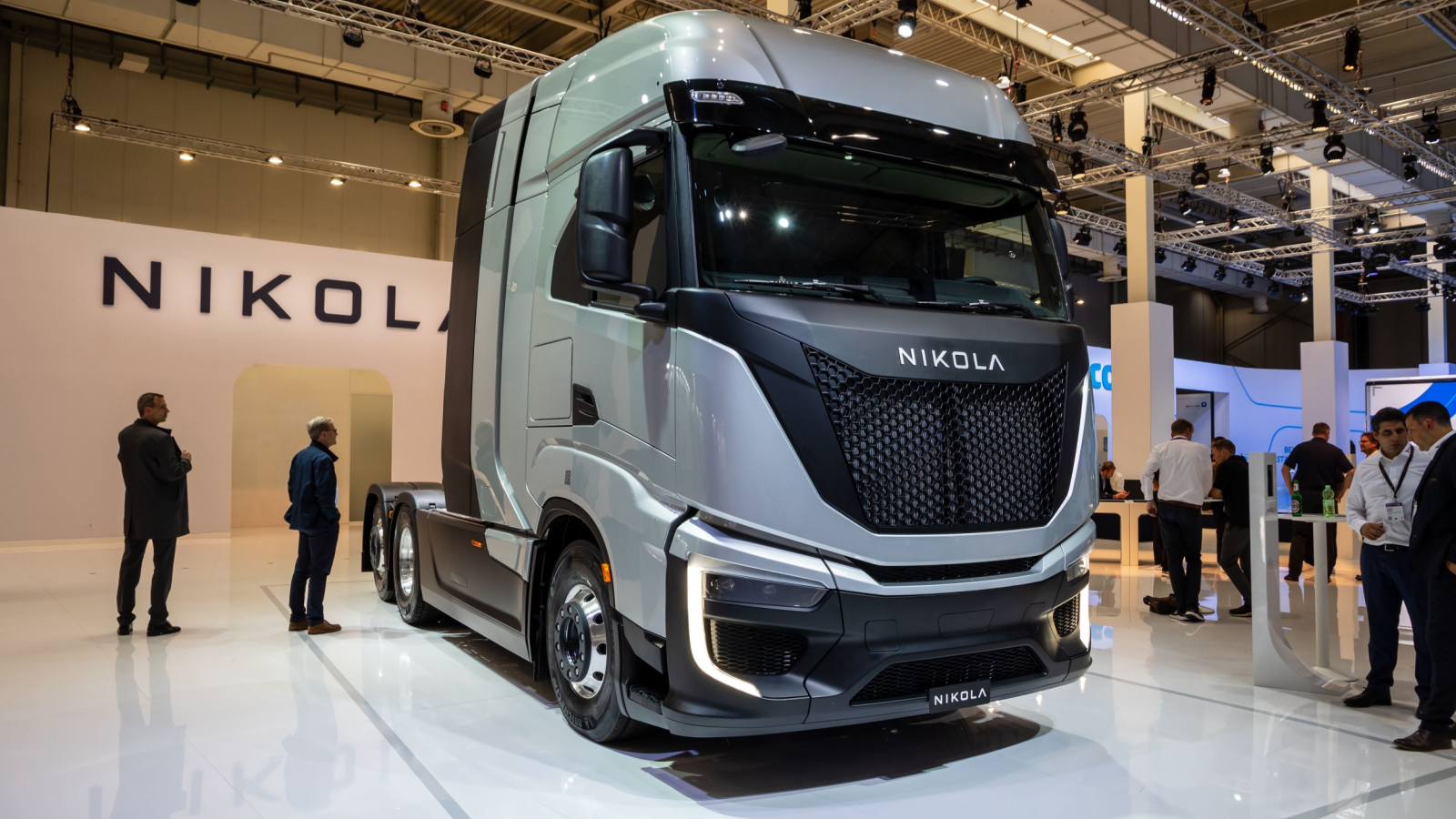
The Nikola electric vehicle truck platform primarily centers on the Nikola Tre, a Class 8 heavy-duty vehicle available in both battery-electric vehicle (BEV) and hydrogen fuel cell electric vehicle (FCEV) configurations. Designed for s...
The Nikola electric vehicle truck platform primarily centers on the Nikola Tre, a Class 8 heavy-duty vehicle available in both battery-electric vehicle (BEV) and hydrogen fuel cell electric vehicle (FCEV) configurations. Designed for short-haul port drayage and regional distribution, these trucks integrate proprietary electric drivetrain technology with standard commercial chassis architecture to provide zero-emission logistics solutions.
Contents
The Nikola Tre BEV and FCEV Platforms
Nikola Corporation’s approach to the heavy-duty truck market is bifurcated into two distinct technologies, each addressing specific operational constraints within the trucking industry. By 2026, the company has stabilized its focus on these two variants, reflecting a pragmatic shift toward the specific use cases of fleet operators.
Battery-Electric Vehicle (BEV)
The Nikola Tre BEV is optimized for urban and regional operations where charging infrastructure is accessible and route profiles are predictable. It utilizes a high-capacity lithium-ion battery pack, providing a range suitable for repetitive, short-distance cycles. The primary advantage of the BEV platform is its mechanical simplicity compared to internal combustion engines and its efficiency in stop-and-go traffic, where regenerative braking helps recover energy.
Hydrogen Fuel Cell Electric Vehicle (FCEV)
The FCEV variant represents Nikola’s solution for long-haul transport. By using a hydrogen fuel cell stack to generate electricity on board, the truck overcomes the weight and charging-time limitations associated with massive battery packs required for long-distance travel. The FCEV offers a significantly faster refueling time—akin to diesel—which is essential for maintaining strict delivery schedules in logistics corridors.
Technical Specifications and Performance Metrics
To understand the feasibility of adopting Nikola trucks, fleet managers must evaluate how these vehicles perform against traditional diesel equivalents. The following table highlights the critical performance considerations for the FCEV and BEV models.
| Specification | Nikola Tre BEV | Nikola Tre FCEV |
|---|---|---|
| Primary Powertrain | Lithium-ion Battery | Hydrogen Fuel Cell |
| Typical Range | Approx. 330 miles | Approx. 500 miles |
| Refueling/Charging | 10% to 80% in ~90 mins | 10 to 20 minutes |
| Gross Combination Weight | Up to 82,000 lbs | Up to 82,000 lbs |
| Best Operational Use | Port drayage / Regional | Long-haul logistics |
Note: Performance metrics such as range are estimates based on standard operating conditions. Actual range varies significantly based on payload weight, climate, driver behavior, and route elevation.
Operational Requirements and Infrastructure
Transitioning a fleet to Nikola EV trucks involves more than just vehicle acquisition; it requires a comprehensive reassessment of refueling or charging logistics.
Charging Infrastructure for BEVs
For BEV operators, the primary constraint is the site’s electrical capacity. Charging a Class 8 electric truck requires significant power output, often necessitating upgrades to local electrical grids and the installation of high-voltage DC fast-charging stations. Fleet operators must perform a site feasibility study to ensure their terminals can support simultaneous charging of multiple vehicles without triggering peak-demand pricing spikes from utility providers.
Hydrogen Refueling for FCEVs
FCEVs require access to compressed hydrogen. In 2026, the availability of high-pressure hydrogen stations remains a critical bottleneck for widespread adoption. Nikola has historically pursued a strategy of partnering with third-party hydrogen providers and facilitating modular refueling solutions. Before committing to an FCEV fleet, organizations must verify the proximity of hydrogen sources to their primary routes to avoid "deadhead" miles—the distance traveled without cargo to reach a fueling station.
Maintenance and Ownership Costs
The total cost of ownership (TCO) for a Nikola electric truck differs fundamentally from that of a diesel vehicle. Maintenance cycles for electric drivetrains are generally shorter and less complex, as these vehicles contain fewer moving parts than internal combustion engines. There is no requirement for oil changes, transmission flushes, or exhaust system maintenance.
However, operators must account for:
- Tire wear: Due to the instant torque provided by electric motors and the heavy weight of battery/fuel cell packs, tire replacement frequency may increase.
- Component life: The longevity of the battery or fuel cell stack remains a significant variable in the long-term TCO.
- Warranty terms: Operators should carefully review Nikola’s specific service agreements, as high-voltage component repairs often require specialized training and equipment, limiting the ability of in-house fleet mechanics to perform all repairs.
Critical Considerations for Fleet Managers
Before integrating Nikola EV trucks, managers should assess their operational readiness.
- Route Mapping: Analyze current routes for energy consumption. High-incline routes will deplete battery range significantly faster than flat terrain, making FCEVs a safer bet for mountainous or long-distance geography.
- Regulatory Compliance: Many jurisdictions offer subsidies, tax credits, or rebates for zero-emission vehicle (ZEV) adoption. 2026 regulations often prioritize or mandate the transition to zero-emission commercial vehicles in specific regions, such as ports.
- Training: Drivers require orientation regarding the differences in power delivery, regenerative braking, and refueling protocols. Ensuring the workforce is comfortable with these new systems is essential for maximizing operational efficiency.
Frequently Asked Questions
What is the expected lifespan of a Nikola FCEV fuel cell stack?
While actual longevity depends on duty cycles and maintenance, manufacturers typically design fuel cell stacks to provide several years of service before requiring a stack replacement. Refer to your specific vehicle purchase agreement for the guaranteed service life and degradation limits.
Can Nikola BEV trucks use standard public charging stations?
No. Nikola Tre BEV trucks require heavy-duty DC fast chargers compatible with the specific charging ports and power requirements of Class 8 commercial vehicles. Standard passenger vehicle charging infrastructure is insufficient and often physically inaccessible for large trucks.
How does weather affect the range of these trucks?
Extreme temperatures significantly impact battery performance and the efficiency of the hydrogen fuel cell thermal management systems. In colder climates, heating the cabin and the battery pack can reduce the operational range by 20% or more compared to temperate conditions.
Are there government incentives for buying Nikola trucks in 2026?
Many federal and state-level incentives exist for zero-emission commercial vehicles. These programs change annually; you should consult with local environmental agencies or a specialized grant consultant to determine current eligibility and application deadlines for your specific region.
Is the Nikola hydrogen truck safer than a diesel truck?
The safety of hydrogen systems is governed by stringent international standards regarding tank integrity, leak detection, and emergency venting. While hydrogen is highly flammable, the fuel tanks and delivery systems are designed to exceed the crash-safety standards required for heavy-duty vehicles.
Next Steps for Adoption
If your organization is considering the transition to Nikola EV trucks, the recommended first step is to conduct a pilot study. Select a single, controlled route with reliable charging or hydrogen access to monitor performance, driver feedback, and energy costs. Engaging with a Nikola representative to perform a detailed duty-cycle analysis will help determine whether the BEV or FCEV platform provides the best return on investment for your specific logistical demands. By verifying your infrastructure needs before finalizing a vehicle purchase, you mitigate the risk of operational disruption and optimize your transition to an electrified fleet.
Image Gallery