Staying Aware of Key Cloud Security Concepts for Private Public and Hybrid Cloud
Maintaining cloud security awareness in 2026 requires a deep understanding of the Shared Responsibility Model, Zero Trust architectures, and the nuances of data sovereignty across different deployment models. By prioritizing identity-c...
Maintaining cloud security awareness in 2026 requires a deep understanding of the Shared Responsibility Model, Zero Trust architectures, and the nuances of data sovereignty across different deployment models. By prioritizing identity-centric security, automated posture management, and consistent encryption standards, organizations can effectively mitigate risks inherent in public, private, and hybrid cloud environments.
Contents
The rapid evolution of cloud services has transformed traditional IT perimeters into dynamic, software-defined ecosystems. As of 2026, the complexity of managing these environments has increased due to the proliferation of multi-cloud strategies and the integration of artificial intelligence into both defensive and offensive cybersecurity operations. Staying aware of key concepts is no longer just a technical requirement for IT staff; it is a fundamental business necessity for protecting intellectual property and maintaining regulatory compliance.
Understanding the Core Cloud Deployment Models
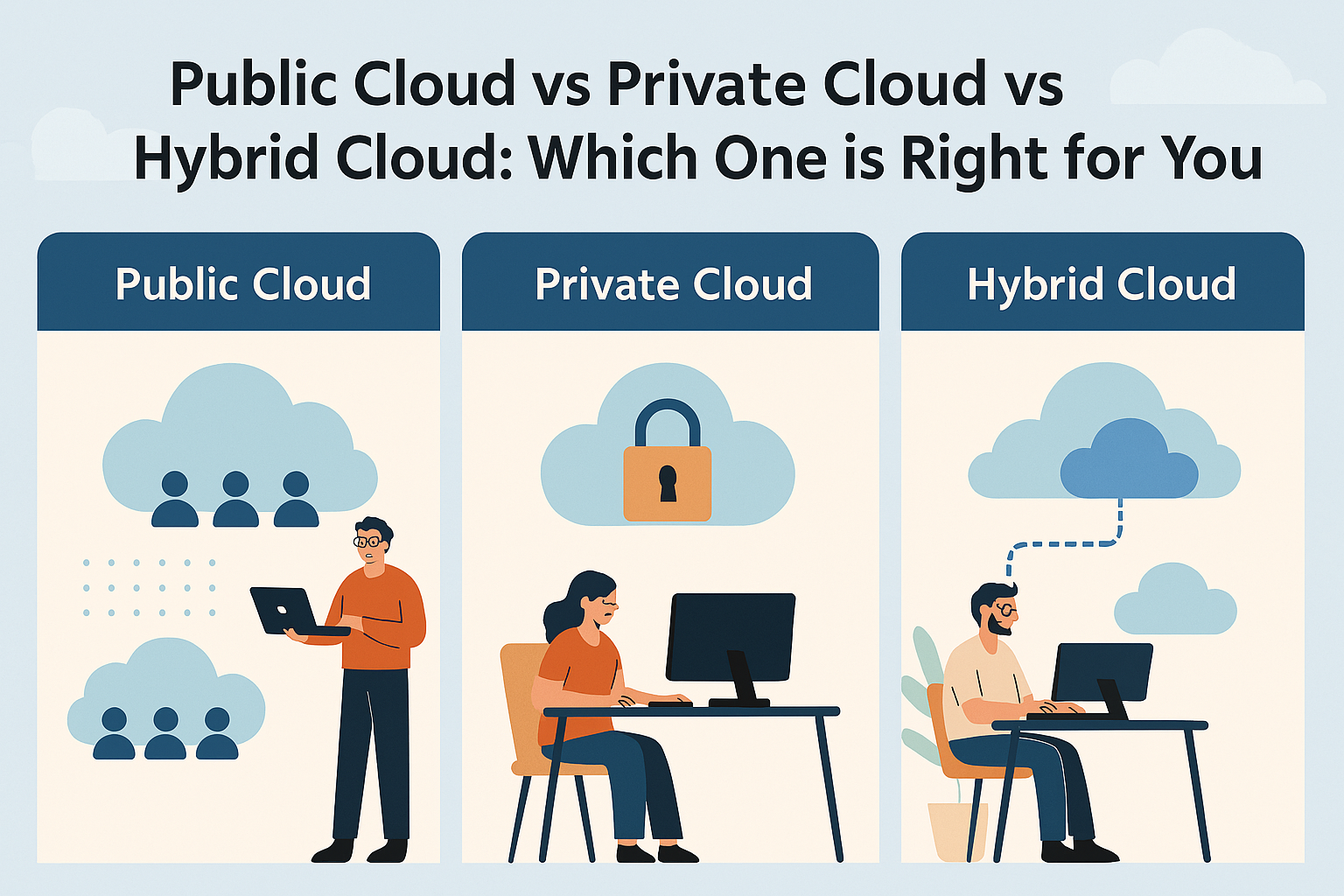
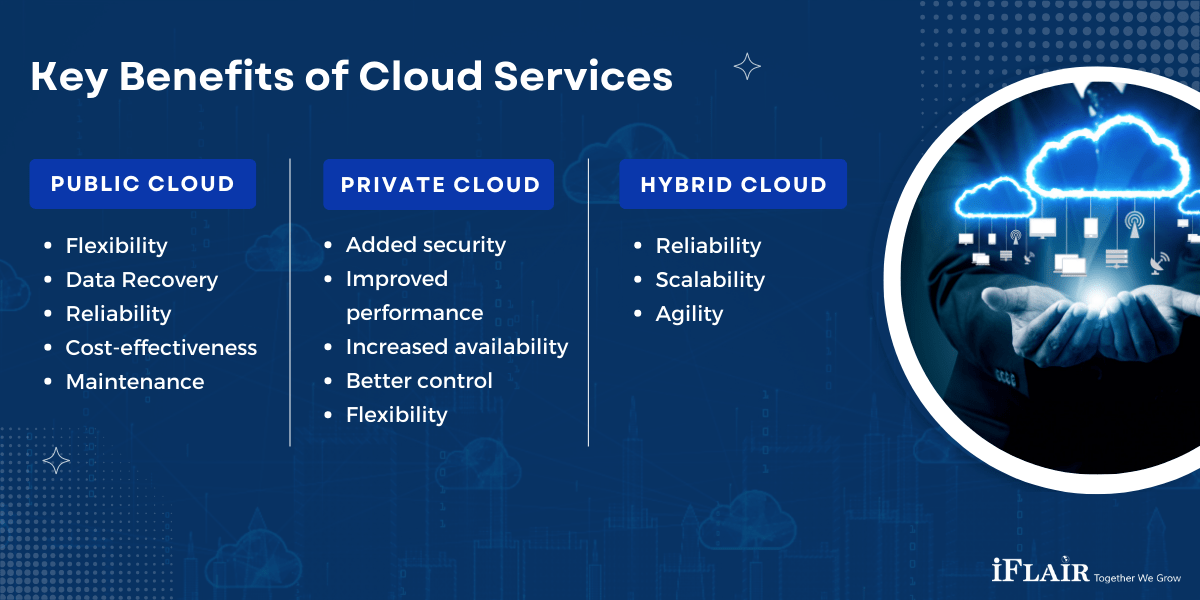
To effectively secure a cloud environment, one must first distinguish between the three primary deployment models. Each carries a unique risk profile and requires a specific approach to security management.
Public Cloud Security
Public clouds, provided by organizations like Amazon Web Services (AWS), Microsoft Azure, and Google Cloud Platform (GCP), operate on a multi-tenant architecture. The primary security concern here is isolation. While the provider secures the underlying infrastructure, the customer is responsible for everything "in" the cloud, including data, applications, and identity management. In 2026, public cloud security heavily relies on automated Cloud Security Posture Management (CSPM) tools to detect misconfigurations in real-time.
Private Cloud Security
Private clouds are dedicated to a single organization. They can be hosted on-premises or by a third-party provider. The advantage is total control over the hardware and software stack, which is often a requirement for highly regulated industries like defense or healthcare. However, the burden of security falls almost entirely on the internal IT team, including physical security, hardware lifecycle management, and network patching.
Hybrid Cloud Security: The Greatest Challenge
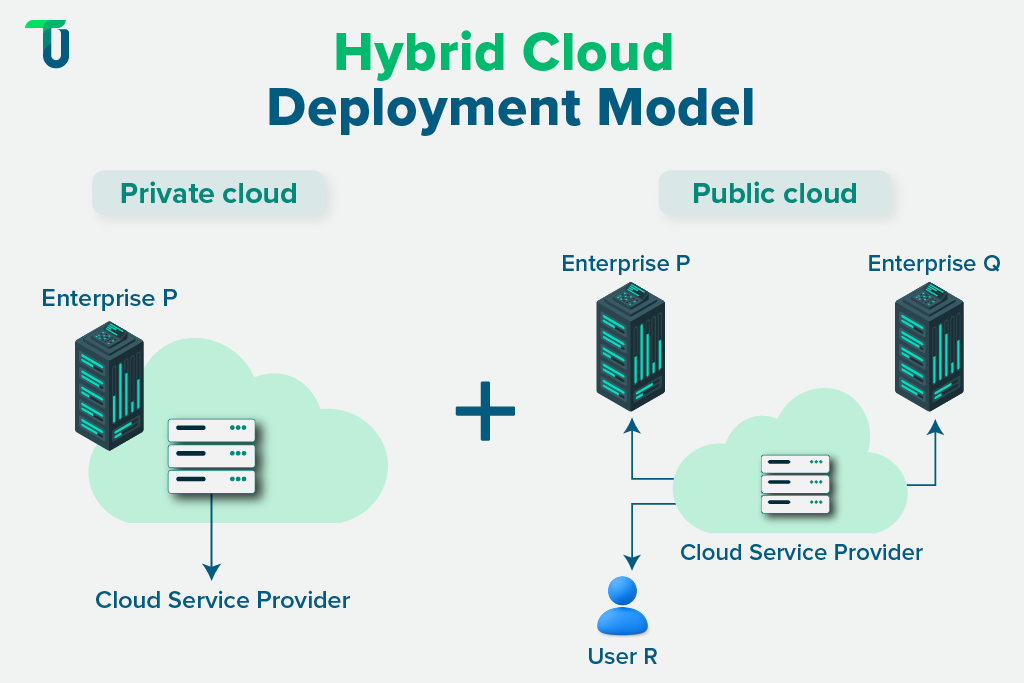
Hybrid cloud environments combine public and private clouds, often connected by proprietary technology or Virtual Private Networks (VPNs). This model offers the most flexibility but introduces significant complexity. Data moving between a secure private environment and a scalable public environment creates a broader attack surface. Security awareness in this context must focus on "interoperability," ensuring that security policies are consistent across disparate platforms.
The Shared Responsibility Model in 2026
The Shared Responsibility Model remains the cornerstone of cloud security. It dictates that the cloud provider is responsible for the security of the cloud (the global infrastructure, hardware, and facilities), while the customer is responsible for security in the cloud.
However, the line of demarcation shifts depending on the service model:
- Infrastructure as a Service (IaaS): The customer has the most responsibility, managing the operating system, middleware, and applications.
- Platform as a Service (PaaS): The provider manages the OS and runtime, while the customer focuses on application security and data.
- Software as a Service (SaaS): The provider manages almost everything, but the customer remains responsible for data backup, user access, and configuration settings.
Misunderstanding this model is a leading cause of data breaches. Organizations often incorrectly assume the provider handles all backups or encryption, leading to "security gaps" that attackers exploit.
Critical Security Concepts for Modern Cloud Environments
Staying aware of security means keeping pace with several foundational concepts that have become industry standards as of 2026.
1. Identity and Access Management (IAM)
In the cloud, Identity is the new perimeter. Traditional firewalls are less effective when users access resources from various locations and devices. IAM involves managing digital identities and ensuring the right individuals have the correct access to resources. This includes implementing Multi-Factor Authentication (MFA), Single Sign-On (SSO), and the Principle of Least Privilege (PoLP), where users are given only the minimum permissions necessary to perform their jobs.
2. Zero Trust Architecture (ZTA)
Zero Trust is a security framework based on the principle of "never trust, always verify." Regardless of whether a user is inside or outside the corporate network, every request for access to a system must be authenticated, authorized, and encrypted. This is particularly vital for hybrid clouds, where the "internal" network is no longer a safe zone.
3. Data Sovereignty and Residency
With the tightening of global data protection laws, understanding where your data physically resides is paramount. Data sovereignty refers to the idea that data is subject to the laws and governance structures within the nation it is collected. For hybrid and public clouds, organizations must ensure their providers comply with local regulations such as the GDPR in Europe or the CCPA in California, as well as newer 2026 sovereign cloud mandates in various jurisdictions.
4. Encryption: At Rest, In Transit, and In Use
Encryption is the final line of defense. While encrypting data at rest (on disks) and in transit (over the network) is standard, 2026 has seen the maturation of Confidential Computing. This technology allows for the encryption of data while it is being processed in memory, providing protection even against privileged users or compromised hypervisors.
Comparing Security Requirements by Cloud Type
The following table outlines how different security responsibilities are distributed across the three main cloud models.
| Security Aspect | Public Cloud | Private Cloud | Hybrid Cloud |
|---|---|---|---|
| Physical Security | Provider Managed | Organization Managed | Shared (Provider & Org) |
| Network Infrastructure | Provider Managed | Organization Managed | Complex/Synchronized |
| Operating System Patching | Customer Managed (IaaS) | Organization Managed | Mixed Responsibility |
| Data Encryption | Customer Managed | Organization Managed | Consistent Policy Needed |
| IAM Implementation | Customer Managed | Organization Managed | Federated Identity Req. |
| Compliance Audits | Shared (SOC2/ISO) | Internal Responsibility | Multi-tier Auditing |
Strategic Approaches to Maintaining Awareness
To remain secure in 2026, organizations must move beyond static security policies and embrace continuous monitoring and automated remediation.
Implementing Cloud Security Posture Management (CSPM)
CSPM tools are essential for public and hybrid environments. They continuously monitor cloud infrastructure for gaps in security policy, such as unencrypted buckets, open ports, or overly permissive IAM roles. By 2026, these tools have integrated AI to predict potential attack paths before they are exploited.
Adopting DevSecOps
Security awareness must be integrated into the software development lifecycle. DevSecOps shifts security "to the left," meaning security checks are performed during the coding and testing phases rather than after deployment. This ensures that applications are secure by design, reducing the number of vulnerabilities that reach the production cloud environment.
The Role of Cloud Workload Protection Platforms (CWPP)
While CSPM focuses on the configuration of the cloud itself, CWPP focuses on the workloads (containers, virtual machines, and serverless functions) running inside the cloud. For hybrid clouds, a unified CWPP solution is necessary to provide visibility across both the private data center and the public cloud instances.
Common Pitfalls in Cloud Security
Even with high awareness, organizations often fall into specific traps:
- Shadow IT: Employees using unauthorized cloud services (SaaS) without the knowledge of the IT department, creating unmanaged data silos.
- Insecure APIs: Cloud services communicate via APIs. If these are not properly secured with authentication and rate-limiting, they become primary entry points for attackers.
- Lack of Egress Monitoring: Many organizations focus on what comes into the cloud but ignore what goes out. Monitoring egress traffic is vital for detecting data exfiltration.
Frequently Asked Questions
What is the biggest difference between private and public cloud security?
The biggest difference lies in control and responsibility. In a private cloud, the organization owns the entire stack, providing maximum control but requiring significant resources for maintenance. In a public cloud, the provider manages the underlying infrastructure, allowing the organization to focus on data and applications, but within the constraints of the provider's security ecosystem.
How does the Shared Responsibility Model change in a hybrid setup?
In a hybrid setup, the model becomes more complex because the organization must manage its own responsibilities for the private segment while simultaneously managing its portion of the provider's model for the public segment. The challenge is ensuring that security policies are "federated"—meaning they are applied consistently across both environments so that no gaps exist at the transition points.
What are the top cloud security threats in 2026?
Top threats in 2026 include AI-generated phishing and social engineering, automated credential stuffing, sophisticated supply chain attacks targeting cloud service providers, and misconfigurations resulting from the increasing complexity of multi-cloud architectures. Ransomware specifically targeting cloud-native backups is also a major concern.
Why is Zero Trust essential for hybrid clouds?
Zero Trust is essential because hybrid clouds dissolve the traditional network perimeter. Users and data move fluidly between private servers and public cloud instances. By assuming that no part of the network is inherently secure, Zero Trust ensures that every access attempt is verified, which prevents attackers from moving laterally through the network if they gain access to a single point.
What is "Confidential Computing" and why is it important?
Confidential Computing is a cloud security concept that protects data in use by performing computations in a hardware-based, isolated Trusted Execution Environment (TEE). This ensures that even if the underlying operating system or hypervisor is compromised, the data being processed remains encrypted and inaccessible to unauthorized parties.
Final Recommendation for Cloud Stakeholders
For organizations operating in 2026, the most effective way to stay aware of cloud security concepts is to implement a Unified Security Operations Center (vSOC) that leverages AI-driven analytics. This approach consolidates logs and alerts from private, public, and hybrid environments into a single pane of glass. By automating the response to common misconfigurations and focusing human expertise on high-level threat hunting and strategic architecture, businesses can maintain a robust security posture in an increasingly volatile digital landscape.
Image Gallery