Chavo Meaning in Spanish: A Multiregional Overview
The term chavo is a widely used Spanish slang word primarily meaning "boy," "kid," or "young man," though its precise social connotation, frequency of use, and secondary meanings vary significantly across Latin America, Spain, and immi...
The term chavo is a widely used Spanish slang word primarily meaning "boy," "kid," or "young man," though its precise social connotation, frequency of use, and secondary meanings vary significantly across Latin America, Spain, and immigrant communities in the United States.
Contents
To fully understand chavo, one must look beyond a single dictionary definition. The word functions as a cultural barometer across the Spanish-speaking world, shifting from an affectionate term for a child in Mexico to a descriptor for money in Cuba, or a working-class youth in Puerto Rico. This multiregional overview explores the etymological roots, regional variations, grammatical usage, and cultural footprint of a word that bridges generations and nationalities.
Etymology and Linguistic Roots
The linguistic evolution of chavo is closely tied to historical contact between Spanish and indigenous languages, alongside archaic Iberian terms. Most lexicographical sources, including the Real Academia Española (RAE), link chavo and its variants to historical terms for small denomination currency or young individuals, though the exact historical pivot remains a subject of ongoing linguistic study.
In many regions, chavo evolved alongside its feminine counterpart, chava, as well as related verbs like chavar (to bother or annoy in certain contexts) or chaviza (a collective term for youth). While standard Spanish prefers words like niño, muchacho, or joven, colloquial speech favors chavo for its informal, approachable register. It breaks down social barriers, transforming a neutral description of age into an expression of camaraderie or familiarity.
Regional Variations of Chavo
The semantic load of chavo changes drastically depending on the country. A phrase that sounds endearing in Mexico might carry a completely different nuance or be entirely misunderstood in Argentina, Colombia, or Spain.
Mexico and Central America
In Mexico, chavo is ubiquitous. It refers to a boy, teenager, or young man. It is so culturally embedded that aging adults often use compound terms like chavorruco (a portmanteau of chavo and ruco, meaning an older person trying to act like a youth) to describe themselves or their peers.
- Derivatives: Chavito (little boy or young child), chava (girl/young woman), chaviza (the youth group or crowd).
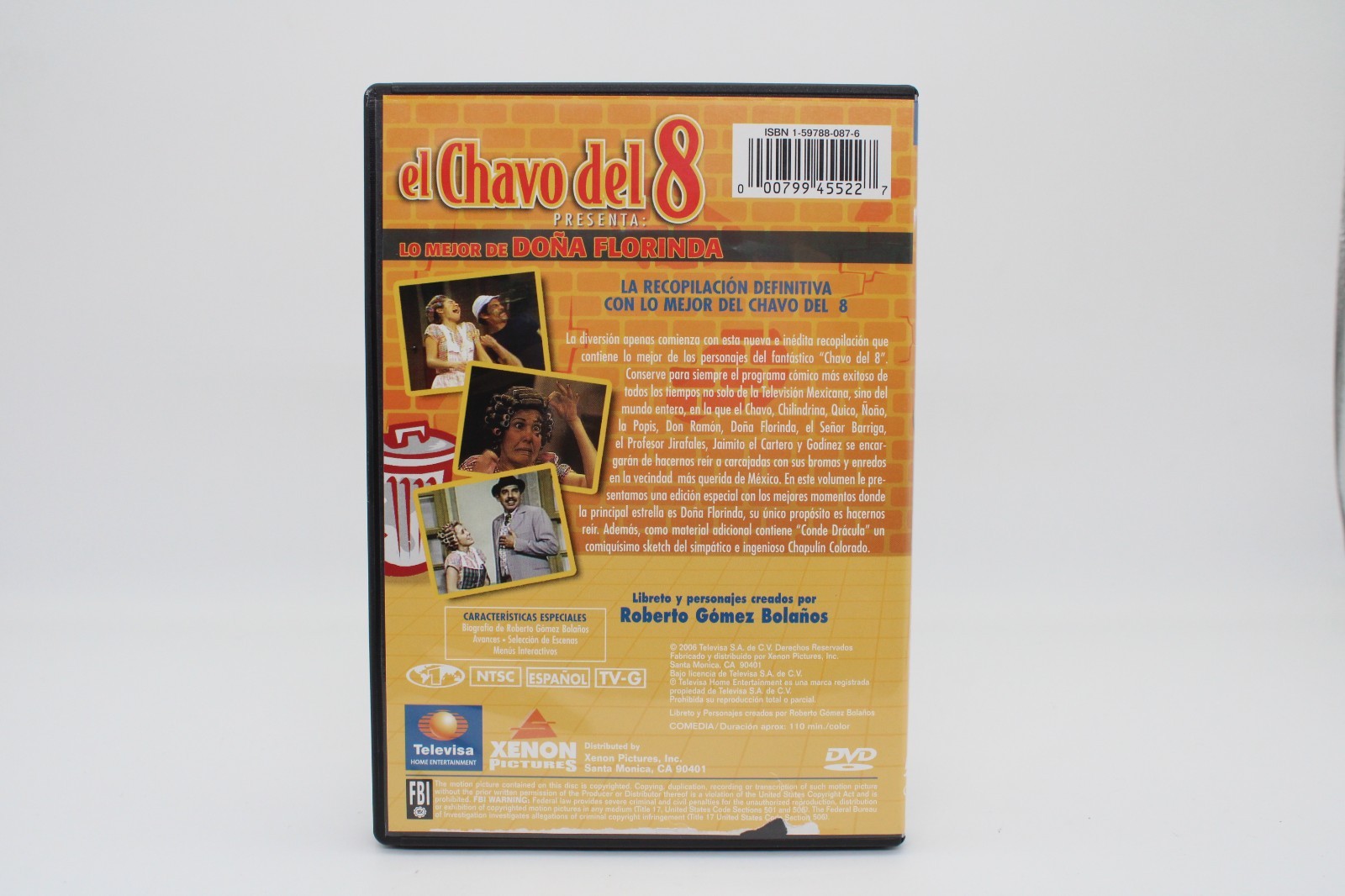
- Cultural Anchor: The iconic Mexican television character El Chavo del Ocho cemented the word's place in global pop culture, where the character's name literally identifies him as an orphan boy from apartment number 8.
The Caribbean (Cuba, Puerto Rico, and the Dominican Republic)
In Cuba and Puerto Rico, the semantic landscape of chavo splits into two distinct paths: age and currency.
- Currency Usage: In Cuba, un chavo historically refers to a cent, a fraction of a peso, or small change in general. Phrases like no tengo un chavo ("I don't have a cent") are common when expressing financial scarcity.
- Youth Usage: In Puerto Rico, chavo can denote a young person, but it often carries working-class or street-level connotations depending on the inflection and surrounding slang.
South America and the Andean Region
While countries like Argentina, Uruguay, and Chile rely heavily on local slang such as pibe, chico, or lolos, chavo is universally understood through media exposure, even if it is rarely deployed in native daily conversation. In Andean nations like Peru and Ecuador, the word surfaces occasionally in urban colloquialisms, though terms like chibolo hold much higher frequency for describing youth.
Spain
In Spain, chavo is recognized but rarely used as a primary descriptor for youth, where chaval is the dominant cognate. Chaval and chavala fill the exact linguistic niche that chavo occupies in Mexico. Confusing the two is a minor misstep, but recognizing the distinction prevents cross-cultural miscommunications in professional or formal creative writing settings.
Comparative Regional Breakdown of Chavo
| Region | Primary Meaning | Secondary Meaning / Variants | Common Usage Context |
|---|---|---|---|
| Mexico | Boy, young man, teenager | Chava (girl), Chavorruco (aging youth) | Casual conversation, media, family settings |
| Cuba | Small coin, cent, money | Chavito (informal currency slang) | Financial expressions (no tengo ni un chavo) |
| Puerto Rico | Young person, fellow | Chavos (plural for money or funds) | Street slang, informal dialogue |
| Spain | Rarely used natively | Chaval is the preferred local equivalent | Understood via Latin American media imports |
Grammatical Function and Syntactical Usage
As a noun, chavo adapts fluidly to standard Spanish grammar. It takes masculine articles (el chavo, los chavos) and changes its ending to form the feminine (la chava, las chavas).
Beyond direct naming, it functions frequently as an adjective or within fixed idioms:
- Direct Address: ¿Qué onda, chavo? (What's up, kid/man?)
- Collective Reference: Salí con los chavos anoche. (I went out with the guys/kids last night.)
- Financial Idiom (Caribbean): Estar sin chavos. (To be broke / without a penny.)
Writers and translators must note the register of the word. Because chavo is strictly colloquial, its inclusion in corporate communications, legal text, or formal journalism is generally avoided unless quoting a speaker directly or analyzing regional linguistic patterns.
Cultural Impact and Global Recognition
The export of Mexican cinema, music, and television has made chavo recognizable across non-Spanish-speaking nations and throughout the global diaspora. The enduring legacy of Roberto Gómez Bolaños's television creation, El Chavo del Ocho, introduced the word to millions of households from Argentina to the United States.
In contemporary US Spanglish, second- and third-generation Hispanic populations frequently incorporate chavo into mixed-language households, keeping the regionalism alive outside its original geographic boundaries. This cross-pollination ensures that the word remains a vibrant piece of the broader Spanish lexical ecosystem.
Frequently Asked Questions
What does chavo mean in Mexican Spanish?
In Mexico, chavo means a boy, young man, or teenager. It is an informal, friendly term used to describe young individuals of various ages, ranging from children to young adults in their twenties.
Is chavo considered a polite or rude word?
Chavo is entirely polite and informal. It is safe for use in casual family settings, peer-to-peer conversations, and pop culture. However, it is inappropriate for formal business writing, academic essays, or official documentation.
Why do some people use chavos to mean money?
In Caribbean nations like Cuba and Puerto Rico, the plural form chavos historically evolved to mean small change, coins, or money in general. This usage stems from old currency denominations and persists in idioms expressing a lack of funds.
What is the difference between chavo and chaval?
While both words relate to youth, chavo is predominantly used in Mexico, Central America, and parts of the Caribbean, whereas chaval is the standard colloquial term used in Spain for a boy or kid.
Can chavo be used for girls or women?
The masculine form chavo specifically refers to males. To refer to a girl or young woman using the same lexical root, speakers use the feminine form, chava.
Practical Next Actions
When encountering chavo in text or conversation, always look to the geographical context to determine whether the speaker is referring to a young person or to money. For translators and content creators targeting specific Latin American demographics—particularly Mexico—incorporating regional slang like chavo builds immediate rapport and authentic local resonance, provided the surrounding register remains appropriately informal.
Image Gallery