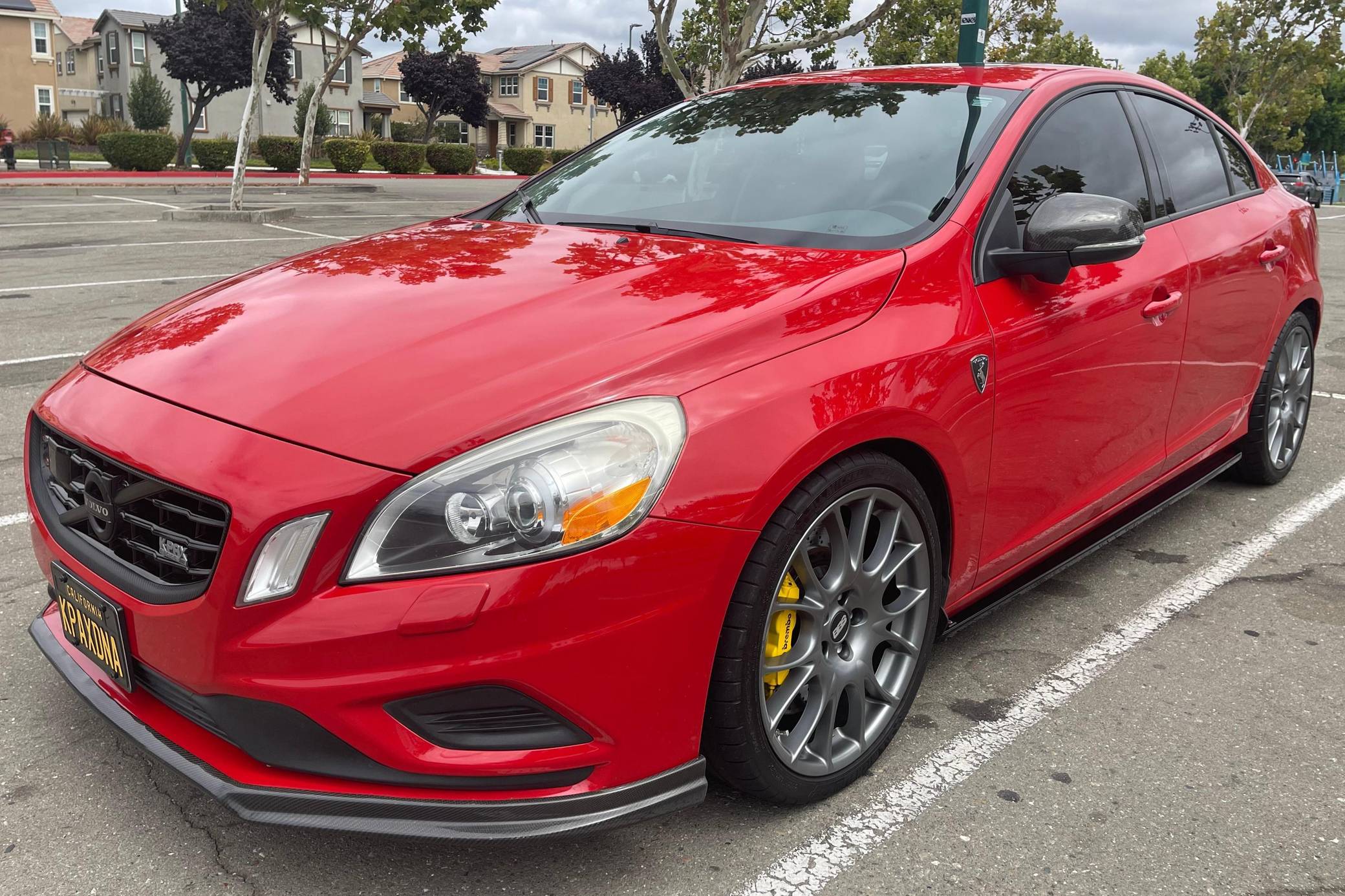
R-Design for the S60 T6: A Policy Perspective
Evaluating R-Design packages for the Volvo S60 T6 through a policy perspective involves examining how factory-installed or port-installed sport trim packages interact with automotive insurance underwriting guidelines, corporate fleet m...
Evaluating R-Design packages for the Volvo S60 T6 through a policy perspective involves examining how factory-installed or port-installed sport trim packages interact with automotive insurance underwriting guidelines, corporate fleet management regulations, and regulatory vehicle modification compliance. While the R-Design trim alters aesthetic and handling dynamics rather than absolute engine output, these visual and mechanical changes carry distinct weight under insurance risk assessment models and corporate asset policies.
Contents
Defining the Volvo S60 T6 R-Design
The Volvo S60 T6 R-Design represents a high-performance-oriented trim level of Volvo’s compact executive sedan. Powered by a turbocharged and supercharged 2.0-liter four-cylinder engine (in later generations) or a turbocharged inline-six (in earlier iterations), the T6 designation signifies forced induction and substantial horsepower output. The R-Design suffix adds bespoke exterior styling elements, including unique front and rear fascias, matte-silver mirror caps, dual integrated tailpipes, and larger alloy wheels paired with lower-profile tires.
Beneath the visual enhancements, the R-Design specification typically incorporates a sport-tuned chassis. This features stiffer springs, firmer bushings, revised monotube dampers, and a slightly lowered ride height compared to the standard Momentum or Inscription trims. From an engineering standpoint, these components improve lateral grip and body control, but they also alter the vehicle’s structural response profile during dynamic maneuvers and impact scenarios.
Automotive Insurance Underwriting and Policy Implications
When acquiring auto insurance coverage for a Volvo S60 T6 R-Design, underwriters evaluate several risk factors that differentiate it from base-model sedans. Insurance risk assessment models classify vehicles based on historical claims data, repair costs, and performance potential.
Surcharge Categorization and Premium Impacts
Insurance carriers frequently categorize sport-trimmed vehicles under higher risk tiers. Even though the T6 R-Design shares the same baseline safety architecture and turbocharged engine as a standard T6 Inscription, the R-Design nomenclature often triggers specific underwriting reviews:
- Replacement Part Cost: R-Design specific body panels, unique alloy wheels, and specialized interior trim components command higher replacement costs during collision repair. Insurers factor these elevated parts prices directly into comprehensive and collision premium formulas.
- Statistical Claim Frequency: Actuarial tables sometimes associate sport trim lines with demographic segments that exhibit higher statistical claim frequencies. Consequently, policyholders may experience incremental surcharges compared to a similarly powered luxury trim.
- Performance Classification: Because the R-Design label signals a sport-oriented driving experience, automated rating systems may classify the vehicle alongside performance sedans, regardless of whether the powertrain remains identical to non-sport variants.
Corporate Fleet Management and Compliance Policies
For corporate vehicle fleets or executive car allowance programs, integrating a Volvo S60 T6 R-Design requires strict adherence to internal company policies. Fleet managers must balance employee satisfaction with asset depreciation, safety compliance, and tax reporting requirements.
Fleet Eligibility and Depreciation Guidelines
Corporate car policies often enforce strict limitations on vehicle trims to maintain brand consistency and control operational budgets. The R-Design trim presents distinct considerations for corporate fleets:
- Capital Expenditure Limits: Fleet acquisition policies frequently cap vehicle purchase prices or monthly lease allowances. The R-Design package elevates the base MSRP, which may push the vehicle past corporate cost ceilings.
- Residual Value Fluctuations: While sport trims can retain strong enthusiast demand on the secondary market, commercial fleet remarketing guides sometimes project faster depreciation for specialized suspension components and larger, curb-damage-prone wheels.
- Driver Eligibility Tiers: Executive incentive policies often restrict vehicles with sporting pretensions to specific management tiers or require specialized defensive driving certifications before authorization is granted.
Regulatory Standards and Modification Compliance
From a regulatory perspective, factory-certified trim packages like the R-Design occupy a distinct legal standing compared to aftermarket modifications. Because R-Design specifications are homologated directly by the manufacturer, they comply fully with federal motor vehicle safety standards (FMVSS in the United States or equivalent regional regulations) out of the box.
Factory Specification Versus Aftermarket Alterations
Policy enforcement agencies and vehicle inspectors view factory-integrated performance trims differently than aftermarket alterations:
- Emissions and Safety Certification: The R-Design factory configuration retains all original emissions control equipment and structural crashworthiness certifications, ensuring seamless state or regional inspection compliance.
- Insurance Disclosure Requirements: Policyholders are generally required to disclose the exact vehicle identification number (VIN) during policy binding. Because the VIN encodes the specific trim level, insurers automatically capture the R-Design status, eliminating the risk of policy voidance due to undisclosed modifications.
- Warranty and Liability Protection: Operating a manufacturer-backed sport trim preserves factory powertrain and bumper-to-bumper warranties, shielding the owner from the liability disputes that frequently arise from aftermarket suspension or engine control unit (ECU) modifications.
Comparative Overview: S60 T6 Trim Variations and Policy Treatment
To understand how the R-Design fits into broader administrative and financial frameworks, it is helpful to compare it alongside other S60 T6 configurations.
| Trim Level | Primary Focus | Insurance Rating Factor | Fleet Suitability | Regulatory Compliance Status |
|---|---|---|---|---|
| T6 Momentum | Luxury and Value | Standard baseline risk tier | High (Standard corporate choice) | Fully homologated factory standard |
| T6 Inscription | Premium Comfort and Elegance | Standard to moderate premium | Moderate (Executive use) | Fully homologated factory standard |
| T6 R-Design | Sport Styling and Dynamics | Elevated due to parts cost and trim classification | Restricted (Subject to fleet caps) | Fully homologated factory standard |
Risk Mitigation Strategies for Vehicle Owners
Navigating insurance and policy requirements for a performance-oriented sedan requires proactive administrative management. Owners and fleet administrators can implement several strategies to optimize coverage and minimize liability:
- Verify VIN Coding: Ensure that insurance declarations pages explicitly reference the R-Design trim. Incorrectly listing a vehicle as a base Momentum or Inscription can lead to claim adjustment delays or coverage disputes in the event of a total loss where specialized parts valuation is required.
- Review Policy Endorsements: Consider adding specialized endorsements for OEM (Original Equipment Manufacturer) parts guarantees. This ensures that repair shops use genuine Volvo R-Design body and suspension components rather than aftermarket equivalents that could affect vehicle handling or resale value.
- Understand Lease Wear-and-Tear Guidelines: For corporate or personal leases, low-profile tires and large alloy wheels associated with the R-Design are highly susceptible to curb rash and pothole damage. Review end-of-lease policies regarding acceptable wheel wear to avoid unexpected financial penalties upon vehicle return.
Frequently Asked Questions
Does the Volvo S60 T6 R-Design cost more to insure than a standard S60?
Yes, insurance premiums for the R-Design trim are frequently higher. This variance stems from the elevated cost of specialized replacement body panels, unique alloy wheels, and actuarial models that associate sport-trimmed vehicles with higher repair expenses.
Are R-Design suspension components covered under standard extended warranties?
Factory R-Design suspension components are fully covered under original manufacturer warranties because they are installed at the point of manufacture. However, third-party extended warranty providers may scrutinize specialized dampers or bushings during claims processing, making it vital to review contract wording.
How do corporate fleets handle employee choice of sport trims like the R-Design?
Corporate fleet policies typically regulate vehicle selection through strict MSRP caps and approved trim lists. If an R-Design exceeds the allocated allowance, employees are usually required to cover the financial delta via a monthly payroll deduction or select a lower-tier trim.
Do insurance companies require notification if an R-Design package is added via port options?
Port-installed accessories and factory trim packages are encoded directly into the vehicle's VIN or Monroney sticker. Insurers automatically factor these specifications into the underwriting profile when the policy is bound using the correct VIN.
Does the R-Design trim affect local vehicle registration or emissions testing?
No. Because the R-Design is a factory-certified trim level that meets all original federal and regional emissions and safety standards, it passes routine state inspections and regulatory compliance checks without requiring special waivers.
Conclusion
Evaluating the Volvo S60 T6 R-Design through a policy perspective reveals a vehicle that balances dynamic styling and sport-tuned handling with the regulatory stability of a factory-produced automobile. While insurance underwriters may apply slight premium adjustments due to specialized parts costs and corporate fleet managers often restrict sport trims through strict capital limits, the R-Design remains fully compliant with standard automotive regulations. Proactive verification of insurance declarations and adherence to lease or fleet guidelines ensure that owners can operate these vehicles without administrative friction.
Image Gallery