How to Choose Auto Insurance in Port Orchard, WA: Requirements, Coverage Options, and Local Considerations
When selecting auto insurance in Port Orchard, Washington, drivers must balance state-mandated minimum liability requirements (25/50/10) with local driving realities like State Route 16 commuter traffic and Pacific Northwest weather. C...
When selecting auto insurance in Port Orchard, Washington, drivers must balance state-mandated minimum liability requirements (25/50/10) with local driving realities like State Route 16 commuter traffic and Pacific Northwest weather. Choosing the right coverage involves evaluating liability limits, Personal Injury Protection (PIP), uninsured motorist coverage, and local claims options to protect your financial stability.
Contents
Washington State Mandatory Minimum Auto Insurance Requirements
Washington law requires every motor vehicle operated on public roadways to carry financial responsibility. Most drivers satisfy this legal requirement by purchasing motor vehicle liability insurance. Under Revised Code of Washington (RCW) 46.29.090, the minimum liability limits required in Washington are:
- $25,000 for bodily injury or death of one person in any one accident.
- $50,000 for bodily injury or death of two or more persons in any one accident.
- $10,000 for injury to or destruction of property of others in any one accident.
Insurance professionals commonly refer to these statutory minimums as 25/50/10 coverage. Operating a vehicle in Port Orchard or anywhere in Washington State without proof of financial responsibility can result in significant traffic fines, driver's license suspension, and personal liability for damages caused in an accident.
Why Mandatory Minimum Coverage Is Often Inadequate
While carrying 25/50/10 policy limits keeps you legally compliant with Washington law, state minimum coverage rarely provides adequate financial protection in a real-world collision.
The $10,000 property damage limit falls far short of covering the replacement or repair costs of modern vehicles, where the average price of a new car exceeds $45,000. If you cause an accident resulting in $35,000 worth of damage to another vehicle, your insurer will only pay up to the $10,000 limit. You remain personally responsible for paying the remaining $25,000 out of pocket.
Similarly, medical care following a severe traffic accident can quickly surpass $25,000 per person. Emergency room visits, surgical procedures, physical therapy, and lost wages can easily reach six figures. If your liability limits are exhausted, the injured party can seek a court judgment against your personal assets, including savings, real estate, and future wage garnishments.
Local Driving Factors Specific to Port Orchard and Kitsap County
Selecting auto insurance coverage in Port Orchard requires an understanding of the geographical, infrastructural, and environmental factors unique to Kitsap County and the greater Puget Sound region.
Port Orchard Driving Environment & Insurance Risk Factors:
- State Route 16 Corridor
- High speed commuter traffic to Tacoma / Bremerton
- Frequent congestion & stop-and-go rear-end risk
- Pacific Northwest Weather Conditions
- Heavy rainfall, hydroplaning on coastal highways
- Seasonal black ice on rural Kitsap roads
- Naval Base Kitsap & Regional Commutes
- High vehicle density around PSNS and Puget Sound ferries
1. State Route 16 Commuter Traffic
Port Orchard serves as a major bedroom community for workers commuting to Naval Base Kitsap, Bremerton, Tacoma, and Seattle. State Route 16 (SR 16) experiences heavy morning and evening rush-hour traffic. Heavy stop-and-go congestion at high highway speeds increases the frequency of multi-vehicle rear-end collisions. Drivers frequently traversing SR 16 or crossing the Tacoma Narrows Bridge should consider higher bodily injury and property damage liability limits to account for elevated collision risks.
2. Pacific Northwest Weather and Road Surface Conditions
Kitsap County experiences high annual rainfall, leading to slick road surfaces, reduced visibility, and frequent hydroplaning conditions on arterial roads like Mile Hill Drive, Sedgwick Road, and Bethel Road. During winter months, shaded rural stretches of Kitsap County can develop sudden black ice. Increased risk of loss of vehicle control makes comprehensive and collision coverages valuable for local drivers.
3. Rural and Suburban Roadside Hazards
Port Orchard features a mix of suburban neighborhoods and heavily wooded rural parcels. Tree limbs frequently fall across roadways during winter windstorms, and deer crossings present collision risks in outer city limits. Comprehensive insurance coverage protects your vehicle against non-collision incidents such as fallen trees, storm damage, and wildlife strikes.
Key Auto Insurance Coverages Explained
When constructing an auto insurance policy in Washington State, policyholders can choose among several distinct coverage types. Understanding how these coverages operate ensures you build a policy tailored to your risk tolerance and budget.
Full Coverage Framework (Auto Policy):
- Liability Coverage (Required by State)
- Bodily Injury
- Property Damage
- Vehicle Protection (Optional / Loan)
- Collision
- Comprehensive
- Personal Protection (Optional Offerings)
- PIP (Medical/Wages)
- UM/UIM Coverage
Personal Injury Protection (PIP)
Under Washington law (RCW 48.22.095), auto insurance carriers must offer Personal Injury Protection (PIP) on all motor vehicle liability policies. PIP pays for reasonable and necessary medical expenses, lost wages, and essential services for you and your passengers if injured in an auto accident, regardless of who caused the collision.
Standard PIP coverage in Washington typically provides:
- Up to $10,000 in medical expenses per person (higher limits available up to $35,000).
- Up to $10,000 in lost wage reimbursement.
- Up to $5,000 for loss of services (e.g., household help during recovery).
- $2,000 for funeral expenses.
A policyholder can opt out of PIP coverage, but Washington law mandates that the rejection must be made in writing. If you do not sign a written rejection form, your insurer will automatically include PIP on your policy and charge the associated premium.
Uninsured and Underinsured Motorist (UM/UIM) Coverage
Washington State requires insurers to offer Uninsured/Underinsured Motorist coverage (RCW 48.22.030). UM/UIM steps in to pay for your medical costs, pain and suffering, and vehicle repairs if you are hit by a driver who carries no insurance or whose insurance limits are insufficient to cover your damages.
UM/UIM coverage is broken into two components:
- UM/UIM Bodily Injury: Pays for medical bills, rehabilitation, and lost compensation when an uninsured or hit-and-run driver injures you or your passengers.
- UM/UIM Property Damage (UMPD): Pays for damage to your insured vehicle caused by an identified uninsured motorist.
Like PIP, Washington law requires policyholders to explicitly reject UM/UIM coverage in writing if they choose not to carry it. Given that a noticeable percentage of drivers on Washington roads operate vehicles without adequate insurance, maintaining UM/UIM coverage is strongly recommended by legal and insurance authorities.
Collision and Comprehensive Coverage
Physical damage coverages protect your own vehicle, distinct from third-party liability claims:
- Collision Coverage: Pays to repair or replace your vehicle if it collides with another car, hit a stationary object (such as a guardrail or tree), or experiences a rollover event. Collision coverage is subject to a deductible (typically $500 or $1,000).
- Comprehensive Coverage: Protects your vehicle against non-collision losses, including theft, vandalism, windshield damage, falling objects, fires, floods, and collisions with animals.
If your vehicle is financed or leased through a bank or credit union, your lender will mandate carrying both collision and comprehensive coverage until the loan balance is fully satisfied.
Consumer Rights in Washington: Choosing Your Auto Repair Shop
When filing an auto body claim in Port Orchard, policyholders frequently ask whether they must use an insurance company's recommended auto repair facility.
Under consumer protection rules enforced by the Washington State Office of the Insurance Commissioner (OIC), you have the legal right to choose any licensed auto body repair shop to fix your vehicle. Insurance companies are prohibited from forcing or unfairly coercing policyholders to use a specific repair facility.
While insurance companies maintain "preferred repair networks" or "direct repair programs" (DRPs) designed to streamline billing and offer direct shop warranties, they cannot penalize you or refuse payment because you chose an independent repair shop in Port Orchard or Kitsap County. If you choose an independent shop, the insurer must pay the fair and reasonable repair costs based on prevailing market labor rates in your area.
Comparing Auto Insurance Coverages in Washington State
The following table summarizes the legal requirements, standard recommendations, and key functions of core auto insurance coverages available to drivers in Port Orchard:
| Coverage Type | WA Legal Requirement | Standard Recommended Limit | Primary Purpose / Protection |
|---|---|---|---|
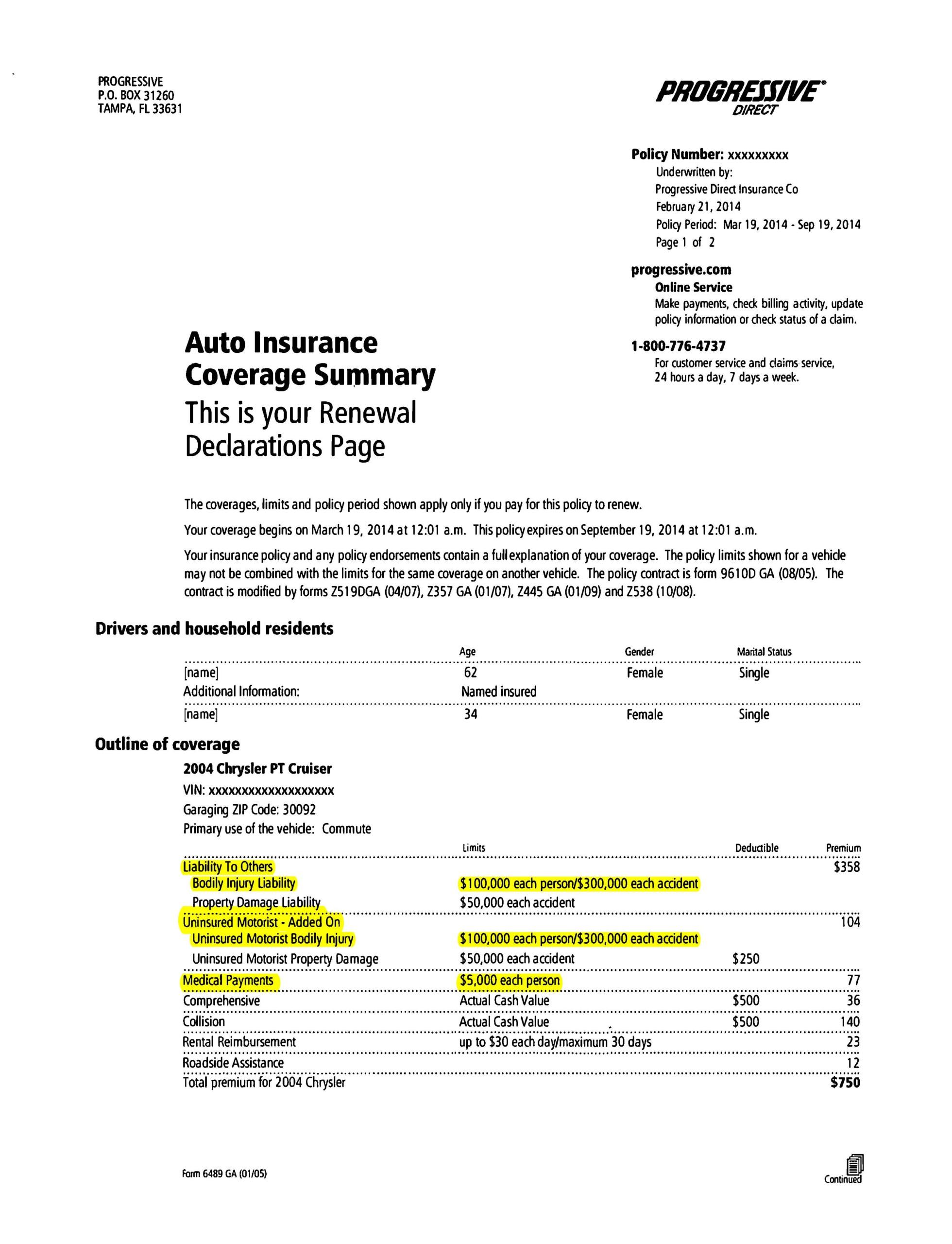
| Bodily Injury Liability | Mandatory ($25,000 per person / $50,000 per accident) | $100,000 per person / $300,000 per accident | Pays for third-party injuries or death when you are at fault in an accident. |
| Property Damage Liability | Mandatory ($10,000 per accident) | $100,000 per accident | Covers damage to other vehicles, structures, or road infrastructure you damage. |
| Personal Injury Protection (PIP) | Mandatory offer (Must reject in writing) | $10,000 – $35,000 per person | Pays medical bills, lost wages, and essential service costs regardless of fault. |
| Uninsured/Underinsured Motorist (UM/UIM) | Mandatory offer (Must reject in writing) | $100,000 per person / $300,000 per accident | Protects you if hit by an uninsured, hit-and-run, or underinsured driver. |
| Collision Coverage | Optional (Mandated by lenders) | Actual Cash Value (ACV) of vehicle ($500–$1,000 deductible) | Covers physical damage to your vehicle resulting from collisions or rollovers. |
| Comprehensive Coverage | Optional (Mandated by lenders) | Actual Cash Value (ACV) of vehicle ($250–$500 deductible) | Pays for non-collision loss (theft, windshield cracks, vandalism, weather, animal strikes). |
Step-by-Step Guide to Evaluating Auto Insurance Policies
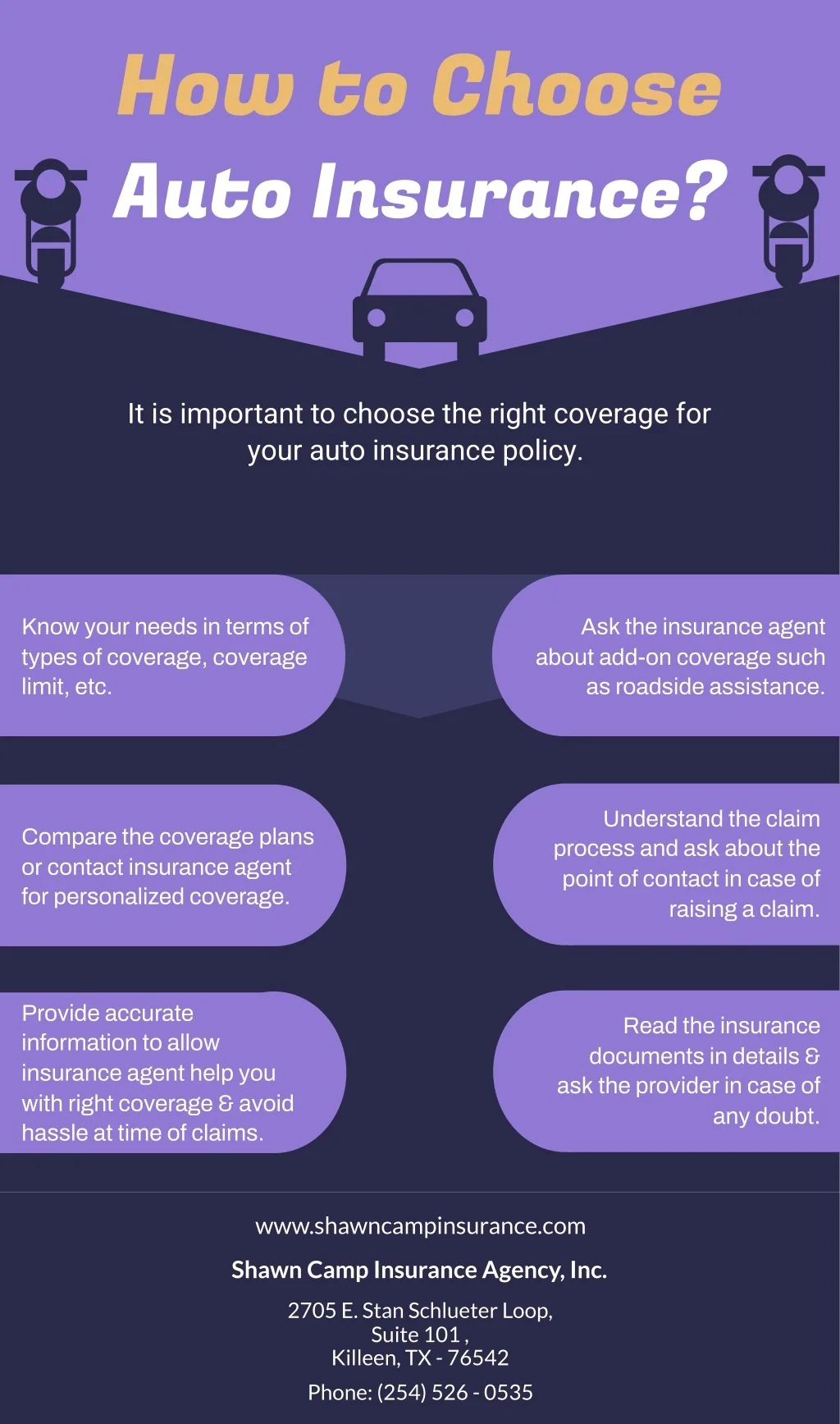
Selecting an appropriate insurance policy involves a systematic evaluation of your financial profile, driving habits, and vehicle value. Follow these steps when shopping for policy quotes in Port Orchard:
- Step 1: Calculate Minimum vs. Total Financial Exposure
- Step 2: Review Vehicle Ownership & Lender Mandates
- Step 3: Select Realistic Liability & UM/UIM Limits
- Step 4: Evaluate Health Insurance & PIP Interplay
- Step 5: Gather & Compare Quotes (Local vs. Direct Carriers)
Step 1: Calculate Your Total Financial Exposure
Inventory your personal financial assets, including home equity, savings accounts, and retirement funds. If your total net worth exceeds Washington's mandatory minimum liability limits (25/50/10), you should purchase liability coverage that shields those assets from post-accident judgments. Most financial advisors recommend carrying liability limits of at least 100/300/100 or purchasing an umbrella liability policy.
Step 2: Review Vehicle Value and Loan Terms
For older vehicles with low market values (e.g., valued under $3,000), carrying comprehensive and collision coverage may not be cost-effective, as annual premiums plus the deductible can quickly surpass the vehicle's actual cash value. For newer, leased, or financed vehicles, verify lender requirements for deductible caps (often required to be $1,000 or lower).
Step 3: Evaluate Health Insurance Interplay with PIP
Review your family’s primary health insurance policy. Determine if your health insurance covers auto accident injuries, what the deductible amounts are, and whether auto accidents require pre-authorization. PIP serves as primary medical coverage following a collision, meaning it pays out without requiring deductibles or copays, providing fast financial relief while third-party liability claims are being settled.
Step 4: Gather Quotes from Multiple Distribution Channels
When shopping for quotes in Kitsap County, obtain comparisons from two distinct sources:
- Independent Insurance Agents: Local independent agents represent multiple regional and national insurance carriers. They can shop your policy across several companies to find optimal rates for Port Orchard drivers.
- Direct-to-Consumer Carriers: Direct insurance brands allow you to build custom policy quotes online, enabling direct adjustments to deductibles and limits in real time.
Strategies for Lowering Premiums in Port Orchard
Drivers looking to reduce auto insurance costs without compromising essential protection can leverage several cost-reduction strategies:
- Policy Bundling (Multi-Policy Discount): Combining auto insurance with a homeowners, renters, or condo insurance policy with the same carrier often yields discounts ranging from 10% to 25% across both policies.
- Adjusting Deductibles: Raising your collision and comprehensive deductible from $250 or $500 to $1,000 lowers annual premium charges. Ensure you maintain sufficient emergency savings to cover the higher deductible if you need to file a claim.
- Telematics / Usage-Based Insurance: Many carriers offer mobile app tracking programs that measure driving behaviors—such as braking habits, phone distraction, speed, and daily mileage on SR 16. Safe, low-mileage drivers can earn substantial monthly premium discounts.
- Military and Federal Employee Discounts: Given Port Orchard's proximity to Puget Sound Naval Shipyard and Naval Base Kitsap, many national insurance providers offer dedicated discounts to active-duty military personnel, veterans, and federal civilian workers.
- Defensive Driving Courses: Drivers aged 55 and older in Washington State who complete an approved accident prevention course are eligible for mandatory multi-year auto insurance premium discounts under state law.
Frequently Asked Questions
What is the minimum auto insurance required in Port Orchard, WA?
Washington State law requires minimum liability coverage of $25,000 for bodily injury per person, $50,000 for bodily injury per accident, and $10,000 for property damage per accident (25/50/10). Drivers must carry proof of insurance in their vehicle at all times.
Can an insurance company force me to use a specific body shop in Washington?
No. Under Washington Administrative Code and insurance regulations, policyholders have the absolute right to select any auto body repair facility of their choice. Insurance companies cannot mandate using a specific repair shop or deny a claim based on your choice of repairer.
Is Personal Injury Protection (PIP) required on Washington policies?
Insurers in Washington are legally required to include PIP on auto insurance quotes. However, policyholders can opt out of PIP coverage by signing a written waiver form. If no written waiver is signed, PIP coverage remains part of the policy by default.
How does commuting across the Tacoma Narrows Bridge affect my rates?
Commuting high daily mileage on major highways like SR 16 increases your exposure to traffic congestion and collision risks. Insurance companies calculate premiums based in part on your primary zip code, vehicle usage (commuting vs. pleasure), and annual estimated mileage.
What happens if an uninsured driver hits my vehicle in Kitsap County?
If you carry Uninsured/Underinsured Motorist Property Damage (UMPD) or Collision coverage, your insurance company will pay to repair your vehicle, minus your policy deductible. If you carried only mandatory minimum liability coverage without UM/UIM or Collision, you would have to seek compensation directly from the uninsured driver through legal action.
Recommended Next Steps
To secure appropriate auto insurance coverage in Port Orchard, start by establishing your baseline liability requirements above the state mandatory minimums. Request written quotes from at least three insurance carriers or contact a licensed local independent insurance broker in Kitsap County to evaluate multi-policy bundle options. Ensure you carefully review written opt-out forms for PIP and Uninsured Motorist coverages before waiving these critical personal protections.
Image Gallery