When Did Rebecca Black’s Friday Come Out? The Full History and Cultural Impact
Rebecca Black’s "Friday" was officially released on YouTube on February 10, 2011. The song was later made available for digital purchase on iTunes on March 14, 2011. Produced by the Los Angeles-based Ark Music Factory, it became a mass...
Rebecca Black’s "Friday" was officially released on YouTube on February 10, 2011. The song was later made available for digital purchase on iTunes on March 14, 2011. Produced by the Los Angeles-based Ark Music Factory, it became a massive viral phenomenon in March 2011, fundamentally changing the landscape of internet fame and independent music distribution.
Contents
The release of "Friday" represents a pivotal moment in the history of social media and digital entertainment. While today we are accustomed to viral hits originating on platforms like TikTok, the trajectory of Rebecca Black in 2011 served as a blueprint for the "viral sensation" era of the early 2010s. To understand when and how "Friday" came out, one must look past the calendar date and examine the ecosystem of independent production houses, the burgeoning power of YouTube’s recommendation algorithm, and the cultural climate that turned a 13-year-old’s vanity project into a global conversation.
The Timeline of the "Friday" Release
The journey of "Friday" began in late 2010 when Rebecca Black’s mother, Georgina Kelly, paid Ark Music Factory a fee (reportedly around $4,000) to produce a song and music video for her daughter. This "vanity press" model for music was common in Los Angeles, allowing aspiring young performers to have professional-grade content without a major label deal.
Initial Upload and Dormancy (February 2011)
When the video was first uploaded on February 10, 2011, it did not immediately explode. For the first month, the video sat on YouTube with a modest number of views, mostly shared among Black’s friends and family. During this period, the song was a private milestone rather than a public target.
The Viral Tipping Point (March 2011)
The trajectory changed on March 11, 2011, when the culture blog The Daily What featured the video. Shortly after, it was picked up by other high-traffic sites and comedians, including Daniel Tosh of Tosh.0. By March 14, the video was receiving millions of views per day. This surge in attention prompted the official iTunes release on the same day, allowing the song to capitalize on its notoriety.
Peak Notoriety and Billboard Success
By late March 2011, "Friday" had reached the Billboard Hot 100, peaking at number 58. This was a significant achievement for an independent release with no radio promotion. However, the success was double-edged; the video became the most "disliked" video on YouTube at the time, garnering millions of negative reactions.
The Role of Ark Music Factory and Patrice Wilson
To understand why "Friday" came out the way it did, one must understand Ark Music Factory. Founded by Patrice Wilson and Clarence Jey, the company targeted parents of aspiring singers. They provided the song (often written by Wilson), the recording session, the heavy pitch-correction (Auto-Tune), and the music video production.
The "Ark sound" was characterized by hyper-simplistic lyrics and heavily processed vocals. "Friday" followed this formula perfectly, with lyrics detailing the chronological progression of a teenager's weekend: "Yesterday was Thursday, Thursday / Today it is Friday, Friday." While critics panned the songwriting, the repetitive nature of the lyrics was exactly what fueled its algorithmic success. The simplicity made it easily mockable, which in the economy of 2011's internet, was more valuable than being "good."
Why "Friday" Became a Global Phenomenon
The release of "Friday" coincided with a shift in how the public interacted with YouTube. It wasn't just a video; it was a communal experience.
- The Rise of Reaction Culture: "Friday" was one of the first major "hate-watch" successes. People shared it not because they enjoyed the music, but because they wanted to participate in the collective mockery of the production.
- Algorithmic Feedback Loops: YouTube’s algorithms in 2011 prioritized engagement. Because "Friday" generated so many comments and "dislikes," the system interpreted this as high interest and continued to recommend the video to new users.
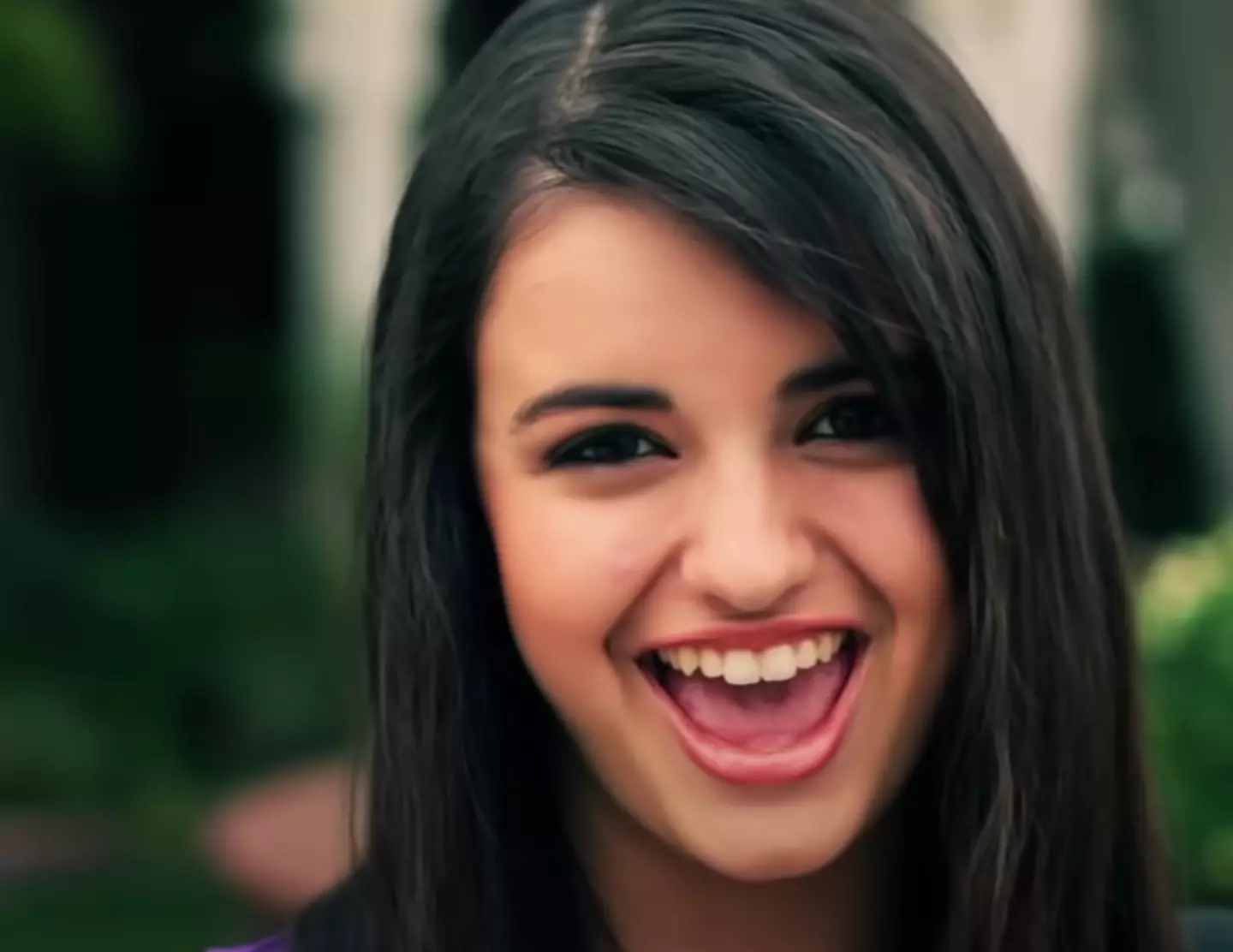
- Meme Potential: Specific moments in the video—such as the rapper Patrice Wilson appearing in a car next to teenagers, or the debate over which seat Rebecca should take in her friend’s car—became foundational memes.
Digital Rights and the Temporary Removal
A significant but often forgotten chapter in the "Friday" timeline occurred in June 2011. Due to a legal dispute between Rebecca Black’s camp and Ark Music Factory regarding copyright and the use of Black's image, the video was taken down from YouTube on June 16, 2011. At the time of its removal, it had approximately 167 million views.
The video was eventually re-uploaded to Rebecca Black’s personal YouTube channel later that year, but the original view count and comment history were lost. This dispute highlighted the complexities of "work-for-hire" agreements in the digital age, a topic that remains relevant in 2026 as independent creators navigate ownership of their viral moments.
Evolution of the Song: The 10th Anniversary Remix
In February 2021, exactly ten years after the original release, Rebecca Black released a "remix" of "Friday." Produced by Dylan Brady of 100 gecs and featuring artists like Dorian Electra and Big Freedia, the remix was a hyperpop reimagining of the track.
This release served as a reclamation of the narrative. By 2021, the public perception of Rebecca Black had shifted from a "cringe" figure to a respected independent artist and LGBTQ+ icon. The remix acknowledged the absurdity of the original while showcasing Black’s growth and her ability to navigate the industry on her own terms.
Comparison of Early 2010s Viral Music Hits
The following table contextualizes "Friday" within the landscape of other major viral music releases of that era.
| Song Title | Artist | Release Month/Year | Primary Viral Engine | Billboard Hot 100 Peak |
|---|---|---|---|---|
| Friday | Rebecca Black | Feb 2011 | YouTube / Blogs | #58 |
| Baby | Justin Bieber | Jan 2010 | Vevo / YouTube | #5 |
| Gangnam Style | PSY | July 2012 | YouTube Recommendation | #2 |
| The Fox (What Does The Fox Say?) | Ylvis | Sept 2013 | Social Media Sharing | #6 |
| Hot Problems | Double Take | April 2012 | YouTube "Cringe" Culture | N/A |
Rebecca Black’s Career Through 2026
As of 2026, Rebecca Black has successfully transitioned from a one-hit viral sensation into a sustained career as an avant-pop musician. Her journey is often cited by industry experts as a masterclass in crisis management and brand evolution.
Following the initial "Friday" fallout, she faced intense online bullying, which she has spoken about extensively in documentaries and interviews. Instead of retreating, she continued to release music, eventually finding her niche in the "hyperpop" and "indie-electronic" genres. Her 2023 debut studio album, Let Her Burn, received critical acclaim from publications like Rolling Stone and Pitchfork, effectively decoupling her identity from the 2011 meme.
Technical Milestones in Her Career:
- 2011: Original release and peak of "Friday."
- 2013: Release of "Saturday," a self-aware follow-up.
- 2017: Release of the RE / BL EP, marking a shift toward serious pop.
- 2021: The 10th Anniversary Remix and viral TikTok resurgence.
- 2023-2025: World tours and establishment as a staple in the alternative pop festival circuit.
Frequently Asked Questions
Did Rebecca Black write "Friday"?
No, Rebecca Black did not write the song. It was written and produced by Clarence Jey and Patrice Wilson of Ark Music Factory. Black was a 13-year-old student at the time and was provided with the lyrics and melody by the production company.
How much money did "Friday" make?
While exact figures are private, estimates suggest the song earned significant revenue through iTunes sales and YouTube ad revenue in 2011. Reports from that period suggested the song made upwards of $1 million in its first year, though much of this was split between the distributors, the production company, and the artist's family.
Why was "Friday" so hated when it first came out?
The backlash was primarily due to the heavy use of Auto-Tune, the simplistic and repetitive lyrics, and the perceived "low quality" of the production compared to mainstream hits. Additionally, the early 2010s were characterized by a more aggressive "troll culture" on platforms like YouTube and Reddit, which often targeted young creators.
Is the original "Friday" video still on YouTube?
The original upload from February 2011 was removed in June 2011. However, the video was re-uploaded to Rebecca Black’s official YouTube channel shortly after and remains there today as a historical archive of her early career.
Who is the rapper in the "Friday" video?
The rapper is Patrice Wilson, the co-founder of Ark Music Factory. He frequently appeared in the videos he produced for young artists, often delivering a transitional bridge or "rap break" to fill the song's structure.
Summary of Next Actions for Researchers
For those looking to study the impact of "Friday" on digital media, the best next step is to examine the evolution of YouTube's Terms of Service regarding minor creators, which were significantly updated following the intense bullying Black received. Additionally, analyzing the "Friday" 10th-anniversary remix provides excellent insight into how artists can use hyperpop and irony to reclaim their digital legacies. As we move further into 2026, Black's story remains the definitive case study on the transition from "viral victim" to "autonomous artist."
Image Gallery