Mastering Blended Learning Strategies in 2026: A Technical Framework for Modern Educators
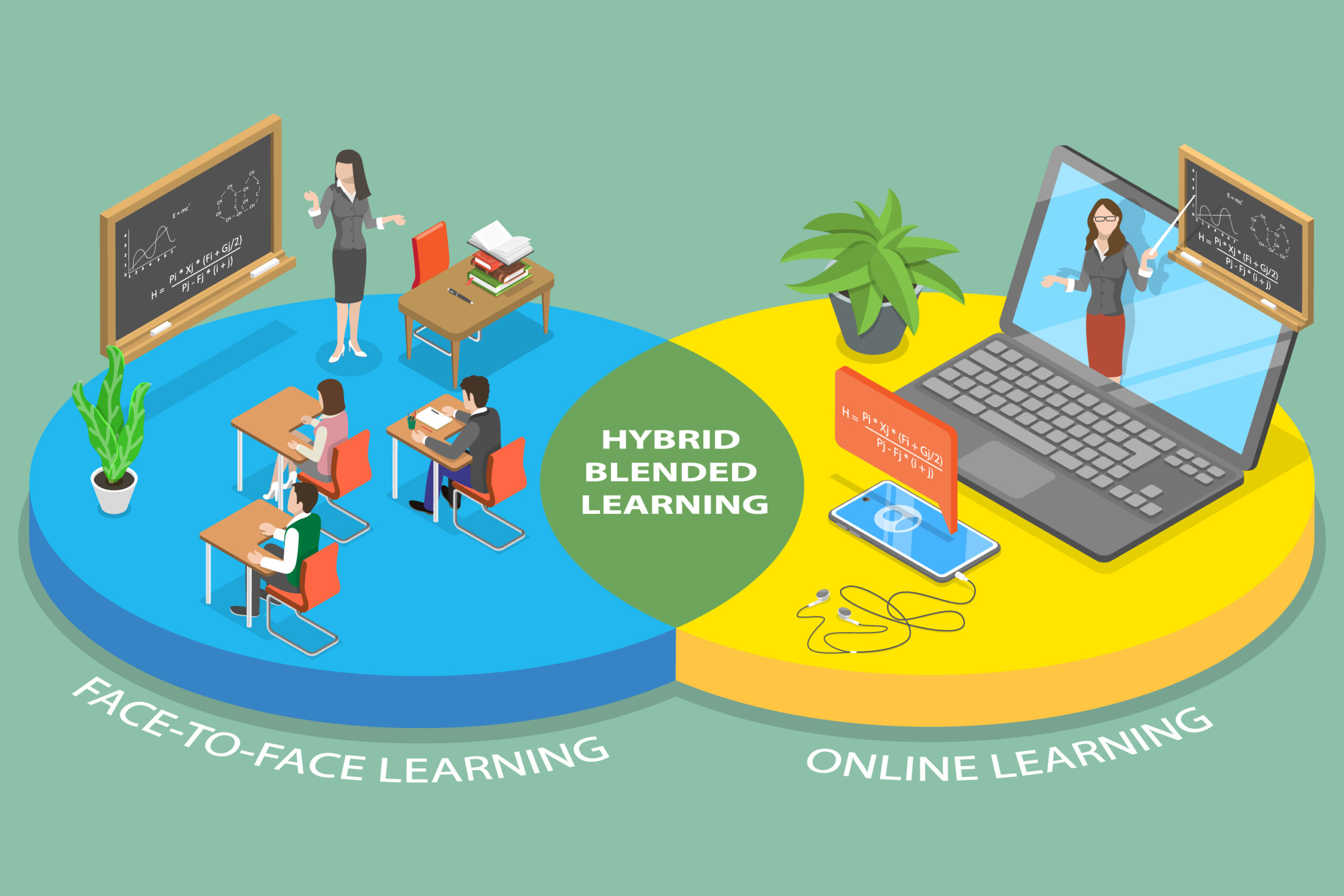
Blended learning is a pedagogical approach that integrates traditional face-to-face instruction with online, digital-led learning to create a unified educational experience. In the 2026 educational landscape, it focuses on hyper-person...
Blended learning is a pedagogical approach that integrates traditional face-to-face instruction with online, digital-led learning to create a unified educational experience. In the 2026 educational landscape, it focuses on hyper-personalization through AI, allowing students to control the pace, place, and path of their learning while maintaining the essential social and collaborative benefits of the physical classroom environment.
Contents
The concept of "blending learning" modalities has evolved from a simple mix of video lectures and classroom discussions into a sophisticated, data-driven ecosystem. As we move through 2026, the success of these programs relies heavily on the technical interoperability of Learning Management Systems (LMS), the pedagogical shift toward competency-based progression, and the strategic use of immersive technologies like Augmented Reality (AR). This guide provides a deep technical analysis of how to implement and optimize blended learning environments for maximum efficacy in higher education and corporate training sectors.
The 2026 State of Blended Learning: A Paradigm Shift
The definition of blended learning has expanded significantly over the last decade. While the core "brick-and-mortar" element remains, the digital component is no longer just a repository for PDFs or recorded lectures. In 2026, the digital aspect is characterized by Adaptive Learning Platforms that use machine learning to adjust content difficulty in real-time based on learner performance.
Current industry standards, such as the Experience API (xAPI) and LTI (Learning Tools Interoperability) 1.3, allow for a seamless data flow between disparate tools. This means a student’s progress in a specialized VR chemistry lab can be instantly reflected in the central LMS gradebook, providing educators with a holistic view of student engagement. The goal of "blending learning" is now to eliminate the friction between offline and online spaces, ensuring that what happens in the classroom is a direct, value-added extension of the digital work, and vice versa.
Core Models of Blended Learning Implementation
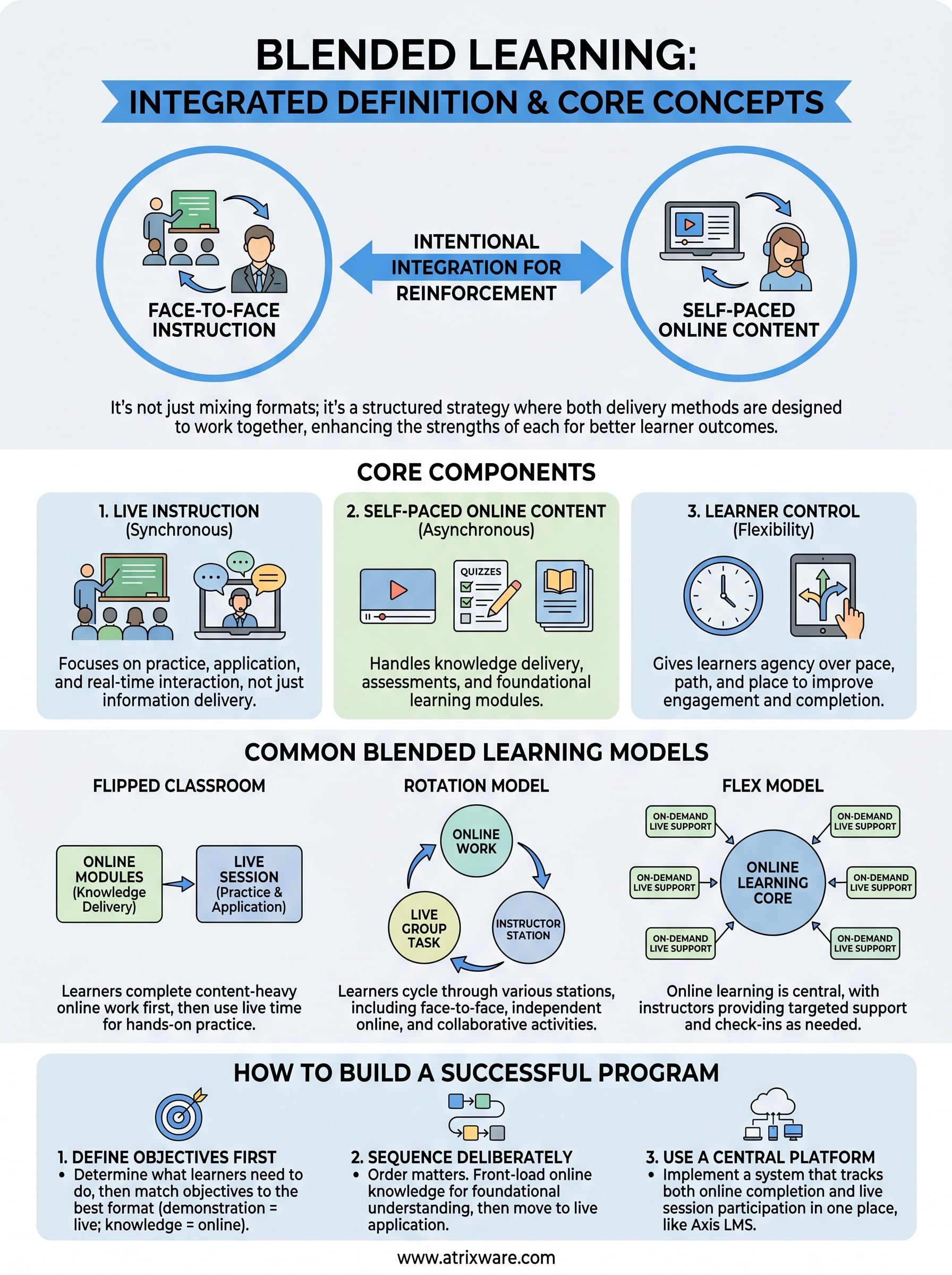
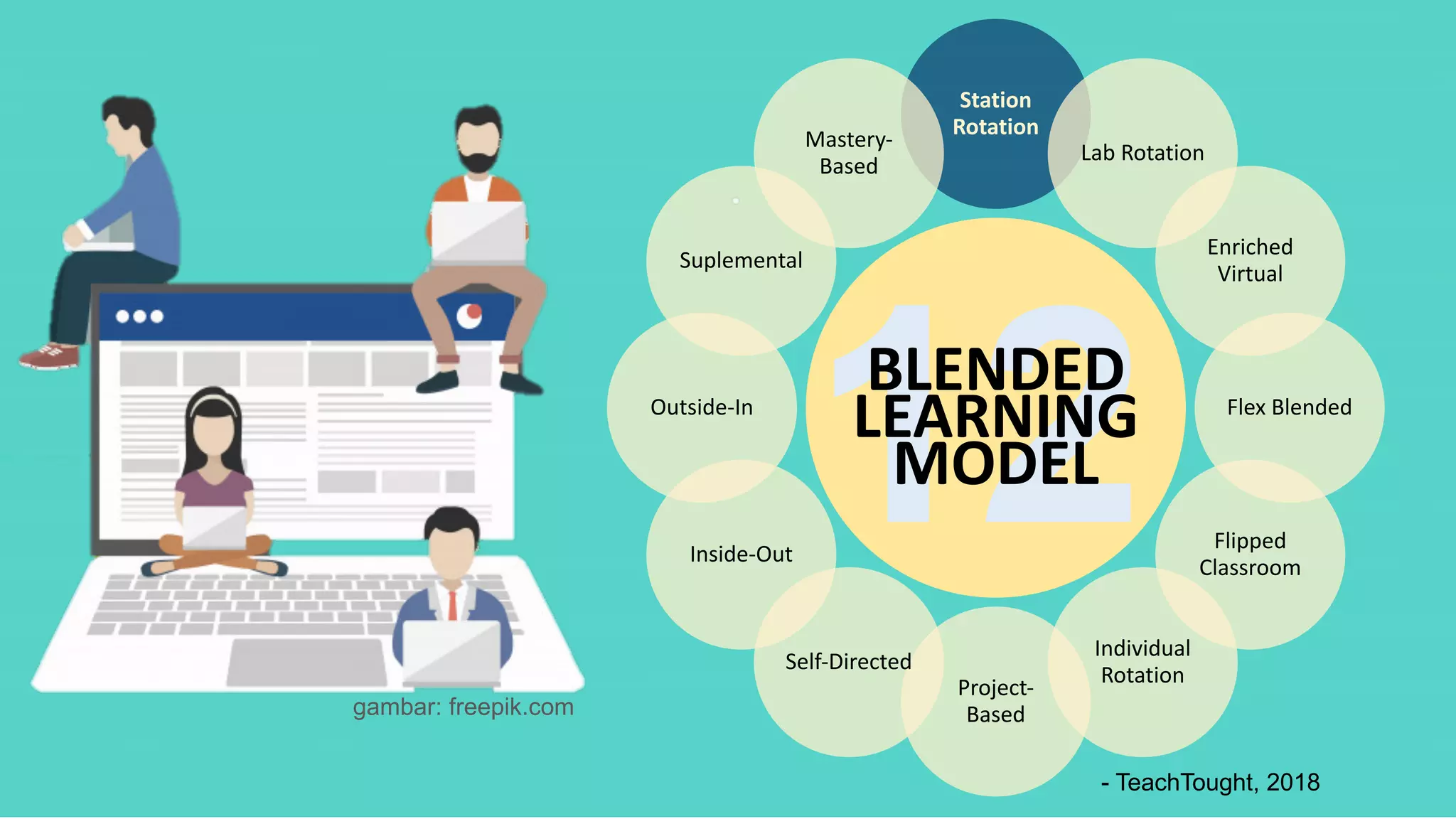
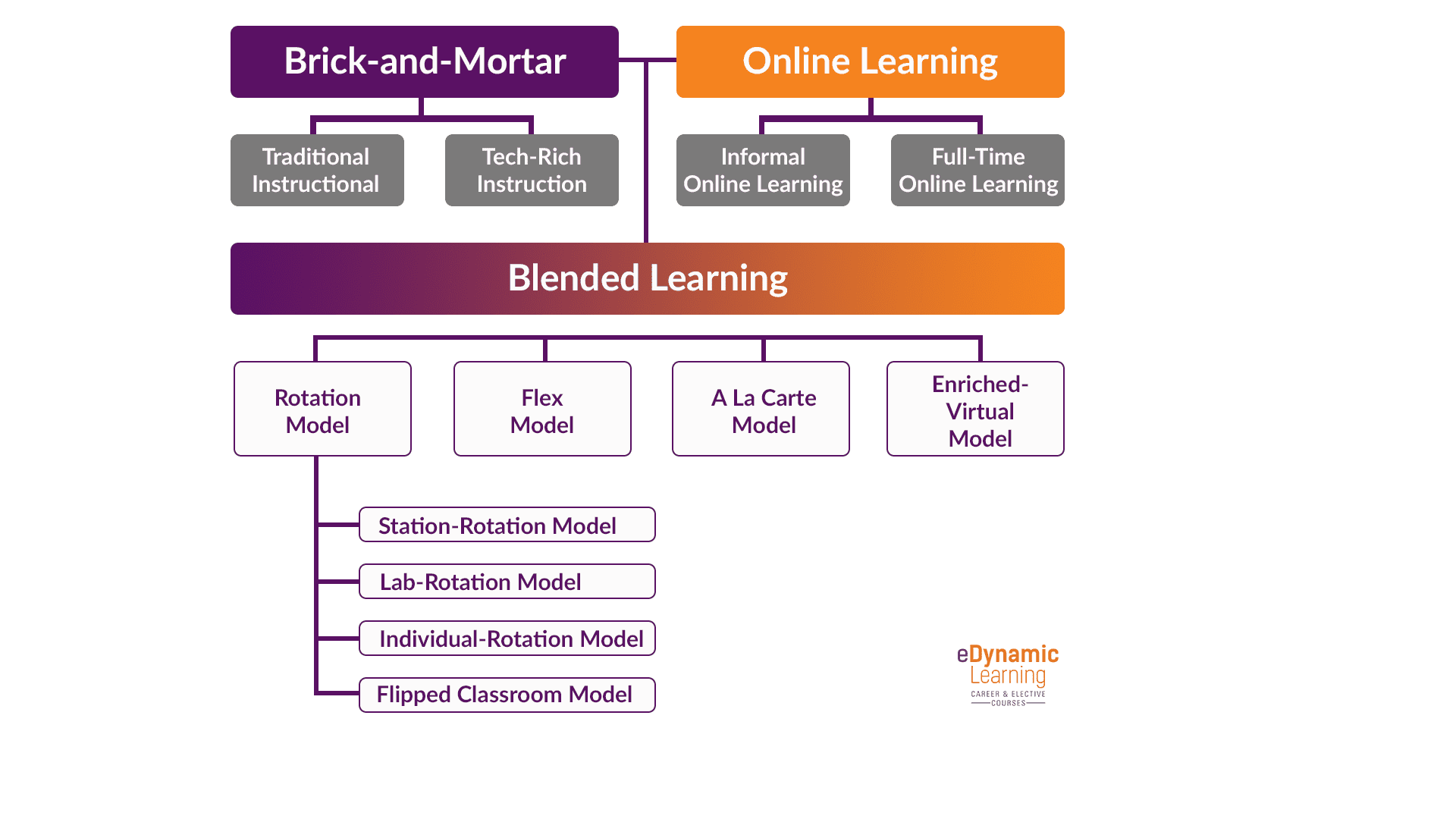
To effectively implement a blended strategy, organizations must choose a model that aligns with their specific infrastructure and learner needs. As of 2026, the following six models represent the industry standard for pedagogical design:
1. The Flipped Classroom Model
This remains the most popular model in 2026. Students consume foundational content—such as AI-generated summaries, interactive videos, or reading assignments—online before coming to class. The physical classroom time is then dedicated entirely to high-order cognitive tasks like group problem-solving, debates, and hands-on projects.
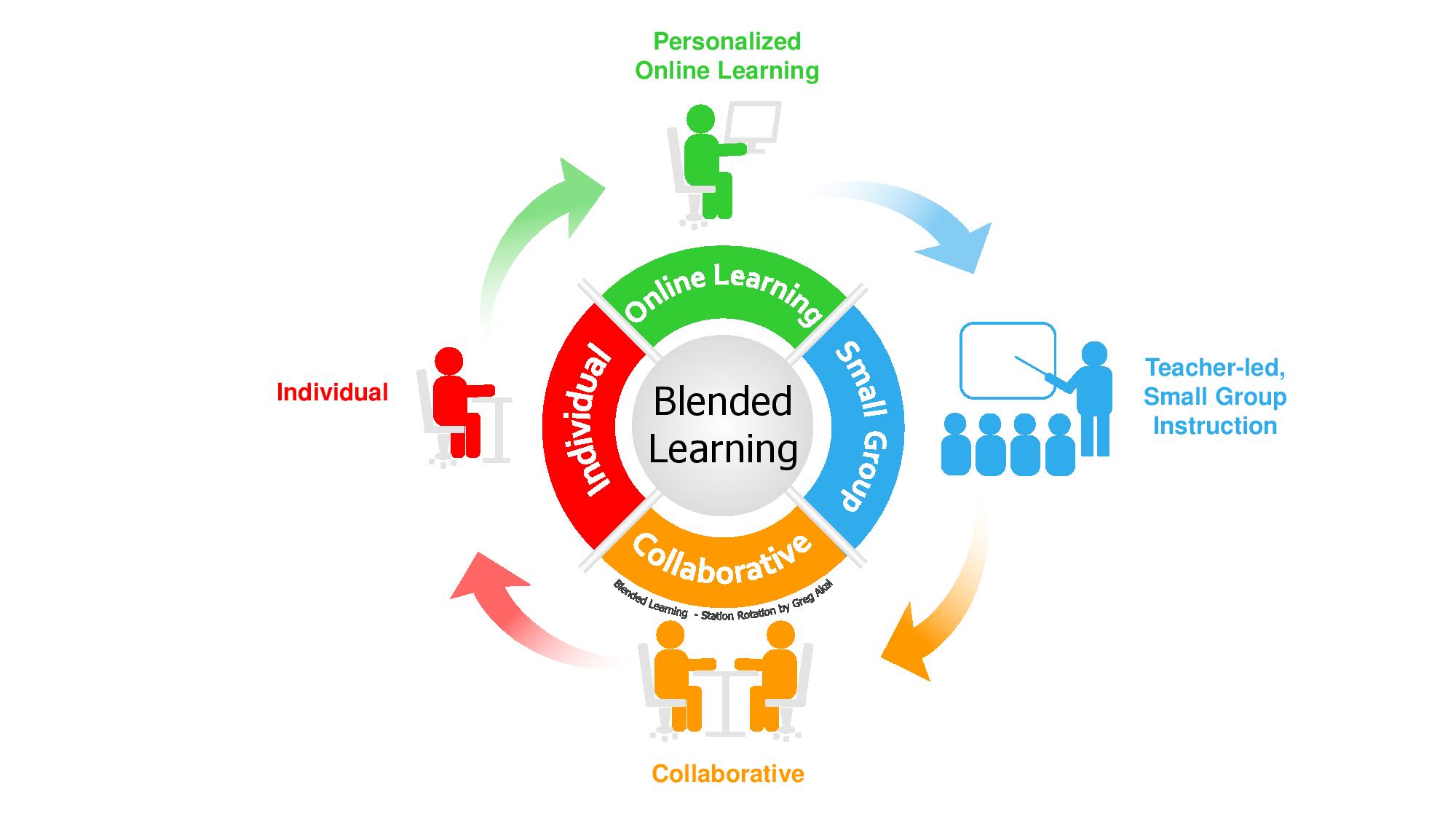
2. The Station Rotation Model
Widely used in K-12 and specialized technical training, this model requires students to rotate through various "stations" on a fixed schedule. At least one station is dedicated to online learning. In 2026, these stations often include a collaborative project zone, a teacher-led instruction zone, and an individual digital deep-dive zone.
3. The Flex Model
The Flex model is primarily digital, with teachers providing on-site support on an as-needed basis. This is highly effective for adult learners and professional certification programs where flexibility is paramount. The 2026 iteration of the Flex model utilizes AI "tutors" to handle 80% of routine queries, allowing human instructors to focus on complex mentorship.
4. The A La Carte Model
In this model, students take a full online course to supplement their traditional curriculum. This is frequent in higher education where a student might attend a physical university but take a specialized elective from a global partner institution via a digital platform.
5. The Enriched Virtual Model
This is a whole-school experience where students complete most of their coursework online but are required to attend physical sessions for specific milestones or lab work. Unlike a fully online course, the physical attendance is a mandatory, non-negotiable component of the syllabus.
6. The Individual Rotation Model
Similar to Station Rotation, but the schedule is customized for each student by an algorithm or the instructor. In 2026, LMS data analytics automatically determine which station a student needs to visit next based on their mastery of specific competencies.
Technical Infrastructure and Interoperability Standards
Implementing a high-level blended learning program requires a robust technical stack. Organizations must ensure that their systems are not siloed. The following technical specifications are mandatory for modern educational ecosystems in 2026:
Learning Management Systems (LMS) and LXPs
The LMS has largely evolved into the Learning Experience Platform (LXP). While an LMS manages records and compliance, the LXP focuses on the user experience, providing a Netflix-like interface for content discovery. Current 2026 standards require these platforms to support SCORM 2004 4th Edition and xAPI for granular tracking of learner behavior.
Data Privacy and Security
With the rise of AI-driven personalization, data privacy is a critical concern. Compliance with the 2026 updates to the General Data Protection Regulation (GDPR) and the Family Educational Rights and Privacy Act (FERPA) is non-negotiable. This includes "Privacy by Design" principles where student data is anonymized before being processed by third-party AI analytical engines.
Accessibility Standards
All digital components must adhere to the Web Content Accessibility Guidelines (WCAG) 2.2. This includes providing high-quality transcripts for all video content, ARIA labels for interactive elements, and ensuring compatibility with the latest screen-reading software used in 2026.
Comparative Analysis of Learning Modalities
The following table compares the different facets of learning modalities within a blended framework to help administrators allocate resources effectively.
| Feature | Traditional Classroom | Fully Online (Asynchronous) | Blended Learning (2026 Standard) |
|---|---|---|---|
| Engagement Level | High (Social/Immediate) | Variable (Self-driven) | Optimized (Social + Interactive) |
| Personalization | Low (One-size-fits-all) | Medium (Path choice) | High (AI-driven adaptation) |
| Flexibility | Low (Fixed time/place) | High (Anytime/Anywhere) | Balanced (Hybrid flexibility) |
| Scalability | Poor (Physical limits) | Excellent (Unlimited) | High (Modular design) |
| Cost Efficiency | Low (High overhead) | High (Low overhead) | Medium (Balanced ROI) |
| Data Analytics | Manual/Subjective | Extensive/Digital | Comprehensive (Hybrid data) |
Strategic Implementation: A 7-Step Technical Guide
Successfully "blending learning" into an existing curriculum requires more than just buying software. It requires a systemic overhaul of instructional design.
- Needs Discovery and Infrastructure Audit: Assess the current hardware capabilities of both the institution and the students. Do all learners have access to high-speed internet and the necessary processing power for 2026-grade educational software?
- Define Competency Frameworks: Move away from "seat time" and toward "mastery." Define exactly what a student must know or be able to do to progress to the next module.
- Select the Appropriate Model: Choose from the six models mentioned above based on your subject matter. Complex sciences often benefit from Flipped Classrooms, while language learning thrives in Rotation models.
- Content Curation and Creation: Develop high-quality digital assets. In 2026, this involves a mix of OER (Open Educational Resources) and proprietary interactive modules. Use tools that support H5P for interactive video and branching scenarios.
- Integration of AI Tutors: Deploy AI-driven support systems that provide instant feedback on formative assessments. This reduces the grading burden on instructors and provides learners with immediate corrective paths.
- Pilot Program and Data Collection: Run a 4-to-8-week pilot with a control group. Use xAPI statements to track how students interact with the online material versus their performance in physical workshops.
- Iterative Refinement: Use the collected data to identify "friction points." If students are consistently failing a specific digital quiz, the content likely needs to be redesigned or the classroom bridge reinforced.
Overcoming Common Obstacles in Blended Learning
Despite the technological advancements of 2026, several challenges remain. Addressing these proactively is essential for long-term success.
Managing Cognitive Load One of the most frequent errors in blending learning is "The Course-and-a-Half Syndrome." This occurs when instructors add online work without reducing the face-to-face workload, leading to student burnout. To avoid this, educators must ensure that digital and physical components are integrated, not additive. Every digital task should replace a traditional task, not supplement it.
Closing the Digital Divide While most of the world is connected in 2026, disparities in hardware quality persist. Institutions should provide "Loaner Tech Suites" or ensure that all digital materials are "mobile-first" and optimized for low-bandwidth environments to ensure equitable access.
Maintaining Assessment Integrity As AI becomes more capable, traditional homework assignments are easily bypassed. Blended learning solves this by shifting high-stakes assessments to the physical classroom. Online assessments should be formative (for learning) while in-person assessments are summative (of learning), utilizing proctored environments or performance-based tasks.
The Role of Immersive Technology (AR/VR) in 2026
In 2026, "blending learning" often includes Extended Reality (XR). For example, in medical education, a student might study the anatomy of the heart via an interactive 3D model on their tablet (Online/Asynchronous), then use a VR headset in the classroom to practice a surgical procedure (Digital/Synchronous), and finally receive feedback from a surgeon (In-person/Synchronous). This three-tier approach ensures that the learner has explored the concept from every possible angle before applying it in a real-world scenario.
Standards such as WebXR allow these immersive experiences to run directly in the browser, eliminating the need for specialized apps and making it easier for educators to integrate these tools into their existing LMS workflows.
Frequently Asked Questions about Blended Learning
What is the difference between hybrid learning and blended learning?
Blended learning focuses on the integration of online and in-person experiences for the same group of students. Hybrid learning often refers to a model where some students attend in person while others attend remotely at the same time (also known as HyFlex). Blended learning is about the method of delivery, whereas hybrid is often about the location of the learner.
How does AI personalization work in a blended environment?
AI algorithms analyze student performance on digital tasks in real-time. If a student struggles with a concept, the AI may provide additional practice or flag the instructor to provide 1-on-1 support during the next physical class session. This creates a feedback loop that makes classroom time much more efficient.
Is blended learning more expensive than traditional instruction?
Initially, the "blending learning" transition requires a higher investment in technology and teacher training. However, in the long term, it reduces costs by optimizing physical space usage, reducing paper waste, and improving retention rates, which provides a higher Return on Investment (ROI) for educational institutions.
How do you measure the success of a blended learning program?
Success is measured through a combination of learning analytics (time on task, completion rates, assessment scores) and qualitative feedback from students and faculty. In 2026, we also use "Predictive Analytics" to determine if the blended approach is successfully preventing student churn before it happens.
Can blended learning be used for corporate training?
Absolutely. In fact, the corporate sector is the fastest adopter of blended learning in 2026. It allows employees to complete theoretical training during work gaps via mobile devices, while reserving expensive in-person seminars for leadership development, team building, and complex technical skills.
Future-Proofing Your Educational Strategy
As we look toward the remainder of 2026 and into 2027, the focus of blending learning will shift further toward "Lifelong Learning Passports." These are blockchain-verified credentials that track a learner's progress across various blended environments, from university to the workplace.
To stay competitive, educational leaders must prioritize faculty development. Technology is only as effective as the pedagogy behind it. Training educators to become "facilitators of learning" rather than "lecturers" is the single most important factor in the success of any blended program. By leveraging AI-driven data, immersive tools, and a student-centric design, institutions can provide an education that is not only flexible but also deeply impactful.
Image Gallery