Understanding Intersectional Factors: A Framework for Analysis
Intersectional factors are the overlapping social, political, and economic identities—such as race, gender, class, ability, and geography—that interact to create unique experiences of discrimination, privilege, or systemic barrier. By...
Intersectional factors are the overlapping social, political, and economic identities—such as race, gender, class, ability, and geography—that interact to create unique experiences of discrimination, privilege, or systemic barrier. By analyzing these intersections, organizations and researchers can identify how specific combinations of traits result in compounded outcomes that a single-axis approach would fail to reveal.
Contents
The Origin and Core Concept of Intersectionality
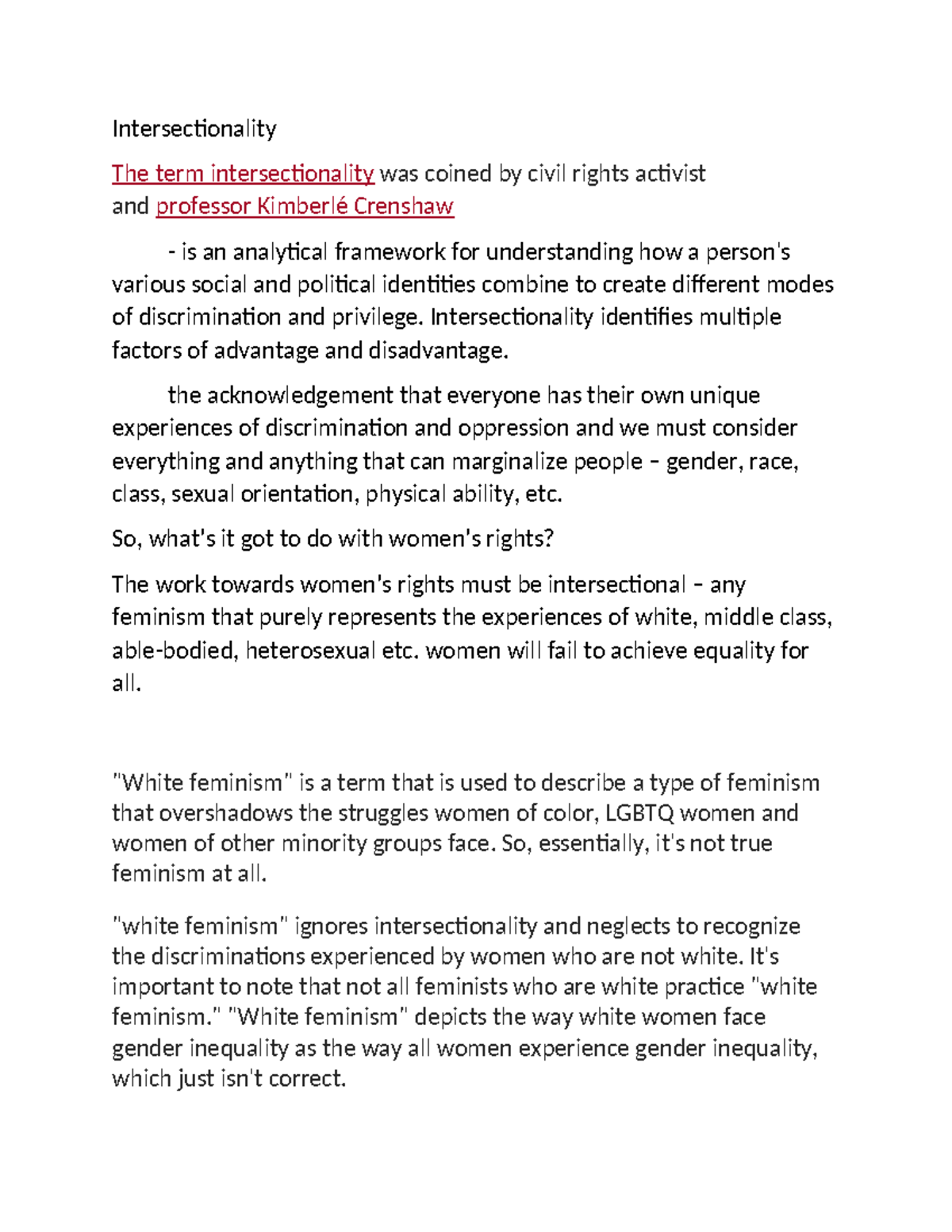
The term "intersectionality" was coined by legal scholar Kimberlé Crenshaw in 1989. Initially developed within the context of legal theory, the framework sought to address the limitations of antidiscrimination laws that treated race and gender as mutually exclusive categories. Crenshaw argued that women of color often faced specific forms of discrimination that could not be adequately addressed by policies targeting only gender or only race.
In contemporary practice, intersectional factors act as a multidimensional analytical lens. Rather than viewing an individual through a single identity marker, this approach recognizes that these markers intersect to form a "matrix of domination" or a structure of combined advantages and disadvantages. For example, a person’s experience in the workplace is not dictated solely by their job title; it is filtered through the interplay of their age, socioeconomic background, neurodiversity, and cultural identity.
Mapping Key Intersectional Categories
To understand intersectional factors in a practical setting, it is necessary to categorize the variables that influence individual and group experiences. These factors rarely act in isolation; they are dynamic and context-dependent.
1. Socioeconomic Status
Socioeconomic standing encompasses income level, education, and access to capital. When combined with other factors, such as geographic location or disability, it significantly dictates a person's ability to navigate institutional systems—whether applying for credit, accessing healthcare, or participating in professional development.
2. Identity-Based Markers
These include race, ethnicity, gender identity, sexual orientation, and religious affiliation. These factors are frequently protected under various human rights and employment laws. However, intersectional analysis looks beyond legal protection to understand how cultural norms and unconscious bias affect the trajectory of these individuals within systems.
3. Physical and Cognitive Ability
Accessibility is a critical intersectional factor. A person with a temporary physical injury, a chronic health condition, or a neurodivergent cognitive profile faces different barriers in the built environment and digital spaces. When combined with age or language proficiency, these barriers often compound, leading to exclusion from services or opportunities.
4. Geographic and Environmental Context
The physical location of an individual—whether urban, rural, or international—interacts with their other traits. A professional’s access to high-speed digital infrastructure, proximity to specialized service providers, and local labor market regulations are all intersectional components that influence their long-term success.
Comparative Framework of Intersectional Variables
The following table illustrates how different intersectional factors combine to influence an individual’s experience within an institutional system, such as a workplace or service provider.
| Intersectional Variable | Potential Interaction | Primary Impact Area |
|---|---|---|
| Race + Gender | Wage gaps often widen at the intersection of race and gender compared to single-axis metrics. | Equitable Compensation |
| Age + Digital Literacy | Older adults may face "digital exclusion" due to UI/UX designs that assume tech-native cognitive patterns. | Service Accessibility |
| Ability + Geography | Rural residents with physical disabilities face higher hurdles for specialized care than urban counterparts. | Healthcare Access |
| Class + Education | High-prestige educational attainment can mitigate class-based barriers to entry in professional networks. | Economic Mobility |
The Role of Data and Analytics in 2026
By 2026, the application of intersectional analysis has moved from theoretical sociology into data science and organizational management. Professionals now use "intersectional data disaggregation" to move beyond averages. If a company reports a 10% improvement in gender diversity, an intersectional audit asks: Which women? By breaking down that 10% by race, age, and location, leaders can identify if progress is actually inclusive or if it only benefits a specific, already-advantaged subset of that group.
This granular approach allows for:
- Targeted Resource Allocation: Identifying specific demographics that are consistently underserved by existing programs.
- Mitigation of Algorithmic Bias: Assessing whether AI-driven hiring or lending tools are inadvertently discriminating against individuals based on overlapping characteristics.
- Policy Refinement: Ensuring that standard operating procedures do not inadvertently create barriers for minoritized groups who hold multiple marginalized identities.
Practical Application: Identifying Barriers and Solutions
To apply this framework effectively, organizations should follow a structured approach to identifying and addressing intersectional factors within their operations.
Phase 1: Contextual Assessment
Start by acknowledging that standard "one-size-fits-all" policies often default to the needs of a dominant demographic. Analyze the current demographics of your user base, workforce, or client pool. Are there groups that are noticeably absent or underperforming?
Phase 2: Qualitative and Quantitative Synthesis
Use quantitative data to spot trends, then pair them with qualitative insights—such as surveys, focus groups, or user feedback—to understand the "why." Quantitative data may show that a specific cohort is dropping out of a service; the qualitative data will reveal the intersectional friction points causing that behavior.
Phase 3: Iterative Design
Once factors are identified, implement design changes. If you find that a remote-work policy excludes employees in regions with poor infrastructure, the solution is not to mandate office attendance but to provide regional support or flexible asynchronous alternatives.
Common Pitfalls and Challenges
One of the most frequent mistakes is the "additive" error—the assumption that one simply adds the challenges of two identities together. In reality, intersectionality describes a unique, distinct experience. For instance, the experience of a Black woman is not merely the sum of the challenges faced by women and the challenges faced by Black people; it is a distinct intersectional position that requires tailored solutions.
Another challenge is "the burden of disclosure." In professional or clinical settings, individuals may feel uncomfortable disclosing the personal markers that constitute their intersectional profile. Organizations must prioritize psychological safety and data privacy to ensure that intersectional analysis is conducted ethically and voluntarily.
Frequently Asked Questions
What is the difference between diversity and intersectionality? Diversity generally refers to the presence of people from different backgrounds. Intersectionality is the analytical framework that explains how those backgrounds overlap and influence the experiences of individuals within a system, highlighting that diversity is not just about counting people but about understanding their distinct, overlapping realities.
How can an organization use intersectional factors to improve equity? Organizations can use this framework to conduct "gap analyses" on their policies. By looking at how a policy affects people with different combinations of identities, they can identify hidden barriers that would not be apparent if they only looked at race or gender in isolation.
Are intersectional factors static or dynamic? They are dynamic. An individual’s intersectional profile changes throughout their life as their employment status, health, age, and economic situation evolve. An effective strategy must be adaptive enough to recognize these changes over time.
Is intersectional analysis a form of identity politics? It is primarily a tool for structural analysis. While it focuses on identity, its goal is to provide a more accurate and nuanced understanding of how systems—whether legal, corporate, or governmental—impact people differently. It is intended to increase the precision of decision-making and resource distribution.
Where should I start if I want to apply this to my project? Begin by auditing your current data collection methods. Are you capturing data that allows for intersectional analysis, or is your data "siloed" by single categories? Improving the granularity of your data collection is the essential first step toward effective intersectional insights.
Next Steps for Implementation
To move forward, conduct a formal internal audit of your current policies. Select one core process—such as recruitment, product design, or customer support—and map the potential intersectional identities involved. Ask: "Who is this process designed for, and who does it inadvertently exclude based on overlapping traits?" By moving from generic assumptions to specific, intersectional evidence, you can create systems that are truly designed for the diversity of the population they serve.
Image Gallery