The History of Subaru: From Aircraft Engineering to Automotive Innovation
Subaru officially began in 1953 with the founding of Fuji Heavy Industries (FHI), though its roots trace back to the Nakajima Aircraft Company established in 1917. The brand’s first vehicle, the Subaru 1500, debuted in 1954, followed b...
Subaru officially began in 1953 with the founding of Fuji Heavy Industries (FHI), though its roots trace back to the Nakajima Aircraft Company established in 1917. The brand’s first vehicle, the Subaru 1500, debuted in 1954, followed by the mass-produced Subaru 360 in 1958, which revolutionized Japanese motoring.
Contents
The story of Subaru is not merely the history of a car manufacturer; it is a narrative of industrial resilience, precision engineering, and a distinct refusal to follow the status quo. While many automotive giants began as carriage makers or bicycle shops, Subaru’s DNA is rooted in the sky. This aerospace heritage has fundamentally shaped the company’s approach to vehicle dynamics, safety, and engine architecture—most notably the horizontal Boxer engine and Symmetrical All-Wheel Drive (AWD) systems that define the brand in 2026.
The Pre-War Foundation: Nakajima Aircraft Company
To understand how Subaru began, one must look back to 1917. Chikuhei Nakajima, a young naval engineer and pioneer in Japanese aviation, established the Aircraft Research Laboratory in Gunma Prefecture. By 1931, this entity evolved into the Nakajima Aircraft Company, Ltd., which became the primary supplier of aircraft and engines for the Japanese military during World War II.
Nakajima’s engineering philosophy was centered on lightweight construction, aerodynamic efficiency, and high-performance powerplants. These principles were essential for aviation, where failure was not an option and weight-to-power ratios were the ultimate metric of success. However, following the end of World War II in 1945, the Allied occupation authorities mandated the dissolution of Japan’s large industrial conglomerates (Zaibatsu). Nakajima Aircraft was reorganized as Fuji Sangyo Co., Ltd., and its focus shifted from warbirds to peace-time necessities, such as motor scooters, bus bodies, and small gasoline engines.
The Birth of Fuji Heavy Industries (1953)
In 1950, Fuji Sangyo was further divided into 12 smaller corporations under the Corporate Credit Rearrangement Act. However, the leadership of several of these entities recognized that their collective engineering prowess was their greatest asset. Between 1953 and 1955, five of these companies—Fuji Kogyo, Fuji Jidosha Kogyo, Omiya Fuji Kogyo, Utsunomiya Sharyo, and Tokyo Fuji Sangyo—merged to form Fuji Heavy Industries (FHI).
The first CEO of FHI, Kenji Kita, was a man with a clear vision for the company’s future: he wanted FHI to build automobiles. Kita believed that if the company was to build a car, it should be a "Japanese car for Japanese people." He solicited names from within the company for the first prototype, but none satisfied him. Eventually, he chose a name that had been dear to his heart since childhood: Subaru.
The Meaning of the Name and Logo
In Japanese, "Subaru" is the name for the Pleiades star cluster in the constellation Taurus. It literally means "to unite" or "gather together." In the Pleiades, six stars are visible to the naked eye (though the cluster contains hundreds). For Kita, the six stars in the Subaru logo represented the six companies that merged to form Fuji Heavy Industries. This nomenclature was revolutionary at the time, as it was one of the first Japanese car brands to use a Japanese word rather than a Western-sounding name or the founder’s surname.
The First Vehicles: The 1500 and the 360
The journey into automotive production began with the Subaru 1500, internally known by the code name P-1. Developed in 1954, the 1500 was a mid-sized car featuring a monocoque body—a rarity at the time—and a front-wheel-drive layout with an independent front suspension. While the 1500 was praised for its ride comfort and handling, FHI faced significant hurdles in securing a stable sales network and funding for mass production. Only 20 units were built, most of which were used as taxicabs to test their durability.
The 1958 Subaru 360: The "Ladybug"
While the 1500 was a technical success but a commercial failure, the next project would define the brand’s future. In 1958, the Japanese government introduced the "People's Car" concept, encouraging manufacturers to build small, affordable vehicles to motorize the nation. Subaru responded with the Subaru 360.
Nicknamed the "Ladybug" due to its rounded shape and diminutive size, the 360 was a masterpiece of aerospace-inspired weight saving. It used a fiberglass roof and a rear-mounted, two-stroke, air-cooled engine. It was small enough to fit within Japan’s "Kei car" (light car) regulations, making it affordable for the average family. The 360 remained in production for 12 years, with over 390,000 units sold, effectively putting Japan on wheels much like the Volkswagen Beetle did for Germany.
Technical Milestones: The Boxer Engine and AWD
What truly separates Subaru from its competitors is its commitment to specific engineering layouts. The introduction of the Subaru 1000 in 1966 marked the debut of the Subaru Boxer engine. Unlike conventional inline or V-shaped engines, the Boxer engine features pistons that move toward each other horizontally. This design offers several advantages:
- Lower Center of Gravity: The flat profile allows the engine to sit lower in the chassis, improving handling and stability.
- Inherent Balance: The opposing pistons cancel out each other’s vibrations, resulting in a smoother-running engine without the need for heavy balance shafts.
- Safety: In a severe frontal collision, the flat engine is designed to slide under the passenger compartment rather than into it.
The Evolution of All-Wheel Drive (1972)
In 1972, Subaru achieved another milestone with the introduction of the Subaru Leone 4WD Station Wagon. At the time, four-wheel drive was reserved for rugged, uncomfortable off-road vehicles like Jeeps. Subaru was the first to mass-produce a 4WD system in a standard passenger car.
Initially developed at the request of the Tohoku Electric Power Company, which needed a vehicle that could handle snowy mountain roads in winter but remain comfortable for daily use, the Leone 4WD paved the way for the Symmetrical All-Wheel Drive system. By 2026, this system has become the backbone of the brand, offering permanent, balanced power distribution that provides superior traction in all weather conditions.
Historical Comparison of Early Subaru Models
| Model | Production Year | Engine Type | Significant Innovation |
|---|---|---|---|
| Subaru 1500 (P-1) | 1954 | 1.5L Inline-4 | First FHI car; monocoque body construction. |
| Subaru 360 | 1958 | 356cc 2-stroke | First mass-produced "People's Car" in Japan. |
| Subaru 1000 | 1966 | 977cc Boxer-4 | First use of the horizontally opposed Boxer engine. |
| Subaru Leone 4WD | 1972 | 1.4L Boxer-4 | First mass-produced 4WD passenger station wagon. |
| Subaru XT | 1985 | 1.8L Turbo Boxer | Extreme aerodynamics and electronic air suspension. |
| Subaru Legacy | 1989 | 2.0L/2.2L Boxer | Established Subaru as a world-class mid-size contender. |
International Expansion and Rallying Success
Subaru’s entry into the United States market in 1968 was spearheaded by Malcolm Bricklin and Harvey Lamm, who founded Subaru of America. The initial launch was rocky; the Subaru 360 was deemed "Unsafe at Any Speed" by Consumer Reports due to its tiny size and lack of power. However, the brand found its niche in the 1970s and 80s by marketing its 4WD capabilities to residents of the "Snow Belt" states and rural areas.
In the 1990s, Subaru shifted its global image from "quirky and utilitarian" to "performance and endurance" through its involvement in the World Rally Championship (WRC). The partnership with British engineering firm Prodrive led to three consecutive Manufacturer's Championships (1995, 1996, 1997) and legendary drivers like Colin McRae and Richard Burns. This success birthed the Subaru Tecnica International (STI) division and the iconic WRX, a car that brought rally-bred technology to the street.
Frequently Asked Questions
Why is the Subaru logo a cluster of stars?
The logo represents the Pleiades star cluster, known as "Subaru" in Japanese. The six stars in the emblem specifically symbolize the six companies that merged in 1953 to form Fuji Heavy Industries, the parent company of Subaru. Although the Pleiades contains more stars, only six are prominently visible to the naked eye in most conditions, which fits the "Unite" theme of the merger.
Was Subaru always part of Toyota?
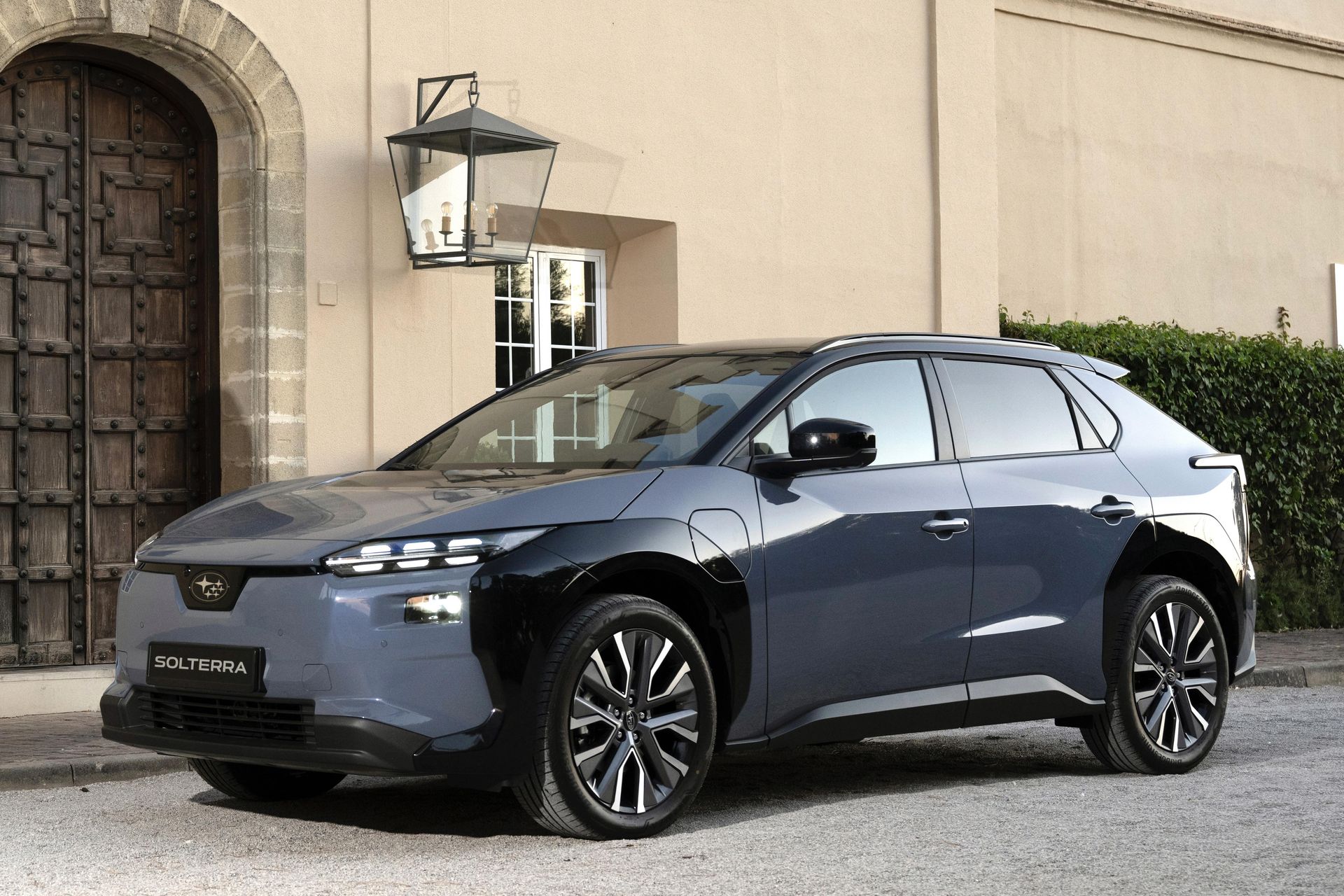
No. Subaru is owned by Subaru Corporation (formerly Fuji Heavy Industries). However, Toyota has held a minority stake in the company since 2005, when it purchased shares previously held by General Motors. As of recent years, Toyota’s stake has increased to approximately 20%, leading to technical collaborations like the Subaru BRZ/Toyota GR86 and the Solterra/bZ4X electric vehicles, but Subaru remains an independent corporate entity.
What was the first Subaru ever sold in the United States?
The first Subaru sold in the US was the Subaru 360 in 1968. It was marketed as "Cheap and Ugly" in an attempt to use self-deprecating humor as a sales tactic. While it struggled initially due to safety concerns and its 25-horsepower engine, it laid the groundwork for Subaru of America's infrastructure.
Why does Subaru use Boxer engines instead of traditional ones?
Subaru utilizes the Boxer engine because its flat, horizontal layout provides a lower center of gravity, which significantly improves vehicle handling and reduces body roll. Additionally, the natural counter-punching movement of the pistons eliminates much of the vibration found in inline engines, making for a smoother ride and allowing the engine to be mounted in a way that enhances crash safety.
When did Subaru change its name from Fuji Heavy Industries?
Fuji Heavy Industries officially changed its name to Subaru Corporation on April 1, 2017. The name change was intended to align the corporate identity with its globally recognized automotive brand and to signal a shift in focus toward the automotive and aerospace divisions that define its modern business.
Practical Recommendations for Subaru Enthusiasts
If you are interested in the heritage of Subaru or are considering purchasing a vehicle from the brand in 2026, understanding the company's "Engineering First" philosophy is key. For those looking to explore this history further, several actions are recommended:
- Visit the Subaru Gallery: If you travel to Japan, the Subaru Gallery at the Ebisu headquarters in Tokyo offers a rotating display of historical models, including the original 360 and championship-winning rally cars.
- Research the Symmetrical AWD: Before purchasing a modern Subaru (like the Forester, Outback, or Crosstrek), research how the Symmetrical AWD system differs from "Slip-and-Grip" systems used by competitors. This heritage-based technology is the primary reason for Subaru’s high resale value in regions with inclement weather.
- Verify Vehicle History: For collectors looking for early Leone or Brat models, ensure you check for rust issues, as early Japanese steel was susceptible to corrosion. Using a dedicated VIN decoder specific to Japanese imports can help verify the authenticity of 1970s and 80s models.
Image Gallery