BT Fleet Overview 2026: Evolution, Services, and Future Strategy
BT Fleet, historically the dedicated vehicle management arm of British Telecommunications, has transitioned from an internal support division into a cornerstone of the UK’s commercial automotive landscape. In 2026, the entity primarily...
BT Fleet, historically the dedicated vehicle management arm of British Telecommunications, has transitioned from an internal support division into a cornerstone of the UK’s commercial automotive landscape. In 2026, the entity primarily operates through its successor, Rivus, while BT continues to manage one of Europe's largest private electric vehicle (EV) fleets, specifically through its Openreach subsidiary.
Contents
The management of a fleet this size involves a complex synergy of maintenance, compliance, telematics, and a rigorous transition toward zero-emission targets. This overview examines the current operational structure, the services available to enterprise partners, and the technological framework driving the BT fleet strategy in 2026.
The Evolution of BT Fleet: From Internal Department to Rivus
To understand the current state of BT’s fleet operations, one must look at the structural pivot that occurred when BT Group sold its fleet management business, BT Fleet Solutions, to Aurelius Equity Opportunities in 2019. This move was designed to allow BT to focus on its core telecommunications and connectivity infrastructure while ensuring its massive vehicle roster was managed by specialized experts.
The rebranded entity, Rivus, now manages the end-to-end requirements for BT and Openreach under long-term service agreements. This includes everything from vehicle specification and procurement to end-of-life disposal. For businesses looking at a "BT fleet overview," it is essential to distinguish between the internal fleet operations (the vans driven by BT engineers) and the commercial fleet services (the management expertise now housed within Rivus).
The Scale of Openreach and BT Group Operations
As of 2026, BT Group—predominantly through Openreach—operates approximately 33,000 vehicles. This makes it the second-largest commercial fleet in the United Kingdom. The sheer volume of assets necessitates a decentralized yet digitally unified management system. The fleet is composed largely of light commercial vehicles (LCVs), specialized engineering trucks, and a growing percentage of passenger cars for management and field sales.
Core Services and Operational Framework
The management of the BT fleet is built upon four primary pillars: maintenance, compliance, telematics, and asset optimization. These services ensure that the "uptime" of the fleet remains above 95%, a critical metric for a company whose primary product is service reliability.
1. Comprehensive Maintenance and Repair
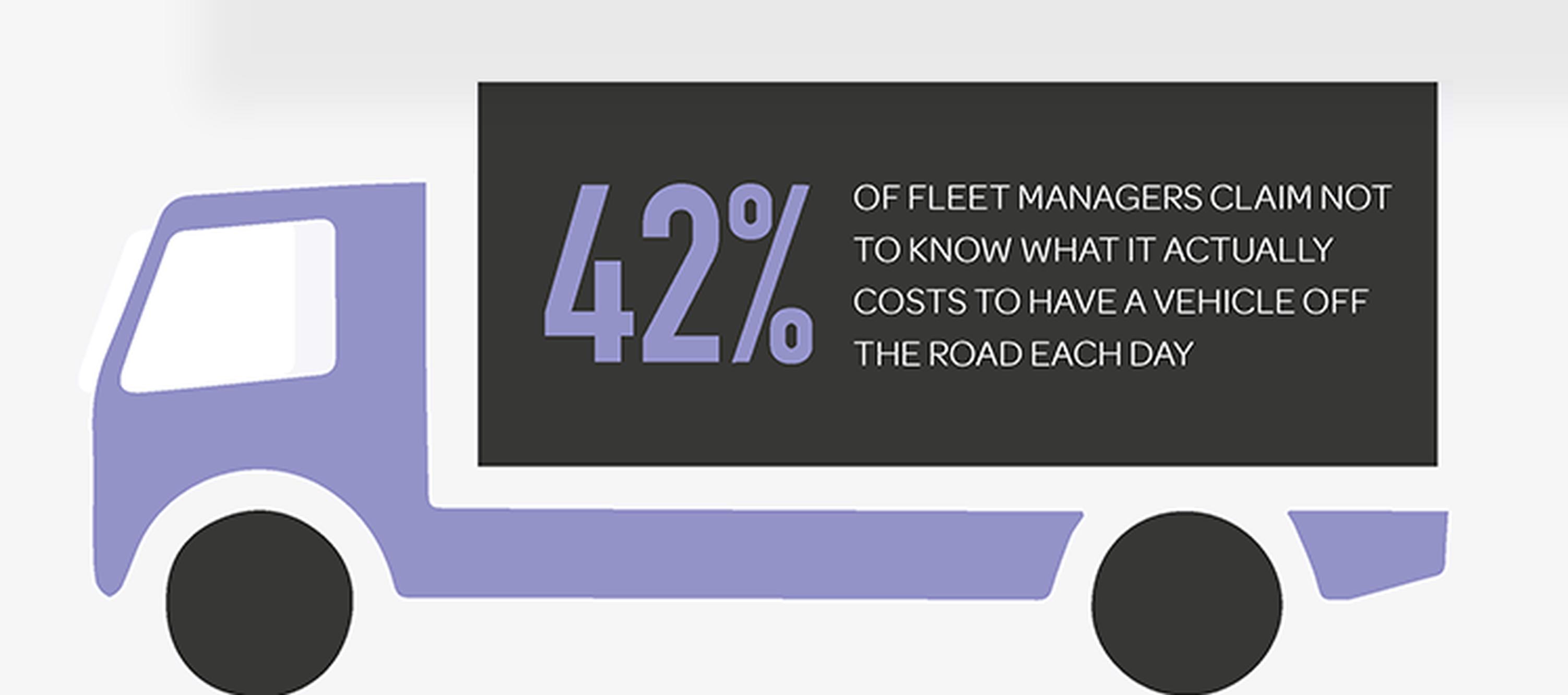
With over 50 dedicated service centers and a mobile technician network, the maintenance infrastructure is designed to minimize "VOR" (Vehicle Off Road) time. In 2026, the focus has shifted toward predictive maintenance. By utilizing real-time engine diagnostics, the fleet management system identifies potential component failures—such as battery degradation in EVs or brake wear—before they result in a breakdown.
2. Regulatory Compliance and Risk Management
Managing a fleet of 30,000+ units requires strict adherence to the UK’s Department for Transport (DfT) regulations and Driver and Vehicle Standards Agency (DVSA) requirements.
- O-Licensing: For heavier vehicles, ensuring "Operator License" compliance is mandatory.
- MOT and Servicing: Automated scheduling ensures no vehicle misses its legal inspections.
- Driver Risk Assessments: This involves regular license checks and "telematics-based coaching" to ensure drivers maintain high safety standards on public roads.
3. Advanced Telematics and 5G Connectivity
Leveraging BT’s own 5G network, the fleet utilizes high-bandwidth telematics. This provides more than just GPS location; it offers deep-dive analytics into:
- Idling Times: Reducing unnecessary energy consumption.
- Driver Behavior: Monitoring harsh braking, rapid acceleration, and cornering speeds.
- Route Optimization: Using AI to calculate the most efficient path between service calls, accounting for live traffic data and EV charging station availability.
The 2030 Net Zero Strategy and EV Transition
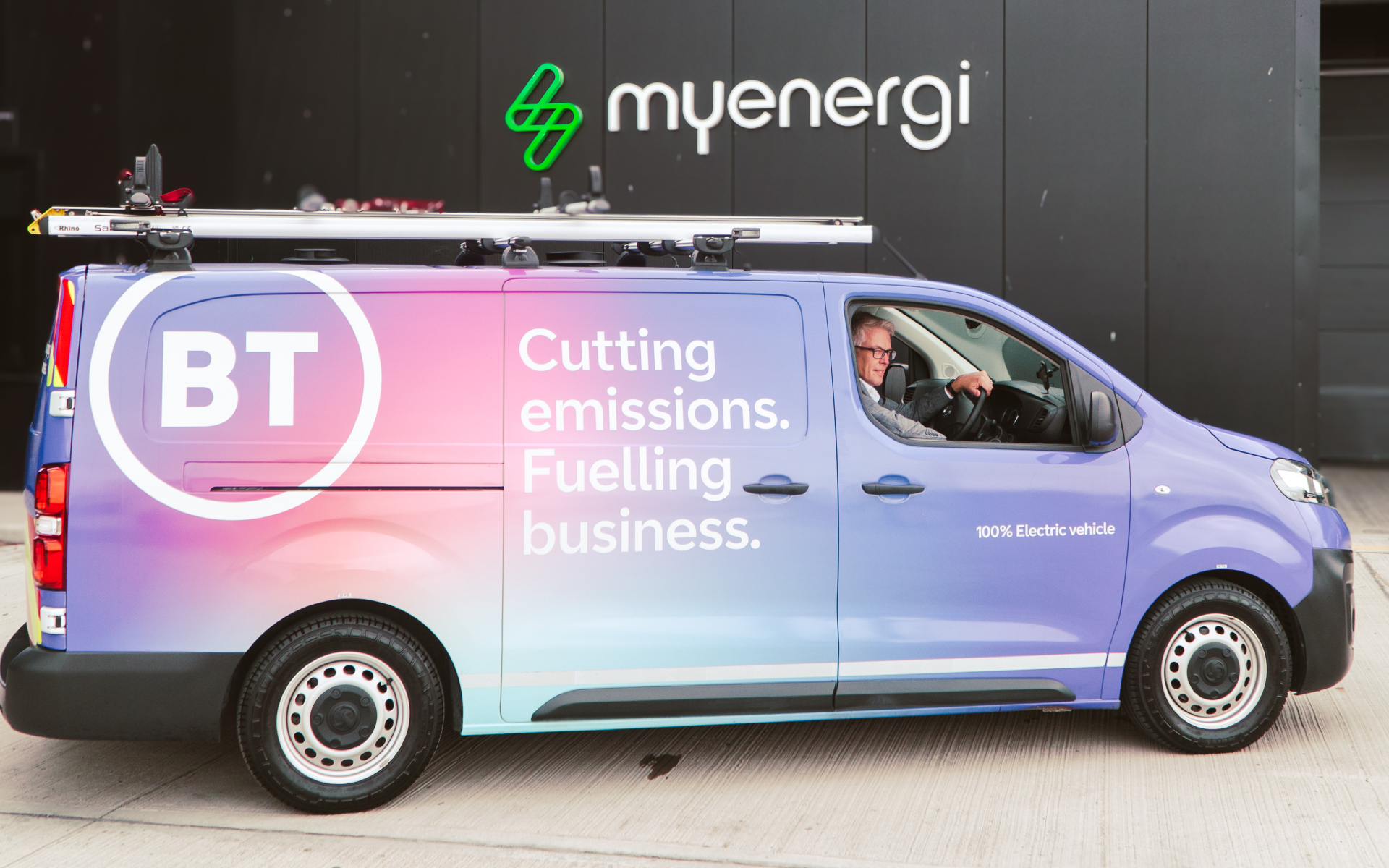
In 2026, the BT fleet is at a critical midpoint in its journey to be fully electric by 2030. The transition is one of the most ambitious in the global logistics sector, involving the replacement of tens of thousands of diesel vans with battery electric vehicles (BEVs).
Challenges in Electrification
The primary hurdle for the BT fleet has been the "home-start" engineer model. Many Openreach engineers take their vans home, and a significant portion of these employees do not have off-street parking or the ability to install a home charging point. To solve this, BT has pioneered several initiatives:
- Public Charging Partnerships: Strategic deals with charging networks to provide engineers with seamless access to rapid chargers.
- Depot Charging Hubs: Upgrading existing BT exchanges to serve as "overnight hubs" for local engineers.
- On-Street Innovation: Trialing technology that allows engineers to charge from existing street furniture, such as converted broadband cabinets.
EV Performance Comparison (2026 Metrics)
| Metric | Traditional Diesel LCV (Legacy) | 2026 Electric LCV (Current Standard) |
|---|---|---|
| Fuel/Energy Cost | High (£0.15 - £0.20 per mile) | Low (£0.04 - £0.08 per mile) |
| Maintenance Cost | Standard (High mechanical complexity) | ~30% Lower (Fewer moving parts) |
| Carbon Footprint | ~200g/km CO2 | 0g/km (Tailpipe) |
| Driver Comfort | Manual/Noisy | Automatic/Silent/Pre-heated |
| Payload Capacity | High | Improving (Battery weight trade-off) |
Fleet Management Technology and Software
The "BT Fleet Overview" is incomplete without discussing the software stack that holds the operation together. The current system, integrated with Rivus’s proprietary platforms, allows fleet managers to view the entire lifecycle of an asset on a single dashboard.
Asset Procurement and Specification
BT does not simply buy "off-the-shelf" vans. Every vehicle is specified for its specific role. For an Openreach engineer, this includes internal racking systems, specialized power inverters for tools, and enhanced security locks. In 2026, there is an increased focus on lightweighting—using composite materials for internal fittings to offset the weight of EV batteries and extend vehicle range.
Accident Management and Insurance
When an incident occurs, the BT fleet uses an integrated first-notification-of-loss (FNOL) system. Cameras and sensors on the vehicles automatically upload footage and data to the cloud the moment an impact is detected. This speeds up the insurance claim process and provides objective data for driver retraining.
Procurement and External Access
While BT’s internal fleet is the primary focus, the expertise developed through managing such a massive operation is available to external corporate entities through Rivus Fleet Solutions.
Eligibility for External Services
Enterprise-level organizations with fleets ranging from 50 to over 10,000 vehicles can utilize these services. The core offering includes:
- Fleet Consultancy: Analyzing a company's current fleet to identify cost-saving opportunities.
- Transition Planning: Helping other businesses move from ICE (Internal Combustion Engine) to EV.
- Workshop Services: Access to the extensive network of garages for maintenance and MOTs.
Troubleshooting Common Fleet Issues
For managers overseeing a BT-scale fleet, the most common issues in 2026 include:
- Charging Downtime: Managed through real-time monitoring of state-of-charge (SoC) and directing drivers to underutilized chargers.
- Parts Supply Chain: Addressed through "stock-holding" agreements with major OEMs (Original Equipment Manufacturers) to ensure common parts (tires, bulbs, sensors) are always available.
- Driver Resistance: Solved through "EV familiarization" programs that highlight the performance and comfort benefits of new electric models.
Frequently Asked Questions
Who currently owns and manages BT Fleet?
The commercial entity formerly known as BT Fleet Solutions was sold to Aurelius in 2019 and now operates as Rivus. However, BT Group remains its largest customer, and BT’s internal fleet strategy is dictated by BT’s own sustainability and operational teams.
How many vehicles are in the BT/Openreach fleet in 2026?
The total fleet size remains approximately 33,000 vehicles. While the total number has stayed relatively stable, the composition has shifted dramatically toward electric and hybrid models as part of the 2030 zero-emission goal.
Can small businesses use BT's fleet services?
While the legacy "BT Fleet" services are now under Rivus, they primarily cater to large-scale enterprise fleets. However, small businesses can often access the same maintenance network (garages) that services the BT fleet for their own commercial vehicle repairs.
What is BT's plan for vehicles that cannot be easily electrified?
For heavy-duty specialist vehicles where battery technology is not yet viable, BT is exploring alternative fuels such as Hydrogen and HVO (Hydrotreated Vegetable Oil) as interim solutions to meet carbon reduction targets.
How does BT monitor its drivers?
BT uses a sophisticated telematics system that scores drivers on safety and efficiency. This data is used for reward programs as well as identifying individuals who may require further defensive driving training.
Summary of Recommendations
For organizations looking to emulate or partner with the BT fleet model in 2026, the following actions are recommended:
- Prioritize Telematics: Do not view telematics as a simple tracking tool; use it as a data engine to drive predictive maintenance and safety.
- Plan Infrastructure Early: If transitioning to an EV fleet, the charging infrastructure (at-home, on-site, and public) must be established before the vehicles arrive.
- Optimize Vehicle Specs: Work with converters to ensure that vehicle interiors are lightweight and fit-for-purpose to maximize the range of electric assets.
The BT fleet represents a masterclass in scaling commercial operations while maintaining a strict focus on sustainability. By leveraging the expertise of Rivus and the connectivity of the 5G network, BT continues to set the standard for UK fleet management in 2026.
Image Gallery